
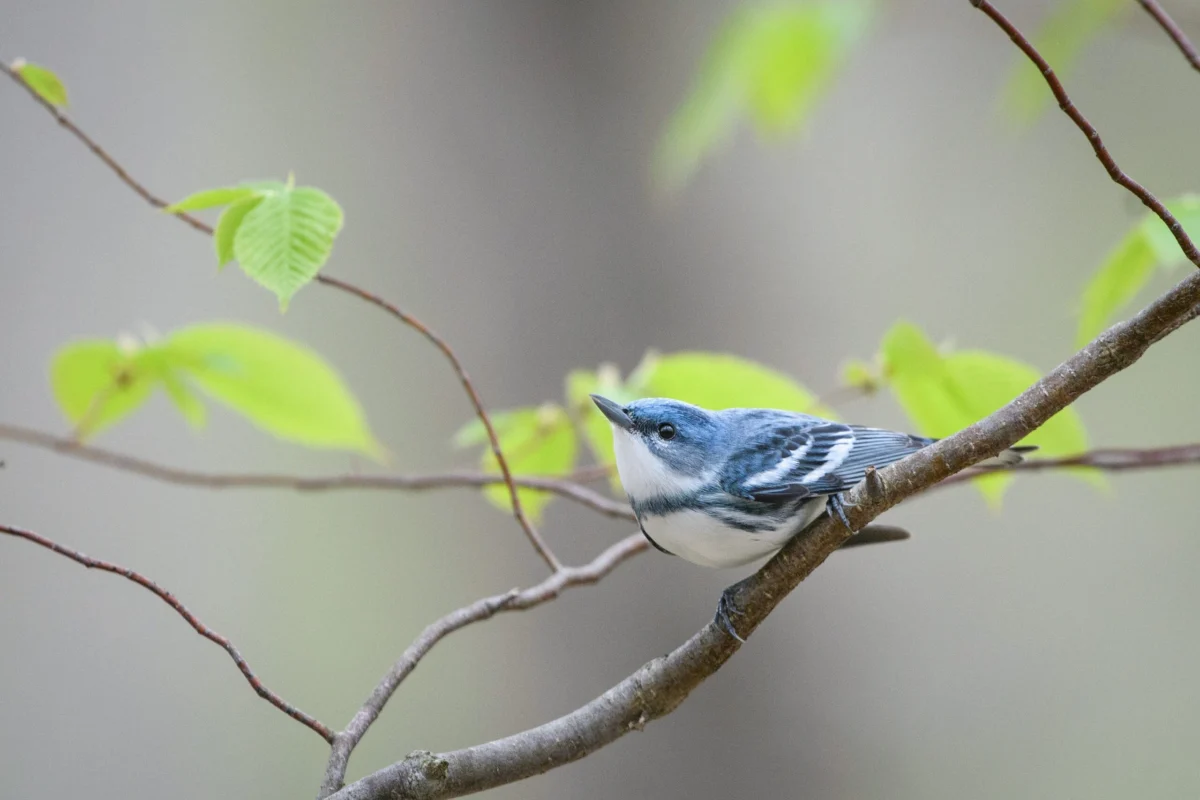
The National Audubon Society is spearheading an ambitious, continent-spanning effort to safeguard avian populations and the critical habitats upon which they depend, underscoring a commitment to long-term conservation through broad collaboration and pragmatic optimism. This comprehensive initiative unites diverse communities, scientific endeavors, and policy advocacy across the Americas, recognizing that the fate of migratory birds like the Cerulean Warbler is inextricably linked to coordinated action from Canada to Chile. The organization’s approach, honed over more than 120 years, emphasizes the vital connection between healthy bird populations, resilient ecosystems, and the well-being of human communities.
The Urgent Imperative: A Crisis for Birds and Ecosystems
The urgency of Audubon’s mission is underscored by alarming scientific data revealing a profound crisis for global biodiversity, with birds serving as crucial bio-indicators of environmental health. Each spring, the Cerulean Warbler, a small, vibrant songbird, undertakes a remarkable journey, migrating thousands of miles north from its wintering grounds in South America. Crossing the vast expanse of the Gulf of Mexico, these birds arrive in the eastern United States and southern Canada to breed, their survival dependent on an unbroken chain of healthy forests and an abundance of insect prey. Their annual odyssey vividly illustrates the interconnectedness of ecosystems across the Western Hemisphere and the necessity of international cooperation for conservation.
However, the natural world, and consequently these migratory wonders, faces unprecedented pressures. Habitat loss, driven by agricultural expansion, urbanization, and resource extraction, continues to fragment and diminish vital breeding grounds, migratory stopovers, and wintering areas. Compounding this challenge are the escalating impacts of climate change, manifesting as intensifying extreme weather events, altered precipitation patterns, and rising global temperatures. These shifts are profoundly reshaping landscapes and threatening the delicate balance of ecosystems.
Audubon’s own research paints a stark picture of the potential future. Its seminal "Survival by Degrees" report, a comprehensive analysis of climate change impacts on North American birds, projected that approximately two-thirds of the continent’s bird species face an uncertain future if global temperatures continue their upward trajectory. Similarly, the "Quiet Canopies" report highlighted the severe vulnerability of Latin American forest bird species, with more than 75 percent at risk under current climate scenarios. These figures represent not merely a loss of avian diversity but a significant degradation of ecological services—such as pest control, pollination, and seed dispersal—that birds provide, services critical for healthy forests, agricultural productivity, and human well-being. The decline of bird populations signals a broader environmental malaise, impacting the very places and resources upon which all life depends.
A Foundation of Collaborative Action and Enduring Commitment
For over a century, the National Audubon Society has been at the forefront of conservation, building a legacy rooted in science-informed strategies and broad, inclusive coalitions. Established in 1905, Audubon’s initial efforts focused on combating the plume trade that decimated bird populations for fashion. This historical context provides a crucial backdrop to its current work, demonstrating a long-standing commitment to adapting conservation strategies to evolving threats. The organization’s enduring success has been predicated on shared values: the universal desire for clean air and water, the aspiration for resilient communities, and the appreciation for thriving outdoor spaces.
Audubon’s strategic evolution has seen its work deepen locally through its vast network of grassroots chapters and expand significantly across the Western Hemisphere. This geographic expansion into countries throughout Latin America and the Caribbean reflects a recognition that many of the most pressing conservation challenges, particularly those affecting migratory species, transcend national borders. This transboundary approach is fortified by robust partnerships with local organizations, Indigenous governments, and international conservation bodies, all united by a common purpose. The organization operates with a spirit of pragmatic optimism, acknowledging the scale of the challenges while firmly believing that consistent, positive actions, accumulating over time, can lead to meaningful and durable change. This long-term commitment is fundamental to addressing problems that have developed over decades and will require sustained effort to resolve.
Continental Collaboration: Forging Alliances for Habitat Protection
The fight against climate change and biodiversity loss demands integrated, cross-border solutions. Audubon’s approach emphasizes powerful partnerships with local communities, Indigenous groups, and other non-governmental organizations across the entire flyway, from the boreal forests of Canada to the Patagonian steppes of Chile. These collaborations are not merely transactional but are built on mutual respect, shared objectives, and the empowerment of local stakeholders, recognizing their invaluable traditional knowledge and direct connection to the land.
One exemplary initiative is Audubon’s work in Canada, particularly with Indigenous governments and organizations such as the Seal River Watershed Alliance. This partnership represents a pioneering model for large-scale land conservation, focusing on protecting vast, ecologically significant areas that are crucial for migratory birds and numerous other species. The Seal River Watershed, located in northern Manitoba, is a pristine wilderness spanning over 50,000 square kilometers (nearly 20,000 square miles). It is home to an incredible array of wildlife, including polar bears, beluga whales, and caribou, and provides critical breeding habitat for millions of migratory birds. The Indigenous communities in the region, including the Cree, Dene, and Inuit, have a profound and ancestral connection to this land, serving as its traditional stewards. Audubon’s collaboration supports their efforts to establish an Indigenous Protected and Conserved Area (IPCA), ensuring that conservation efforts are culturally appropriate, community-led, and sustainable. This model of Indigenous-led conservation is increasingly recognized as a highly effective means of achieving biodiversity goals while simultaneously supporting Indigenous rights and self-determination.
Further south, Audubon leads Conserva Aves, a groundbreaking initiative that epitomizes multilateral conservation efforts. This ambitious program brings together a formidable coalition of partners, including BirdLife International, Birds Canada, American Bird Conservancy, and the Latin American and Caribbean Network of Environmental Funds (RedLAC). Conserva Aves focuses on protecting and restoring critical bird habitats across eight Latin American countries: Argentina, Bolivia, Chile, Colombia, Ecuador, Paraguay, Peru, and Uruguay. Since its inception, the initiative has achieved significant milestones, resulting in the protection of more than 2 million acres of vital bird habitat. A cornerstone of Conserva Aves’ success is its emphasis on empowering local communities to play a central role in managing these newly protected areas. This community-centric approach ensures that conservation efforts are not only effective but also equitable, providing sustainable livelihoods and fostering a sense of ownership among the people who live alongside these critical ecosystems. By building local capacity and integrating traditional ecological knowledge, Conserva Aves establishes durable conservation frameworks that can withstand future challenges.
Science, Community Engagement, and Policy Influence
Audubon’s commitment to conservation is deeply rooted in scientific inquiry and fueled by the power of community engagement. Its community science programs are vital tools for both data collection and public involvement. Climate Watch, a flagship initiative, mobilizes thousands of volunteers across the United States to collect crucial data on how birds are responding to a changing climate. For the past decade, volunteers have conducted surveys during specific winter and summer sessions, tracking target species to monitor shifts in their geographic ranges. This citizen-led data collection provides invaluable information to researchers, helping to understand the real-time impacts of climate change on bird distribution and inform conservation strategies.
The program also serves as a powerful educational and engagement tool. During a recent winter session, students from the Claflin University campus chapter of Friends of the Earth joined Audubon staff to count Eastern Bluebirds, a species of particular interest due to its sensitivity to temperature fluctuations. This hands-on experience not only contributed to scientific data but also inspired the next generation of environmentalists, demonstrating the tangible impact of their efforts. Such moments underscore the importance of fostering environmental literacy and active participation among young people, recognizing them as future stewards of the planet.
Beyond scientific data collection, Audubon actively engages in policy advocacy, recognizing that robust environmental policies are essential for large-scale conservation success. A prime example is its unwavering support for a modernized Farm Bill in the United States. The Farm Bill, a comprehensive piece of legislation passed roughly every five years, significantly influences land use and conservation practices across millions of acres of agricultural land. Audubon advocates for strengthening conservation incentive programs within the Farm Bill that benefit both birds and agricultural communities.
To underscore the practical benefits of these programs, ranchers who implement bird-friendly grazing practices recently traveled to Capitol Hill. These landowners shared their firsthand experiences with policymakers, explaining how sustainable grazing management not only supports healthy grassland ecosystems—crucial habitats for species like the Greater Prairie-Chicken and grassland sparrows—but also enhances soil health, water retention, and economic viability for their operations. Their compelling testimonies provided a powerful, on-the-ground perspective, making a strong case for bolstering federal programs that incentivize conservation-friendly agriculture. This direct engagement highlights the critical role of stakeholder voices in shaping effective environmental policy.
Local Innovation and the Power of Art
Innovation in conservation often emerges from local communities, where specific challenges meet creative solutions. In Arizona, a pioneering project addressed the conflict between urban development and wildlife protection. When a housing development threatened a population of Burrowing Owls, a ground-dwelling species facing habitat loss, a unique partnership emerged. A local wildlife rehabilitation center collaborated with a solar energy developer to relocate the owls. This involved creating an experimental habitat within a solar energy complex, utilizing artificial burrows designed to mimic their natural homes, coupled with ongoing monitoring to ensure the owls’ successful adaptation.
This project offers a promising blueprint for how renewable energy infrastructure—essential for addressing climate change—can be developed with minimal impact on wildlife, and in some cases, even create new habitat opportunities. It exemplifies the potential for synergistic solutions when different sectors collaborate with a shared vision for sustainability. By demonstrating that development and conservation are not mutually exclusive, such projects pave the way for more integrated and environmentally responsible land-use planning.
The spirit of engagement also extends to the realm of art and cultural expression. The Audubon Mural Project in New York City is a vibrant initiative that leverages public art to draw attention to climate-threatened birds. In collaboration with local artists and community garden associations, the project has overseen the creation of more than 20 murals across various community gardens. Each mural features a specific bird species identified as vulnerable to climate change, often depicted alongside the native plants essential for their food and shelter.
These murals serve multiple purposes: they beautify urban spaces, educate residents about local bird populations and their ecological needs, and foster a deeper connection between people and nature in an urban environment. By transforming public spaces into outdoor galleries of environmental awareness, the Audubon Mural Project sparks conversations, inspires action, and reminds city dwellers of the rich biodiversity that exists even within densely populated areas. It underscores the belief that conservation is not solely the domain of scientists and policymakers but a collective responsibility that can be championed through diverse mediums.
A Future Forged Through Collective Will
At this pivotal juncture for avian populations and the broader global ecosystem, hope and the potential for transformative change reside squarely at the intersection of robust science, scalable and durable solutions, and deeply engaged communities. The challenges are immense, from widespread habitat destruction and biodiversity loss to the accelerating impacts of climate change. However, Audubon’s multifaceted approach, characterized by its historical resilience, scientific rigor, expansive partnerships, and unwavering commitment to community empowerment, offers a powerful model for confronting these issues.
The journey of the Cerulean Warbler, a delicate thread connecting continents, serves as a poignant reminder that the health of our planet is a shared responsibility. By continuing to build broad coalitions that span national borders, integrate Indigenous knowledge, empower local communities, inform policy with sound science, and inspire through education and art, we can collectively work to reverse the precipitous declines in bird populations. More profoundly, these efforts to protect birds ultimately safeguard the health of the ecosystems that sustain all life, ensuring a more vibrant and resilient future for both nature and humanity. The commitment of individuals, communities, and organizations, working together with optimism and dedication, holds the key to protecting the places that sustain us all.