
In a pivotal gathering that concluded late last month, governments, non-governmental organizations, Indigenous Peoples representatives, and international organizations convened in Campo Grande, Brazil, for the 15th Conference of the Parties (COP15) to the Convention on Migratory Species (CMS). Nestled as the gateway to the vast and biodiverse Pantanal wetland, the location itself underscored the urgent need for action. Over a week of intensive deliberations from February 12-17, 2024, delegates worked towards a unified vision for safeguarding the planet’s migratory wildlife, culminating in significant new commitments aimed at strengthening protections for migratory birds and a wide array of other species worldwide.
The Convention on Migratory Species (CMS), often referred to as the Bonn Convention, is an international treaty under the aegis of the United Nations Environment Programme (UNEP), dedicated to the conservation of migratory species of wild animals and their habitats globally. Established in 1979 and entering into force in 1983, CMS provides a framework for signatory nations to cooperate on conservation measures for species that cross national boundaries. These species, ranging from birds and mammals to fish and insects, face unique challenges due to their transboundary movements, making international cooperation indispensable for their survival. Each Conference of the Parties (COP) serves as the primary decision-making body of the Convention, where parties review the implementation of the Convention, adopt resolutions and recommendations, and update the lists of migratory species requiring international cooperation.
Against the backdrop of Brazil’s rich natural heritage, with Blue-and-yellow Macaws soaring overhead and Burrowing Owls observing from their vantage points, delegates engaged in rigorous debates that often stretched late into the night. The agenda was comprehensive, focusing on critical issues such as identifying migratory species in dire need of enhanced protections due to alarming population declines and escalating threats. Discussions also tackled pervasive risks like widespread poisoning, the devastating impact of unintentional seabird bycatch from commercial fishing operations, and strategies to fortify coordination and cooperation across the world’s intricate avian flyways. The urgency of these discussions was palpable, driven by scientific data indicating a worrying global decline in migratory species populations, often exceeding that of non-migratory species, underscoring their vulnerability to environmental changes and human activities.
A Unified Vision for the Americas’ Flyways
A cornerstone achievement of COP15 was the unanimous decision by participating governments to advance towards the creation of the CMS Americas Flyways Initiative. This landmark move is designed to significantly bolster the institutional framework for conservation and coordination of actions along the migratory routes spanning the entire North and South American continents. Recognizing that effective conservation of migratory birds necessitates a holistic, transboundary approach, the initiative seeks to unite governments, Indigenous Peoples, non-governmental organizations, and scientific bodies in a concerted effort.
The Americas are home to four major flyways—the Atlantic, Mississippi, Central, and Pacific—which serve as vital aerial highways for billions of birds migrating annually between their breeding grounds in the north and their non-breeding grounds in the south. These journeys are fraught with peril, from habitat loss and degradation at critical stopover sites to collisions with infrastructure and the pervasive impacts of climate change altering migratory timings and resource availability. The new initiative, formalized through a comprehensive COP15 Resolution and Decision, aims to bridge existing gaps in regional conservation efforts, fostering a more integrated and impactful approach.
Officials from Brazil, Costa Rica, and Uruguay, who spearheaded this resolution, emphasized the urgent need for a unified strategy. "The health of our migratory bird populations is a clear indicator of the health of our shared ecosystems," stated a representative from the Brazilian Ministry of Environment, highlighting the ecological and economic benefits of preserving these species. "This initiative provides a robust platform for nations to pool resources, share data, and implement coordinated conservation strategies that respect the birds’ entire life cycle."
The Audubon Society’s delegation, working in close collaboration with government officials and BirdLife Partners, played a crucial role in championing this initiative. Their offer, alongside BirdLife International, to provide essential support for the coordination and implementation of the initiative was warmly received by the attending parties. This support is expected to manifest through technical expertise, capacity building, facilitating cross-border partnerships, and leveraging their extensive network of conservationists and scientists across the hemisphere. The Americas Flyways Initiative represents an unprecedented opportunity to galvanize governmental and stakeholder action, ensuring the protection of migratory birds and their habitats through better coordinated efforts across entire flyway systems.
Conserva Aves: A Model for Habitat Protection in Brazil
Another significant success for conservation at COP15 revolved around the "Conserva Aves" initiative. Through a well-attended public event and a dedicated technical working session, Audubon, BirdLife International, and their Brazilian partners, SAVE Brasil and FUNBIO, effectively positioned Conserva Aves as a proven and highly promising model for establishing, expanding, and effectively managing protected areas crucial for bird habitat in Brazil.
Conserva Aves is an ambitious program focused on conserving Latin America’s most important sites for migratory and resident birds. It operates on a model of identifying biodiversity hotspots, securing land through various protection mechanisms (ranging from government-designated protected areas to community-managed reserves), and implementing sustainable management practices that benefit both wildlife and local communities. Brazil, a megadiverse country harboring an unparalleled wealth of avian species and critical ecosystems like the Amazon rainforest and the Pantanal, presents both immense opportunities and significant challenges for conservation. The initiative’s emphasis on creating and expanding protected areas is particularly vital in a country facing high rates of deforestation and habitat fragmentation.
The Brazilian government demonstrated strong enthusiasm for Conserva Aves. Officials not only offered invaluable access to technical and spatial data, which is crucial for identifying priority conservation areas and designing effective protected area networks, but also engaged in detailed discussions regarding the initiative’s relevance to Brazil’s national policy objectives and existing environmental programs. This level of government buy-in is transformative, suggesting a commitment to integrating Conserva Aves into broader national conservation strategies. "The alignment of Conserva Aves with our national biodiversity targets and sustainable development goals is clear," noted a representative from FUNBIO, a Brazilian non-profit organization dedicated to environmental finance. "This partnership strengthens our capacity to protect critical habitats, ensuring the long-term survival of our avian heritage." The Conserva Aves partners are now poised to finalize the design phase, meticulously optimizing opportunities for bird conservation within Brazil’s vast and complex ecological landscape. The prospect of scaling up this proven model across one of the world’s most biodiverse nations holds immense implications for global bird conservation.
Strengthening Global Protections for Vulnerable Species
Beyond regional initiatives, COP15 yielded several critical CMS Resolutions and Decisions aimed at strengthening protections for migratory species worldwide. These measures encourage greater conservation efforts and robustly address prevailing threats. A key outcome was the "listing" of several species of significant conservation concern under the CMS Appendices. Listing a species under Appendix I signifies that it is endangered and requires strict protection, while Appendix II listing indicates that the species has an unfavorable conservation status and would significantly benefit from international cooperative agreements.
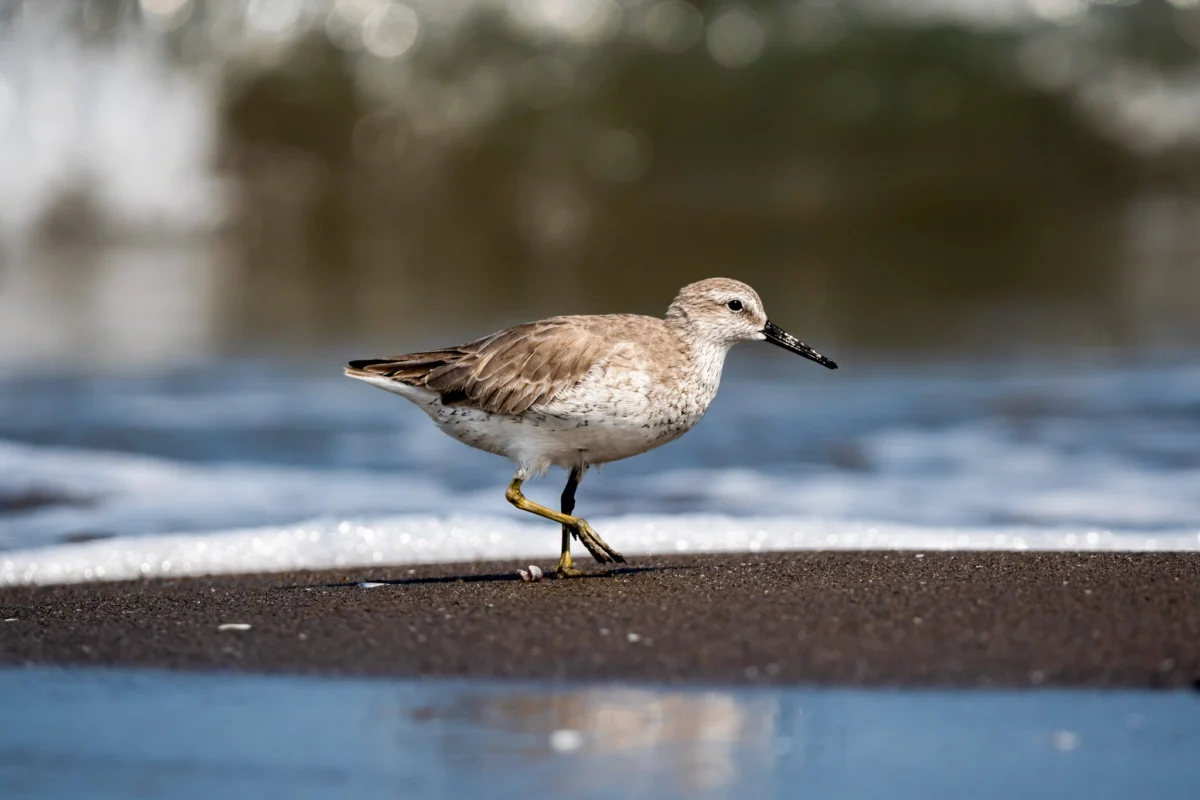
Among the species newly listed were the Lesser Yellowlegs, Hudsonian Godwit, and Hudsonian Whimbrel. These three shorebird species, already a focus of conservation actions by Audubon and its partners across the Americas, undertake epic migratory journeys, often covering thousands of kilometers from their Arctic breeding grounds to their non-breeding habitats in South America. They face severe threats from habitat loss in their breeding, stopover, and wintering sites, particularly coastal wetlands and intertidal mudflats, which are increasingly vulnerable to development, pollution, and climate change-induced sea-level rise. Scientific data indicates that many shorebird populations have experienced drastic declines over the past few decades, with some species plummeting by more than 70%. The official listing of these species under CMS provides a powerful mandate for signatory parties to implement additional protective measures, ranging from habitat restoration and designation of protected areas to regulating human activities that impact their survival.
Prioritizing Marine Flyways and Combating Bycatch
Marine flyways also received significant attention and were recognized as a priority during COP15. The conference successfully broadened the language referring to bycatch from fisheries to encompass "migratory" species in general, rather than solely focusing on specific marine groups. This seemingly technical adjustment carries profound implications, as it will promote the inclusion of a wider array of seabirds and other marine migratory species within national and international measures designed to reduce accidental capture by fishing vessels. Bycatch is a leading cause of mortality for many marine species, particularly seabirds like albatrosses and petrels, which often become entangled in fishing gear while foraging.
The expanded definition encourages a more holistic approach to marine conservation, compelling signatory nations to consider the impacts of their fishing practices on the full spectrum of migratory marine life. Furthermore, parties encouraged greater coordination across marine flyways, specifically referencing the vital work of the Agreement on the Conservation of Albatrosses and Petrels (ACAP). ACAP, a multilateral agreement, focuses on reducing the incidental mortality of albatrosses and petrels, many of which are critically endangered, by promoting best practices in fisheries management and fostering international cooperation. The renewed emphasis from CMS COP15 provides a crucial boost to these efforts, underscoring the interconnectedness of global marine ecosystems and the shared responsibility of nations to protect them.
Beyond the Debates: A Future for Migratory Species
While the late-night sessions and intricate text negotiations might have appeared esoteric to external observers, CMS COP15 vividly demonstrated the enduring capacity of policymakers, scientists, Indigenous Peoples, and other experts to unite and forge a more promising future for migratory species. The commitments made in Campo Grande are not merely bureaucratic declarations; they represent tangible steps towards addressing some of the most pressing environmental challenges of our time. They are intertwined with the broader global biodiversity framework, including the Kunming-Montreal Global Biodiversity Framework (GBF), which aims to halt and reverse biodiversity loss by 2030. The conservation of migratory species directly contributes to several GBF targets, particularly those related to protected areas, species conservation, and sustainable use.
However, the real test of these commitments lies in their implementation. The successful execution of the Americas Flyways Initiative, the scaling up of Conserva Aves, the effective protection of newly listed species, and the reduction of marine bycatch will demand sustained political will, adequate financial investment, robust scientific monitoring, and unwavering collaboration across borders and sectors. As the delegates departed Campo Grande, leaving behind the vibrant calls of the Pantanal’s birds, the imperative for continued, collaborative action remains. It is now incumbent upon all stakeholders to translate these resolutions into tangible conservation outcomes for the Lesser Yellowlegs, Hudsonian Godwit, Hudsonian Whimbrel, and countless other migratory species whose futures depend entirely on collective human effort and dedication.