
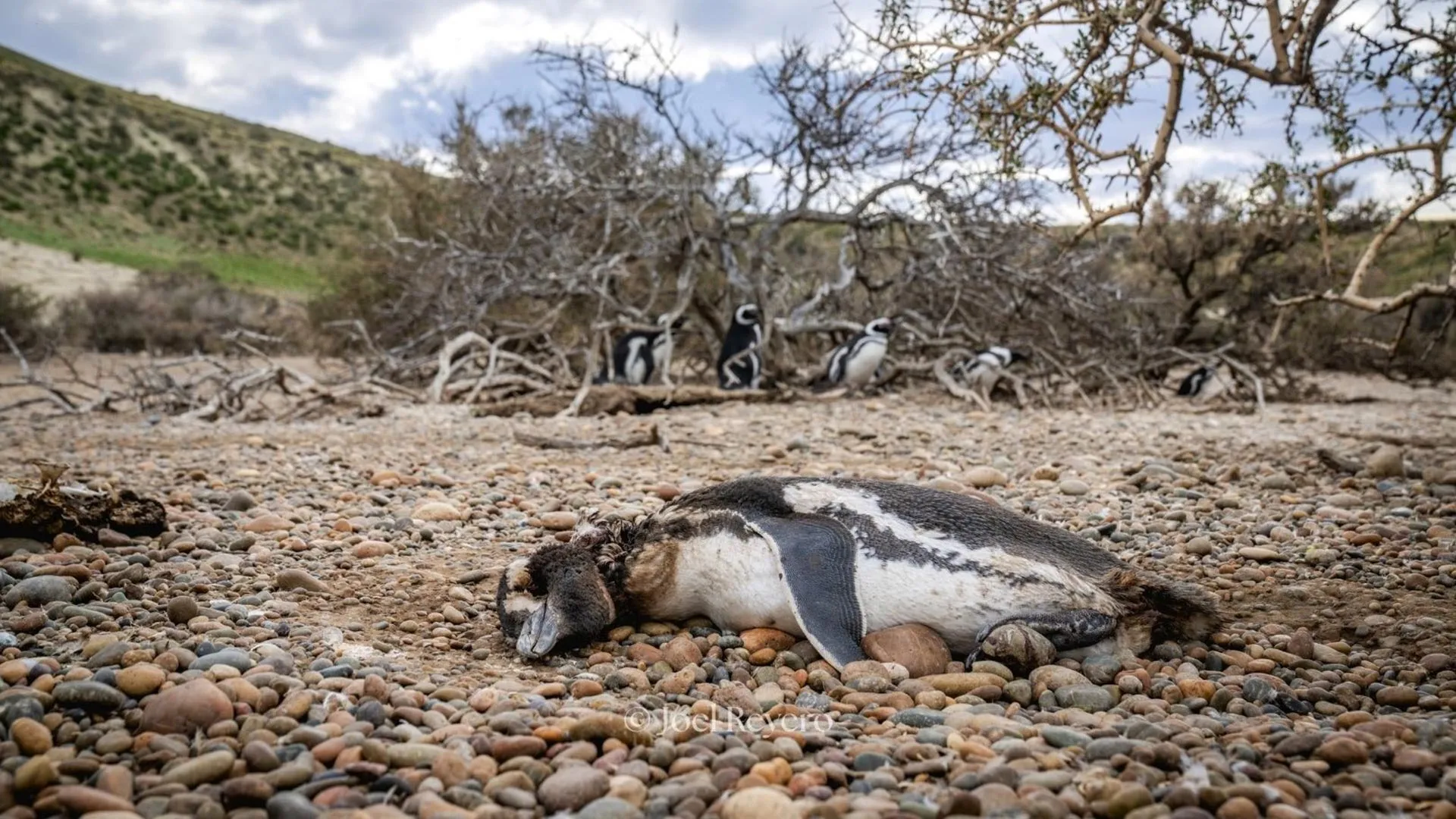
Should conservation efforts focus on protecting one iconic species if that protection may harm another, especially in landscapes still recovering from human activity? This intricate question lies at the heart of a burgeoning conservation challenge unfolding at Monte Leon National Park on Argentina’s Patagonian coast. The windswept shores and stark beauty of Monte Leon, a remarkable success story in ecosystem recovery, have become an unexpected crucible where the resurgence of an apex predator, the puma (Puma concolor), has introduced a significant and novel pressure on a vulnerable prey species, the Magellanic penguin (Spheniscus magellanicus). Recent comprehensive research, a collaborative effort between scientists from Argentina’s Centro de Investigaciones de Puerto Deseado of the Universidad Nacional de la Patagonia Austral and Oxford University’s Wildlife Conservation Research Unit (WildCRU), has meticulously documented the scale of this new interaction, revealing thousands of penguins have fallen victim to puma predation. While the findings confirm a disturbing phenomenon of ‘surplus killing,’ the study’s deeper dive into population dynamics suggests that the long-term survival of the penguin colony is more intricately linked to broader environmental stressors, particularly climate change, rather than solely the presence of their newly re-encountered land predator.
Monte Leon: A Testament to Ecosystem Recovery and Its Complexities
The situation at Monte Leon epitomizes the profound complexities inherent in restoring ecosystems that have been altered for decades by human activity and are now undergoing rapid natural and anthropogenic changes. Located in the Santa Cruz Province of Argentina, Monte Leon National Park represents a critical segment of the Patagonian coastal-marine ecosystem. Established in 2004, it was Argentina’s first coastal-marine national park, a landmark achievement in conservation. Its creation followed a significant effort by Fundación Vida Silvestre Argentina, which purchased the land and donated it to the state for protection. This area, spanning approximately 62,000 hectares of land and 90,000 hectares of marine environment, is globally recognized for its rich biodiversity, including vast colonies of seabirds, marine mammals like sea lions, and diverse terrestrial fauna. For much of the 20th century, however, this region was dominated by extensive sheep ranching. This agricultural practice dramatically reshaped the landscape, leading to overgrazing, habitat degradation, and, crucially, the systematic eradication or significant reduction of native predators, most notably the puma, to protect livestock.
The Puma’s Silent Return: Reclaiming Lost Territory
The cessation of widespread cattle and sheep ranching in southern Argentina, particularly following economic shifts in the 1990s, inadvertently set the stage for a dramatic ecological recovery. With human pressure receding and hunting of large carnivores curtailed, pumas, also known as cougars or mountain lions, gradually began reclaiming parts of their historic Patagonian range. These solitary and adaptable predators, vital components of healthy ecosystems, slowly recolonized areas from which they had been absent for generations. Their return was a testament to the resilience of nature and the success of conservation policies that allowed for the natural re-establishment of trophic cascades. However, this rewilding process also brought them into contact with species that had adapted to a predator-free environment, creating novel ecological interactions.
Magellanic Penguins: A Shift to the Mainland and New Vulnerabilities
For Magellanic penguins, the absence of land predators had offered a unique opportunity. Historically, these penguins, like many other seabird species, nested predominantly on offshore islands, a natural defense against terrestrial carnivores. As pumas and other large land predators disappeared from the mainland Patagonian coast, penguin colonies began to establish themselves on the coastal cliffs and beaches of the continent itself. This relocation offered advantages, potentially including easier access to breeding sites and foraging grounds. The Monte Leon colony, estimated to be around 93,000 adult individuals, became one of the largest on the Patagonian coast. These mainland-nesting penguins, however, had evolved few defenses against large carnivores. Their clumsy gait on land, their habit of nesting in burrows or shallow scrapes, and their sheer numbers made them relatively easy prey once pumas reappeared. This new dynamic represented an entirely unprecedented challenge for the penguins in modern history, a direct consequence of a rapidly changing ecosystem.
Chronology of Discovery and Research at Monte Leon
The unfolding drama at Monte Leon has been meticulously observed and documented by a dedicated team of scientists and park rangers.
- 2004: Monte Leon National Park is officially established, setting the stage for long-term ecological monitoring.
- Early 2000s (Pre-2007): Pumas begin to return to the area, and penguins are observed on the mainland. Initial, anecdotal observations of puma-penguin interactions begin to surface, though the scale remains unknown.
- 2007-2010: A rigorous, four-year monitoring program is initiated by researchers from the Centro de Investigaciones de Puerto Deseado of the Universidad Nacional de la Patagonia Austral, working in close collaboration with rangers from Monte Leon National Park. During this period, they systematically recorded penguin carcasses showing signs of puma predation within the breeding colonies. This consistent data collection formed the bedrock of the subsequent analysis.
- Post-2010: The extensive dataset collected over the four years undergoes initial analysis. The sheer volume of predation events prompts a deeper investigation into the long-term implications for the penguin colony.
- Later Phase (Pre-Publication): The Argentine research team partners with researchers from Oxford University’s Wildlife Conservation Research Unit (WildCRU). This collaboration brings advanced ecological modeling expertise to analyze the accumulated data, assess the broader ecological context, and project the long-term implications for the colony’s persistence.
- Recent Publication: The findings of this comprehensive study are published, bringing to light the scale of puma predation and its nuanced impact on the Magellanic penguin population.
Unveiling the Impact: Thousands of Penguins Killed
The results of the long-term monitoring and subsequent analysis were stark. Using systematic carcass counts and forensic examination to link deaths to puma attacks, researchers estimated that more than 7,000 adult Magellanic penguins were killed during the four-year study period (2007-2010) alone. This figure represents approximately 7.6% of the adult penguin population within the Monte Leon colony, which is estimated to be around 93,000 individuals.
What truly struck researchers was not just the number, but the nature of the killings. Many of the birds were found only partially eaten, or, in a significant number of cases, not eaten at all. This observation was crucial, indicating that the killings were not solely driven by hunger or nutritional necessity.
Lead author Melisa Lera, a postgraduate student at WildCRU, Oxford University, articulated the gravity of these findings: "The number of carcasses showing signs of predation we found in the colony is overwhelming, and the fact that they were left uneaten means pumas were killing more penguins than they required for food. This is consistent with what ecologists describe as ‘surplus killing’ or ‘superfluous killing’. It is comparable to what is seen in domestic cats when prey are abundant and/or vulnerable: ease of capture can lead to cats hunting more birds, even when they do not end up actually eating them. We needed to understand if the penguin colony’s persistence could be threatened due to this behavior." This phenomenon, also observed in other predators like wolves, coyotes, and some mustelids when faced with abundant and easily accessible prey, highlights a complex aspect of predator behavior that can have significant impacts on prey populations, particularly those unaccustomed to such threats.
Beyond Predation: Deeper Dive into Population Dynamics
While the initial findings raised considerable alarm, the collaborative research team, employing sophisticated population models, sought to understand the long-term implications for the Monte Leon penguin colony. The question was whether this level of puma predation alone could drive the colony to extinction. The results of these models offered a more nuanced perspective than initial observations might suggest.
The models revealed that while puma predation was a significant source of mortality, it was unlikely, on its own, to be the primary driver of the Monte Leon penguin colony’s extinction. Instead, the models pointed to other demographic factors as far more influential in determining the colony’s long-term stability: breeding success and the survival of juvenile penguins. These two metrics, which dictate the recruitment of new individuals into the adult population, proved to be overwhelmingly critical.
Extinction was projected only in highly hypothetical and extreme scenarios. For instance, if juvenile survival rates plummeted to very low levels, with approximately 20% or fewer failing to reach adulthood, combined with extremely poor reproductive output limited to a maximum of one chick per breeding pair per season, then high levels of puma predation would exacerbate the situation, pushing the colony closer to the brink. However, even in these dire scenarios, puma predation acted as a compounding factor rather than the sole or primary cause of collapse.
Study co-author Dr. Jorgelina Marino, also from WildCRU, Oxford University, emphasized the broader significance of these findings: "This study captures an emerging conservation challenge, where recovering carnivores are encountering novel prey. Understanding how these dietary shifts affect both predators and prey is essential to inform conservation. It’s not just about counting the dead; it’s about understanding the entire ecological web and the resilience of populations to multiple stressors." This perspective underscores the complexity of managing rewilding landscapes, where the restoration of one ecological process can inadvertently create new pressures on others.
The Shadow of Climate Change and Broader Environmental Pressures
The population models’ emphasis on breeding success and juvenile mortality brings to the forefront the overarching specter of climate change and its pervasive impact on marine ecosystems. For Magellanic penguins, reproductive success and the survival of their young are intimately tied to environmental conditions. Factors such as nutrient availability in the ocean, the abundance and distribution of their primary food sources (like anchovies and sardines), and sea temperatures directly influence their ability to forage successfully, raise healthy chicks, and ensure their offspring survive their critical first years.
Climate change is known to profoundly influence these marine conditions. Altered ocean currents can shift food availability, making it harder for penguins to find sufficient sustenance during breeding season. Rising sea temperatures can also affect the distribution and abundance of prey species, forcing penguins to travel further to forage, increasing energy expenditure, and potentially reducing chick survival. Extreme weather events, intensified by climate change, can also directly impact nesting sites and expose vulnerable chicks to harsh conditions. Therefore, while puma predation is a tangible and dramatic threat, the subtle, pervasive, and often compounding effects of climate change may ultimately be far more influential in shaping the Monte Leon penguin colony’s future. The IUCN currently lists Magellanic penguins as ‘Near Threatened,’ with global populations facing significant declines due to climate change, bycatch in fisheries, and oil pollution. This existing vulnerability makes the additional pressure from predators, however secondary, a point of continued concern.
Broader Implications: A Global Challenge of Recovering Carnivores and Altered Landscapes
The situation at Monte Leon is not an isolated incident but rather a microcosm of a growing global conservation challenge. As human land use patterns shift and conservation efforts lead to the recovery of large carnivore populations, these predators are increasingly moving into coastal environments and encountering novel prey species that have historically been insulated from such threats. The consequences can be significant for vulnerable coastal ecosystems and the species that inhabit them.
For example, along the Georgia coast in the USA, non-native feral hogs (Sus scrofa) have become major predators of loggerhead sea turtle (Caretta caretta) eggs, significantly impacting the reproductive success of this endangered species. Similarly, coyotes (Canis latrans) in eastern North America are expanding their range onto coastal barrier islands, altering the delicate ecological balance of these unique habitats and preying on ground-nesting birds and other vulnerable species. In parts of Europe, the reintroduction and natural recovery of wolves and bears have led to complex interactions with livestock and, in some cases, with wild prey populations that have not experienced such predation pressure for centuries. These instances highlight a critical challenge: successful rewilding must consider the full spectrum of ecological interactions, including those that are historically unprecedented due to past human impacts and current environmental shifts.
The Path Forward: Sustained Monitoring and Adaptive Management
The authors of the Monte Leon study emphatically stress that ongoing, rigorous monitoring is absolutely essential. Detecting early signs of population decline and understanding the nuanced interplay of multiple stressors—predation, climate change, and habitat conditions—is critical to guiding effective management decisions before irreversible ecological damage occurs.
At Monte Leon National Park, authorities, in collaboration with scientific institutions, continue to closely track both puma and penguin populations. This includes monitoring puma movements and diet, assessing penguin breeding success, tracking juvenile survival rates, and observing changes in marine environmental parameters. The park’s management is committed to an adaptive management approach, meaning that conservation strategies will evolve based on the latest scientific data and understanding.
A spokesperson from Argentina’s National Parks Administration (APN) might inferentially state: "Monte Leon National Park is a jewel of Patagonian conservation, a testament to what can be achieved through dedicated protection. The return of the puma is a sign of a healthy, recovering ecosystem, yet it presents us with new, complex questions. Our mandate is to protect all biodiversity within the park, and this requires a deep scientific understanding of these dynamic interactions. We are committed to continued research and adaptive management strategies that ensure the long-term health of both our iconic puma and our vital penguin colonies, navigating these challenges with the best available science."
The case of Monte Leon National Park serves as a powerful reminder that conservation in the 21st century is rarely straightforward. It involves navigating the intricate consequences of past human interventions, adapting to the relentless pressures of global climate change, and embracing the sometimes-unforeseen outcomes of ecosystem recovery. The delicate balance between restoring natural processes and protecting vulnerable species requires continuous scientific inquiry, flexible management, and a holistic understanding of the interconnected web of life. The lessons learned on Argentina’s Patagonian coast will undoubtedly inform conservation strategies across the globe, as humanity grapples with the profound challenges and unexpected dilemmas of a changing world.