
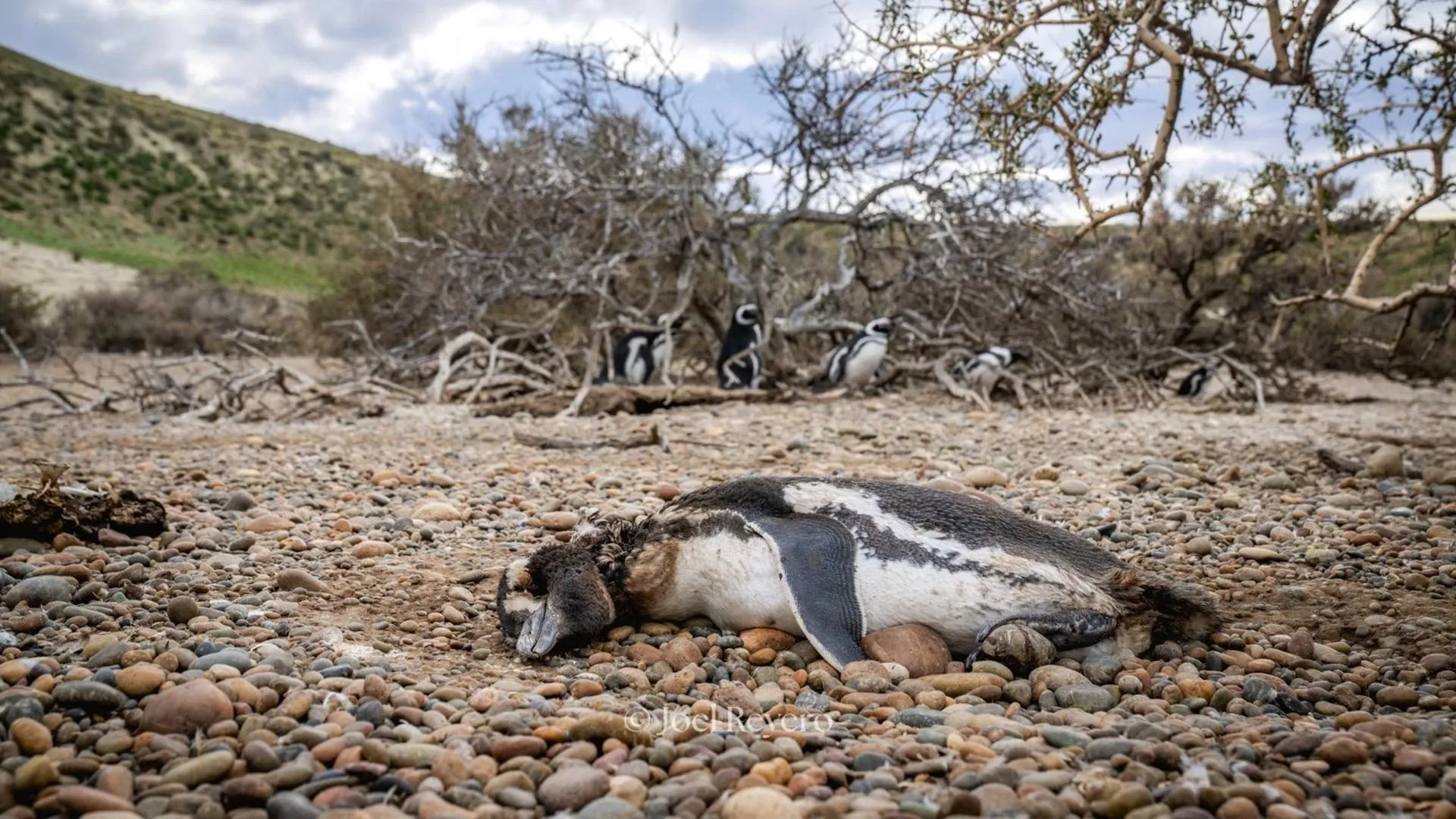
The intricate dynamics unfolding within Monte Leon National Park serve as a compelling case study in the complexities of ecological restoration, particularly in environments grappling with the long-term consequences of human alteration and the accelerating pace of global change. The park, a jewel of Argentina’s coastal Patagonia, is witnessing a poignant clash between two of its most charismatic inhabitants: the resurgent puma and the vulnerable Magellanic penguin. This emerging conflict underscores the profound challenges inherent in rewilding initiatives and the delicate balance required to manage ecosystems that are simultaneously healing and adapting.
A Patagonian Sanctuary: The Genesis of Monte Leon National Park
Monte Leon National Park, established in 2004, represents a significant triumph in Argentine conservation. Located approximately 50 kilometers north of Comandante Luis Piedrabuena in Santa Cruz Province, it encompasses a diverse coastal and marine ecosystem stretching over 62,000 hectares. Its creation was pivotal in protecting a unique blend of Patagonian steppe, towering cliffs, sandy beaches, and a vibrant marine environment, including kelp forests and offshore islands. Before its designation as a national park, much of the mainland area was privately owned and utilized for extensive sheep and cattle ranching for over a century, a common land use pattern across much of Patagonia. This intensive agricultural activity profoundly reshaped the landscape, leading to habitat degradation, soil erosion, and, critically, the suppression or extirpation of native large predators, most notably the puma.
The vision behind Monte Leon’s establishment was to reverse these historical impacts and allow the ecosystem to recover its natural processes. This included the gradual restoration of native flora and fauna, and, crucially, the return of apex predators to their rightful place in the food web. The park is a vital habitat for a myriad of species, from guanacos and rheas in the steppe to a rich array of seabirds and marine mammals along its coast, including South American sea lions, southern right whales, and, central to this narrative, vast colonies of Magellanic penguins.
The Return of the Apex Predator: Pumas Reclaim Their Ancestral Lands
The cessation of widespread cattle ranching across southern Argentina, particularly following economic shifts in the late 20th century around 1990, inadvertently initiated a remarkable process of natural rewilding. With human pressures receding and direct persecution of large carnivores diminishing, pumas (scientific name: Puma concolor), also known as cougars or mountain lions, began a gradual but determined recolonization of their historic range. These adaptable felines, once widespread across the Americas, had been driven to local extinction or significantly reduced in numbers in many areas due to hunting, habitat loss, and conflict with livestock.
The return of pumas to the Patagonian coast marked a significant ecological milestone. As apex predators, pumas play a crucial role in maintaining ecosystem health by regulating herbivore populations, thereby preventing overgrazing and promoting biodiversity. Their presence signifies a step towards a more complete and functional ecosystem. However, this natural recolonization also brought with it unforeseen consequences, particularly as these recovering carnivores encountered prey species that had evolved in their absence, leading to novel ecological interactions.
Magellanic Penguins: A Coastal Migration and a New Vulnerability
Magellanic penguins (Spheniscus magellanicus) are a distinctive species, identifiable by their two black bands across the chest. They are migratory seabirds, undertaking extensive journeys annually between their breeding grounds along the coasts of Argentina and Chile and their feeding grounds further north, often reaching Brazil. The Patagonian coast, with its abundant fish stocks and suitable nesting habitats, hosts some of the largest colonies of this species globally. Monte Leon National Park, in particular, supports a significant breeding population, making it a critical site for their conservation.
Historically, Magellanic penguins nested predominantly on offshore islands, a strategy that offered protection from terrestrial predators. However, with the widespread eradication of large land carnivores from the mainland due to ranching activities, and possibly driven by increasing competition or pressure on offshore nesting sites, many penguin colonies began a gradual shift to mainland coastal areas. This move offered advantages such as easier access to nesting sites and potentially reduced travel distances for foraging parents. In the absence of pumas and other large land predators, the mainland coastal areas appeared to be safe havens, and the penguins, lacking inherent defenses against such large carnivores, thrived. This adaptation, however, rendered them acutely vulnerable when pumas eventually returned.
A Novel Interaction: The Puma-Penguin Predation Dilemma
The convergence of these two ecological narratives—the returning puma and the mainland-nesting penguin—set the stage for an unprecedented conservation dilemma. For the first time in modern history, large populations of Magellanic penguins found themselves sharing territory with a formidable land predator against which they had no evolved defenses. Their waddling gait on land, designed for navigating rocky terrain rather than evading swift predators, made them easy targets. The initial observations of puma attacks on penguins raised immediate concerns among park authorities and researchers, but the extent and long-term implications of this new interaction remained largely unknown until recent comprehensive studies.
Long-Term Monitoring and International Collaboration Uncover the Scale of Predation
Recognizing the emerging ecological challenge, dedicated monitoring efforts were initiated shortly after the park’s establishment. Since 2004, penguin colonies within Monte Leon National Park have been under close surveillance by researchers from the Centro de Investigaciones de Puerto Deseado of the Universidad Nacional de la Patagonia Austral, working in tandem with the vigilant rangers of Monte Leon National Park. This sustained, on-the-ground observation formed the bedrock of the subsequent research.
Over a crucial four-year period, from 2007 to 2010, researchers meticulously documented penguin carcasses showing clear signs of puma predation. This involved systematic surveys of nesting areas, identifying and cataloging every deceased penguin and noting the cause of death where discernible. The sheer volume of data collected over these years provided an unprecedented insight into the scale of the interaction.
For the latest and most comprehensive study, the Argentine team forged a vital partnership with researchers from Oxford University’s Wildlife Conservation Research Unit (WildCRU). This collaboration brought together local ecological expertise with advanced analytical capabilities, allowing for a rigorous assessment of the accumulated data and a sophisticated modeling of the long-term implications for the penguin colony. The synergy between these institutions was critical in transforming raw field data into actionable scientific insights.
Thousands of Penguins Killed: The Phenomenon of Surplus Killing
The analysis of the extensive carcass count data yielded a startling revelation: researchers estimated that more than 7,000 adult Magellanic penguins were killed by pumas during the four-year study period. This figure represents a significant impact on the local population, accounting for approximately 7.6% of the adult population, estimated at around 93,000 individuals within the study area during that time.
What was particularly striking about these findings was that many of the birds were only partially eaten or, in numerous instances, not eaten at all. This observation provided a crucial clue into the nature of the predation. Lead author Melisa Lera, a postgraduate student at WildCRU, Oxford University, articulated the gravity of the situation: "The number of carcasses showing signs of predation we found in the colony is overwhelming, and the fact that they were left uneaten means pumas were killing more penguins than they required for food. This is consistent with what ecologists describe as ‘surplus killing’."
Surplus killing, also known as "overkill" or "hedging against future food scarcity," is an ecologically recognized behavior where predators kill more prey than they can immediately consume. This phenomenon is often observed when prey is exceptionally abundant, highly vulnerable, or easily captured, reducing the energetic cost of hunting. Lera drew a parallel to domestic cats, noting, "It is comparable to what is seen in domestic cats when prey are abundant and/or vulnerable: ease of capture can lead to cats hunting more birds, even when they do not end up actually eating them. We needed to understand if the penguin colony’s persistence could be threatened due to this behavior." The implication was clear: the pumas were exploiting a readily available, defenseless food source, and the ecological consequences of this novel behavior needed urgent assessment.
Population Models: Beyond Predation, Broader Threats Emerge
To ascertain the long-term impact of puma predation, the research team employed sophisticated population models, a crucial tool in conservation biology. These models integrate various demographic parameters—birth rates, death rates, migration, and age structure—to project future population trends under different scenarios. When applied to the Monte Leon penguin data, the results offered a nuanced perspective.
The models revealed that, despite the substantial number of penguins killed by pumas, predation alone was unlikely to drive the Monte Leon penguin colony to extinction. While undeniably a significant mortality factor, the models pointed to other demographic variables as far more influential in determining the colony’s long-term viability. Specifically, the success of breeding efforts (the number of chicks successfully fledged per pair) and the survival rates of juvenile penguins (the proportion of young birds that survive to reach adulthood) emerged as critically important determinants of population stability.
Extinction was projected only in highly hypothetical and extreme scenarios, such as those where juvenile survival plummeted to very low levels, with approximately 20% failing to reach adulthood, combined with severely compromised reproductive success, limited to a maximum of one chick per breeding pair. In these dire hypothetical conditions, high levels of puma predation did indeed exacerbate the situation, accelerating decline. However, they were not identified as the primary, standalone cause of potential extinction.
Study co-author Dr. Jorgelina Marino (WildCRU, Oxford University) encapsulated the significance of these findings: "This study captures an emerging conservation challenge, where recovering carnivores are encountering novel prey. Understanding how these dietary shifts affect both predators and prey is essential to inform conservation." Her statement underscores the broader implications of the Monte Leon case, extending beyond the specific species involved to encompass a global trend of ecosystem recovery leading to unexpected interactions.
Climate Change and Broader Environmental Pressures: The Overarching Threats
The critical role of breeding success and juvenile mortality highlighted by the population models underscores the profound influence of broader environmental conditions on the penguin colony’s future. The researchers emphasized the urgent need to understand how factors such as nutrient availability in the ocean, the stability of the food supply (primarily anchovies and other small fish), and ocean temperature fluctuations—all known to be significantly influenced by climate change—will shape the colony’s fate.
Magellanic penguins are particularly susceptible to changes in marine ecosystems. Shifts in ocean currents, warming waters, and ocean acidification can disrupt the food web, leading to reduced availability of their prey fish. This directly impacts their ability to provision chicks, resulting in lower breeding success and increased juvenile mortality due to starvation or weakened immunity. Moreover, extreme weather events, such as intense storms or heatwaves, exacerbated by climate change, can directly impact nesting sites and chick survival. The Monte Leon study thus pivots the focus from a purely local predator-prey dynamic to the overarching, systemic threats posed by a rapidly changing global climate, which ultimately represents a far greater existential challenge for the species. The puma predation, while significant locally, is seen as a compounding stressor rather than the primary driver of potential long-term decline when viewed against the backdrop of climate change.
Global Parallels: Emerging Challenges in Recovering Ecosystems
The conservation challenge at Monte Leon is not an isolated incident; it mirrors similar situations emerging globally as ecosystems recover and land predators move into coastal environments that previously offered safe havens for seabirds and other coastal species. The historical suppression of large carnivores often led to ecological imbalances, and their return, while largely positive for ecosystem health, can create unforeseen conflicts.
For instance, in the southeastern United States, non-native feral hogs (Sus scrofa) have become major predators of loggerhead sea turtle (Caretta caretta) eggs along the Georgia coast. These opportunistic omnivores, with no natural predators in many areas, can decimate nests, posing a significant threat to the recovery of this endangered turtle species. Similarly, coyotes (Canis latrans) in eastern North America, having expanded their range significantly in recent decades, are increasingly colonizing coastal barrier islands. These islands, once refuges for nesting birds and other sensitive species, are now experiencing altered predator-prey dynamics, with coyotes preying on seabirds, shorebirds, and sea turtle hatchlings.
These examples, much like the Monte Leon case, highlight a recurring theme: the complex, often unpredictable consequences of ecosystem recovery and rewilding, especially when human activity has profoundly altered the baseline conditions. They underscore the need for adaptive management strategies that can anticipate and respond to these novel interactions, ensuring that the return of one species does not inadvertently jeopardize another.
The Imperative of Continued Monitoring and Adaptive Management
In light of the complex interplay of factors affecting the Monte Leon penguin colony, the authors of the study stress that ongoing, long-term monitoring is absolutely essential. This continued vigilance is crucial to detect early signs of population decline, to track changes in puma behavior, and to understand the evolving impacts of environmental stressors. Without robust, continuous data collection, management decisions risk being reactive and potentially ineffective.
At Monte Leon National Park, authorities, informed by scientific research, remain committed to closely tracking both puma and penguin populations. This includes not only direct observations and carcass counts but also potentially employing advanced techniques such as GPS tracking of pumas to understand their movement patterns and foraging ecology, and detailed surveys of penguin breeding success and juvenile survival rates.
The data gathered will be instrumental in guiding adaptive management decisions. These decisions could range from non-intervention, if the population models continue to show resilience, to exploring potential interventions if conditions worsen. Any intervention would require careful consideration and a comprehensive understanding of the broader ecosystem. Potential strategies could include habitat enhancements to improve penguin breeding success, localized deterrents to reduce puma access to particularly vulnerable nesting areas, or even, in extreme hypothetical scenarios, carefully managed interventions to influence puma distribution or behavior. However, the current consensus, supported by the population models, emphasizes understanding and mitigating the broader environmental threats, particularly those related to climate change, which pose a more fundamental risk to the penguins.
The Monte Leon National Park case stands as a powerful illustration of the nuanced challenges facing conservation in the Anthropocene. It is a testament to the resilience of nature, as apex predators reclaim their territories, but also a stark reminder that ecological recovery is rarely a simple return to a pristine past. Instead, it is a dynamic, often unpredictable process that demands continuous scientific inquiry, collaborative effort, and flexible, data-driven conservation strategies to navigate the intricate consequences of a recovering yet rapidly changing world.