
In the complex landscape where agriculture meets environmental stewardship, a compelling narrative is emerging from the heartland, championing the indispensable role of working lands in preserving America’s imperiled grasslands and the myriad species that depend on them. At the forefront of this movement is Dave Haubein, a Missouri rancher whose philosophy transcends traditional agricultural paradigms. "I don’t start by telling people I’m in the cattle business. I tell people I’m in the conservation business," Haubein asserts, encapsulating a perspective that is increasingly gaining traction in policy circles. For Haubein, cattle are not merely livestock but "the key cog in how I manage my grasslands," a critical tool in an ecological strategy aimed at restoring biodiversity and soil health. This innovative approach, certified by the National Audubon Society, recently brought Haubein to Washington, D.C., where he joined a diverse coalition to advocate for robust conservation provisions in the upcoming Farm Bill, illustrating how agriculture and environmental goals can converge for mutual benefit.
The Urgent Call for Grassland Conservation: A Disappearing Ecosystem
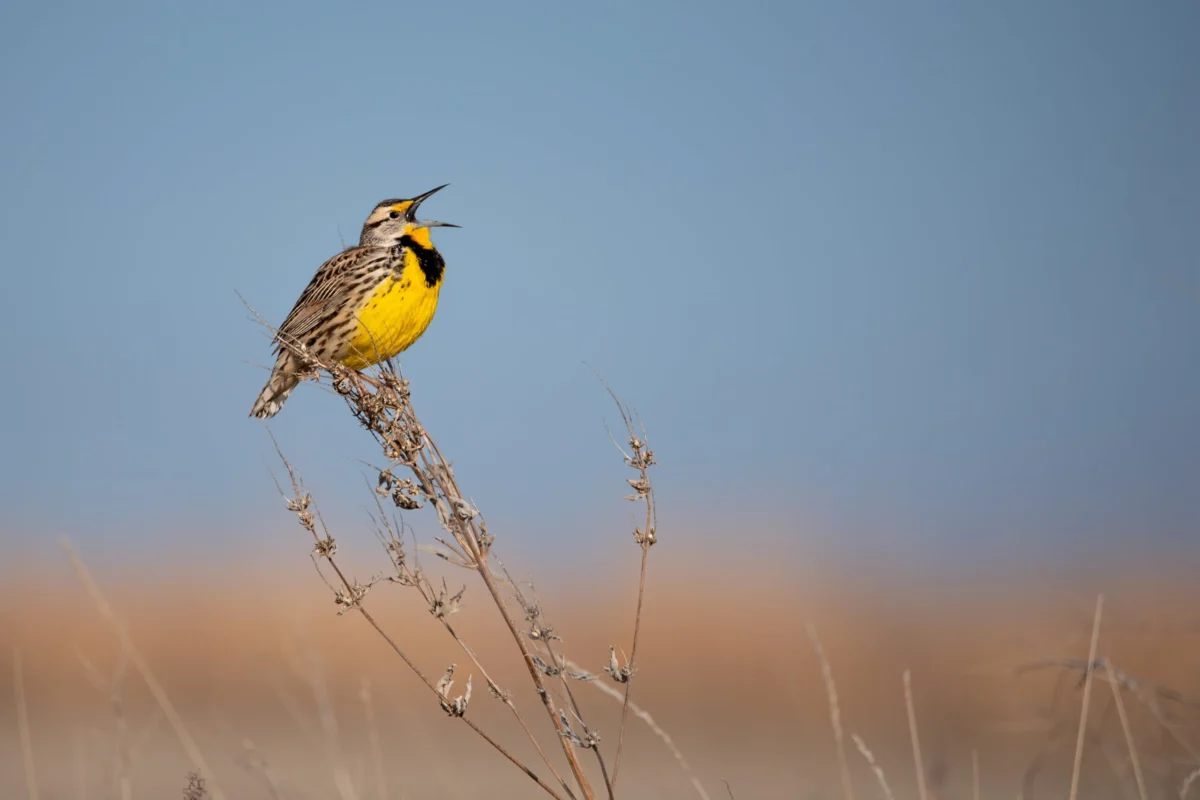
North America’s grasslands, once vast and teeming with life, represent one of the continent’s most endangered ecosystems. Decades of conversion to cropland, urban sprawl, and altered fire regimes have led to a catastrophic decline, with estimates suggesting that over half of these crucial habitats have been lost. This ecological devastation has profound implications for a wide array of wildlife, particularly grassland birds. Species like the Eastern Meadowlark, whose distinctive song is a hallmark of open prairies, along with Greater Prairie-Chickens, Grasshopper Sparrows, and Henslow’s Sparrows, have experienced precipitous population declines, with some studies indicating a loss of over 53% of grassland bird populations since 1970. The vibrant ecosystems that once supported these species are now fragmented and degraded, pushing many to the brink.
Recognizing this urgent crisis, conservation organizations like Audubon have developed innovative programs to address habitat loss directly on working lands. The Audubon Conservation Ranching program stands as a beacon of this integrated approach. Launched to create a market-based solution for grassland conservation, the program certifies beef products raised on lands managed with bird-friendly practices. These practices, developed in collaboration with ranchers and conservation scientists, focus on enhancing habitat quality, promoting biodiversity, and improving soil health. By connecting consumers directly to conservation efforts through the beef they purchase, the program offers an economic incentive for ranchers to adopt sustainable land management.
Dave Haubein: A Pioneer in Bird-Friendly Ranching
Dave Haubein’s Round Rock Ranch in Missouri holds a distinguished place in this movement as the first property in the nation to be certified through Audubon’s Conservation Ranching program. His journey is one of deep commitment to the land and a profound understanding of ecological principles. Haubein’s philosophy that "cattle ranching, when done properly, can play a vital role in sustaining and restoring our grassland ecosystems" is not just rhetoric; it is a lived practice. His ranch serves as a living laboratory where rotational grazing, strategic rest periods, and native plant restoration work in concert to create a mosaic of habitats beneficial for ground-nesting birds and other wildlife.
The Audubon Conservation Ranching certification process is rigorous, requiring participating ranchers to adhere to a comprehensive set of bird-friendly land management protocols. These protocols cover aspects such as grazing density, timing of grazing, prescribed burning, invasive species control, and riparian area management. The goal is to mimic the historical grazing patterns of native herbivores like bison, which naturally shaped grassland ecosystems for millennia. Haubein’s success at Round Rock Ranch provides a tangible model for how profitable ranching can coexist with, and even enhance, critical conservation outcomes. His infectious enthusiasm and ability to articulate the complex interplay between cattle, grass, and birds have made him an ideal ambassador for the program, capable of engaging diverse audiences, from fellow ranchers to policymakers.
Advocacy in Washington: A United Front for the Farm Bill
Late last month, Haubein brought his powerful message directly to the nation’s capital, joining Audubon staff and a formidable coalition of over 40 partners from across the U.S. for a three-day advocacy blitz. This significant event was orchestrated by the Migratory Bird Joint Ventures (MBJVs), a consortium of regional partnerships dedicated to conserving habitat for birds, other wildlife, and people. The mission was clear: to engage Congressional delegations and key agency officials, reinforcing the critical importance of investing in conservation and policies that directly benefit birds, most notably through the reauthorization of the Farm Bill.
The timing of this advocacy push is particularly critical. Eight years have passed since the last comprehensive Farm Bill was reauthorized, creating an urgent need for updated legislation that reflects current environmental challenges and agricultural innovations. The Farm Bill, typically renewed every five years, is an omnibus legislative package that authorizes hundreds of billions of dollars in federal spending on agricultural and food programs. Its conservation title is a cornerstone of rural land stewardship, funding voluntary programs that help farmers and ranchers implement environmentally beneficial practices. Audubon, in collaboration with its partners, is leading a renewed effort to ensure the next iteration of the Farm Bill substantially improves the role of conservation grazing within these programs, leveraging the power of working lands for ecological restoration.
The Farm Bill: A Linchpin for Rural Conservation
The Farm Bill’s profound impact on American landscapes cannot be overstated. From commodity support and crop insurance to food assistance and rural development, its provisions touch nearly every aspect of the nation’s agricultural and food systems. Crucially for conservation, the Farm Bill’s conservation title allocates billions of dollars to programs like the Conservation Reserve Program (CRP), Environmental Quality Incentives Program (EQIP), Conservation Stewardship Program (CSP), and Agricultural Conservation Easement Program (ACEP). These programs offer financial and technical assistance to landowners who voluntarily implement practices that protect soil, water, and wildlife habitat.
Audubon’s specific legislative priorities within the Farm Bill reauthorization focus on enhancing and modernizing these conservation programs to better support grassland ecosystems. A key emphasis is on integrating active land management, particularly through conservation grazing, into program design. This approach challenges the traditional "set-aside" model of conservation, advocating instead for dynamic management that recognizes the ecological benefits of disturbance, such as grazing and prescribed fire, in maintaining healthy grasslands.
Modernizing Conservation Programs: CRP and SHIPP
Dave Haubein’s testimony in D.C. centered on two critical programs: the Conservation Reserve Program (CRP) and the Soil Health and Income Protection Program (SHIPP). The CRP, established in 1985, is one of the largest and most successful voluntary land retirement programs in the United States. It incentivizes farmers to remove environmentally sensitive land from agricultural production and plant species that improve environmental health and quality, often through perennial grasses, trees, or wildlife habitat. While CRP has been instrumental in reducing soil erosion and creating wildlife habitat, Haubein argues that its current structure, often focused on passive land retirement, could be enhanced.
Haubein is a firm believer in the program’s potential but advocates for an evolution towards a more "working-lands" approach. "In some ways, we’re falling short as land managers if we don’t graze it," he stated. "That’s the way nature designed it. We’re not maximizing our wildlife benefits when we don’t actively manage grasslands." He passionately articulated that adding flexibility for wildlife-friendly grazing within CRP would not only make the program more attractive to a wider range of landowners but also improve its ecological outcomes. Grazing, when managed properly, mimics the historical role of large herbivores in grassland ecosystems, preventing woody encroachment, stimulating plant growth, and facilitating nutrient cycling—all vital for diverse and resilient habitats. Increased grazing flexibility would ensure these lands can be actively managed in ways that benefit both habitat and agricultural producers, turning passive conservation into dynamic restoration.
Another priority Haubein helped pitch is the modernization of the Soil Health and Income Protection Program (SHIPP). SHIPP, a pilot program designed to encourage short-term land retirement for soil health and water quality benefits, holds significant promise. Audubon and its partners advocate for strengthening SHIPP to help farmers and ranchers transition marginal cropland, often low-yielding and environmentally sensitive, back into diverse wildlife habitat that can also serve as high-value forage. This dual benefit—environmental restoration and economic utility—is central to the vision of integrated conservation and agriculture. By offering flexible, short-term contracts, SHIPP could become a powerful tool for restoring ecological function to landscapes that are currently underperforming both agriculturally and environmentally.
Shifting Tides: Public Perception and Policy Evolution
At 73, Dave Haubein has witnessed firsthand the dramatic shifts in public conversation surrounding cattle grazing and the environment. His observation is one of profound encouragement. "Folks are starting to realize that grazing animals may be the salvation for our remaining grasslands," he noted. This sentiment reflects a growing recognition within scientific, agricultural, and policy communities that well-managed grazing is not merely compatible with conservation but can be an essential component of it. The traditional narrative that often pitted ranching against environmentalism is giving way to a more nuanced understanding.
The concept of "from cow pies to carbon" encapsulates this evolving perspective. Legislators and the public are increasingly understanding how grazing animals contribute to multifaceted environmental benefits:
- Soil Health: Grazing stimulates root growth, increases organic matter, and enhances microbial activity, leading to improved soil structure and fertility.
- Carbon Sequestration: Healthy grasslands with deep root systems are powerful carbon sinks, drawing atmospheric carbon dioxide into the soil, playing a crucial role in climate change mitigation.
- Water Infiltration: Improved soil health enhances water absorption, reducing runoff and erosion, and recharging groundwater.
- Biodiversity: Rotational grazing creates varied vegetation structures, providing diverse habitats for birds, insects, and other wildlife.
- Fire Management: Grazing reduces fuel loads, mitigating the risk and intensity of wildfires.
This paradigm shift underscores the potential for regenerative ranching practices, like those employed by Haubein, to deliver significant ecological dividends while supporting rural economies.
The Next Frontier: Nutrient Density and Human Health
Beyond advocating for policy changes, Haubein is also at the cutting edge of a burgeoning field linking grassland health, animal nutrition, and human well-being. During his intensive advocacy efforts on Capitol Hill – logging over 12,000 daily steps migrating between legislative offices – Haubein teased what he believes is the next frontier in promoting the value of diverse, high-quality, well-managed grasslands: nutrient density.
Haubein and other regenerative ranchers participating in the Audubon Conservation Ranching program are collaborating with researchers at Utah State University and the Bionutrient Food Association (now the Bionutrient Institute). This groundbreaking research aims to build a definitive understanding of how raising cattle on native forage—a rich mix of grasses, legumes, and wildflowers—influences beef nutrient composition. The hypothesis is that beef from animals grazing on diverse, healthy native grasslands will be significantly more nutrient-dense than beef from animals raised in conventional systems.
"I’m blown away by how nutrient-dense these animals are coming off my native grasslands," Haubein shared. The implications of establishing a definitive scientific case for this link are profound. It could lead to increased consumer demand for "grass-fed" and "bird-friendly" beef, creating new market incentives for ranchers to adopt conservation practices. More importantly, it could translate into further policy efforts geared toward supporting grasslands and good grazing management, ultimately benefiting birds, the environment, and potentially human health. This convergence of ecological health, agricultural practice, and human nutrition offers a powerful new dimension to the conservation narrative.
Implications and The Path Forward
The efforts of individuals like Dave Haubein, supported by organizations like Audubon and the Migratory Bird Joint Ventures, represent a pivotal moment for conservation in America. By bringing the authentic voices and practical experiences of ranchers directly to Washington, D.C., these advocates help policymakers see firsthand how conservation and agriculture are not competing interests but synergistic forces. When properly aligned, they can work hand-in-hand to achieve common goals: thriving rural economies, healthy ecosystems, and robust wildlife populations.
The reauthorization of the Farm Bill presents a critical opportunity to embed these integrated solutions into national policy. By modernizing programs like CRP and SHIPP to embrace active, wildlife-friendly grazing, the U.S. can incentivize millions of acres of working lands to become bastions of biodiversity and ecological resilience. The benefits are far-reaching:
- For Ranchers: Increased flexibility in land management, diversified income streams, improved forage quality, and enhanced market opportunities for sustainably raised products.
- For Birds and Wildlife: Expanded and improved habitat, contributing to the recovery of declining grassland species.
- For the Environment: Enhanced soil health, increased carbon sequestration, improved water quality, and greater ecosystem resilience in the face of climate change.
- For Consumers: Access to potentially more nutrient-dense beef and the ability to support conservation through their purchasing decisions.
The journey ahead for the Farm Bill reauthorization will be complex, involving numerous stakeholders and competing priorities. However, the compelling case made by Dave Haubein and his fellow advocates offers a clear vision: a future where the rumble of cattle across a healthy prairie is not a sign of environmental degradation, but a symphony of sustainable management, echoing the calls of Eastern Meadowlarks and the promise of a revitalized landscape. Their work underscores that true conservation often flourishes at the intersection of human endeavor and ecological wisdom, transforming challenges into opportunities for a more sustainable and biodiverse future.