
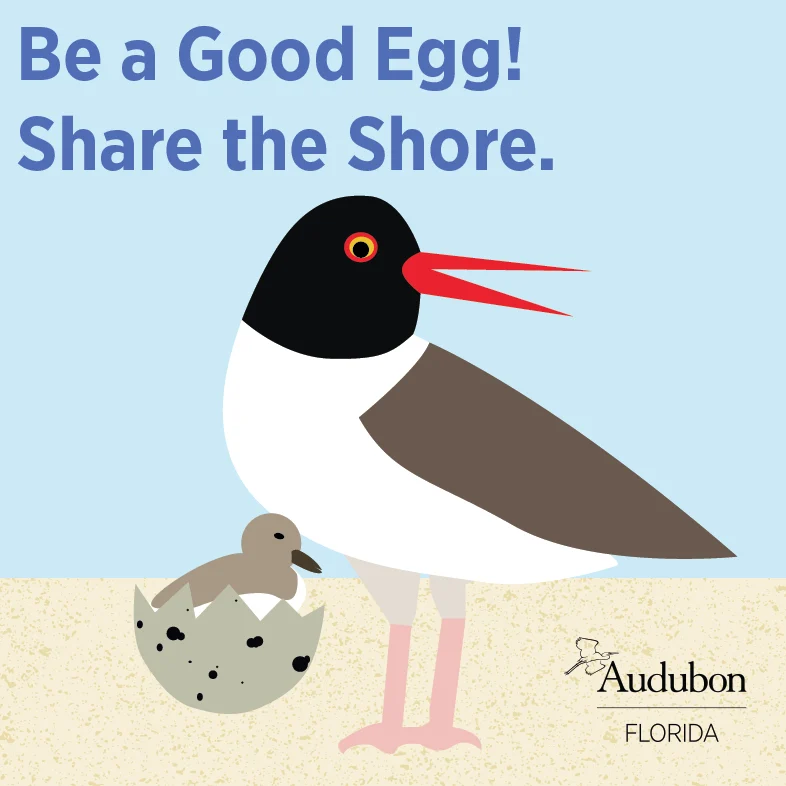
As the warmth of spring ushers in a new season across Florida, the state’s pristine beaches transform into vital nurseries for a diverse array of shorebird and seabird species. This annual phenomenon, commencing as early as March 1 in the Tampa Bay area and extending through the critical months of April and May, marks the beginning of the nesting cycle for many iconic avian residents and visitors. These birds, intrinsically linked to Florida’s coastal ecosystems, lay their highly camouflaged eggs directly on the sand, embarking on the arduous task of incubation and chick-rearing in an environment increasingly shared with human recreation. Collaborative efforts between conservation organizations, state agencies, and the public are paramount to ensuring these vulnerable populations can successfully fledge their young amidst growing ecological pressures and human activity.
The Critical Nesting Season Unfolds: A Chronology of Life on the Sand
The annual nesting season for Florida’s beach-dwelling birds is a finely tuned chronological dance dictated by environmental cues and species-specific behaviors. From late winter into early spring, the initial wave of nesters begins to establish territories and prepare for reproduction.
Early March: The Pioneers of Spring
Beginning around March 1, species such as the American Oystercatcher (Haematopus palliatus), Wilson’s Plover (Charadrius wilsonia), and Snowy Plover (Charadrius nivosus) initiate their nesting activities. These early arrivals are often among the first to select nesting sites on wide, open sandy beaches, sometimes near shell rakes or wrack lines, which provide subtle cover for their eggs. American Oystercatchers, with their distinctive red-orange bills, create shallow scrapes in the sand, often lining them with shell fragments. Wilson’s Plovers, slightly larger than their Snowy counterparts, are masters of camouflage, their mottled plumage blending seamlessly with the sand and shells. The Snowy Plover, a smaller and more delicate species, typically lays its eggs in depressions in the sand or among sparse vegetation on the upper beach. The incubation period for these species typically ranges from 24 to 30 days, during which both parents often share duties.
April and May: The Main Wave of Arrivals
As spring progresses into April and May, the coastal landscape welcomes additional species, including the Least Tern (Sternula antillarum) and the Black Skimmer (Rynchops niger). These species often form colonies, providing a collective defense against predators. Least Terns, the smallest tern species in North America, are agile flyers that nest in dense groups, creating scrapes on open sand or shell hash. Their eggs, also exquisitely camouflaged, are vulnerable to disturbance. Black Skimmers, easily identifiable by their unique razor-thin, elongated lower mandible, nest in similar open beach environments. Their nesting colonies can be quite large, with dozens or even hundreds of pairs incubating eggs simultaneously. The courtship rituals for these later arrivals are intricate, involving aerial displays and elaborate calls, all preceding the selection of a suitable nesting site—a decision critical for the survival of their offspring. Incubation for terns and skimmers can last between 20 to 28 days, followed by a fledging period of several weeks where chicks learn to fly and forage.
The entire nesting cycle, from courtship to fledging, can span several months for many species, extending well into late summer. Throughout this period, the vulnerability of eggs and flightless chicks to human disturbance, predation, and environmental factors remains extremely high.
The Fragile Ecosystem of Florida’s Beaches: Background and Threats
Florida’s extensive coastline, characterized by its diverse barrier islands, estuaries, and sandy beaches, represents a globally significant habitat for both resident and migratory shorebirds and seabirds. These coastal environments provide essential foraging grounds, roosting sites, and, critically, nesting areas. The ecological role of these birds is multifaceted; they are integral components of the food web, serving as both predators of small invertebrates and fish, and as prey for larger species. Their presence and reproductive success are often considered indicators of the overall health of coastal ecosystems.
However, the very attractiveness of Florida’s beaches to humans presents an escalating challenge to these avian populations. Rapid coastal development, intensified recreational use, and the cumulative impacts of climate change are exerting immense pressure on nesting success.
Key Threats:
- Habitat Loss and Degradation: Coastal development encroaches upon traditional nesting grounds, reducing the available space for birds. Artificial lighting from beachfront properties can disorient nocturnal migrants and newly hatched chicks.
- Human Disturbance: Unleashed pets, recreational vehicles, kites, drones, and even seemingly benign activities like walking too close to nesting areas can cause adult birds to flush from their nests, leaving eggs and chicks exposed to extreme heat, cold, or predators. Repeated disturbances can lead to nest abandonment.
- Predation: While natural predators like raccoons, coyotes, and various avian raptors are part of the ecosystem, human activities can inadvertently exacerbate predation rates by providing food sources (e.g., trash) that attract predators to nesting areas.
- Climate Change Impacts: Rising sea levels contribute to beach erosion and inundate low-lying nesting sites. Increased frequency and intensity of tropical storms and hurricanes can wipe out entire colonies in a single event. Altered weather patterns can also affect food availability.
- Pollution: Oil spills, plastic debris, and chemical runoff can directly harm birds, contaminate their food sources, and degrade habitat quality.
- Red Tide Events: Periodic red tide blooms, particularly prevalent on Florida’s Gulf Coast, can devastate food sources for many shorebirds, leading to starvation or reproductive failure.
The cumulative effect of these threats has led to significant population declines for several species, prompting their listing as state-threatened or species of special concern by the Florida Fish and Wildlife Conservation Commission (FWC). For example, the Snowy Plover is listed as a state-threatened species, and the Least Tern is designated as a species of special concern, highlighting their precarious conservation status.
Species Spotlight: Vulnerable Beach-Nesters and Their Unique Challenges
Understanding the specific habits and vulnerabilities of Florida’s beach-nesting birds is crucial for effective conservation. Each species faces distinct challenges alongside common threats.
American Oystercatcher: These striking birds are relatively long-lived, but their reproductive success is often low. They typically lay 2-4 eggs in a shallow scrape, often near the high tide line, making them highly susceptible to tidal inundation and human disturbance. Their diet of bivalves makes them vulnerable to habitat degradation in intertidal zones.
Wilson’s Plover: Known for their excellent camouflage, Wilson’s Plovers lay 2-3 eggs directly on the open sand. Their nests are incredibly difficult to spot, making them particularly vulnerable to accidental trampling by beachgoers. They rely on undisturbed open beaches, which are becoming increasingly scarce.
Snowy Plover: As a state-threatened species, the Snowy Plover is of particular conservation concern. These small plovers lay 2-3 eggs in shallow scrapes, often in sparsely vegetated areas of the upper beach or foredunes. Their small size and cryptic coloration make them hard to see, and they are highly sensitive to human disturbance, often abandoning nests if approached too closely.
Least Tern: The smallest North American tern, Least Terns are colonial nesters, often forming large groups on open, flat sandy areas. They lay 1-3 eggs in shallow depressions. While colonial nesting offers some protection from predators through sheer numbers, it also means that a single disturbance event or storm can devastate an entire colony. Their nests are particularly vulnerable to vehicle traffic on beaches.
Black Skimmer: These unique seabirds are also colonial nesters, laying 2-5 eggs in shallow scrapes on open beaches or shell rakes. Their colonies can be quite dense, and the adults are fiercely protective, dive-bombing potential threats. However, their reliance on large, undisturbed open areas for nesting puts them in direct conflict with human recreational use of beaches. Chicks are especially vulnerable as they are flightless for several weeks after hatching.
The Imperative for Public Stewardship: Actionable Steps and Supporting Data
The success of the nesting season hinges significantly on public awareness and responsible behavior. Conservation organizations like Audubon Florida, in partnership with FWC and local governments, implement robust stewardship programs to mitigate human impacts.
How You Can Help:
- Give Them Space: The most fundamental action is to maintain a respectful distance from all shorebirds, especially during nesting season. Walk around large flocks of birds, rather than through them. A general guideline is to keep at least 100 feet (about 30 meters) away. If birds are exhibiting alarm calls, head-bobbing, or flying off, it means you are too close.
- Respect Posted Areas: Many critical nesting sites are identified and roped off with signs by wildlife managers and volunteers. These "posted areas" are vital sanctuaries. Always obey all signage and stay out of these clearly marked zones. Entering them can directly lead to nest failure or the crushing of camouflaged eggs and chicks.
- Leash Your Pets: Dogs, even well-behaved ones, can be perceived as predators by nesting birds, causing them to flush from their nests. Keep dogs on a leash and away from nesting areas. Many beaches have specific rules regarding pets during nesting season.
- Dispose of Trash Properly: Litter can attract predators like raccoons and gulls to nesting sites. Always pack out everything you pack in.
- Avoid Using Drones Near Birds: Drones can be highly disruptive to nesting birds, causing stress and potentially leading to nest abandonment. Maintain a significant distance from bird colonies when operating drones.
- Become a Bird Steward: Organizations like Audubon Florida rely heavily on volunteers to monitor nesting sites, educate the public, and report disturbances. These "bird stewards" play a crucial role in the on-the-ground protection of these vulnerable species. Volunteering is a tangible way to contribute directly to conservation efforts.
Supporting Data and Impact:
Studies have repeatedly shown a direct correlation between human disturbance and nesting success rates. In undisturbed areas, nesting success can be significantly higher compared to areas with high human traffic. For instance, data from various Florida coastal counties has indicated that nests within protected, monitored zones often have double or triple the fledging success compared to unprotected nests. The camouflage of eggs and chicks, while an evolutionary advantage against natural predators, renders them virtually invisible to human eyes. A single misstep can crush an entire clutch of eggs, representing weeks of effort by the parent birds.
Audubon Florida’s coastal team reports that in previous nesting seasons, volunteer stewards have successfully protected thousands of nests across the state, resulting in the fledging of countless chicks. These efforts are not just about individual nests; they contribute to the long-term viability of entire populations, preventing further declines and supporting ecological balance.
Voices from the Front Lines of Conservation
The call for shared responsibility resonates strongly among conservation leaders and state officials.
"Working together, we can safeguard a successful breeding season for beach-nesting birds," stated a representative from Audubon Florida, emphasizing the organization’s core message. "Our coastal team is excited for the upcoming nesting season and is prepared to deploy our dedicated volunteers. But our efforts are exponentially more effective when the public actively participates by simply giving birds the space they need." The representative further highlighted the critical role of volunteers, stating, "Bird stewards are the eyes and ears on the ground, providing invaluable data and serving as vital educators for beach visitors. Their commitment is the backbone of our conservation strategy."
Officials from the Florida Fish and Wildlife Conservation Commission (FWC) frequently remind the public of the legal protections afforded to these species. "Florida’s beach-nesting birds, including plovers, terns, and skimmers, are protected under state and federal laws, including the Migratory Bird Treaty Act," an FWC spokesperson noted. "Disturbing or harming these birds, their nests, or eggs can result in significant penalties. Our message is simple: observe from a distance, respect posted areas, and help us protect these irreplaceable natural resources for future generations." The FWC also underscores its ongoing research and monitoring programs that inform management decisions and identify critical habitats needing protection.
Local community leaders also acknowledge the balance required between tourism and conservation. "Our beaches are a major draw for residents and visitors, and we want everyone to enjoy them responsibly," commented a representative from a Tampa Bay area county commission. "By educating ourselves about our natural surroundings, particularly during nesting season, we can ensure that our beautiful coastal environment remains vibrant for both people and wildlife."
Broader Implications: Ecology, Economy, and Policy
The successful nesting of beach-nesting birds carries profound implications that extend beyond avian populations, touching upon ecological health, local economies, and future conservation policy.
Ecological Implications: A decline in beach-nesting bird populations signals broader issues within coastal ecosystems. These birds are part of complex food webs, and their disappearance can cascade through the environment, affecting prey species and predator dynamics. They also contribute to nutrient cycling and seed dispersal in dune habitats. Healthy bird populations indicate a robust and resilient coastal environment, capable of supporting a diverse array of life.
Economic Implications: Ecotourism, particularly birdwatching, is a significant economic driver in Florida. Thousands of tourists visit the state specifically to observe its rich avian diversity. The presence of thriving bird populations enhances Florida’s appeal as a nature tourism destination, supporting local businesses from hotels and restaurants to specialized tour operators. Conversely, the degradation of natural habitats and the decline of iconic species can diminish this appeal, impacting local economies.
Policy and Long-term Strategies: The ongoing challenges faced by beach-nesting birds underscore the need for adaptive and proactive conservation policies. This includes stricter enforcement of existing wildlife protection laws, strategic land acquisition for habitat preservation, and integrated coastal zone management plans that balance development with ecological needs. Policies must also address the long-term impacts of climate change, investing in coastal resilience projects such as dune restoration and living shorelines. The continued funding of research and monitoring programs is essential to inform these policies and track the effectiveness of conservation interventions. Education and public outreach remain cornerstones of any successful long-term strategy, fostering a culture of stewardship among residents and visitors alike.
Audubon Florida’s Call to Action and Ongoing Efforts
Audubon Florida’s coastal stewardship program is a cornerstone of these efforts, working tirelessly across the state to protect critical nesting habitats. The organization’s approach is multi-faceted, combining scientific research, on-the-ground protection, and community engagement. By training volunteers, deploying protective signage, and collaborating with local authorities, Audubon Florida aims to create a network of informed citizens dedicated to the welfare of beach-nesting birds. The opportunity to volunteer as a bird steward remains open, offering individuals a direct and meaningful way to contribute to these vital conservation efforts. Information on how to participate can be found on the Audubon Florida website.
In conclusion, the arrival of spring in Florida signals not only a time of renewal for nature but also a renewed call for vigilance and shared responsibility. The successful breeding season of American Oystercatchers, Wilson’s Plovers, Snowy Plovers, Least Terns, and Black Skimmers on Florida’s iconic beaches depends on a collective understanding and respect for these vulnerable creatures. By adhering to simple guidelines, supporting conservation initiatives, and actively participating in stewardship efforts, the public can play an indispensable role in safeguarding Florida’s unique coastal biodiversity for generations to come. The future of these magnificent birds, and the health of the ecosystems they inhabit, rests in our hands.