
A vital international conservation initiative is making significant strides in protecting the intricate network of habitats crucial for migratory birds along the African-Eurasian Flyway, a colossal route stretching from the Arctic to the southern tip of Africa. This ambitious project, spearheaded by BirdLife International and its UK Partner, the Royal Society for the Protection of Birds (RSPB), with crucial backing from the Ecological Restoration Fund (ERF), highlights the indispensable role of cross-border cooperation in preserving biodiversity. At the forefront of these efforts in the Middle East is Tareq Qaneer, Head of Birds’ Projects Management Unit at The Royal Society for The Conservation of Nature (RSCN), BirdLife’s Partner in Jordan, whose work in the Jordan Rift Valley exemplifies the dedication required to safeguard these global travelers.
The Intricate Web of Migratory Flyways
Migratory birds are natural architects of connectivity, linking diverse landscapes, nations, and even continents through their awe-inspiring, long-distance journeys. These epic annual migrations, often spanning thousands of kilometers, rely on specific aerial highways known as "flyways," which encompass a mosaic of breeding grounds, stopover sites, and wintering areas. The African-Eurasian Flyway is one of nine such major routes worldwide, characterized by its immense geographical scope and the sheer volume and diversity of bird species that traverse it. From delicate warblers to majestic raptors and iconic storks, millions of birds depend on the integrity of this flyway for their survival, navigating treacherous paths fraught with natural challenges and, increasingly, human-induced threats.
The conservation of these flyways is not merely an ecological imperative; it is a global responsibility. The interconnectedness of these routes means that the degradation or loss of a single critical site can have devastating ripple effects across the entire flyway, impacting bird populations thousands of kilometers away. Recognizing this profound interdependence, organizations like BirdLife International and its partners are committed to a holistic, international approach to conservation, fostering collaboration among countries that share these migratory pathways.

A Collaborative Conservation Front
The current project, supported by the Ecological Restoration Fund (ERF), embodies this spirit of international partnership. The ERF, dedicated to protecting biodiverse hotspots, rejuvenating degraded landscapes, and promoting local environmental activism, provides critical financial and strategic support to initiatives that re-establish nature’s essential interconnections while fostering cultural, social, and economic opportunities for local communities. This collaboration allows for comprehensive, on-the-ground action, combining scientific research, habitat restoration, and policy advocacy.
The RSPB, a key BirdLife Partner, brings extensive experience in bird conservation and habitat management, applying its expertise to broader international efforts. Their involvement in the African-Eurasian Flyway project underscores a commitment to protecting species far beyond the UK’s borders, acknowledging that many British bird species spend significant parts of their lives in other countries along these flyways. By working with local partners like RSCN, the project ensures that conservation strategies are culturally sensitive, ecologically appropriate, and effectively implemented by those with intimate knowledge of the local environment. This multi-organizational synergy is fundamental to addressing the complex and often localized challenges faced by migratory birds.
Jordan’s Pivotal Role in the African-Eurasian Flyway
At the heart of the African-Eurasian Flyway lies the Jordan Rift Valley, a geographical marvel that serves as one of the most important migration corridors globally. This ancient valley, a dramatic landscape of deep depressions and towering escarpments, funnels millions of birds annually, making it a critical stopover and refueling station for species journeying between their European and Asian breeding grounds and their African wintering sites. Within this corridor, the Azraq Wetland Reserve stands out as a jewel, recognized as a key Important Bird and Biodiversity Area (IBA) and a lifeline in an otherwise arid region.

Tareq Qaneer, with his profound understanding of Jordan’s avian ecosystems, elaborates on the significance of Azraq: “Azraq is a critical stopover site where migratory birds rest and refuel during their long journeys. Some species stay for the winter, while others breed within the wetland. Around 350 bird species have been recorded in the area.” This astonishing biodiversity highlights Azraq’s ecological richness. What makes Azraq truly unique, Tareq emphasizes, is its status as “the only oasis in the Arabian Desert with a self-replenishing system, which has allowed it to persist despite extremely harsh surrounding conditions.” This natural resilience, however, has been severely tested by human pressures, underscoring the urgency of conservation efforts.
On-the-Ground Conservation: RSCN’s Strategic Actions
Under the ERF project, RSCN has undertaken crucial strategic actions to bolster migratory bird conservation. Tareq Qaneer explains, “RSCN identified 11 Priority sites in Jordan and then went on to develop site profiles for the Yarmouk-Al Shuleh Area and the Highlands of Sakib and Dibeen Key Biodiversity Areas.” Key Biodiversity Areas (KBAs) are sites contributing significantly to the global persistence of biodiversity, and their identification and detailed profiling are foundational steps in effective conservation. These site profiles, meticulously compiled with accurate and up-to-date information, serve as powerful tools for attracting funding and support. By providing prospective donors with clear, standardized data, RSCN can rapidly respond to funding opportunities, securing the necessary resources for conservation action in these critical areas. This proactive approach ensures that vital habitats receive the attention and investment they desperately need.
Navigating the Challenges: Water Scarcity and Electrocution
Despite the dedication of conservationists, the challenges facing migratory birds and their habitats are formidable. In Jordan, a nation grappling with extreme aridity, water scarcity stands as the paramount threat to wetland ecosystems. “Jordan is one of the most water-scarce countries in the world, and water management is one of the biggest challenges affecting wetland conservation,” Tareq Qaneer states with gravity. The Azraq Wetland, in particular, has borne the brunt of this crisis, suffering severe environmental degradation due to unsustainable groundwater extraction from the Azraq Basin.

Historically, the Azraq oasis was a vast, vibrant wetland, teeming with life. However, decades of excessive pumping to meet the demands of burgeoning urban populations and unregulated agricultural irrigation through illegal artesian wells have led to a dramatic decline in water levels. This unsustainable resource management has resulted in widespread habitat loss and, in some areas, ecosystem collapse. The delicate balance of Azraq’s unique self-replenishing system has been severely disrupted, leaving its future uncertain. Tareq underscores the ongoing struggle: “Addressing water governance and balancing human needs with nature remains a major challenge.” This complex issue requires integrated solutions that combine stricter water management policies, investment in sustainable agricultural practices, and public awareness campaigns to foster a culture of water conservation.
Beyond water scarcity, another significant and often overlooked threat to migratory birds is electrocution from power lines. As Jordan lies along a major migration corridor, millions of birds traverse the country during spring and autumn, often encountering modern infrastructure in areas critical for their journeys. Power lines, particularly those with hazardous designs, pose a lethal risk, leading to widespread bird mortality. Recognizing this urgent conservation concern, RSCN has pioneered efforts to mitigate this threat.
“As an urgent conservation action, RSCN insulated more than 750 of the most dangerous electricity poles across Jordan to protect migratory birds,” Tareq details. This practical and impactful initiative involves modifying existing power infrastructure to make it bird-safe, primarily through insulation of exposed wires and installation of bird diverters. This work is a testament to RSCN’s proactive approach, reconciling the need for economic development and infrastructure with nature conservation. By safeguarding Jordan’s strategic location along one of the world’s key migratory bird routes, these actions directly protect several endangered species, ensuring their continued survival through a perilous leg of their journey.
The Human Element: Insights from the Field
Working in the field, especially in remote and challenging environments, often comes with its share of unexpected moments. Tareq Qaneer recounts a humorous incident that serves as a reminder of nature’s unpredictability: “During a field survey at Azraq, we once spent a long time carefully tracking what we thought was a very rare and unusual bird call – only to realise it was coming from a goat with a bell, perfectly hidden in the reeds. It was a good reminder that fieldwork always keeps you humble, and that nature can surprise you in unexpected ways.” Such anecdotes highlight the dedication and often solitary nature of conservation work, where keen observation and adaptability are paramount.

A Call for Global Unity: Nature Knows No Borders
One of the most profound messages Tareq wishes to convey is the intrinsic interconnectedness of migratory species and their habitats. “I wish people understood that migratory birds don’t belong to one country. A bird you see in Jordan today may have flown from Siberia or Africa and will continue its journey across many borders,” he passionately explains. This fundamental truth underscores the necessity of international cooperation. If a single key site along a flyway is compromised or lost, the impact reverberates across continents, affecting populations globally. Tareq’s powerful assertion, “Protecting flyways means countries must work together; nature doesn’t recognise political boundaries,” encapsulates the core philosophy driving flyway conservation. It is a call for shared responsibility, urging nations to transcend political divides in the interest of a common natural heritage.
For Tareq, the intrinsic rewards of this work are deeply personal and motivating. “My favourite part is knowing that the work we do locally contributes to something much bigger,” he shares. The satisfaction of knowing that local efforts in Jordan contribute to the survival of birds traversing thousands of kilometers is a powerful driver. “Seeing migratory birds return year after year reminds me that conservation efforts really do make a difference.” This tangible evidence of success fuels optimism and reinforces the commitment to continued conservation action.
The White Stork: An Icon of Connectivity
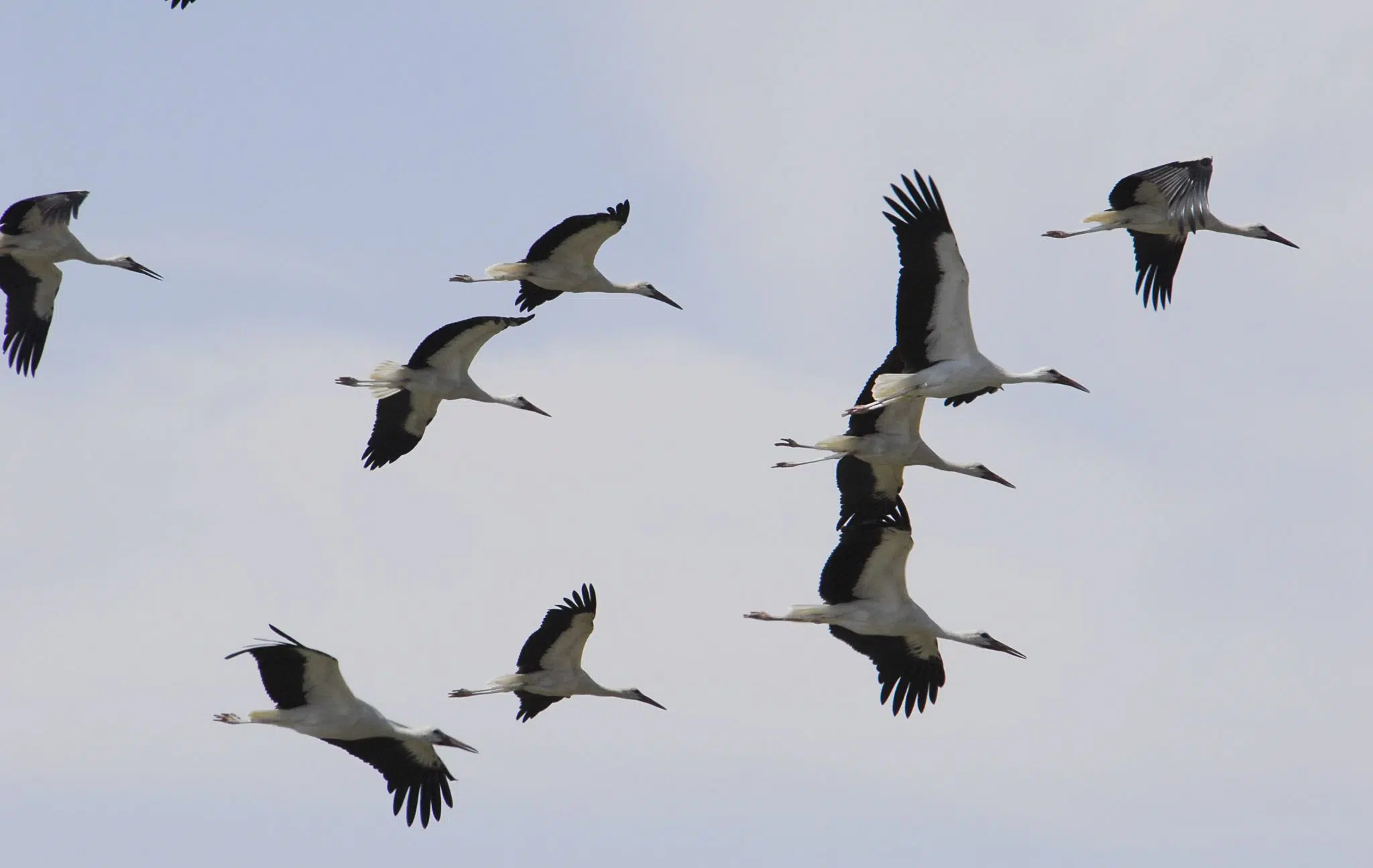
When asked to choose a single species to represent the African-Eurasian Flyway, Tareq unhesitatingly selects the White Stork (Ciconia ciconia). “It is one of the most iconic species of the Jordan Rift Valley and is well known to local communities,” he explains. The sight of large flocks of White Storks gracefully soaring through the Jordanian skies during migration seasons is a powerful and familiar spectacle. This species, with its striking white plumage and long legs, has become a potent symbol of migration, embodying the vast distances birds travel and the essential connectivity of global ecosystems.

More than just an avian ambassador, the White Stork represents “migration, connectivity, and the shared responsibility we have to protect birds across their entire journey.” Its widespread recognition and cultural significance make it an ideal symbol to rally public support and raise awareness about the broader conservation challenges faced by all migratory species.
Optimism Amidst Challenges
Despite the significant hurdles, Tareq Qaneer remains optimistic about the future of flyway conservation. His hope stems from a growing global awareness and an increasing willingness to collaborate. “What gives me hope is the growing collaboration between conservation organisations, governments, and local communities,” he states. This burgeoning partnership is crucial for developing sustainable solutions that address both human needs and environmental protection.
He also draws inspiration from nature itself. “The resilience of nature (when given a chance) and the passion of people working along the flyway make me optimistic about the future.” The ability of ecosystems to recover when protected, coupled with the unwavering dedication of conservationists and local communities, provides a beacon of hope. This collective spirit, recognizing that environmental health is intrinsically linked to human well-being, is the driving force behind the ongoing efforts to secure a safer future for migratory birds and the vital flyways they depend on.
The work in the Jordan Rift Valley, supported by the Ecological Restoration Fund and facilitated by BirdLife International and the RSPB, stands as a testament to the power of international collaboration. By focusing on critical sites like Azraq, mitigating direct threats like electrocution, and advocating for sustainable resource management, conservationists are not just protecting birds; they are safeguarding the intricate web of life that sustains our planet. The epic journeys of migratory birds serve as a constant reminder of our shared responsibility to preserve the natural world, transcending borders and uniting communities in a common cause.