
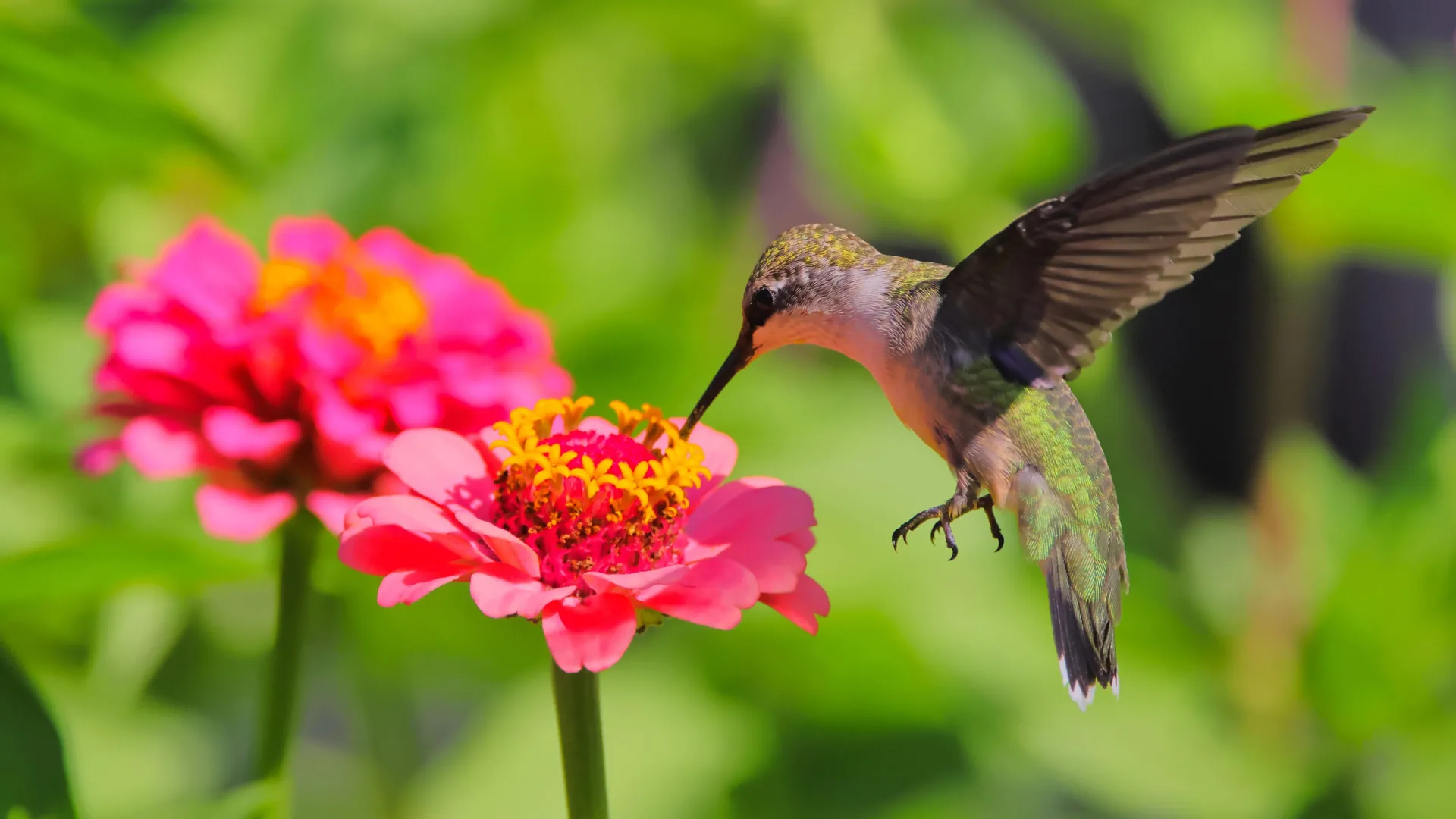
The intricate dance between pollinators and flowering plants, a cornerstone of biodiversity and agricultural productivity, has long been understood as a mutually beneficial exchange of nectar for pollination services. However, groundbreaking research from the University of California, Berkeley, has unveiled a previously overlooked element in this ancient bargain: the widespread presence of ethanol in floral nectar, leading to a regular, albeit low-level, alcohol consumption by the very creatures essential for plant reproduction. This discovery, published on March 25 in Royal Society Open Science, fundamentally shifts our understanding of pollinator diets, physiology, and evolutionary adaptations.
Unveiling the Ubiquitous Presence of Ethanol in Nectar
The comprehensive survey, the first of its kind, meticulously analyzed nectar samples from 29 different plant species. Biologists, spearheaded by UC Berkeley doctoral student Aleksey Maro and postdoctoral fellow Ammon Corl, under the guidance of integrative biology professor Robert Dudley, detected ethanol in at least one sample from a remarkable 26 of these species. While most samples contained only trace amounts, likely a byproduct of yeast fermenting the abundant sugars present in nectar, one particular sample registered a notable 0.056% ethanol by weight. To put this into perspective, this concentration is approximately 1/10 proof, a subtle but significant presence in a primary food source.
The research team employed a precise enzymatic assay to quantify the ethanol levels, ensuring accuracy in their findings. This systematic approach provided robust evidence that alcohol in nectar is not an anomaly but a pervasive component of the floral ecosystem. The implication is profound: countless species of insects, birds, and other nectar-feeding animals have likely been exposed to dietary alcohol for millennia, prompting questions about their physiological responses and evolutionary trajectories.
A Deeper Dive into the Context of the Discovery
This revelation is not an isolated finding but builds upon a rich foundation of previous research, particularly the extensive work by Professor Robert Dudley. For decades, Dudley has explored the evolutionary implications of dietary alcohol in various animal species, including primates. His earlier studies have illuminated how many frugivorous animals, from fruit bats to chimpanzees, regularly consume fermented fruits, which naturally contain varying levels of ethanol. This prior research has posited that an evolutionary tolerance, and sometimes even a preference, for alcohol might be a widespread adaptation, potentially even predating human ancestors. The extension of this inquiry to nectar-feeding animals, therefore, represents a logical yet innovative step in understanding the broader ecological role of ethanol.
The UC Berkeley team, including integrative biology professors and Museum of Vertebrate Zoology curators Rauri Bowie and Jimmy McGuire, brought together diverse expertise to address this complex biological question. Their collaborative effort underscores the interdisciplinary nature of modern biological inquiry, combining field observations, laboratory analysis, and evolutionary theory to unravel the hidden intricacies of ecological interactions. The publication of their findings in Royal Society Open Science ensures that this significant discovery is made available to the global scientific community, prompting further research and discussion.
Quantifying the Daily Alcohol Intake of Pollinators
While 0.056% ethanol might seem negligible to a human, the sheer volume of nectar consumed by pollinators translates into a significant daily intake of alcohol. Hummingbirds, renowned for their hyperactive metabolism and prodigious energy demands, serve as a compelling example. These tiny birds can consume between 50% and 150% of their body weight in nectar each day to fuel their rapid wing beats and high body temperatures. Based on these extraordinary feeding habits, the researchers meticulously estimated the daily ethanol consumption for an Anna’s hummingbird (Calypte anna), a species commonly found along the Pacific coast of North America. The calculation revealed that an Anna’s hummingbird consumes approximately 0.2 grams of ethanol per kilogram of body weight daily. To provide a relatable benchmark, this intake is comparable to a human consuming roughly one standard alcoholic drink per day.
The study extended its comparative analysis beyond hummingbirds, examining other nectar-feeding species to gauge the universality of this phenomenon. Sunbirds, which occupy a similar ecological niche to hummingbirds in Africa, feeding on plants like honeybush (Melianthus major), were also considered. The data showed that nectar-feeding birds, when foraging on native flowers, typically consumed between 0.19 and 0.27 g/kg/day of ethanol. This range indicates a consistent level of exposure across different avian nectarivores.
For broader context, the team compared these values to other animals known to ingest alcohol. The European honeybee, a crucial pollinator globally, showed the lowest intake at 0.05 g/kg/day. At the higher end of the spectrum was the pen-tailed tree shrew, an agile mammal known for its consumption of fermented palm nectar, registering an impressive 1.4 g/kg/day. Fruit-eating chimpanzees also fall within this comparative framework, as do humans consuming one standard drink per day (estimated at 0.14 grams/kg/day). This comparative data illustrates that the alcohol intake of nectar-feeding birds falls squarely within the range observed across a diverse array of species, reinforcing the idea of a pervasive, low-level exposure to ethanol in the animal kingdom. Interestingly, the study also hinted that Anna’s hummingbirds might ingest even more alcohol from fermented sugar water provided in human feeders (0.30 g/kg/day) than from natural nectar, suggesting a potential preference or lack of discrimination at low levels.
Behavioral Observations and the Question of Intoxication
Despite this regular intake, the research team noted that bees and birds do not exhibit overt signs of intoxication. This absence of visible impairment is attributed to their feeding patterns; they consume the alcohol gradually throughout the day, rather than in a concentrated dose. Moreover, their high metabolic rates likely play a significant role in rapidly processing and detoxifying the ingested ethanol. As Aleksey Maro aptly put it, "Hummingbirds are like little furnaces. They burn through everything really quick, so you don’t expect anything to accumulate in their bloodstream." This rapid metabolic turnover ensures that alcohol does not linger in their bloodstream at intoxicating levels.
Previous experiments conducted by Dudley’s team further support these observations, offering a timeline of insights into pollinator responses to alcohol. Earlier work established that hummingbirds are largely indifferent to low alcohol concentrations in sugar water, specifically below 1% by volume. However, a noticeable shift in behavior occurs when concentrations rise. Experiments conducted at a feeder outside Dudley’s office demonstrated that Anna’s hummingbirds visited the feeder about half as often when the sugar water contained 2% alcohol. This suggests a sophisticated ability to "meter their intake," implying that concentrations between zero and 1% are more likely to be encountered and tolerated in natural settings, and that pollinators possess mechanisms to avoid potentially harmful higher doses.
Crucially, a separate study led by former graduate student Cynthia Wang-Claypool provided physiological evidence of alcohol processing in these birds. Her research detected ethyl glucuronide, a specific byproduct of ethanol metabolism, in the feathers of various birds, including Anna’s hummingbirds. The presence of this metabolite unequivocally indicates that these birds not only ingest alcohol but also metabolize it in a manner similar to mammals. This multi-faceted evidence—from widespread presence in nectar, to observable consumption without intoxication, to physiological processing—paints a comprehensive picture of a long-standing interaction between pollinators and dietary alcohol.
Beyond the Buzz: Subtle Effects and Ecological Implications
The absence of overt intoxication does not, however, mean that the ingested ethanol has no effect. Nectar is known to contain a cocktail of bioactive compounds, including nicotine and caffeine, which are recognized for their subtle but significant influences on animal behavior, often shaping foraging patterns or acting as deterrents. The researchers hypothesize that ethanol could exert similar subtle effects, potentially influencing decision-making, memory, or even preferences for certain floral types.
Professor Dudley elaborated on this nuanced perspective: "There may be other kinds of effects specific to the foraging biology of the species in question that could be beneficial." He further mused, "They’re burning it so fast, I’m guessing that they probably aren’t suffering inebriating effects. But it may also have other consequences for their behavior." Maro added, "But we don’t know what kind of signaling or appetitive properties the alcohol has. There are other things that the ethanol could be doing aside from creating a buzz, like with humans." These statements underscore the complexity of physiological responses and the need for further investigation into the sub-intoxicating effects of chronic, low-level alcohol exposure. These subtle impacts could range from altered foraging efficiency, changes in social interactions, or even effects on reproductive success, all of which could have broader ecological repercussions.
Evolutionary Adaptations and the Chronic Nature of Exposure
This research is deeply embedded within a broader, five-year National Science Foundation project spearheaded by Professor Dudley. This ambitious project aims to gather extensive genetic data from hummingbirds and sunbirds to unravel the mysteries of their evolutionary adaptations to diverse and challenging environments. Specifically, the project investigates how these birds adapt to high altitudes, metabolize sugar-rich diets, and, critically, cope with frequently fermented nectar. This long-term research initiative provides the essential context for understanding how such a pervasive dietary component might drive evolutionary change.
The findings from the nectar alcohol survey lend significant weight to the hypothesis that a "broad range of physiological adaptations across the animal kingdom to the ubiquity of dietary ethanol" exists. Dudley points out that the responses observed in humans, often characterized by adverse effects at higher doses, may not be representative of all primates or animals generally. This suggests that other, perhaps yet-to-be-discovered, physiological detoxification pathways or distinct nutritional effects of ethanol might be at play in species that consume it daily, throughout their lives. This could involve specialized enzymes, unique liver functions, or even microbial symbionts that aid in alcohol processing.
The chronic nature of this exposure is a key aspect. Unlike episodic human consumption, pollinators are ingesting small amounts of alcohol continually, from the moment they fledge. This lifetime exposure, post-weaning, implies a strong selective pressure for evolutionary adaptations that allow for efficient metabolism and potentially even beneficial utilization of dietary ethanol. It raises compelling questions about co-evolutionary dynamics between plants, yeast, and pollinators, where the presence of alcohol might even serve as a subtle attractant, a mechanism for niche partitioning, or a signal of high-quality nectar, influencing pollinator preferences and thus plant reproductive success.
Broader Impact and Future Directions in Research
The implications of this research extend far beyond the immediate understanding of pollinator diets. For conservation efforts, this discovery adds another layer of complexity to assessing pollinator health and resilience in the face of environmental change. How do pesticides, habitat loss, or climate change interact with the chronic ingestion of alcohol? Are certain species more vulnerable or resilient due to their alcohol processing capabilities? Understanding these nuances could inform more effective conservation strategies, particularly for species that might be more sensitive to changes in nectar composition or the overall metabolic burden.
In agriculture, where pollinators are indispensable for crop yields, this research opens new avenues for inquiry. Could the alcohol content in nectar influence the efficiency of pollination? Are there differences in pollinator preference for crops based on nectar ethanol levels? Future studies might explore whether manipulating nectar composition, perhaps through genetic modification of crops or managed yeast populations, could enhance pollination services or improve pollinator health.
From a fundamental biological perspective, this study highlights the need for continued comparative biology of ethanol ingestion. It challenges existing paradigms about animal diets and prompts further investigation into the biochemical pathways, genetic underpinnings, and behavioral ecology associated with chronic, low-level alcohol exposure. Future research could delve into:
- Genetic Adaptations: Identifying specific genes that confer alcohol tolerance or alter metabolic pathways in nectar feeders, potentially revealing convergent evolution across diverse taxa.
- Neurobehavioral Effects: Detailed studies on how even trace amounts of alcohol might subtly influence navigation, learning, communication, and social interactions among pollinators, using advanced tracking and observational techniques.
- Yeast Ecology: A deeper understanding of the specific yeast species responsible for nectar fermentation, their prevalence, and their ecological relationship with plants and pollinators, including potential mutualistic or parasitic interactions.
- Co-evolutionary Dynamics: Exploring whether plants have evolved to produce nectar that subtly ferments, potentially as a mechanism to attract specific pollinators, deter nectar robbers, or even as an antimicrobial agent within the nectar itself.
The UC Berkeley team’s findings provide a crucial piece in the intricate puzzle of ecological interactions. By revealing the widespread presence of dietary alcohol in the lives of pollinators, this research not only enriches our understanding of these vital creatures but also underscores the astonishing adaptability of life on Earth. It reminds us that the natural world often holds secrets more complex and fascinating than we initially imagine, beckoning scientists to look closer and challenge conventional wisdom. The ongoing exploration promises to uncover even more about the subtle chemistry that underpins the survival and flourishing of ecosystems worldwide, ultimately contributing to a more holistic view of biodiversity and evolutionary processes.