
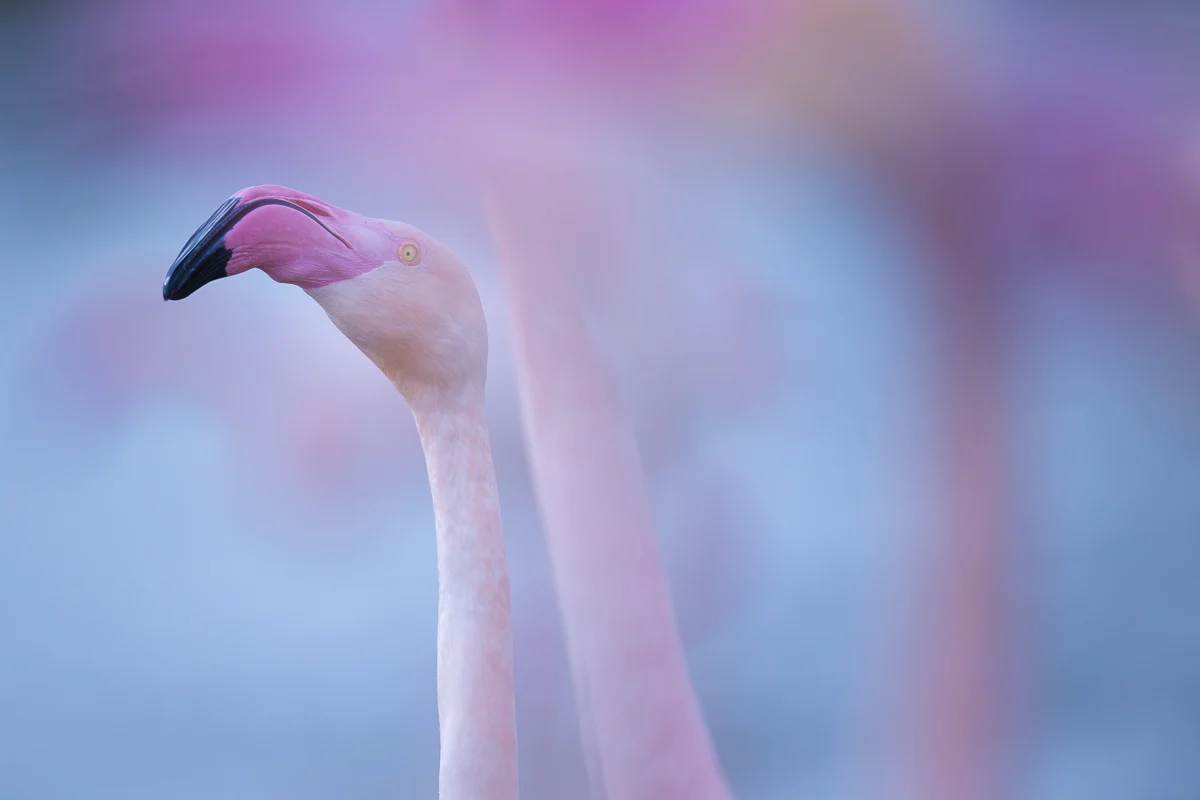
In the dynamic and ever-evolving field of wildlife photography, what lies out of focus can often play a subtle yet profoundly powerful role in shaping the atmosphere and narrative of an image. Far from being a mere technical oversight, the deliberate blurring of foreground elements does not distract from the primary subject; rather, it serves as an artistic conduit, guiding the viewer’s eye, evoking a specific mood, or suggesting an emotional layer that the stark clarity of sharpness alone might fail to convey. At its core, photography is the pursuit of transforming fleeting moments into meaningful, enduring images. In this pursuit, blurs emerge as sophisticated tools, capable of transforming a simple scene into a visual statement that not only shows but truly expresses and resonates. This technique pushes the boundaries of conventional wildlife documentation, moving it closer to the realm of fine art, where emotion and impression are as vital as factual representation.
The Art of Suggestion: Beyond Pure Sharpness

For decades, the prevailing dogma in wildlife photography championed absolute sharpness – every feather, every whisker, every detail rendered with pristine clarity. This approach, while invaluable for scientific documentation and identification, often left little room for artistic interpretation or the nuanced portrayal of an animal’s environment and emotional state. However, a growing cadre of photographers, influenced by artistic movements that valued mood and impression over stark realism, began to explore the potential of selective focus and, more specifically, foreground blurs. This shift marked a departure from purely objective capture towards a more subjective, evocative style. By strategically placing elements out of focus in the foreground, photographers can create a sense of depth and mystery, drawing the viewer deeper into the scene, not through explicit detail, but through suggestion. This technique often resonates with the principles of Pictorialism, an early photographic movement that sought to elevate photography to the status of fine art by emphasizing aesthetic effect and emotional impact through soft focus and atmospheric rendering, often mimicking painted compositions. The blurred foreground acts as a veil, inviting curiosity and a contemplative engagement with the subject, rather than an immediate, exhaustive inventory of its features.
A Historical Perspective on Photographic Blur
The intentional use of blur in photography is not a modern invention. From the earliest days of the medium, photographers experimented with optics to achieve various aesthetic effects. The late 19th and early 20th centuries saw the rise of soft-focus lenses, particularly favored by Pictorialist photographers who aimed to imbue their images with a painterly quality, often to contrast with the perceived clinical objectivity of straight photography. Figures like Alfred Stieglitz and Edward Steichen, though not primarily wildlife photographers, demonstrated how blur could convey emotion and atmosphere, transforming a scene from a mere record into an artistic expression. In wildlife photography specifically, the evolution was slower, largely due to the technical challenges of capturing fast-moving subjects and the initial priority placed on scientific accuracy. Early wildlife photographers often grappled with cumbersome equipment and long exposures, making sharp images a technical triumph in themselves. However, as camera technology advanced and lenses became more sophisticated, offering greater control over depth of field, artists began to consciously apply these historical lessons to wildlife, recognizing that an animal’s habitat, the prevailing light, and the overall mood of a moment were as integral to its story as its physical form. This paved the way for techniques like foreground blurring to gain traction, moving beyond accidental artifacts to become deliberate compositional choices.

Crafting Mystery and Revelation: The Foreground Blur Technique Defined
Foreground blurs represent a refined photographic technique where an object or element is deliberately positioned between the camera lens and the main subject. This intervening element, rendered softly out of focus in the immediate foreground, creates ethereal blurs that partially obscure, yet never diminish, the visual weight of the central subject. Unlike distractions, these blurs are meticulously designed to enrich the image, introducing layers of depth, spatial context, mystery, and profound emotional resonance. Technically, achieving this often involves using a wide aperture (low f-number, e.g., f/2.8, f/4) to create a shallow depth of field, combined with careful positioning of the camera relative to the foreground element and the subject. The closer the foreground element is to the lens, and the further the subject is from that element, the more pronounced and abstract the blur will be. This deliberate manipulation of focus and perspective allows the photographer to control the viewer’s perception, transforming a two-dimensional image into a multi-layered experience.
The Viewer’s Journey: Guiding the Gaze

When executed skillfully, foreground blurs are more than just a visual trick; they are a storytelling device. They serve to guide the viewer’s gaze along a carefully orchestrated visual path, a natural journey designed to navigate the photograph’s composition. While the main subject unequivocally remains the focal point of this journey, the presence of blurs introduces subtle yet powerful cues about the surrounding environment, the prevailing mood, or even the underlying narrative context of the scene. It transforms the image from a mere depiction into an immersive invitation, prompting the viewer to look closer, to delve deeper, and to connect more intimately with the entirety of the visual experience. This technique often infuses an image with a distinctive painterly quality, reminiscent of classical art where composition and mood are paramount. It evokes a sense of authenticity, as if the image were meticulously composed on a blank canvas, each element thoughtfully placed to contribute to the overall impression. This artistic approach encourages a slower, more contemplative viewing experience, allowing the subtle nuances of the image to unfold over time.
Nature’s Palette: Utilizing Natural Elements for Blur
The versatility of foreground blurs lies in the boundless array of natural elements that can be harnessed. Photographers are encouraged to experiment with whatever the immediate environment offers. This can include an expansive range of plant-based elements: delicate branches, vibrant leaves, blossoming flowers, or swaying grasses. Beyond flora, other natural components such as water (ripples, reflections), snow (drifts, falling flakes), geological features (rocks, sand dunes), or even other animals can serve as compelling foreground elements. Furthermore, the interplay of light and shadow itself can be manipulated to create soft, atmospheric blurs, either to highlight the intended focal point or, conversely, to subtly eliminate distracting elements from the frame.

Consider the opening photograph of vultures in the Pyrenees. Captured at a feeding site, the available foreground element was, remarkably, other birds. This instance, though rare in its precise overlap, exemplifies how even the subjects themselves can contribute to the atmospheric effect. Similarly, the image of flamingos demonstrates how a dense gathering of animals can provide a soft, living curtain for the primary subject. In the photograph of a Pyrenean capercaillie at its forest lek, the soft blurs were artfully created by local shrubs and underbrush, acting as a natural, permeable filter between the bird and the lens. This verdant layer not only softened the overall composition but also added profound depth and an ethereal atmosphere, subtly framing the capercaillie without overwhelming its presence. This scene was further enhanced by the low, crepuscular light of early morning, casting long shadows and imbuing the forest with an air of quiet mystery. It is in these fleeting, harmonious alignments of light, subject, and environment that photography transcends mere documentation, becoming a powerful act of storytelling. In contrast, the image of the goshawk showcases a simpler yet equally effective interplay of light and shadow. Through careful exposure adjustment and a warm white balance, the atmosphere becomes rich and almost tactile. The deliberate contrast between illuminated and shaded areas sculpts the subject within its environment, lending a sense of three-dimensionality. Beyond its aesthetic appeal, this technique serves a clear compositional purpose: it instinctively guides the viewer’s eye towards the focal point, allowing the image to communicate with both profound clarity and evocative depth. These examples collectively illustrate how photographs integrating foreground blurs often embrace minimalism while still effectively conveying the essence of the surrounding environment, hinting at the subject’s relationship with its habitat, or suggesting the specific moment of capture—and by extension, the animal’s behavior and habits. This subtle layering of visual cues empowers the viewer to intuit more than what is explicitly shown, fostering a deeply immersive experience of the scene.
Ethical Considerations and the "Photographic Hunt"
An indispensable aspect of employing foreground blurs in wildlife photography is the meticulous consideration of the shooting environment and the degree of control a photographer can ethically exert. In certain scenarios, nature generously provides the necessary elements—be it plants, light, snow, or even other animals—that can be creatively incorporated. For less skittish species, particularly when photographing from a hide, there might be opportunities to subtly intervene or even recreationally shape the scene to align with an artistic vision, carefully planning the shot. However, in the majority of wildlife encounters, such control is absent. Here, the paramount approach involves cautious observation, always prioritizing ethical considerations to avoid disturbing the animal or its habitat. Often, the most effective strategy is simply patient waiting for the opportune moment to unfold. This "art of waiting" becomes an essential component of the creative process, demanding perseverance and respect for the natural world.

Many photographers find immense satisfaction in these reactive situations, often termed "photographic hunts," precisely because they involve a unique and serendipitous interaction with the wild. This appeal stems both from the unpredictable nature of the environments where these photographs are typically made and from the inherent unpredictability of the animals themselves. For many, without this deep connection to direct wildlife observation, photography would lose a significant portion of its allure. This approach inherently demands a considerable tolerance for failure, as many attempts may not yield the desired result, but it frequently bestows significant and deeply rewarding successes. Ethical guidelines from organizations like the North American Nature Photography Association (NANPA) emphasize minimizing disturbance, never baiting or harassing animals, and respecting their natural behaviors. These principles are crucial when seeking foreground elements, ensuring that artistic pursuit does not compromise animal welfare or ecological integrity.
Genre and Application: Where Blur Thrives
The most amenable genre for extensive experimentation with foreground blurs is undoubtedly portrait photography. In this context, the inherent softness and ethereal atmosphere created by the technique align harmoniously with the intended emotional and artistic meaning of the image. The static nature of a portrait allows the photographer ample time to compose, adjust focus, and fine-tune the placement of foreground elements. In contrast, dynamic contexts—such as birds in rapid flight, mammals in pursuit, or similarly fast-paced action scenes—render this technique exceedingly challenging, if not entirely impractical. The sheer speed at which events unfold significantly reduces, and often eliminates, opportunities for deliberate compositional intervention. While some forms of motion blur can be artistic in action shots, the controlled, static foreground blur described here requires a degree of stability and predictability that dynamic scenes rarely afford. This highlights the importance of understanding the subject’s behavior and the environmental conditions to choose the most appropriate photographic technique.

Mastering the Blur: Techniques and Types
The effective application of foreground blurs involves several distinctions based on proximity and coverage. Objects used to create the blur can be positioned closer to the camera, resulting in greater abstraction and a more ethereal quality. Alternatively, they can be placed closer to the subject, which helps to maintain and highlight the blurred element itself, especially if it contributes valuable context or visual interest to the photograph. Furthermore, photographers can create "veils" that subtly obscure the entire image, lending a dreamlike quality, or strategically use blur to partially cover different parts of the animal, often meticulously preserving the subject’s gaze to maintain an emotional connection with the viewer. A third critical distinction involves seeking "look-throughs," where the camera is precisely aimed through a small opening within the foreground element to frame the subject. When such an opening is unavailable, "look-overs" are employed, which involve filling the bottom portion of the frame with a blurred foreground, creating a natural base for the composition.
Regardless of the specific type of blur being pursued, photographers should be prepared to switch to manual focus if the camera’s autofocus system struggles with the intricate interplay of foreground and subject. While this might occasionally result in a slight reduction in absolute sharpness or fine detail, this can often be compensated for by embracing a more artistic, impressionistic aesthetic within the photograph. This deliberate choice prioritizes mood and emotional impact over technical perfection, echoing the earlier artistic movements that valued expression above all else.

Broader Implications: Elevating Wildlife Photography to Fine Art
The adoption and mastery of foreground blur techniques have significant implications for the perception and impact of wildlife photography. By moving beyond mere documentary representation, these techniques elevate wildlife imagery into the realm of fine art, allowing photographers to express profound narratives and emotions. This artistic approach not only captivates viewers but also fosters a deeper, more empathetic connection with the natural world. When an image evokes a sense of wonder, mystery, or vulnerability through its soft atmospheres, it can transcend factual reporting to become a powerful tool for conservation. Art critics and curators increasingly recognize the artistic merit of such photography, featuring it in galleries and exhibitions alongside traditional art forms. For instance, renowned art critic Dr. Evelyn Hayes might note, "The judicious use of foreground blur in wildlife photography transforms a simple depiction into a poetic meditation, inviting viewers to feel, rather than just see, the essence of the wild. This shift is crucial for fostering genuine connection and advocacy." Such emotionally resonant images are more likely to linger in the viewer’s mind, inspiring contemplation about wildlife protection and environmental stewardship. The ability to create images that are both aesthetically compelling and deeply moving makes foreground blur a vital technique for contemporary wildlife photographers seeking to make a lasting impact.
The Future of Atmospheric Wildlife Photography

Foreground blurs represent a creative technique with immense versatility and broad applicability, making them exceptionally appealing to photographers. There are virtually no strict limitations preventing their use across a diverse range of situations, provided the photographer can maintain at least some degree of control over their own position or that of their subject. This technique thrives on improvisation and allows inspiration to flourish in myriad contexts, enabling photographers to capture even "recurring" or familiar species in fresh, original, and emotionally resonant ways.
Creativity, it is often said, emerges through iterative trial and error, fostering an environment where innovation can thrive within one’s most familiar surroundings. Foreground blurs are fully compatible with a host of other creative photographic techniques related to composition and light, including deliberate over- or underexposure, dynamic movement through controlled shutter speed, dramatic backlighting, experimental double exposures, and various forms of abstraction. This synergy allows for an almost limitless palette of artistic expression. The technique has been embraced and masterfully utilized by visionaries and influential photographers who infuse their work with unique aesthetics. Therefore, I wholeheartedly encourage every aspiring and established wildlife photographer to explore, experiment, and truly give this transformative technique a try. It promises not just compelling images, but a deeper artistic journey into the heart of nature.