
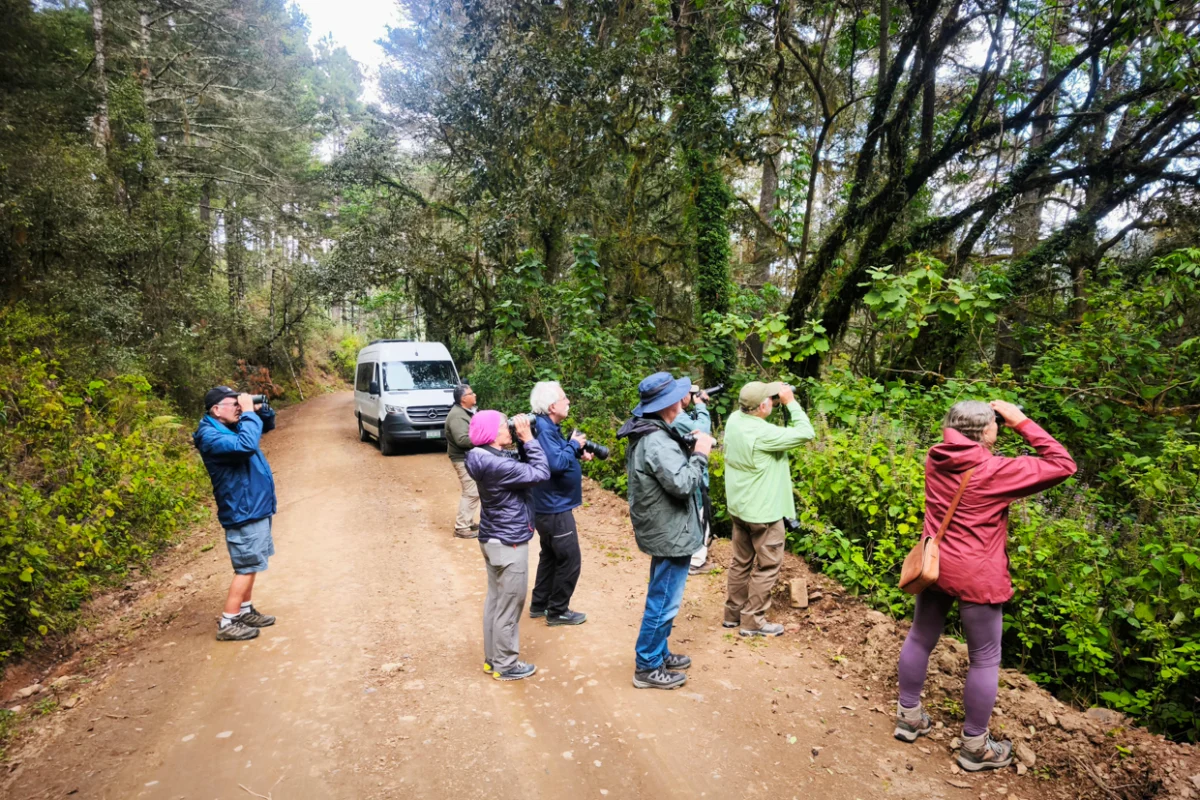
The southern Mexican states of Oaxaca and Chiapas represent one of the most ecologically significant regions in the Western Hemisphere, serving as a critical biological bridge between the Nearctic and Neotropical realms. A recent 14-day scientific and observational expedition, conducted between January 14 and January 28, 2026, has documented the extraordinary avian diversity of this corridor, recording a total of 378 bird species. Of these, 360 were identified through direct visual observation, while an additional 18 species were identified via acoustic signatures. The findings underscore the region’s status as a primary habitat for endemic and near-endemic species, many of which are currently under consideration for taxonomic elevation to full species status.

Regional Ecological Context and Conservation Significance
Mexico is classified as a "megadiverse" country, harboring roughly 10% of the world’s total biodiversity. Within this framework, Oaxaca and Chiapas are paramount. Oaxaca alone boasts the highest bird diversity of any Mexican state, a result of its complex topography that includes the Sierra Madre de Oaxaca and the Sierra Madre del Sur. This expedition traversed a variety of specialized habitats, from xeric scrub and high-altitude pine-oak forests to tropical deciduous forests and lowland mangroves.

The data collected during this survey provides a snapshot of the health of these ecosystems. The presence of specialized endemics, such as the Dwarf Jay (Cyanolyca nanus) and the Pink-headed Warbler (Cardellina versicolor), indicates the continued existence of high-quality primary forest, though these species remain vulnerable to habitat fragmentation. The expedition’s findings contribute to a growing body of citizen science data, primarily via the eBird platform, which is increasingly utilized by conservationists to track the impacts of climate change and land-use shifts on migratory and resident bird populations.

Chronology of the Expedition: The Highlands of Oaxaca
The expedition commenced in Oaxaca City, situated at an elevation of approximately 1,550 meters. Initial observations at Cerro Fortín yielded sightings of the Dusky Hummingbird (Phaeoptila sordida), a species endemic to the Mexican plateau, and the Virginia’s Warbler (Leiothlypis virginiae), a migratory species that winters in the region’s scrublands.

The survey moved toward the Zapotec archaeological site of Yagul, characterized by xeric scrub and columnar cacti such as Myrtillocactus schenkii. Here, the team documented the Blue Mockingbird (Melanotis caerulescens), an elusive endemic known for its complex vocalizations. Other significant sightings in this arid landscape included the Gray-breasted Woodpecker (Melanerpes hypopolius) and Boucard’s Wren (Campylorhynchus jocosus).

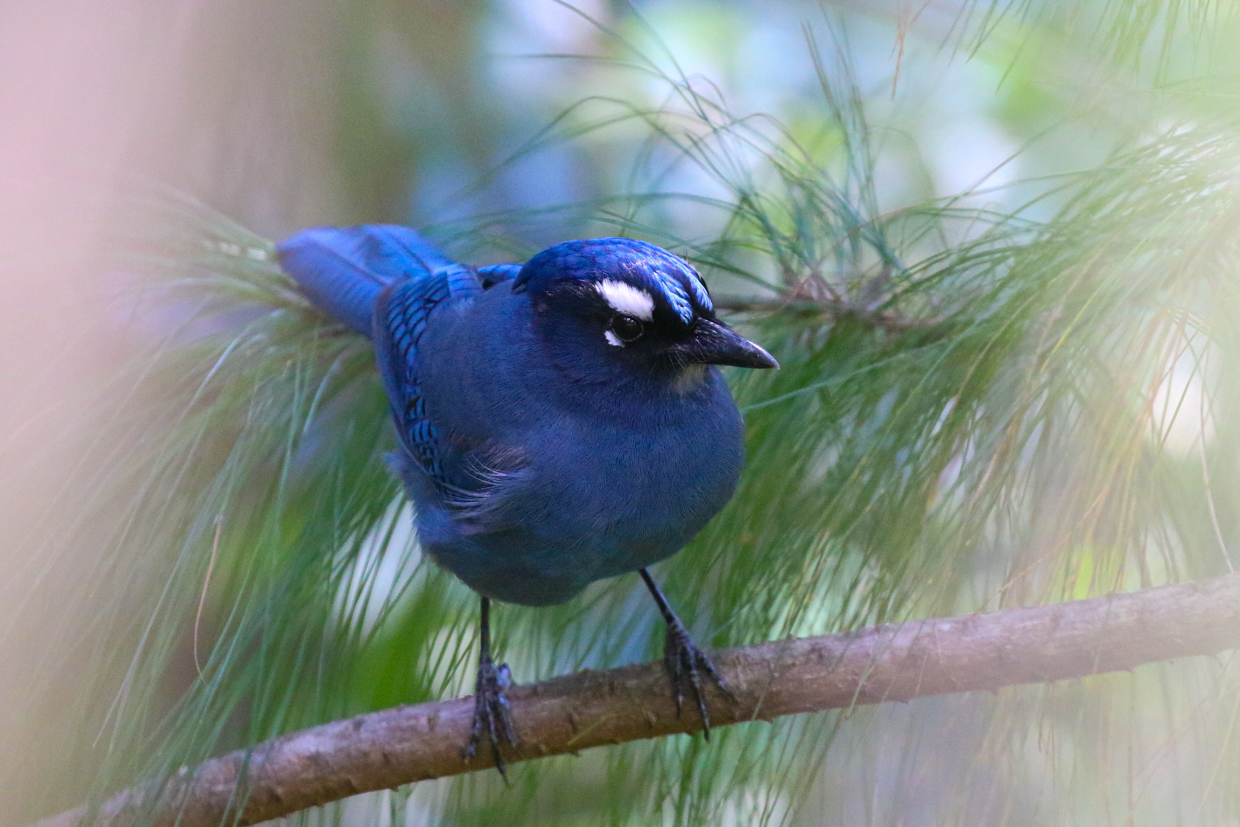
Transitioning to the humid pine-oak forests of the Sierra Norte, specifically at La Cumbre Ixtepeji (Cerro San Felipe), the expedition recorded the Dwarf Jay. This species is a high-altitude specialist restricted to a small range in southern Mexico. The observation of this jay, alongside the Gray-barred Wren (Campylorhynchus megalopterus), highlights the importance of the moss-draped "cloud forests" that capture moisture from the Pacific and Gulf of Mexico, creating a unique microclimate.

The Sierra Madre del Sur and the Pacific Slope
The expedition then traversed the Sierra Madre del Sur, a mountain range that runs parallel to the Pacific coast. This segment of the journey was marked by the observation of the Oaxaca Arboreal Alligator Lizard (Abronia oaxacae), an endemic reptile with fewer than ten formal records in this specific mountain range. This incidental finding emphasizes the broader biodiversity value of avian habitats.

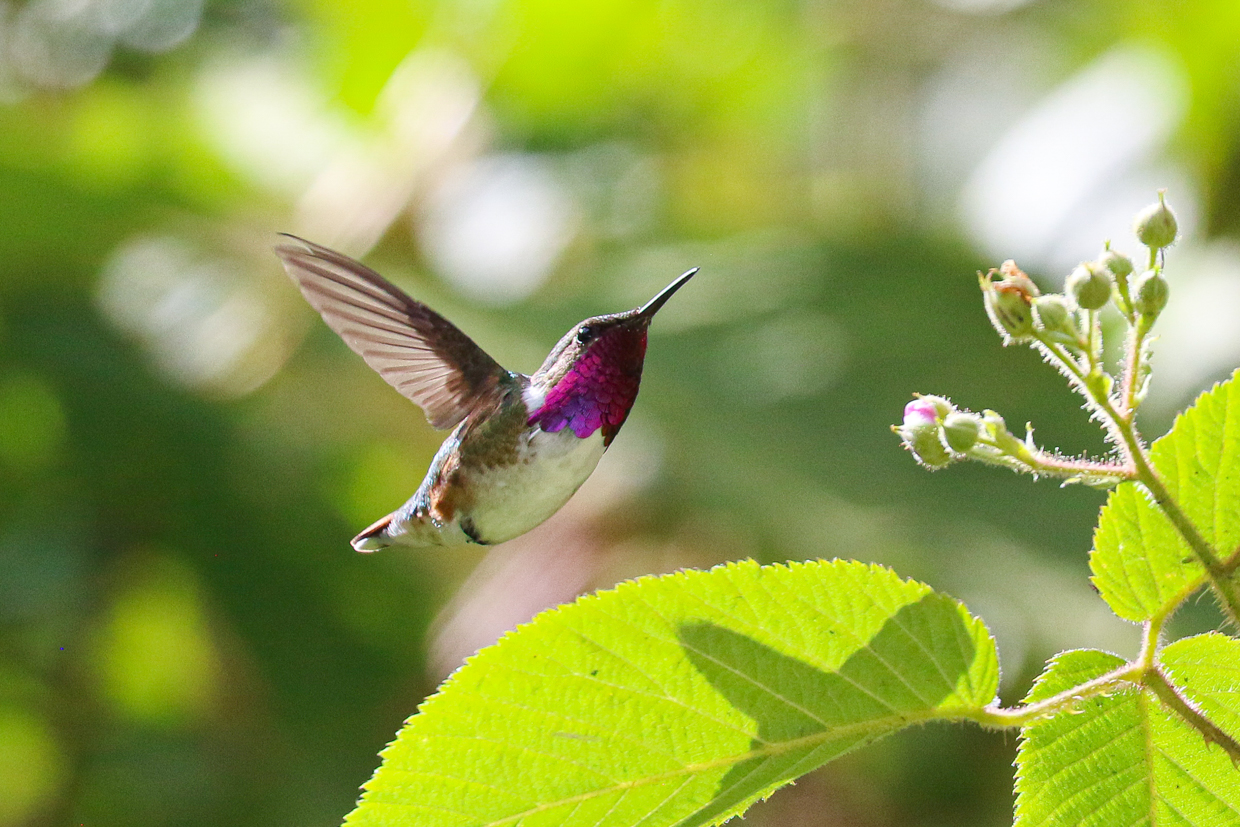
In the humid forests of this range, the team documented several hummingbird species feeding on the Mexican Hand Tree (Chiranthodendron pentadactylon), including the Garnet-throated Hummingbird (Lamprolaima rhami) and the Amethyst-throated Mountain-gem (Lampornis amethystinus). As the elevation dropped toward the Pacific lowlands of Huatulco, the vegetation shifted to tropical dry forest.
Huatulco National Park, a protected area on the coast, provided a starkly different species assembly. Notable sightings included the Turquoise-crowned Hummingbird (Cynanthus douglassii), Citreoline Trogon (Trogon citreolus), and the Orange-breasted Bunting (Passerina leclancherii). The park serves as a vital refuge for species adapted to the Pacific slope’s seasonal drought cycles.

The Isthmus of Tehuantepec and Coastal Lagoons
The Isthmus of Tehuantepec represents the narrowest point between the Gulf of Mexico and the Pacific Ocean. It is a region defined by high wind speeds and specialized low-altitude dry forests. At Santa María Xadani, the expedition encountered a brackish interior lagoon system that supports a vast array of waterfowl and shorebirds. Despite gusts of wind that challenged observational stability, the team identified the American Oystercatcher (Haematopus palliatus), Collared Plover (Charadrius collaris), and the Reddish Egret (Egretta rufescens).

A critical conservation highlight occurred in the Sierra del Tolistoque, where the team observed 30 individuals of the Rose-bellied Bunting (Passerina rositae). This species is classified as Near Threatened and is restricted entirely to the Pacific slope of the Isthmus of Tehuantepec. Such a high concentration of individuals suggests the area remains a stronghold for the species, though it remains under pressure from agricultural expansion.

Chiapas: Mangroves and Highland Sanctuaries
Entering the state of Chiapas, the expedition explored the La Encrucijada Biosphere Reserve. This RAMSAR-designated wetland is home to some of the tallest mangroves in the Pacific, reaching heights of up to 30 meters. Utilizing boat-based observation, the team recorded the Northern Potoo (Nyctibius jamaicensis), the Agami Heron (Agamia agami), and the Sungrebe (Heliornis fulica). The presence of the Giant Wren (Campylorhynchus chiapensis), a species endemic to the coastal plain of Chiapas, was also confirmed.

The survey then ascended into the Chiapas Highlands (Los Altos de Chiapas). In the vicinity of San Cristóbal de las Casas, the focus shifted to the Pink-headed Warbler. This iconic species, with its striking red and pink plumage, is endemic to the high-altitude forests of Chiapas and western Guatemala. Observations in the Tzontehuitz cloud forest provided clear evidence of the species’ continued presence in the region’s remaining old-growth stands.

The Mayan Corridor: From Sumidero Canyon to Palenque
The final phase of the expedition covered the Grijalva River basin and the rainforests of the Usumacinta region. The Sumidero Canyon, with its 1,300-meter vertical walls, offered a unique vertical transect of habitats. Here, the team observed the Belted Flycatcher (Xenotriccus callizonus), a secretive species associated with bamboo thickets, and documented unusual social behavior in the Russet-crowned Motmot (Momotus mexicanus).

The journey concluded in the tropical rainforests surrounding the Palenque archaeological site. This area represents the northern reach of the Lacandon Jungle. Despite inclement weather, the team recorded the Scarlet Macaw (Ara macao), Keel-billed Toucan (Ramphastos sulfuratus), and the Slaty-tailed Trogon (Trogon massena). The presence of the Scarlet Macaw is particularly significant, as the species has been the subject of intensive reintroduction and conservation efforts in the Palenque region to restore populations decimated by the illegal pet trade.

Analytical Summary and Environmental Implications
The 2026 Southern Mexico expedition serves as a vital update to the ornithological record of the region. The documentation of 378 species over a two-week period highlights the density of life in these southern states but also brings into focus the fragility of their ecosystems.
Several key takeaways emerge from the data:

- Endemic Vulnerability: Species like the Rose-bellied Bunting and the Dwarf Jay are restricted to such specific habitats that even localized deforestation could have catastrophic effects on their global populations.
- Migratory Connectivity: The high number of wintering wood-warblers and flycatchers underscores the importance of Mexican habitats for the survival of North American breeding birds. The conservation of "wintering grounds" is as essential as the protection of "nesting grounds" in the United States and Canada.
- Eco-Tourism as a Conservation Tool: The expedition integrated visits to local workshops, such as the "Bug in the Rug" weaving studio in Teotitlán del Valle. This demonstrates how birding tourism can provide economic incentives for local communities to preserve their natural environments rather than converting them to industrial or agricultural use.
In conclusion, the states of Oaxaca and Chiapas remain an unparalleled frontier for avian research. While the biodiversity remains high, the continued monitoring of these populations is essential. As taxonomic research continues, it is likely that several of the subspecies recorded during this trip will be recognized as distinct endemics, further increasing the conservation priority of this remarkable Mexican corridor. The success of this expedition provides a clear mandate for continued international cooperation in protecting the migratory and resident species of Southern Mexico.