
The cyclical nature of avian reproduction presents a significant logistical challenge for small-scale poultry producers and backyard enthusiasts, leading to a phenomenon often described as a feast or famine cycle in egg availability. During the peak of the spring and summer months, increased daylight hours trigger maximum productivity in laying hens, frequently resulting in a surplus that exceeds immediate household consumption. Conversely, as the winter solstice approaches and daylight diminishes, poultry biology shifts focus from reproduction to survival and feather regeneration, leading to a precipitous drop or total cessation of egg production. To address this seasonal imbalance and ensure a consistent supply for culinary and baking requirements during the winter months, agricultural experts and experienced poultry keepers are increasingly advocating for the implementation of long-term preservation techniques, most notably the strategic freezing of surplus eggs.
The Biological Context of Seasonal Egg Production
To understand the necessity of egg preservation, one must first examine the physiological mechanisms of the Gallus gallus domesticus. Egg production is fundamentally linked to photoperiodism, the physiological reaction of organisms to the length of night or a dark period. Chickens require approximately 14 to 16 hours of light to stimulate the pituitary gland, which in turn releases the hormones necessary for ovulation. In the Northern Hemisphere, as natural light fades below this threshold in late autumn, the hen’s reproductive system enters a dormant phase.
Furthermore, the late autumn period often coincides with molting, an annual process where chickens shed their old feathers and grow new ones to prepare for the cold. Because feather production is a protein-intensive process, the bird’s nutritional resources are diverted away from egg-laying. This biological "winter break" can last several months, leaving households that rely on their own flocks without a fresh supply of protein exactly when holiday baking and winter meal preparation demand it most.
Technical Methodology for Freezing Eggs
While freezing is an effective preservation method, it requires specific technical adjustments to maintain the integrity and safety of the food product. According to food safety guidelines and seasoned practitioners like Lisa Steele, a fifth-generation chicken-keeping expert, the primary rule of egg preservation is that eggs must never be frozen within their shells. The high water content of an egg—approximately 75 percent—causes the liquid to expand as it transitions to a solid state. This expansion invariably shatters the calcium carbonate shell, leading to potential bacterial contamination and an unusable product.
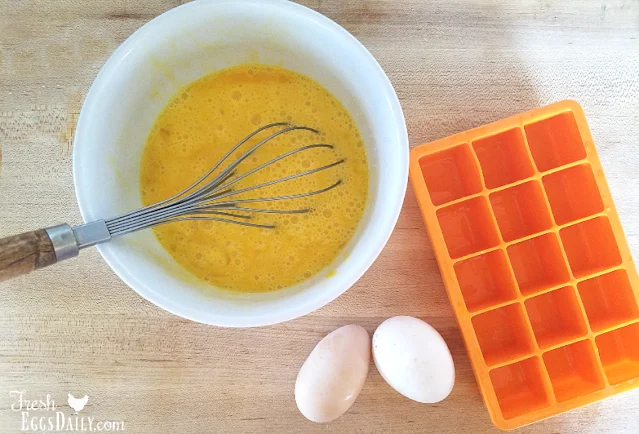
The standardized procedure for freezing involves a systematic approach to preparation. First, eggs must be cracked into a clean vessel. For general utility, the whites and yolks are typically combined. A gentle whisking process is required to integrate the yolk and white, though experts caution against incorporating excessive air, which can affect the final texture of the thawed product.

A critical chemical challenge in freezing eggs is the tendency of the yolk to undergo gelation. When egg yolks are frozen, the lipoproteins within the yolk form a permanent gel-like structure, resulting in a rubbery, grainy texture that does not incorporate well into recipes once defrosted. To mitigate this, a stabilizer must be added. For eggs intended for savory dishes like scrambles or omelets, the addition of approximately 1/8 teaspoon of salt per four eggs is recommended. If the eggs are intended for confectionery or baking purposes, 1.5 teaspoons of sugar or corn syrup can be used instead. This additive disrupts the formation of the gelled protein bonds, ensuring a smooth consistency upon thawing.
Chronology of the Preservation Cycle
The implementation of a successful egg preservation strategy follows a strict seasonal timeline:
- The Surplus Phase (April – August): During this period of peak production, keepers monitor daily yields. Once immediate consumption and local distribution needs are met, the surplus is identified for freezing.
- Processing and Categorization (Ongoing during Summer): Eggs are processed in small batches. Strategic keepers often freeze eggs in specific quantities—such as two or three eggs per container—to match the requirements of their most frequent recipes.
- The Storage Phase (September – March): Eggs are maintained in deep-freeze conditions at or below 0°F (-18°C). Properly processed eggs can maintain their quality for up to 12 months, though they are best consumed within six to eight months.
- The Utilization Phase (November – February): As hen productivity hits its nadir, the frozen inventory is accessed. Thawing is conducted strictly in the refrigerator to maintain food safety standards, usually requiring 24 hours of lead time before use.
Supporting Data on Backyard Poultry Trends
The move toward egg preservation reflects a broader shift in consumer behavior and agricultural trends. Data from the United States Department of Agriculture (USDA) and various market research firms indicate a significant rise in "urban homesteading" over the last decade. A 2020 study suggested that nearly 1% of all U.S. households in major gateway cities participated in backyard poultry keeping, a number that has likely grown following the supply chain disruptions and inflation-related price spikes of 2022 and 2023.
In early 2023, the average price of a dozen eggs in the United States peaked at historic levels due to outbreaks of Highly Pathogenic Avian Influenza (HPAI) and rising feed costs. This economic volatility has transformed egg preservation from a niche hobbyist practice into a strategic financial tool for households. By freezing "free" or low-cost surplus eggs in the summer, families insulate themselves from the market fluctuations that traditionally occur in the winter months when commercial demand is high and supply is naturally constrained.
Expert Perspectives and Community Reactions
Lisa Steele, founder of the Fresh Eggs Daily brand and a recognized authority in the poultry community, emphasizes that these methods are a bridge between traditional "old-timer" wisdom and modern food science. Steele’s advocacy for natural, time-tested methods has resonated with a demographic looking to reduce their reliance on industrial food systems.
"When you raise chickens, you know that it’s either feast or famine," Steele notes, highlighting the frustration of keepers who find themselves buying store-bought eggs in December while having "thrown away" or sold off a surplus in July.

Reaction from the agricultural community has been largely positive, with food safety advocates noting that freezing is a superior alternative to "water glassing" (preserving eggs in a lime solution) for those who may be intimidated by the chemical requirements of the latter. However, professional bakers have offered a nuanced take, noting that while frozen eggs are excellent for batters, doughs, and scrambles, they may not possess the structural integrity required for delicate emulsions like hollandaise or certain types of meringues, where the fresh protein structure of the egg white is paramount.
Broader Impacts and Implications for Food Security
The enrichment of the domestic food supply through preservation techniques has implications that extend beyond the individual kitchen. On a macro level, these practices contribute to decentralized food security. When a significant portion of the population can manage their own protein supply through seasonal fluctuations, the pressure on commercial supply chains is reduced during periods of crisis.
Furthermore, the practice aligns with global sustainability goals by reducing food waste. In many high-production months, backyard keepers struggle to give away eggs fast enough, leading to spoilage. Freezing provides a high-efficiency solution to this waste, converting a perishable surplus into a long-term asset.
From a nutritional standpoint, research into frozen egg products suggests that the macronutrient profile remains largely unchanged. While there may be minor degradation in certain heat-sensitive vitamins over long periods of storage, the protein, lipid, and mineral content remains stable, providing a high-quality nutritional source throughout the winter months.
Conclusion: The Path Toward Self-Sufficiency
The transition toward freezing surplus eggs represents a sophisticated understanding of agricultural cycles and household management. By utilizing simple stabilizers like salt and sugar to overcome the chemical challenges of yolk gelation, poultry keepers can effectively bypass the biological limitations of their flocks. As the cost of living continues to be a primary concern for many, and the desire for food independence grows, these preservation methods serve as an essential toolkit for the modern homestead. The "winter break" taken by the hen no longer needs to result in a "baking break" for the household, provided the summer surplus is managed with foresight and technical precision. Through this lens, the act of freezing an egg is not merely a kitchen hack, but a fundamental practice in the pursuit of a sustainable and resilient food system.