
The cyclical nature of backyard poultry farming presents a recurring challenge for homesteaders and small-scale farmers: the dramatic fluctuation in egg production between the summer and winter months. As daylight hours dwindle during the late autumn and winter seasons, the biological systems of hens naturally respond by slowing or entirely ceasing egg production. This phenomenon, known as a response to photoperiodism, often leaves poultry keepers with a surplus of eggs in the summer and a significant deficit during the peak of winter baking and holiday cooking seasons. To mitigate this "feast or famine" cycle, agricultural experts and seasoned poultry keepers have refined methods for freezing eggs, a preservation technique that maintains the integrity and nutritional value of the product for months.
The biological reality of egg production is tied directly to the endocrine system of the hen, which is triggered by light exposure. Most heritage and high-production breeds require approximately 14 to 16 hours of light per day to maintain peak laying capacity. During the summer solstice, when light is most abundant, a single hen may produce an egg nearly every day. However, as the winter solstice approaches and natural light drops below 10 to 12 hours, the hen’s pituitary gland reduces the hormone production necessary for ovulation. This natural hiatus allows the bird to divert energy toward maintaining body heat and regenerating feathers during the molting process. For the modern consumer-producer, this creates a logistical gap that necessitates a strategic approach to food preservation.
The Science and Technical Requirements of Freezing Eggs
Freezing is widely considered one of the most effective and accessible methods for preserving eggs, provided the technical requirements are met to ensure food safety and maintain texture. The primary obstacle in freezing eggs is the physical structure of the egg itself. An egg is composed of approximately 75% water, which expands when it transitions from a liquid to a solid state. If an intact egg is placed in a freezer, the internal pressure caused by the expanding liquid will inevitably cause the calcium carbonate shell to fracture. This not only creates a mess but also exposes the nutrient-rich contents to potential bacterial contamination and freezer burn.
To successfully preserve eggs in a sub-zero environment, the internal contents must be removed from the shell. Journalistic inquiries into food science reveal that the texture of the egg, particularly the yolk, undergoes a chemical change when frozen. The yolk contains lipoproteins that can form a gel-like consistency when subjected to freezing temperatures—a process known as gelation. To prevent the yolks from becoming rubbery or "grainy" upon defrosting, it is necessary to disrupt the protein structure before freezing. This is achieved by lightly whisking the eggs to incorporate the yolk and the white into a homogenous mixture.
Furthermore, the addition of stabilizing agents is a critical step in the preservation process. For every four eggs whisked together, the addition of approximately one-eighth of a teaspoon of salt or one-and-a-half teaspoons of sugar or honey can significantly inhibit the gelation of the yolk. The choice between salt or sugar depends on the intended future use of the eggs; salt is preferred for savory dishes like omelets and scrambles, while sugar is ideal for eggs destined for cakes, cookies, and other baked goods.

Chronology of the Preservation Process
The process of preserving a summer surplus begins with the collection and cleaning of the eggs. Unlike eggs intended for room-temperature storage, eggs meant for freezing should be processed while fresh. The following chronology outlines the standard procedure recommended by agricultural extensions and experts:
- Collection and Assessment: Eggs are gathered daily. Only clean, uncracked eggs are selected for the freezing process to minimize the risk of introducing pathogens like Salmonella.
- Preparation of Contents: The eggs are cracked into a clean stainless steel or glass bowl. Experts advise against using plastic bowls, which can retain oils or odors that may affect the flavor of the eggs.
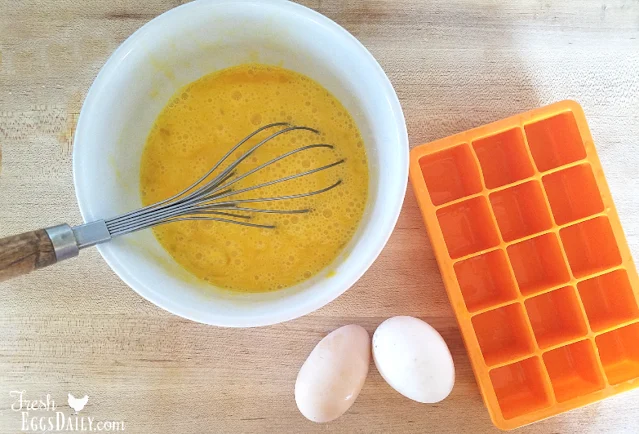
- Homogenization: The eggs are whisked gently. The goal is to break the yolks and combine them with the whites without incorporating excessive air, which could lead to an undesirable texture after thawing.
- Stabilization: Salt or sugar is added based on the volume of eggs being processed. This step is vital for ensuring that the defrosted product mimics the consistency of a fresh egg.
- Portioning: The mixture is poured into airtight containers or silicone molds. Many practitioners utilize ice cube trays to create standardized portions—typically two tablespoons of the mixture equals one large egg—which facilitates easier measurement during future recipe preparation.
- Labeling and Storage: Once frozen solid, the egg "cubes" are transferred to heavy-duty freezer bags. Each bag is labeled with the date, the number of eggs contained, and whether salt or sugar was added as a stabilizer.
Economic and Sustainability Data
The move toward egg preservation is supported by broader economic trends in the agricultural sector. Over the past three years, the price of eggs in the commercial market has seen significant volatility due to outbreaks of Highly Pathogenic Avian Influenza (HPAI) and rising grain costs. In early 2023, egg prices in the United States reached record highs, leading many consumers to invest in backyard flocks.
According to data from agricultural economists, the cost of maintaining a small flock remains relatively constant throughout the year, but the "price per egg" fluctuates based on seasonal output. By freezing surplus eggs in the summer—when the cost of production per unit is at its lowest due to high volume—poultry keepers can effectively "lock in" their food supply for the winter. This practice reduces the need to purchase expensive, commercially-produced eggs during the winter months, providing a buffer against market spikes.
Additionally, freezing eggs contributes to a reduction in food waste. It is estimated that a significant percentage of backyard eggs are wasted during peak production months because keepers cannot consume or give them away fast enough. Preservation extends the shelf life of an egg from approximately 3-5 weeks in the refrigerator to up to 12 months in a standard freezer.
Expert Perspectives and Industry Responses
Lisa Steele, a fifth-generation chicken-keeping expert and the founder of the Fresh Eggs Daily brand, has been a vocal advocate for these traditional "old-timer" methods updated with modern food safety standards. Steele, who hosts "Welcome to my Farm" on CreateTV and has authored six books on poultry management, emphasizes that the goal of the backyard keeper is to work with the natural rhythms of the birds rather than forcing production through artificial lighting.
"When you raise chickens, you know that it’s either feast or famine," Steele notes in her analysis of seasonal laying. She suggests that by accepting the winter hiatus as a necessary rest period for the hens, and by planning ahead through freezing, keepers can maintain a sustainable and humane farm environment.

While some industrial producers use supplemental lighting to keep hens laying year-round, many animal welfare advocates and small-scale farmers argue that this can lead to premature burnout and reproductive issues in the birds. The practice of freezing surplus eggs is seen as a middle ground that respects the biological needs of the poultry while ensuring the food security of the household.
Broader Impact and Implications for Food Security
The resurgence of interest in egg preservation is part of a larger cultural shift toward domestic self-sufficiency and food sovereignty. As global supply chains remain sensitive to geopolitical and environmental shocks, the ability to store high-quality protein at home is becoming an increasingly valued skill.
The implications of these preservation techniques extend beyond the individual kitchen. In rural communities, the exchange of preserved goods is a cornerstone of local economies. Furthermore, the practice encourages a deeper understanding of food origins and the environmental factors that govern agricultural output. By mastering the science of freezing eggs, modern homesteaders are reviving a form of seasonal living that was once common in pre-industrial society, where the abundance of the harvest was carefully managed to last through the lean months of winter.
In conclusion, the technical process of freezing eggs is a vital tool for the modern poultry keeper. By understanding the biological triggers of egg production, the chemical properties of egg yolks, and the economic benefits of long-term storage, individuals can navigate the seasonal fluctuations of farm life. This method ensures that even when the coop is quiet and the ground is frozen, the kitchen remains well-supplied with the essential ingredients for nourishment and tradition.