
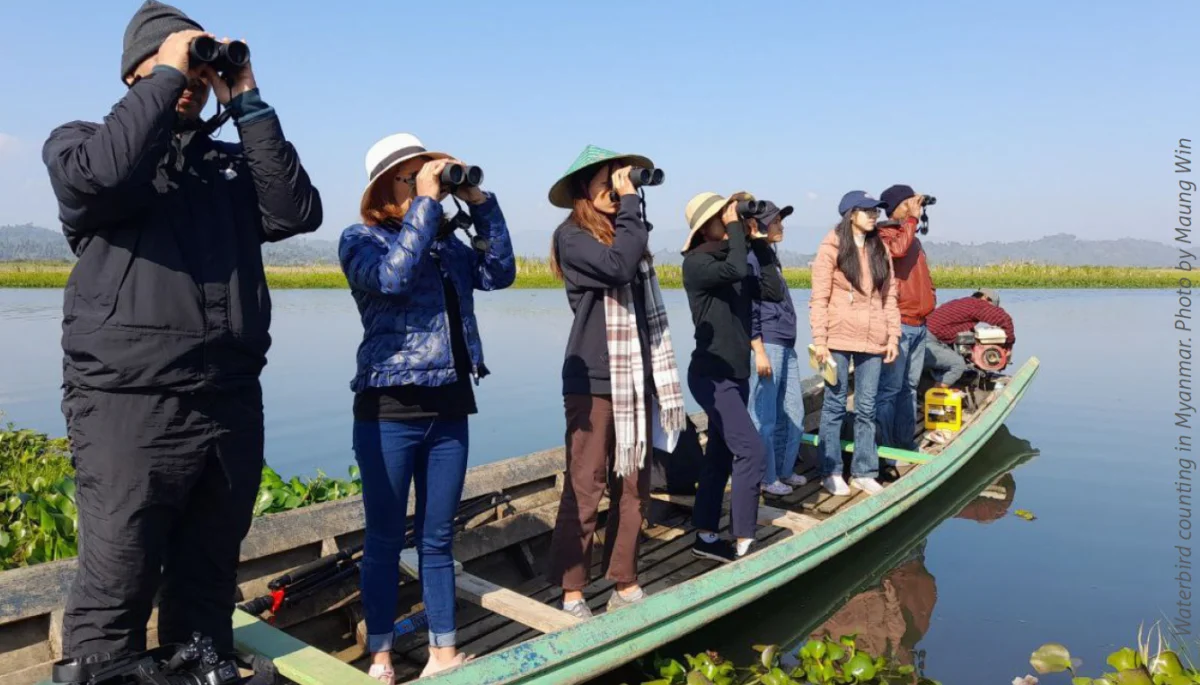
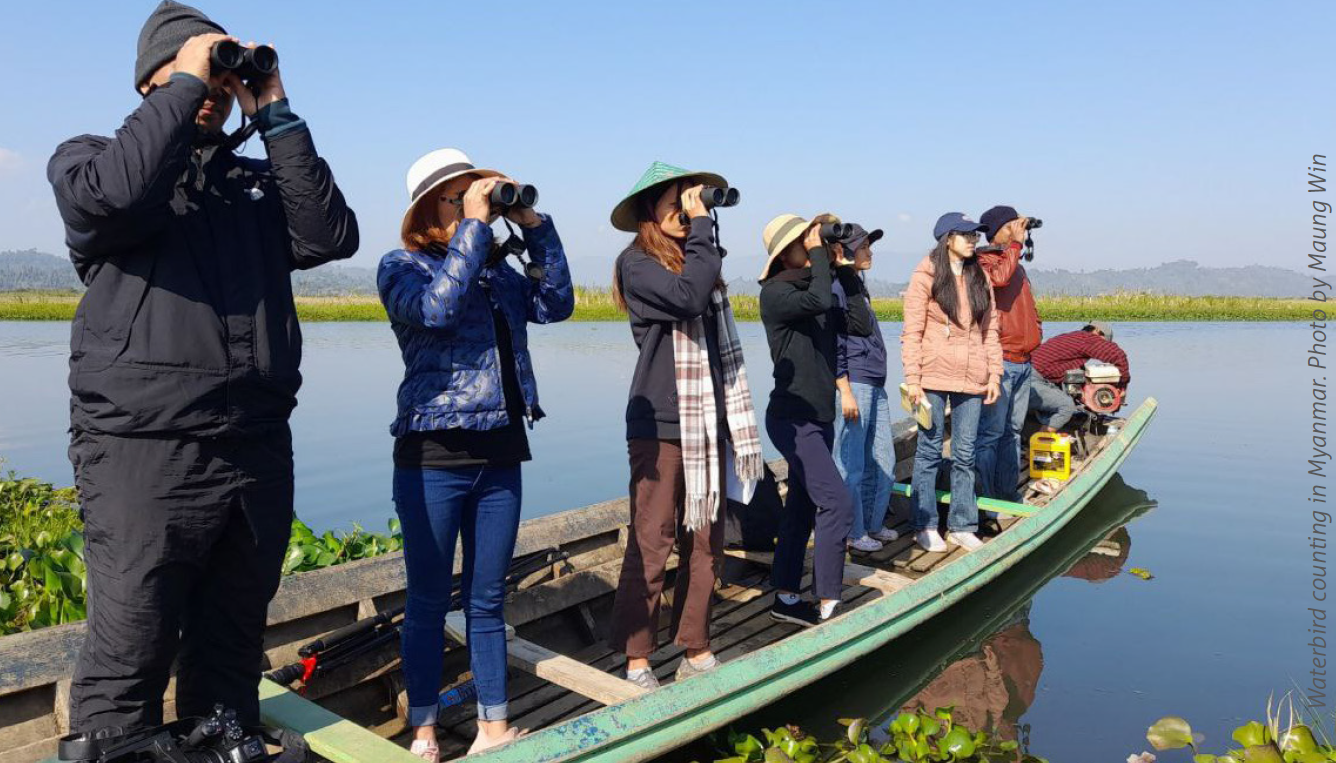
Tens of thousands of individuals are currently fanning out across wetlands worldwide to participate in the 60th edition of the International Waterbird Census (IWC), a citizen science initiative that has profoundly, though often unheralded, contributed to global conservation efforts for six decades. This extensive undertaking, initiated in 1967, has evolved into one of the planet’s most significant and enduring biodiversity monitoring projects, involving surveys at an estimated 67,000 wetlands across 189 countries and territories. The collected data is instrumental in understanding the health of waterbird populations and the critical habitats they rely upon, directly influencing conservation strategies and international policy.
A Legacy of Data and Dedicated Action
The IWC’s enduring success is a testament to the collective power of human dedication to nature. Coenraad Krijger, CEO of Wetlands International, a key coordinator of the IWC, emphasized its role as an "essential beacon of knowledge and collaboration that has underpinned conservation successes for waterbirds and wetlands across the globe." He further highlighted the current milestone as a "tribute to the tens of thousands of volunteers and scientists, and partners whose commitment has made global conservation stronger, more connected, and more effective."
The project’s core mission is to estimate waterbird population sizes and trends, identify and monitor crucial wetlands for these species, and ultimately support their protection and management. Over its 60-year history, the IWC has been pivotal in achieving substantial conservation victories. While specific recent successes were not detailed in the provided information, the project’s historical impact includes contributions to the establishment of numerous protected areas and the implementation of vital management plans for critical wetland ecosystems. The breadth of its reach is illustrated by its presence in 189 countries and territories, underscoring its global significance.
The Numbers Behind the Success
The scope of the IWC is truly remarkable. The project’s data has been instrumental in:
- Establishing Ramsar Wetlands of International Importance: The census has played a crucial role in identifying and advocating for the designation of these vital wetlands. Martin Harper, CEO of BirdLife International, noted that the IWC has helped establish 956 Ramsar Wetlands, collectively covering an impressive 1.5 million square kilometers. These designations are critical for international cooperation in wetland conservation, recognizing their global ecological importance.
- Identifying Important Bird Areas (IBAs): The IWC’s data has also been fundamental in pinpointing and safeguarding IBAs, which are sites recognized for their importance to bird populations. Harper indicated that the project has contributed to the identification of 2,701 IBAs, spanning an area of 1.75 million square kilometers. These areas are vital for the survival of many bird species, offering critical breeding, feeding, and migratory stopover sites.
- Informing Conservation Policy: The long-term, consistent data collection provided by the IWC offers invaluable insights into population dynamics, habitat health, and the impact of environmental changes. This data directly informs national and international conservation policies, guiding resource allocation and management strategies.
Waterbirds as Sentinels of Wetland Health
Waterbirds, due to their visibility and widespread presence across diverse wetland types, serve as excellent indicators of the health of these crucial ecosystems. Their populations are intrinsically linked to the quality and availability of wetlands, which are themselves vital for countless other species and for human well-being. Wetlands act as natural filters, provide flood control, support biodiversity, and are crucial for carbon sequestration, playing a significant role in climate regulation.
However, these invaluable ecosystems are under severe threat. Krijger stated, "Wetlands are our life support systems as well as sustaining the world’s waterbirds and countless other species, but we have lost 22% of our remaining wetlands since 1970 and we are continuing to lose them at an alarming rate." This alarming statistic underscores the urgency of conservation efforts and the critical role of monitoring initiatives like the IWC.
The IWC’s Impact on Wetland Protection
The IWC’s strategic focus on iconic waterbirds has had a powerful ripple effect, drawing crucial attention to the plight of wetlands. Krijger explained, "By focusing on iconic waterbirds, the IWC has shone a critical spotlight on wetlands, inspiring decision makers across the world to conserve them." This approach leverages the public’s fascination with birds to advocate for the protection of entire ecosystems.
The cost-effectiveness and long-term nature of the IWC’s monitoring program have yielded invaluable data that has:
- Guided international policy frameworks: The data has been used to inform decisions related to migratory species and the designation of protected areas.
- Enabled targeted conservation actions: By identifying critical sites and understanding population trends, conservationists can direct resources where they are most needed.
- Demonstrated the impact of human activities: The IWC data helps to quantify the effects of habitat degradation, pollution, and unsustainable resource use on waterbird populations and their environments.
- Provided evidence for the importance of wetland restoration: By highlighting the decline of waterbirds and wetlands, the census data serves as a compelling argument for investment in restoration projects.
Addressing Emerging Threats: Climate Change and Disease
Beyond habitat loss, waterbirds and their wetland homes face increasing pressure from climate change. Harper noted, "The census also paints a worrying picture of the impact of climate change: waterbird distributions are already shifting – what will this mean for these iconic species, their wetlands, and people? We need to support the IWC to help us chart the best choices for conservation." Changes in temperature, precipitation patterns, and sea levels can profoundly alter wetland ecosystems, impacting food availability, breeding cycles, and migratory routes.
Furthermore, the IWC data is essential for tracking the impact of emerging threats such as avian influenza. By monitoring wild bird populations, scientists can gain early warnings of disease outbreaks and understand their potential spread. This information is crucial for both wildlife health and public health initiatives.
The concerning decline in many waterbird populations, particularly waders, directly reflects the pressures on their diverse habitats, including wetlands, grasslands, and tundra ecosystems along their extensive flyways. The IWC’s ability to detect these declines is vital for proactive conservation.

The Power of Continuity and Collaboration
The success of the IWC hinges on its unwavering continuity and the dedicated efforts of individuals on the ground. Jean Jalbert, Director General of Tour du Valat, emphasized this point, stating, "Having people on the ground is the only way to gather this critical data on the health of the world’s waterbirds and their wetlands – habitats that sustain our communities and cities as well as countless other species."
Taej Mundkur, International Waterbird Census Coordinator, elaborated on the project’s strength: "The power of the IWC lies in its continuity. Repeating the same coordinated efforts year after year builds a long-term record that allows us to see beyond short-term fluctuations, understand real population trends, and deliver effective solutions." This consistent data collection allows for robust trend analysis, distinguishing genuine population shifts from short-term environmental variability.
Mundkur concluded with a powerful statement about the human element: "The IWC depends on ordinary people – volunteers from Argentina to Japan who care for our shared world and want to help safeguard waterbirds and wetlands for future generations. Together, they are inspiring action." The IWC stands as a beacon of what can be achieved when scientific rigor meets the passion and commitment of citizen scientists worldwide, ensuring a healthier future for both avian populations and the vital wetland ecosystems they inhabit.
Looking Ahead: The Next 60 Years
As the IWC embarks on its next six decades, the data collected will be even more critical. The increasing pressures from climate change, habitat destruction, and human development necessitate a robust and continuous monitoring program. The IWC’s legacy of data-driven conservation, built on the dedication of countless volunteers, provides a solid foundation for tackling these future challenges and ensuring the survival of waterbirds and the invaluable wetlands they depend upon. The project’s ability to adapt and integrate new technologies and methodologies will be key to its continued success in safeguarding these vital natural resources for generations to come.