
In an era increasingly dominated by the pursuit of hyper-sharpness and technical flawlessness in photography, Mohammad Murad, a distinguished wildlife photographer and Canon EMEA Ambassador from Kuwait, has consciously forged a path less traveled. His approach transcends mere documentation, delving into the realms of artistic interpretation and emotional resonance, where motion, light, and the raw essence of feeling serve as the primary visual language. Murad’s wildlife photography is not simply a record of the natural world but an expressive narrative, inviting viewers to connect with the stories and intrinsic pulse of the wild as he perceives it. This unique philosophy positions his work at the forefront of a growing movement within nature photography that prioritizes evocative artistry over clinical precision.

Redefining Wildlife Photography: An Art of Interpretation
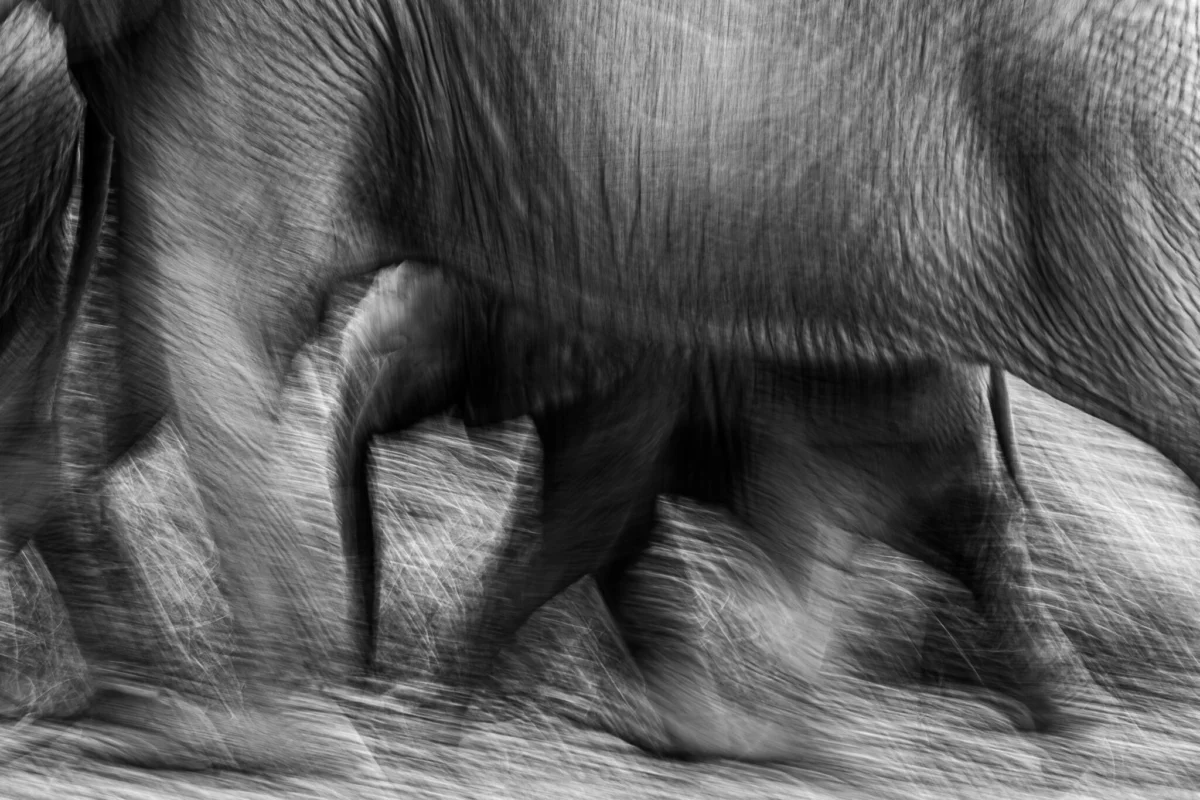
Murad’s artistic awakening can be traced back to a pivotal moment involving a flock of cormorants. Recalling the incident, he describes lowering his shutter speed, an experimental impulse that unexpectedly transformed the scene into a fluid, living tableau—a "painting of movement, drawn by wings and ripples." This experience marked a profound shift from the conventional, static capture of wildlife, igniting a realization that photography possessed the potential to "pulse with life." Since then, Murad has consistently embraced techniques designed to infuse his images with dynamic energy. These include slow shutter speeds, which intentionally blur motion; panning, where the camera tracks a moving subject to create a sharp subject against a streaked background; and Intentional Camera Movement (ICM), a technique that involves moving the camera during a long exposure to create abstract, painterly effects. These methods are not just technical exercises for Murad; they are fundamental tools through which he articulates the vibrant, often unseen, rhythm of nature. His work challenges the traditional expectations of wildlife photography, suggesting that the true essence of a moment can often be conveyed more powerfully through an impressionistic lens than through a perfectly frozen frame. This artistic choice resonates with contemporary art movements that seek to evoke feeling and personal connection, positioning wildlife photography not just as a scientific record, but as a legitimate form of fine art.

The Dance of Light and Shadow: Crafting Emotional Narratives
For Murad, light is far more than a source of illumination; it is an indispensable storyteller, shaping the mood and emotional landscape of each image. He possesses a keen ability to discern how varied lighting conditions can dramatically alter a scene, transforming the familiar into something mysterious or sublime. Golden hour light, for instance, can soften rugged landscapes and imbue subjects with a warm, ethereal glow, while deep shadows can introduce tension, drama, and a sense of depth. Backlighting, a technique Murad frequently employs, can turn a commonplace bird into a poetic silhouette, emphasizing form and movement over intricate detail. His process is often dictated by the natural light, allowing it to guide his exposure settings and influence the overall narrative. Murad recounts spending hours patiently waiting for the precise quality of light to filter through a scene, not with the aim of achieving technical perfection, but to capture the authentic feeling of the moment. This patient, contemplative approach underscores his commitment to letting the environment itself dictate the story, leveraging light to evoke a deeper, more visceral connection between the viewer and the wild. This dedication to light manipulation aligns with principles of classical painting, where light is a primary tool for creating atmosphere and guiding the viewer’s eye, demonstrating Murad’s artistic depth and mastery of his craft.

Urban Wilderness: Arabian Red Foxes in Kuwait City
One of Murad’s most compelling projects involved documenting Arabian red foxes within the urban sprawl of Kuwait City, specifically in the coastal area of Doha. This series offers a poignant exploration of wildlife adaptability and the delicate balance between nature and encroaching human development. Framed by the vibrant, multicolored glow of streetlights and car lights reflecting off the sea, Murad captured the magical glow of the urban night. To achieve the distinctive rim light that highlights his subjects, he innovatively used two small handheld flashlights, patiently waiting for a mother fox to unearth food she had meticulously hidden for her cubs. This unique blend of natural ambient light and subtle artificial illumination allowed him to capture intimate moments of urban wildlife, revealing a seldom-seen facet of life in a bustling metropolis.

The genesis of this project involved an extraordinary commitment. For over two months, Murad visited the fox den four days a week, spending countless hours after sunset. His initial approach was one of respectful distance, a crucial ethical practice in wildlife photography. Gradually, through consistent presence and non-intrusive observation, the foxes began to habituate to his presence, developing a remarkable level of trust. Murad recounts deeply personal interactions, with the foxes even approaching his gear, "licking the camera and my feet as I sat quietly." This profound connection was amplified by his own role as a father to five children, mirroring the fox family he was observing. This personal empathy imbued his mission with a strong sense of responsibility, compelling him not just to photograph but to protect these resilient creatures navigating an increasingly urbanized landscape. The Arabian red fox (Vulpes vulpes arabica), a subspecies native to the Arabian Peninsula, is known for its adaptability, frequently found in desert, mountain, and coastal habitats, including urban fringes. However, habitat fragmentation and human-wildlife conflict remain significant challenges. Murad’s work serves as a vital artistic and documentary testament to the presence of these animals, subtly advocating for their recognition and protection within a rapidly developing region. His images remind us that wilderness is not confined to remote national parks but can flourish, albeit precariously, within the very fabric of our cities.

Global Expeditions: Lessons from Extreme Landscapes
Murad’s photographic journeys have taken him far beyond the urban edges of Kuwait, leading him to the harsh, yet stunning, landscapes of Mongolia and Iceland. Each expedition has presented unique challenges and invaluable lessons in resilience, adaptability, and the embrace of serendipity. He vividly recalls enduring lost luggage, relentless arctic winds, and extreme temperatures, including -34°C in Mongolia. Rather than deterrents, these adversities became "teachers in disguise," reinforcing the understanding that nature operates on its own terms, oblivious to human plans.

In Iceland’s remote Hornstrandir Nature Reserve, an area untouched by human development since the 1950s, Murad encountered the Arctic fox. His photograph of an Arctic fox peacefully napping behind snow-covered plants, curling its nose under its tail while gazing into his lens, exemplifies his dedication to capturing intimate, undisturbed moments. This reserve, accessible only by a rough boat ride, embodies pure nature and unmatched tranquility, offering a stark contrast to the urban environment of Kuwait. The Arctic fox (Vulpes lagopus) is renowned for its resilience in extreme cold, its thick fur providing insulation against sub-zero temperatures. Murad’s image not only captures the beauty of the animal but also the profound peace of its undisturbed habitat.

His pursuit of the elusive snow leopard in the Altai Mountains of Mongolia further tested his mettle. After battling fierce winds and biting cold, Murad was rewarded with a rare glimpse of this magnificent predator. His image shows the snow leopard (Panthera uncia) blending almost perfectly into the fiery orange lichens and rugged rocks, a testament to its legendary camouflage. The snow leopard is listed as Vulnerable on the IUCN Red List, with an estimated global population of 2,710 to 3,380 mature individuals. Major threats include poaching, habitat loss, and climate change. Murad’s photograph not only celebrates the aesthetic beauty of this endangered species but also underscores the urgent need for its protection. These challenging expeditions have instilled in Murad the philosophy that "nature doesn’t wait for the perfect moment, and neither should we." He advocates for moving with nature, allowing scenes to unfold organically, recognizing that the most profound images often emerge from moments of unplanned authenticity. This highlights a crucial aspect of high-level wildlife photography: the ability to adapt to unpredictable conditions and embrace the unexpected, transforming obstacles into opportunities for unique artistic expression.

Beyond Documentation: The Quest for a Creative Voice
At the very heart of Mohammad Murad’s photographic endeavor lies a profound desire to express more than just the visible. His ambition is for his images to be felt, to resonate deeply on an emotional plane with the viewer. This pursuit drives his continuous experimentation with techniques that extend beyond conventional representational photography. He strives to translate the inherent fragility of a bird in flight, the collective resilience of a herd against vast landscapes, or the unspoken, silent communication between predator and prey. Murad’s body of work is not merely about showcasing wildlife; it is an intimate sharing of his interpretation of life itself—its dynamism, its struggles, and its fleeting beauty.

He passionately encourages fellow photographers to liberate themselves from the relentless pursuit of technical perfection, urging them instead to trust their creative instincts and embrace their unique artistic voices. In a world saturated with technically impeccable but often emotionally sterile images, Murad’s philosophy serves as a powerful reminder of art’s capacity to evoke, to connect, and to inspire. His abstract representations, such as the seagulls in flight along Kuwait’s seaside captured with slow shutter speed to create an "abstract, fiery-wing effect," or the blurred image of a baby elephant and its mother, are deliberate choices to add mystery and express his inner self. He likens this process to a violinist playing a personal melody, allowing the viewer their own interpretation. This approach expands the boundaries of wildlife photography, integrating it firmly into the broader discourse of contemporary art, where personal expression and emotional impact are paramount.

Conclusion: An Ongoing Conversation with Nature
Mohammad Murad’s journey as a photographer is characterized as an unending voyage, a "dance between light and shadow, motion and stillness, precision and chance." Through his distinctive images, he endeavors to draw viewers into this intricate dance, to enable them to perceive and feel the world’s heartbeat. Each frame he meticulously captures carries not only the subject’s story but also a fragment of his own—his personal challenges, his profound sense of wonder, and his deep-seated respect for the natural world.

His work stands as a testament to the power of artistic interpretation in wildlife photography, moving beyond the literal to uncover deeper truths and emotional connections. Murad’s dedication to capturing the soul of nature through unconventional techniques serves as an inspiring example for aspiring and established photographers alike. He hopes his artistic vision will encourage others to look beyond superficial appearances, to discover their own unique rhythm within the wild, and to perceive photography not merely as a technical craft but as an ever-evolving, deeply personal conversation with the natural environment. In doing so, Murad not only creates breathtaking art but also fosters a heightened appreciation and, ultimately, a greater commitment to the conservation of our planet’s precious biodiversity.