
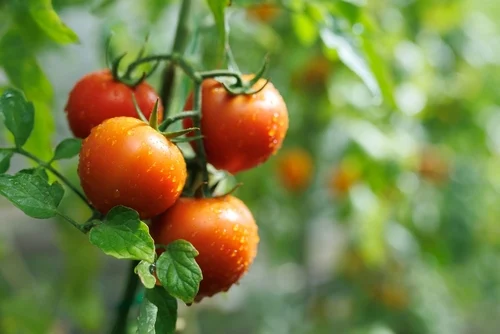
In the burgeoning world of backyard poultry management, the intersection of garden produce and avian diet has become a subject of significant scrutiny among veterinarians, agronomists, and hobbyists alike. While chickens are frequently celebrated for their omnivorous nature and their ability to process various kitchen scraps, certain botanical families present complex nutritional profiles that require careful navigation. Central to this discussion is the tomato (Solanum lycopersicum), a staple of summer gardens that belongs to the Solanaceae, or nightshade, family. While the ripe fruit offers a dense array of antioxidants and essential vitamins, the plant’s vegetative structures and its unripe fruit harbor naturally occurring toxins—solanine and tomatine—that can pose severe health risks to a flock. Understanding the delicate balance between the nutritional benefits of the tomato and the chemical defenses of the nightshade family is essential for maintaining a healthy, high-producing backyard flock.
The Chemical Composition of the Nightshade Family
To understand the risks associated with feeding tomatoes to chickens, one must first examine the chemical defenses inherent in the Solanaceae family. This family includes not only tomatoes but also potatoes, peppers, and eggplants. These plants produce glycoalkaloids as a natural defense mechanism against herbivores, insects, and fungi. The primary toxins of concern in this context are solanine and tomatine. Solanine is a bitter-tasting steroidal alkaloid that acts as a cholinesterase inhibitor. When ingested in sufficient quantities, it disrupts the nervous system by preventing the breakdown of acetylcholine, leading to a range of neurological and digestive symptoms.

Tomatine, specifically found in tomato plants, is a related glycoalkaloid. While it is generally considered less toxic to humans than solanine, its impact on avian physiology—particularly in smaller or younger birds—can be significant. These toxins are most concentrated in the "green" parts of the plant: the stems, leaves, and the calyx (the small green leaves at the top of the fruit). Furthermore, unripe, green tomatoes contain substantially higher levels of these alkaloids than their red, fully ripened counterparts. As the fruit matures, the concentration of these toxins diminishes to levels that are generally considered safe for consumption by healthy adult poultry, provided they are offered in moderation.
Assessing the Risks: Symptoms of Glycoalkaloid Poisoning
The ingestion of toxic levels of solanine or tomatine can lead to a condition often referred to as nightshade poisoning. Because chickens have a relatively small body mass compared to larger livestock, even moderate amounts of toxic plant material can trigger acute symptoms. Veterinary reports and avian health studies categorize the symptoms of solanine poisoning into neurological and gastrointestinal distress.
Initial signs of toxicity often manifest as digestive upset, including severe diarrhea and abdominal pain. As the toxin affects the central nervous system, birds may exhibit a slowed heart rate (bradycardia) and a noticeable drop in body temperature. In advanced cases, chickens may suffer from lethargy, loss of appetite, and respiratory distress. Vomiting, though less common in birds than in mammals, can also occur. Tomatine poisoning specifically is frequently associated with nausea, abdominal cramps, and diarrhea. For young chicks, whose immune systems and organs are not yet fully developed, or for older birds with underlying health conditions, the consumption of green tomato skins or vines can be fatal. Consequently, the consensus among poultry experts is that these materials should be strictly excluded from the avian diet.

Nutritional Benefits of Ripe Tomatoes
Despite the risks associated with the vegetative parts of the plant, the fully ripened fruit of the tomato is a nutritional powerhouse that can contribute positively to a chicken’s diet when managed correctly. Tomatoes are an excellent source of several key micronutrients:
- Vitamins A and C: These are vital for immune system function. Vitamin A is particularly important for respiratory health and the maintenance of epithelial tissues, while Vitamin C acts as a potent antioxidant, helping birds manage heat stress and environmental challenges.
- Vitamin K: Essential for blood clotting and bone metabolism, Vitamin K ensures that hens maintain skeletal integrity, especially during high-production laying cycles.
- Potassium: This mineral is crucial for fluid balance, nerve signals, and muscle contractions.
- Carotenoids and Lycopene: Tomatoes are famous for their high lycopene content. In poultry, these antioxidants can improve the pigment of egg yolks, resulting in a richer, more vibrant orange color, which is often a hallmark of high-quality, farm-fresh eggs.
When integrated into a balanced feeding program, these nutrients support vision health, bone density, and overall digestive efficiency. However, the presence of these benefits does not negate the need for strict portion control.
The 10 Percent Rule and Dietary Management
A fundamental principle in modern poultry science is that "treats"—any food item that is not a scientifically formulated commercial poultry feed—should comprise no more than 10 percent of a chicken’s total daily intake. For the average adult hen, this equates to approximately one to two tablespoons of supplemental food per day.

The rationale behind this limitation is twofold. First, commercial feeds are precisely balanced to provide the exact ratios of protein, calcium, and phosphorus required for egg production and feather growth. Overloading a bird’s crop with watery, low-protein fruits like tomatoes can dilute their nutrient intake, leading to thinner eggshells or reduced laying frequency. Second, even ripe tomatoes contain trace amounts of alkaloids. By limiting the quantity, owners ensure that the bird’s liver and kidneys can process these compounds without reaching a threshold of toxicity.
Chronology of Avian Dietary Standards
The perspective on feeding garden scraps to chickens has evolved significantly over the last century. In the early 20th century, farm chickens were largely self-sufficient, foraging for insects and seeds while consuming whatever household waste was available. During this era, knowledge of specific toxins like solanine was limited to acute cases of livestock death, and "scraps" were seen as a primary food source.
By the 1950s and 60s, the rise of industrial poultry farming led to the development of highly specific "complete" feeds. Research during this period focused on maximizing growth rates and egg output, leading to a more clinical understanding of avian nutrition. It was during this time that researchers began to document the negative impacts of certain alkaloids on egg production and mortality rates.

In the contemporary era, the resurgence of backyard homesteading has blended these two worlds. Modern keepers seek to provide a "natural" life for their birds while utilizing the scientific data available to avoid the mistakes of the past. This has led to the current "safe list" and "avoid list" protocols used by reputable poultry organizations today, which clearly categorize the green parts of nightshade plants as hazardous.
Implications for Garden Design and Biosecurity
The risk of tomato toxicity carries practical implications for how backyard enthusiasts design their coop and garden layouts. Because chickens are opportunistic foragers, they may instinctively peck at tomato vines or low-hanging green fruit if they are allowed access to the vegetable patch.
To mitigate this risk, many experts recommend the following biosecurity measures:

- Fencing and Barriers: Utilizing hardware cloth or poultry netting to surround tomato plants ensures that birds cannot reach the stems or leaves.
- Strategic Planting: Planting nightshades in raised beds or containers that are elevated above the "peck zone" of the flock.
- Cleanup Protocols: Ensuring that at the end of the growing season, spent tomato vines are removed and composted in an area inaccessible to the birds, rather than being left in the run for the chickens to investigate.
Expert Reactions and Industry Guidelines
The consensus among avian veterinarians and agricultural extension offices is one of "informed caution." Dr. Lisa Steele, a prominent expert in natural poultry keeping, emphasizes that while tomatoes are a favorite summer treat, the distinction between the fruit and the plant is non-negotiable. "I don’t give my chickens leaves or stems from pepper, eggplant, or tomato plants," Steele notes, citing the potential for toxicity.
Industry guidelines from organizations such as the Association of Avian Veterinarians (AAV) reinforce that the primary diet should always be a high-quality crumble or pellet. They suggest that when feeding tomatoes, keepers should ensure the fruit is "table-ripe"—meaning it is soft, fully colored, and free from any green streaks. Furthermore, any fruit that has begun to mold should be discarded, as mycotoxins from decaying produce can be just as lethal as solanine.
Broader Impact on Flock Health
The discussion surrounding tomatoes and chickens reflects a broader trend toward holistic animal husbandry. As more people treat backyard chickens as "pets with benefits" rather than mere livestock, there is a heightened demand for information regarding long-term wellness and preventative care.

The proactive avoidance of nightshade toxins is a key component of this wellness-centric approach. By understanding the science of plant defenses, poultry keepers can provide a varied, enriching diet that mimics natural foraging without exposing their birds to avoidable chemical threats. This careful management results in a more resilient flock, higher quality egg production, and a reduced need for veterinary intervention.
In conclusion, while the tomato can be a healthy, hydration-rich addition to a chicken’s summer diet, it must be approached with an understanding of its botanical heritage. The leaves, stems, and green fruits are toxic reservoirs of solanine and tomatine that have no place in a poultry run. By adhering to the "ripe only" rule and maintaining the strict 10 percent treat threshold, keepers can safely enjoy the bounty of their garden alongside their flock, ensuring that their chickens remain both well-fed and well-protected from the hidden dangers of the nightshade family.