
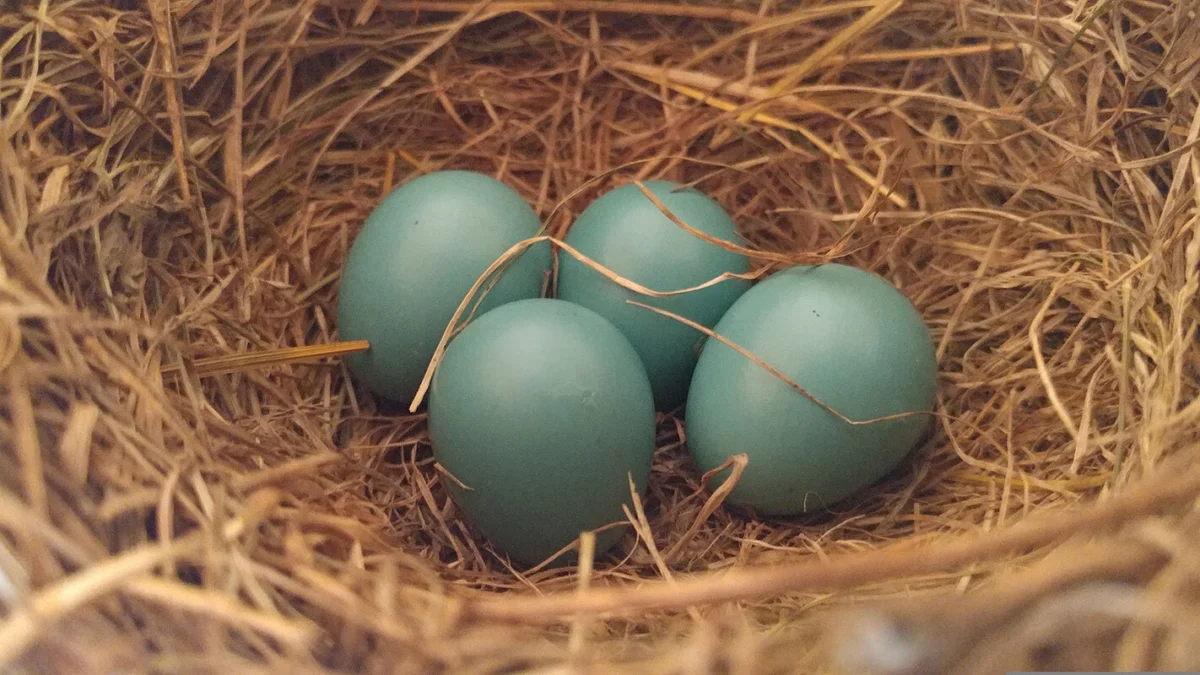
Every spring, a charming yet scientifically inaccurate narrative takes hold: that of the Easter Bunny, a mythical creature credited with laying and hiding vibrantly colored eggs for children to discover. While this tradition, deeply ingrained in many cultures, brings joy and a sense of wonder, it often overshadows the far more ancient and biologically sophisticated egg-laying prowess of avian species. Birds, the true virtuosos of the ovum world, have been meticulously crafting eggs in a breathtaking array of colors, shapes, and patterns for millions of years, likely observing with quiet amusement how a terrestrial mammal became the symbol of their natural artistry.
The prevalence of blue eggs in the avian kingdom is a testament to nature’s diverse palette. Birdfy.com, a notable ornithological resource, catalogs an impressive 26 distinct bird species that produce blue eggs. Intriguingly, only a fraction of these species themselves exhibit blue plumage, suggesting the coloration of their eggs is driven by evolutionary and biological imperatives rather than mere aesthetic mimicry. Further exploration into the fascinating world of egg coloration can be found on the Cornell Lab All About Birds website, under their "Beauty and Biology of Egg Color" blog. This resource showcases an astonishing spectrum of avian eggs, ranging from the deepest, most captivating blues to those adorned with speckles and swirls that evoke the appearance of chocolate or marbled art. In stark contrast, the eggs of parrots, a group often admired for their vibrant feathers, are almost universally a demure, matte white, highlighting the wide variability within avian reproductive strategies.
Beyond their aesthetic appeal, bird eggs are paragons of functional engineering. Their coloration is not arbitrary but serves critical survival functions. For many species, egg color acts as a vital form of camouflage, enabling them to blend seamlessly with their surroundings, whether it be the dappled light of a forest floor, the rough texture of a rocky outcrop, or the muted tones of nesting materials. This camouflage is crucial for evading predators that might otherwise be drawn to conspicuous eggs. Furthermore, egg color can serve as an indicator of the hen’s health and nutritional status, potentially signaling to the male or even influencing the incubation behavior of the parents. The diversity in egg shapes and patterns is equally remarkable, mirroring the vast evolutionary adaptations of birds themselves. Unlike the artificially dyed eggs of holiday traditions, the natural creations of birds are the product of sophisticated biological processes, meticulously designed for protection, survival, and the successful development of the next generation.
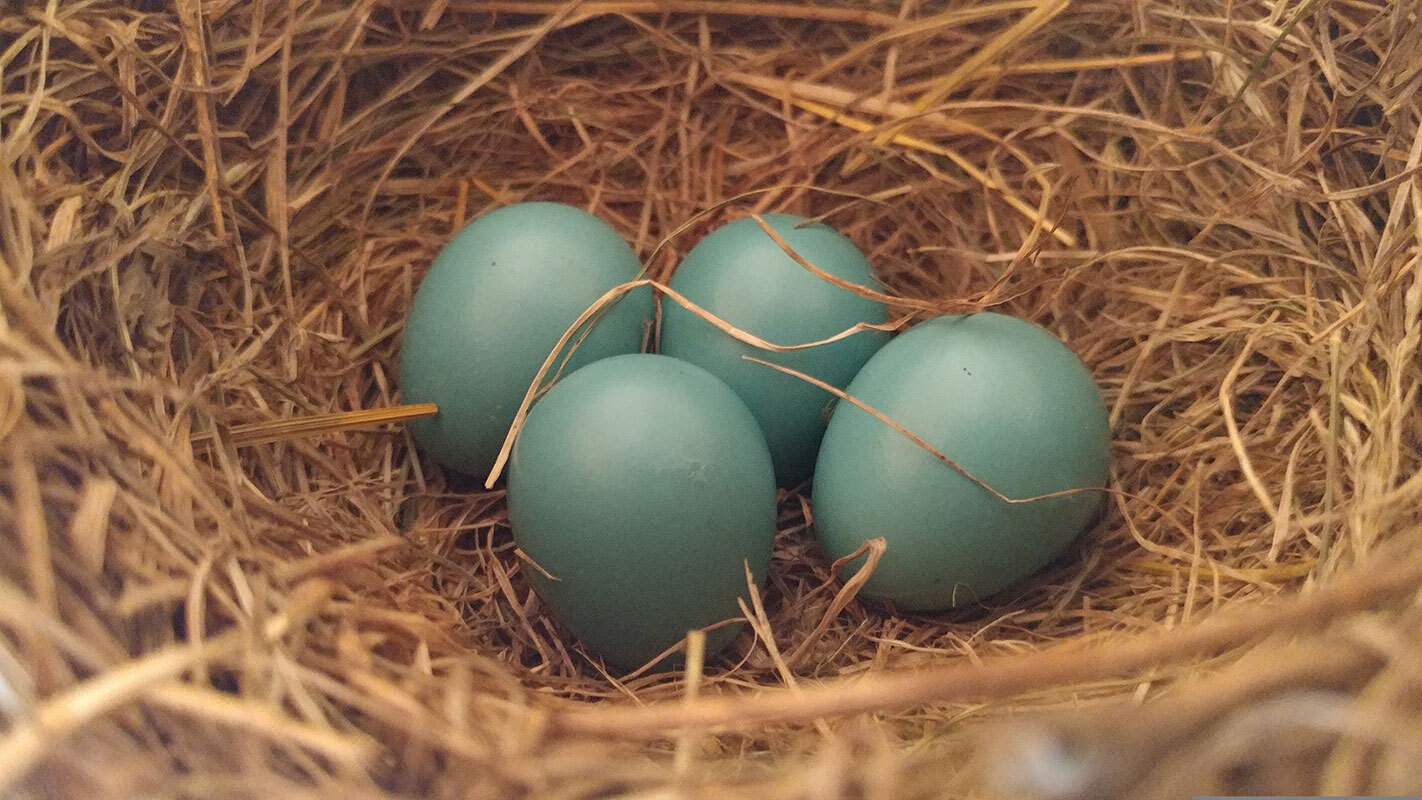
Delving deeper into the biomechanics of egg formation, scientific inquiry has illuminated the intricate factors that influence an egg’s shape. A study featured in Harvard Magazine, "The Theory of How Bird Egg Shapes Form," posits a compelling link between a bird’s flight capabilities and the morphology of its eggs. Species that are strong, agile fliers tend to lay more elliptical or pointed eggs, a shape that may offer aerodynamic advantages during transport or nesting. Conversely, weaker fliers often produce rounder eggs. Beyond this, biophysical models have demonstrated how the interplay between the eggshell membrane and internal pressure can contribute to the full spectrum of natural egg shapes observed in the wild, from the near-spherical to the elongated and ovate.
Furthermore, research highlighted in Science News suggests an evolutionary adaptation in egg pigmentation related to climate. Studies indicate that birds inhabiting colder regions often lay eggs with darker pigmentation. This darker hue is hypothesized to enhance solar heat absorption, a crucial strategy for maintaining optimal embryonic temperatures in environments where ambient warmth is scarce. This adaptive coloration can significantly improve the survival rates of embryos, underscoring the profound connection between an egg’s appearance and its environmental context.
The Genesis of the Egg-Laying Rabbit Myth: A European Legacy
The enduring image of the Easter Bunny delivering colorful eggs, while a beloved cultural phenomenon, has its roots in historical traditions that predate modern Easter celebrations. The notion of a hare or rabbit as a symbol of spring and fertility is ancient, often linked to pagan spring festivals and the goddess Eostre, from whom the name "Easter" is believed to derive. In parts of Europe, particularly Germany, folklore emerged around the "Osterhase" (Easter Hare). This folkloric figure was envisioned as a discerning judge of behavior, rewarding well-behaved children with brightly colored eggs.
The origins of this tale can be traced back to the 17th century. The Easter Hare, with its remarkable reproductive capabilities, became a natural symbol of springtime renewal and burgeoning life. As these traditions spread, particularly with German immigration to other parts of the world, the concept of the Osterhase evolved into the familiar Easter Bunny, a bringer of painted eggs. This narrative, passed down through generations, solidified the whimsical idea of rabbits laying eggs, despite the biological reality that rabbits, like all mammals, give birth to live young. The enduring appeal of this story speaks to humanity’s fascination with fertility, the arrival of spring, and the magical elements that enrich childhood experiences.
Nests: A Shared Habitat, Divergent Designs
While the method of reproduction differs drastically, rabbits and birds share a fundamental behavior: the construction of nests. However, the architectural styles and parental involvement in these nesting sites are markedly distinct. Bird nests, renowned for their intricate designs and varied locations, can be found suspended from branches, nestled in tree cavities, built on cliffs, or even intricately woven into the foundations of human dwellings. The materials used range from twigs and grasses to mud, moss, and even the softest down feathers, all meticulously assembled to provide a secure and insulated environment for eggs and developing chicks. Parental birds typically engage in sustained incubation, diligently sitting on their eggs to maintain the necessary warmth for embryonic development, and actively participate in feeding and protecting their young once hatched.
Rabbit nests, in contrast, are far more rudimentary and their construction reflects a different set of survival priorities. Rather than being built above ground, rabbit nests are typically shallow depressions dug into the earth, often concealed beneath vegetation or in a sheltered spot. The mother rabbit lines this hollow with soft fur meticulously plucked from her own body, creating a warm and insulated chamber for her young, known as kits. Dried grass and leaves are then used to further camouflage and protect the nest from view. Unlike birds, mother rabbits do not remain with their young in the nest. To minimize the risk of attracting predators to the vulnerable kits, she visits the nest only once or twice a day, typically at dawn and dusk, for brief feeding sessions. This nocturnal or crepuscular pattern of care is a critical adaptation for ensuring the survival of her litter in an environment fraught with danger.
The Broader Implications: Understanding Nature’s Diversity
The juxtaposition of the Easter Bunny tradition with the biological realities of avian reproduction offers a valuable opportunity to appreciate the sheer diversity and ingenuity of the natural world. While the whimsical narrative of the Easter Bunny provides a delightful cultural touchstone, it can also serve as a gateway to understanding the sophisticated adaptations and evolutionary triumphs of actual egg-laying creatures, particularly birds.
The study of egg coloration, shape, and nesting behaviors provides a window into ecological pressures, evolutionary strategies, and the intricate web of life. For ornithologists and biologists, this research contributes to a deeper understanding of avian populations, their reproductive success, and their vulnerability to environmental changes. For the general public, it fosters a greater appreciation for the natural world and the remarkable feats of engineering that occur daily in our backyards and beyond.

The ongoing research into eggshell composition, coloration pigments, and the biophysics of egg formation continues to reveal fascinating insights. These scientific endeavors not only expand our knowledge of avian biology but also have potential applications in fields such as biomaterials and engineering, drawing inspiration from nature’s time-tested designs. As we embrace the traditions of spring, it is also a opportune moment to acknowledge and celebrate the true architects of the colorful, functional, and life-sustaining eggs that grace our planet – the birds. Their enduring legacy is not one of myth, but of millions of years of evolutionary artistry, a testament to the power and beauty of natural selection.