
Every spring, a whimsical notion takes root in popular culture: the idea that rabbits, those prolific mammals, are responsible for laying and hiding vibrantly colored eggs for children to discover. While this charming tradition, embodied by the Easter Bunny, captivates imaginations, it stands in stark contrast to the biological reality orchestrated by avian species. Birds, the true masters of egg production, have been creating remarkably beautiful and intricately designed eggs for millions of years, a testament to their evolutionary prowess. It’s a curious paradox that these feathered architects of the natural world, responsible for a breathtaking spectrum of egg colors and forms, often find their own impressive achievements overshadowed by a folkloric hare.
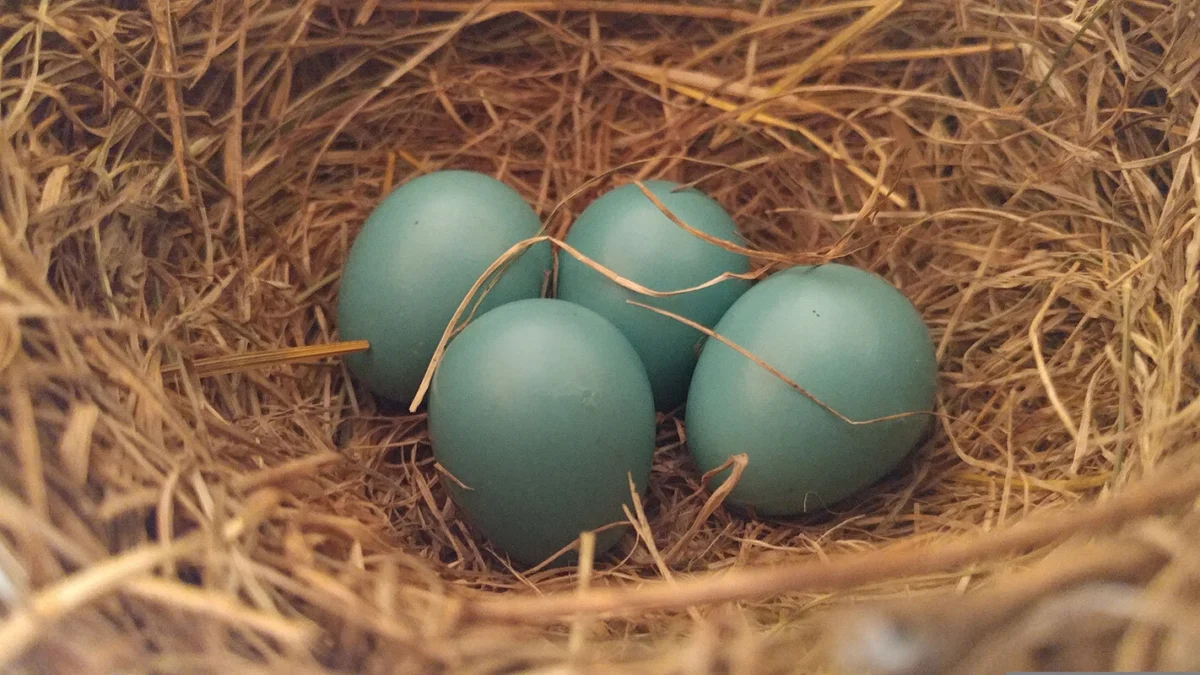
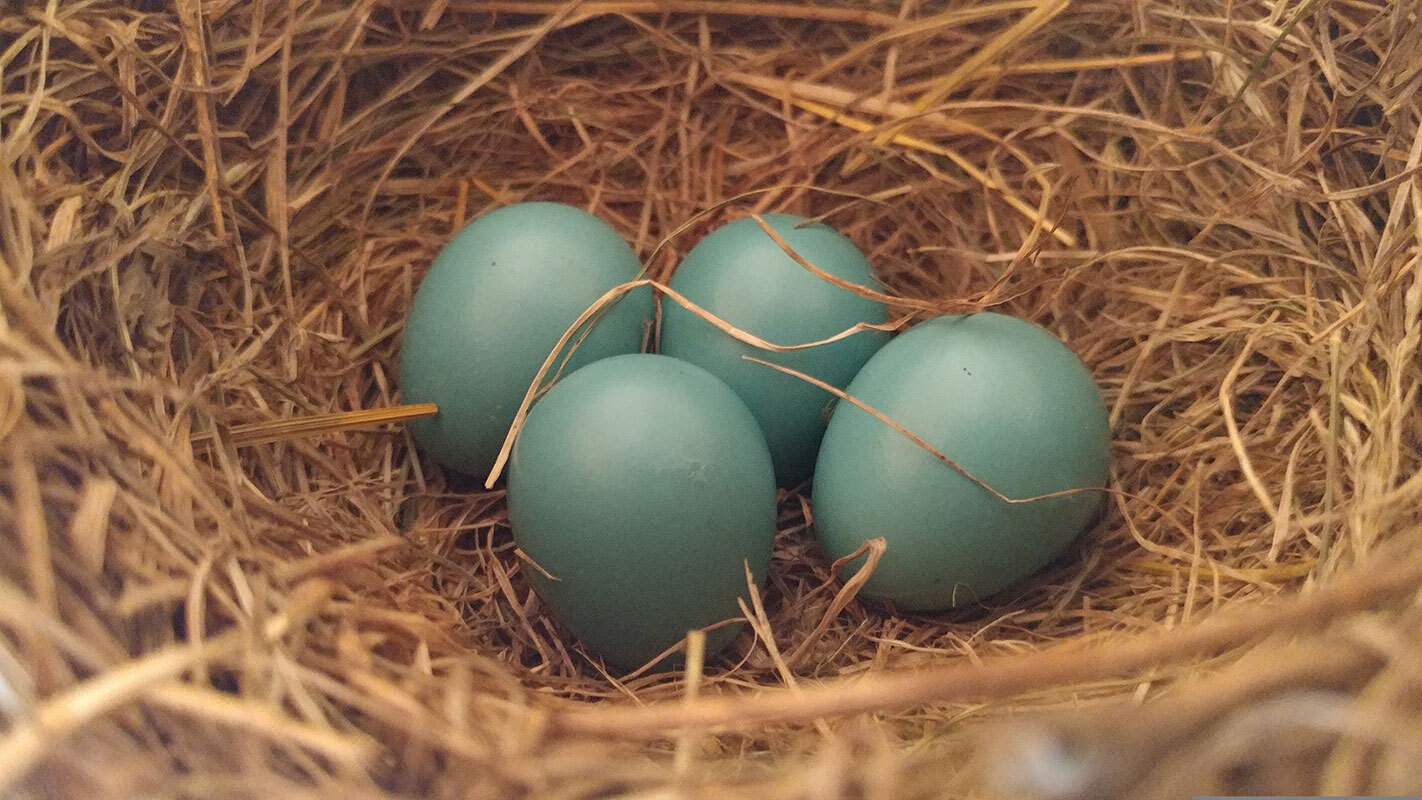
The sheer diversity in avian egg coloration is a wonder in itself. Websites dedicated to ornithology, such as Birdfly.com, highlight an astonishing array of species that produce blue eggs. Their research indicates that approximately 26 different bird species lay eggs in varying shades of blue. Intriguingly, a significant portion of these species are not themselves blue, suggesting that the coloration is a result of specific biological pigments rather than a mimicry of their own plumage. This phenomenon is further explored on the Cornell Lab of Ornithology’s "All About Birds" platform, where detailed discussions on "The Beauty and Biology of Egg Color" showcase a dazzling spectrum of avian ova. From the deepest, most vibrant blues reminiscent of a summer sky to those adorned with speckles and swirls that evoke artisanal chocolate creations, the variety is profound. In contrast, the eggs of parrots, known for their intelligence and vibrant feathers, are almost universally a plain, matte white, underscoring the diverse strategies employed across the avian kingdom.
Beyond their aesthetic appeal, bird eggs are sophisticated biological instruments, meticulously engineered for survival and reproduction. Their colors are not merely decorative but serve critical functional purposes. One of the primary roles of egg pigmentation is camouflage. By blending seamlessly with their surroundings, whether it be the dappled light of a forest floor, the earthy tones of a nest constructed from twigs and mud, or the muted hues of vegetation, eggs can evade the keen eyes of predators. This visual deception is a vital component of reproductive success, ensuring the continuation of the species. Furthermore, research suggests that egg color can act as a signal of the hen’s health and vitality, potentially influencing mate selection or nest site choice. The very shapes and patterns of bird eggs are as varied as the birds that lay them, a testament to the diverse ecological niches and evolutionary pressures they have adapted to. Unlike the artificial dyes we apply to holiday eggs for festive purposes, the colors and designs of bird eggs are the result of natural selection, honed over millennia to optimize for protection and successful hatching.
The intricate science behind bird egg formation extends beyond color to shape and size, areas of ongoing scientific inquiry. A study featured in Harvard Magazine delves into the fascinating theory that bird egg shapes are significantly influenced by the flight capabilities of the parent bird. The research proposes that species with strong, agile flight tend to lay more elliptical or elongated eggs, which may offer aerodynamic advantages during incubation or transfer. Conversely, weaker fliers often produce rounder eggs. This theory is further supported by biophysical models that demonstrate how the structure of the eggshell membrane and the internal pressures within the egg can contribute to the generation of this wide range of natural shapes. Adding another layer of complexity, research highlighted in Science News has uncovered evidence suggesting a correlation between climate and egg pigmentation. Birds residing in colder regions have been observed to produce eggs with darker coloration. This darker hue is hypothesized to be an evolutionary adaptation to enhance the absorption of solar thermal radiation, thereby helping to maintain a warmer incubation temperature and increasing the chances of embryonic survival in frigid environments. This finding underscores the profound interplay between an organism’s biology and its ecological context, demonstrating how even the subtle characteristics of an egg can be crucial for survival.
The Curious Case of the Egg-Laying Rabbit: A Journey Through Folklore
The ubiquitous image of the Easter Bunny delivering colorful eggs is deeply ingrained in Western culture, yet its origins lie not in biology but in a rich tapestry of folklore and tradition. The genesis of this myth can be traced back to ancient pagan spring festivals that celebrated fertility and the awakening of nature after winter. Rabbits, with their remarkable reproductive rates and prolific breeding habits, became potent symbols of this burgeoning life and renewal.
In certain European regions, particularly Germany, these traditions evolved into tales of a mythical hare, known as the Osterhase (Easter Hare). This folkloric figure was envisioned as a benevolent judge who would assess the behavior of children and, for those who had been good, would deliver brightly colored eggs. The earliest documented mentions of the Osterhase date back to the 17th century, indicating that this charming narrative has been woven into cultural consciousness for centuries. German immigrants subsequently brought this tradition to North America, where it gradually transformed and became the widely recognized Easter Bunny we know today. The evolution from a symbol of fertility and spring, possibly linked to the ancient Germanic goddess Eostre, to a specific character delivering candy and eggs highlights the dynamic nature of folklore and its adaptation across different societies and eras.
Shared Instincts: Nests and the Drive for Procreation
While the notion of rabbits laying eggs is a myth, there is one fundamental biological behavior that rabbits and birds share: the instinct to build nests. However, the architectural styles and incubation methods employed by each are vastly different. Unlike birds, which construct elaborate nests often suspended in trees or nestled in cavities, rabbit nests are far more rudimentary, typically consisting of shallow depressions dug into the ground.
The maternal care provided by a rabbit mother is a masterclass in covert protection. To create a secure and warm environment for her young, known as kits, she lines the nest with soft fur plucked from her own body. This is then covered with dried grass and leaves, providing insulation and crucial camouflage to conceal the vulnerable kits from potential predators. The mother rabbit, however, maintains a strategic distance from the nest. To minimize the risk of attracting attention, she avoids lingering near the nesting site. Instead, she makes brief, infrequent visits, typically at dawn and dusk, solely for the purpose of nursing her young. This behavior is a critical survival strategy, ensuring that her presence does not inadvertently lead predators to her hidden brood. This clandestine approach to maternal care stands in stark contrast to the dedicated, often prolonged incubation periods observed in birds, where parents actively sit on their eggs, regulating their temperature and guarding them against threats.

The scientific exploration of bird eggs continues to reveal the profound evolutionary adaptations that have shaped these remarkable biological entities. From the vibrant blues of a robin’s egg to the functional camouflage of a ground-nesting bird, each egg tells a story of survival, adaptation, and the relentless drive of nature to perpetuate life. While the folklore of the Easter Bunny adds a touch of magic to springtime, the true marvel lies in the intricate and diverse world of avian reproduction, a testament to millions of years of natural innovation.