
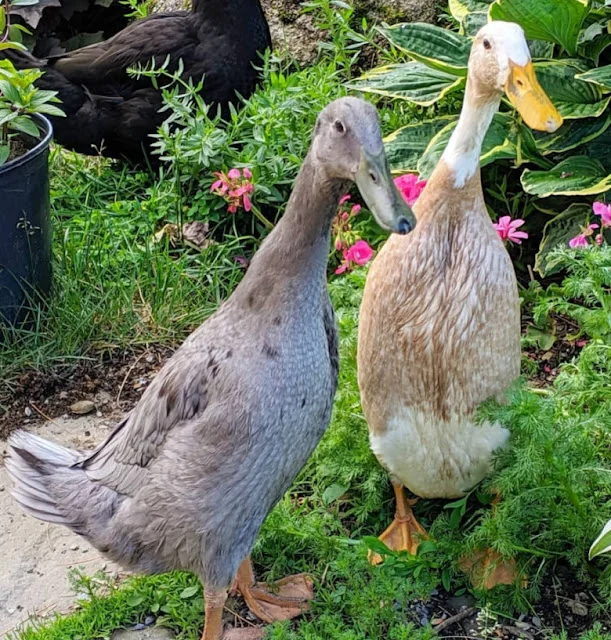
The Indian Runner duck, scientifically classified within the species Anas platyrhynchos domesticus, represents one of the most morphologically distinct breeds in the avian world. Characterized by an extraordinary upright posture that mimics the gait of a human or a penguin, the breed has transitioned from a localized utility bird in Southeast Asia to a global icon of sustainable agriculture and high-efficiency egg production. Unlike the traditional horizontal stance and waddling movement associated with most domestic waterfowl, the Indian Runner possesses a skeletal structure that facilitates rapid terrestrial movement, earning its name through its ability to run rather than waddle. This unique physiological configuration, combined with a prolific reproductive capacity, has secured the breed a permanent place in both historical poultry standards and modern regenerative farming practices.

Morphological Distinctness and Biomechanical Advantages
The most striking feature of the Indian Runner is its vertical carriage. While standard duck breeds maintain a body parallel to the ground, the Runner stands at an angle ranging from 50 to 80 degrees, and in moments of heightened alertness, it can achieve a near-perfect 90-degree verticality. This "bowling pin" or "wine bottle" silhouette is the result of a specific pelvic architecture; the legs are set much further back on the body than in other duck breeds. This posterior placement of the legs allows for a fluid, running stride that is unique among domestic waterfowl.
Physically, Indian Runners are categorized as a "light" breed. Adult males typically weigh between 3.5 and 5 pounds, while females range from 3 to 4 pounds. Despite their lean frames, they are surprisingly tall, with large drakes standing up to 30 inches in height. Their necks are long and slender, tapering into a wedge-shaped head with a straight bill. Because their wings are short and their body weight is concentrated differently than their wild Mallard ancestors, Indian Runners are flightless, a trait that makes them easier for farmers to manage within fenced perimeters.

The breed also holds the distinction of having the greatest color diversity recognized by poultry associations. While the American Poultry Association and the Poultry Club of Great Britain recognize various standards, there are approximately 16 distinct colorations, including white, fawn, chocolate, blue, black, silver, and the "fawn and white" pattern. This genetic diversity is a testament to the long history of selective breeding across different geographic regions.
A Chronology of Domestication and Global Dissemination
The history of the Indian Runner duck is rooted in the maritime and agricultural traditions of Southeast Asia, particularly Indonesia and the surrounding archipelago. Archaeological evidence, including stone carvings found on the island of Java, suggests that upright ducks have been integrated into human society for over 2,000 years. These birds were not merely ornamental; they were a vital component of the rice paddy ecosystem.

For centuries, Indonesian farmers practiced a form of nomadic duck herding. Flocks were driven into harvested rice fields during the day to forage on pests, such as snails, slugs, and insects, while simultaneously fertilizing the soil with their droppings. This environment necessitated a bird that could travel long distances on foot without tiring. Consequently, the ducks with the most upright posture and the strongest legs were naturally and artificially selected for survival and reproduction.
The breed’s introduction to the Western world occurred in the mid-19th century. Records indicate that they were first brought to the United Kingdom around 1835, likely arriving on ships returning from the East Indies. Their arrival sparked immediate interest among naturalists and poultry fanciers. Charles Darwin, the father of evolutionary biology, famously referred to them as "penguin ducks" due to their unusual silhouette. By the 1890s, the breed had been standardized in the UK, and it was officially admitted to the American Poultry Association’s Standard of Perfection in 1898. Throughout the early 20th century, the Indian Runner became the cornerstone of the commercial egg industry before being largely supplanted by the Khaki Campbell, a breed that was actually developed using Indian Runner genetics.

Biological Pest Control and Integrated Pest Management
In the contemporary era of sustainable and organic farming, the Indian Runner duck has seen a significant resurgence in popularity, particularly as a tool for Integrated Pest Management (IPM). Their historical role in rice paddies has been adapted for modern vineyards and orchards. Unlike chickens, which may scratch at roots or damage low-hanging fruit, Indian Runners focus primarily on ground-level protein sources.
A notable example of this application is found in the global wine industry. Vineyards in South Africa, such as the Vergenoegd Löw Wine Estate, utilize flocks of hundreds of Indian Runners to manage white dune snails and other pests that threaten grapevines. This "duck patrol" serves as a biological alternative to chemical pesticides, reducing the environmental footprint of the vineyard while providing the ducks with a natural diet. The birds are highly efficient foragers, capable of clearing large areas of land in a single day. Their high metabolism and active nature mean they spend the majority of their waking hours searching for insects, making them one of the most effective biological control agents available to the modern farmer.

Genetic Contributions and Commercial Egg Production
Beyond their utility in pest control, Indian Runners are among the most prolific egg layers in the poultry world. A healthy female can produce between 180 and 250 eggs per year, with some exceptional strains reaching upwards of 300. The eggs are medium to large in size, typically weighing between 65 and 80 grams, and range in color from pearlescent white to a pale, minty blue-green.
The breed’s efficiency as a layer is so high that it served as the primary genetic foundation for several other high-production breeds. The Khaki Campbell, currently considered the premier egg-laying duck, was created by crossing Indian Runners with Rouens and Mallards. Similarly, the Buff Orpington duck owes its lineage to the Runner.

Despite their high egg output, Indian Runners are generally characterized by a lack of maternal instinct. Because they were bred for centuries to be "workers" that traveled daily with herders, the instinct to sit on a nest (broodiness) was largely bred out of the population. In a traditional setting, farmers would collect the eggs and use broody chickens or artificial incubation to hatch the next generation. While occasional individuals may demonstrate broody behavior, it is considered an outlier rather than a breed standard. The incubation period for Indian Runner eggs is approximately 28 days, consistent with most other domestic duck varieties.
Behavioral Profiles and Environmental Adaptability
The temperament of the Indian Runner is often described as high-strung, skittish, and energetic. Due to their history as herded animals, they possess a strong flocking instinct; where one goes, the rest follow in a tight, synchronized formation. This behavior makes them easy to move from one location to another but also means they are easily startled by sudden movements or loud noises.

For the backyard enthusiast or the commercial farmer, this means that Indian Runners require specific management. They are social creatures that thrive in groups and generally interact well with other non-aggressive waterfowl. However, they are not typically "lap ducks" and may resist human handling unless raised with significant individual attention from a very young age.
In terms of environmental requirements, the Indian Runner is remarkably hardy. They are capable of thriving in various climates, from the tropical heat of Indonesia to the colder temperate regions of North America and Europe. While they do not require deep water for swimming to the same extent as heavier meat ducks, they do require enough water to submerge their heads to keep their mucous membranes clean and to facilitate mating. Their lean bodies and lack of heavy down make them less tolerant of extreme, prolonged sub-zero temperatures than some heavier breeds, necessitating adequate shelter in northern latitudes.

Conservation Status and the Future of the Breed
The Livestock Conservancy currently lists the Indian Runner duck under the "Recovering" category. This classification indicates that while the breed was once in decline due to the industrialization of poultry farming and the preference for specialized meat or egg hybrids, its numbers are now on the rise. This recovery is largely attributed to the growing interest in heritage breeds and the expansion of the "slow food" and organic farming movements.
The long-term viability of the Indian Runner is tied to its dual-purpose appeal. As consumers increasingly demand chemical-free produce and ethically raised animal products, the Runner’s role as a non-toxic pest controller and efficient egg producer becomes more valuable. Furthermore, the breed’s unique appearance continues to make it a favorite in the exhibition circuit, ensuring that the genetic standards for its 16 color varieties are maintained by dedicated breeders.

Broader Impact and Implications
The story of the Indian Runner duck is a case study in the intersection of biology, history, and sustainable economics. By maintaining a breed that has remained largely unchanged for two millennia, modern agriculture retains access to a genetic "technology" that solves modern problems—such as pesticide resistance and soil degradation—through ancient means.
The implications of the breed’s continued use are significant for regenerative agriculture. By integrating Indian Runners into crop systems, farmers can create closed-loop environments where the ducks provide pest control and fertilizer, the crops provide habitat and food for the ducks, and the resulting eggs provide an additional revenue stream or food source. In an era where biodiversity loss is a critical global concern, the preservation and utilization of heritage breeds like the Indian Runner offer a path toward more resilient and ecologically balanced food systems.

As the agricultural sector continues to evolve, the Indian Runner stands as a testament to the enduring value of specialized domestication. Its ability to "stand tall" in the face of modern industrial challenges ensures that this ancient Indonesian traveler will remain a fixture of the global landscape for centuries to come.