
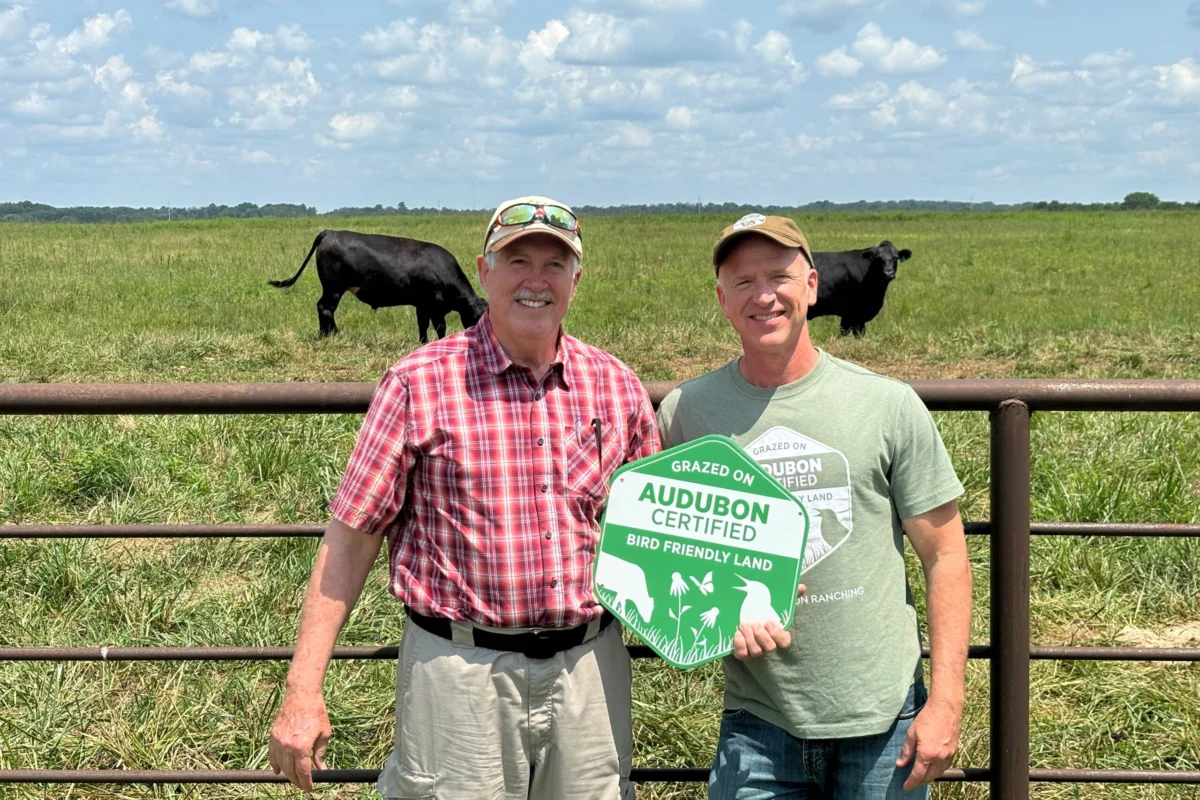
The Audubon Conservation Ranching program, an innovative initiative designed to reverse the alarming decline of North America’s grassland bird populations, is experiencing a period of significant growth and impact, largely thanks to strategic investments channeled through the United States Farm Bill. What began as a promising concept has, with federal support, evolved into a powerful, landscape-scale conservation solution, demonstrating tangible results for both wildlife and agricultural producers.
The Urgent Crisis of North American Grasslands
North American grasslands stand as one of the continent’s most imperiled ecosystems, a sobering reality reflected in the precipitous decline of the avian species that call them home. According to the most recent "State of the Birds" report, grassland birds have suffered the steepest declines of any bird group since 1970, with populations plummeting by an estimated 53%—a loss of over 700 million birds. Species such as the Eastern Meadowlark, Northern Bobwhite, Grasshopper Sparrow, and Upland Sandpiper, once common across vast swathes of the continent, are now facing "tipping points" that threaten their long-term survival. This ecological crisis is primarily driven by habitat loss due to agricultural conversion, urbanization, fragmentation, and altered fire regimes. The conversion of native prairies to monoculture cropland, often incentivized by market forces and lacking sufficient conservation safeguards, has stripped these birds of essential nesting, foraging, and breeding grounds. The long-term implications extend beyond avian biodiversity, impacting ecosystem services such as carbon sequestration, water filtration, and soil health.
Audubon Conservation Ranching: A Science-Backed Solution Emerges
In response to this urgent crisis, Audubon developed its Conservation Ranching program, built upon a deceptively simple yet profoundly effective premise: well-managed grazing can serve as one of the most potent tools for sustaining healthy grasslands and the diverse avian communities that rely on them. This paradigm shift challenges conventional notions of ranching as inherently detrimental to wildlife, instead positing that thoughtfully applied livestock management can mimic historical grazing patterns that fostered grassland health for millennia.
The program’s core mechanism is a unique bird-friendly land certification. Ranchers who voluntarily participate commit to implementing science-based grazing and habitat practices, meticulously documented in site-specific Habitat Management Plans. These plans, drafted by Audubon’s expert range ecologists, are tailored to the unique ecological conditions of each ranch. They emphasize a suite of regenerative practices, including rotational grazing, which allows pastures adequate rest periods to recover and flourish, invasive species control to prevent the spread of non-native plants that degrade habitat quality, native plant restoration to re-establish biodiverse forage and cover, and comprehensive water and soil stewardship. The overarching goal is to create the structural diversity within grasslands—varying heights and densities of vegetation—that different bird species require for nesting, foraging, and predator evasion. For instance, species like the Upland Sandpiper prefer taller, denser grass for nesting, while the Grasshopper Sparrow thrives in shorter, sparser areas for foraging.
Sarah Hewitt, Audubon Upper Mississippi River’s Senior Conservation Manager, has been instrumental in the program’s implementation across five states. She underscores the critical role of private landowners: "Private producers are the key that turns Audubon Conservation Ranching’s ignition. Every one of them has different land management goals. Some want to improve soil health. Others want better forage. Maybe an infrastructure project can make grazing possible on a new part of their property. Whatever their entry point, good grassland habitat is our common denominator." This recognition of ranchers’ diverse motivations and their deep connection to their land is a cornerstone of the program’s collaborative success, fostering genuine partnerships rather than top-down directives.
The Farm Bill’s Crucial Role: From Pilot to Scale
The journey of Audubon Conservation Ranching from a promising pilot to a continental-scale solution is inextricably linked to the strategic and sustained support provided by the United States Farm Bill. This comprehensive legislative package, typically renewed every five years, is far more than an agricultural subsidy program; it is the nation’s largest source of conservation funding, directing billions of dollars towards initiatives that protect natural resources on working lands.
Early Seeds: Conservation Innovation Grant (CIG)
The initial spark for Audubon Conservation Ranching’s widespread implementation came in 2017 with a crucial USDA Conservation Innovation Grant (CIG). This grant, titled "Development of Self-Sustaining Markets for Bird-Friendly Beef to Incentivize Grassland Conservation on Private Lands Across the Great Plains," provided the foundational support necessary to test and refine the program’s model. The CIG allowed Audubon to:
- Pilot the Program: Establish initial certified ranches and develop robust, science-based standards for bird-friendly land management. Round Rock Ranch in southwest Missouri, owned by Dave Haubein, was among the very first to earn Audubon Certified Bird-Friendly Land recognition in 2017, serving as a vital proving ground. Early bird monitoring at Round Rock Ranch demonstrated substantial increases for species like Eastern Meadowlarks and Northern Bobwhites, validating the program’s ecological efficacy.
- Refine Bird-Focused Standards: Translate scientific understanding of grassland bird habitat needs into practical, implementable management practices for ranchers. This involved close collaboration with ecologists, ranchers, and agricultural experts.
- Test a Market-Connected Certification Model: Explore how consumer demand for sustainably produced goods could create added value for participating ranchers, providing an economic incentive for conservation beyond direct payments. The idea was to create a "bird-friendly beef" market that would allow ranchers to differentiate their products and potentially command a premium, thereby ensuring the long-term economic viability of conservation practices.
This initial investment proved invaluable, demonstrating conclusively that bird-friendly ranching could deliver measurable conservation outcomes while remaining economically viable for ranchers. It laid the groundwork for future expansion and secured the confidence of both conservationists and agricultural stakeholders.
Scaling Impact: The Regional Conservation Partnership Program (RCPP)
The next chapter in the program’s growth—its expansion and scaling of impact—was powered significantly by the Farm Bill’s Regional Conservation Partnership Program (RCPP). The RCPP is designed to leverage federal conservation funds by fostering partnerships that address natural resource concerns on a regional or watershed scale. Through the RCPP, Audubon and its extensive network of partners secured a significant investment of $3.25 million.
This substantial funding enabled Audubon Conservation Ranching to expand its reach dramatically, moving beyond its initial Midwestern base to priority grassland regions across 10 states in both the Northern and Southern Great Plains. This expansion allowed the program to support ranchers in implementing a comprehensive suite of approved conservation practices, including:
- Prescribed Grazing: Systematically rotating livestock to optimize forage health, stimulate plant growth, and create diverse habitat structures.
- Range Planting: Re-establishing native grasses and forbs to restore degraded rangelands and enhance biodiversity.
- Fencing and Water Infrastructure: Installing fencing to facilitate rotational grazing and developing water sources in strategic locations to improve livestock distribution and reduce localized overgrazing.
- Riparian Restoration: Protecting and restoring vital stream and river corridors, which are crucial for water quality, biodiversity, and drought resilience.
- Invasive Plant Management: Controlling the spread of non-native species that outcompete native vegetation and diminish habitat quality.
A particularly innovative component of this RCPP project has been the inclusion of soil carbon and soil health testing. This rigorous scientific approach establishes a baseline for Audubon and certified ranchers to track and demonstrate improvements in these vital grassland habitats over time. Measuring increases in soil organic matter, water infiltration rates, and microbial activity provides quantifiable evidence of regenerative practices’ benefits, not only for biodiversity but also for climate change mitigation through carbon sequestration and enhanced agricultural productivity. These investments effectively translated federal conservation dollars into coordinated, landscape-scale action on working lands, precisely where grassland birds most urgently need intervention. The RCPP funding was instrumental in propelling the network of Audubon Certified ranches beyond the 100-ranch milestone, solidifying the program’s footprint.
Tangible Results: A Soaring Bird-Friendliness Index
Today, the program boasts an impressive reach, with 150 ranches having earned Audubon Certified Bird-Friendly Land status across the Great Plains, Midwest, and the West. This represents approximately 4.5 million acres under bird-friendly management—a vast mosaic of private lands contributing to ecosystem recovery.
The efficacy of these management practices is rigorously measured through Audubon’s "Bird-Friendliness Index." This standardized monitoring framework assesses the abundance, diversity, and resilience of grassland and arid land bird communities on Audubon Certified Bird-Friendly Lands, comparing them to neighboring, conventionally managed lands. The data from 2016 to 2023 reveal a remarkable 76% overall increase in the Bird-Friendliness Index on certified lands. Furthermore, the index has shown an annual improvement of more than 8%, providing clear accountability for public investments and instilling confidence among producers, partners, and consumers alike.
These statistics are not merely numbers; they represent a resurgence of life in ecosystems that were rapidly fading. For example, increased populations of Eastern Meadowlarks, identifiable by their distinctive yellow breast and black "V," indicate healthier insect populations and diverse grass structures. The return of Northern Bobwhites, with their characteristic "bob-white" call, signals successful restoration of patchy cover and bare ground areas essential for their foraging and brooding. These birds, often considered indicator species, reflect the overall health of the grassland ecosystem.
Rancher Perspectives and Economic Viability
The success of Audubon Conservation Ranching is rooted in its collaborative approach, recognizing ranchers not as obstacles but as essential partners in conservation. For ranchers, participation offers a cost-covered certification process that carries significant conservation credibility. This is coupled with growing consumer awareness and demand for sustainably produced food, which can translate into market advantages for "bird-friendly beef" and other products. Ranchers involved in the program frequently report improvements in forage quality, soil health, and water retention, which directly contribute to the economic resilience of their operations. The program offers a pathway for ranchers to align their agricultural goals with environmental stewardship, creating a "win-win" scenario where ecological health and economic prosperity are mutually reinforcing. Dave Haubein, owner of Round Rock Ranch, has publicly emphasized how the program not only enhanced his land’s biodiversity but also improved his cattle’s health and productivity through better forage and pasture management.
Looking Ahead: Innovating for Outcome-Based Conservation
The Farm Bill continues to be a catalyst for innovation within Audubon Conservation Ranching. In 2024, Audubon was awarded a new Conservation Innovation Grant, marking a significant step forward in outcome-based conservation. This grant is piloting an ambitious new approach: annual bird occupancy payments that directly reward producers for maintaining habitat used by high-priority grassland birds.
Under this novel scheme, ranchers in the Upper Midwest whose lands demonstrably support target species such as Grasshopper Sparrows, Short-eared Owls, and Upland Sandpipers will be eligible for payments directly tied to real biological outcomes. This shifts the focus from simply implementing practices to achieving measurable conservation results. By aligning financial incentives even more closely with the presence and thriving of these critical species, the program reinforces the Farm Bill’s role as a driver of truly outcome-based, working lands conservation. This model could potentially revolutionize how conservation funds are allocated, ensuring maximum ecological impact per dollar invested.
Broader Implications and a Model for Future Conservation
At a time when North America’s grassland birds urgently require scalable solutions, Audubon Conservation Ranching stands as a compelling testament to what is possible when robust science, dedicated stewardship, and smart Farm Bill investments converge. The program demonstrates a powerful model for conservation that transcends traditional boundaries, integrating agricultural production with ecological restoration on private working lands.
The implications of this success are far-reaching:
- Policy Innovation: It highlights the effectiveness of market-based and incentive-driven conservation programs, providing a blueprint for future agricultural and environmental policies.
- Climate Resilience: By emphasizing regenerative grazing and soil health, the program contributes directly to climate change mitigation through enhanced carbon sequestration and increased landscape resilience to drought and extreme weather.
- Private Land Conservation: It underscores the indispensable role of private landowners—who manage the vast majority of land in the U.S.—as primary stewards of biodiversity.
- Consumer Engagement: The "bird-friendly" certification educates consumers and empowers them to make choices that support sustainable agriculture and wildlife conservation.
The Audubon Conservation Ranching program, buoyed by the foresight and sustained funding of the Farm Bill, is not just saving grassland birds; it is helping to reshape the future of agriculture, proving that productive working lands can simultaneously be vibrant havens for wildlife, keeping grasslands productive, resilient, and bustling with the invaluable life they support.