
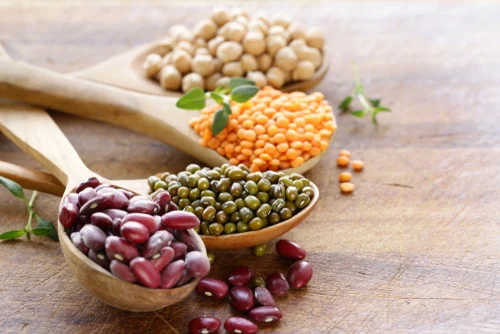
The Fatal Handful: Why Raw Dried Beans Pose a Lethal Threat to Backyard Poultry Flocks is a critical concern for the growing demographic of homesteaders and poultry enthusiasts who utilize kitchen scraps as a supplement to commercial feed. While chickens are often celebrated for their ability to process a wide variety of organic waste, certain common pantry staples, specifically raw dried beans, harbor a potent toxin known as phytohaemagglutinin (PHA), a type of lectin that can prove fatal to birds in remarkably small quantities. Veterinary experts and avian nutritionists warn that as few as three or four raw kidney beans can cause the death of an adult chicken within hours, making this one of the most dangerous, yet frequently overlooked, hazards in the backyard coop.
The Chemical Profile of Phytohaemagglutinin
Phytohaemagglutinin is a sugar-binding protein, or lectin, found in high concentrations in the seeds of many legumes. From an evolutionary perspective, PHA serves as a natural insecticide and a defense mechanism for the plant, protecting the seeds from being consumed by insects and animals before they have a chance to germinate. While many plants contain low levels of lectins that are harmless or even beneficial, the specific concentration found in certain dried beans—most notably red kidney beans—is high enough to cause severe physiological distress in mammals and birds alike.

The toxin works by binding to the carbohydrate-containing molecules on the surface of the cells lining the digestive tract. In chickens, this interference disrupts the integrity of the intestinal wall, leading to a rapid breakdown of nutrient absorption and the triggering of a massive immune response. Because chickens have a high metabolic rate and a sensitive digestive system, the impact of these toxins is accelerated compared to larger livestock or humans.
Clinical Symptoms and Biological Progression
When a chicken ingests raw dried beans, the onset of symptoms is typically rapid, often appearing within one to three hours. The initial phase of toxicity usually manifests as acute gastrointestinal distress. Observers may notice the bird becoming lethargic, with a visible drooping of the wings and a ruffled appearance of the feathers.
As the PHA begins to damage the intestinal lining, the bird may experience:

- Extreme Vomiting and Regurgitation: Unlike many other animals, chickens do not frequently vomit, so the presence of fluid or undigested matter being expelled from the beak is a sign of severe systemic shock.
- Severe Diarrhea: The disruption of the gut flora and the physical damage to the intestinal walls lead to profuse, often bloody, diarrhea.
- Dehydration and Electrolyte Imbalance: The rapid loss of fluids quickly leads to a state of shock.
- Death: In cases where a lethal dose (3-4 beans) is consumed, the bird’s internal organs begin to fail as the toxin enters the bloodstream, leading to death, sometimes in less than 24 hours.
A Comparative Analysis of Bean Varieties and Toxicity Levels
Not all legumes carry the same level of risk, but for the safety of the flock, a "zero-tolerance" policy regarding raw dried beans is generally recommended by agricultural extensions. The toxicity of beans is measured in Hemagglutinating Units (HAU).
- Red Kidney Beans: These are the most dangerous. In their raw state, they can contain between 20,000 and 70,000 HAU. After thorough cooking, this level drops to a safe range of 200 to 400 HAU.
- White Kidney Beans (Cannellini): These contain about one-third the amount of toxin found in red kidney beans but are still potent enough to be lethal to poultry if consumed raw.
- Broad Beans (Fava Beans): These contain lower levels of PHA but possess other compounds that can interfere with oxygen transport in the blood of certain avian species.
- Soybeans: Raw soybeans contain trypsin inhibitors which interfere with protein digestion, in addition to moderate levels of lectins. They must be heat-treated (toasted or boiled) before being included in poultry feed.
The Danger of Inadequate Cooking: The Slow Cooker Paradox
A significant point of concern for poultry owners is the method used to prepare beans. Research from the U.S. Food and Drug Administration (FDA) indicates that heating beans to temperatures below boiling can actually increase their toxicity. If beans are cooked at 80°C (176°F)—a common temperature for slow cookers or "crock pots"—the toxicity of the PHA can increase fivefold.
For a chicken, this means that "partially cooked" beans or beans cooked in a slow cooker that did not reach a rolling boil are significantly more toxic than they would have been in their raw state. To render beans safe for avian (and human) consumption, they must be soaked for at least 12 hours, rinsed thoroughly, and then boiled at 100°C (212°F) for a minimum of 10 to 30 minutes.

Safe Alternatives and Processing Guidelines
While raw dried beans are a strict "no-go" for chickens, other legumes and processed beans can be safe and nutritious if handled correctly.
- Canned Beans: These are generally safe because the commercial canning process involves high-pressure steam and high temperatures that effectively neutralize PHA. However, owners should rinse canned beans to remove excess sodium, which can lead to salt poisoning in birds.
- Sprouted Beans: The process of sprouting reduces the concentration of hemaglutin in many bean varieties, such as mung beans or lentils. However, for kidney beans, sprouting does not reliably eliminate the toxin, and they should still be avoided.
- Fresh Green Beans and Peas: Fresh garden legumes, such as snap beans and sweet peas, contain negligible amounts of PHA and are considered safe and healthy treats for chickens. They provide essential vitamins and fiber without the risk associated with the dried seeds.
The Rise of Backyard Farming and the Education Gap
The resurgence of backyard chicken keeping, driven by a desire for food sovereignty and organic eggs, has led to a surge in first-time poultry owners. Many of these hobbyists are motivated by a "zero-waste" philosophy, aiming to divert all kitchen scraps to the coop. While this is environmentally commendable, the lack of formal agricultural training has created an education gap regarding "hidden" toxins in common foods.
Agricultural extension offices across the United States have reported an uptick in inquiries regarding sudden flock mortality. In many instances, the culprit is identified as "trash-can poisoning," where birds were given access to uncooked bean salads, dried bean soup mixes that were spilled, or garden waste containing mature, dried bean pods.

Veterinary and Regulatory Perspectives
While there is no specific "antidote" for PHA poisoning in chickens, veterinary response focuses on supportive care. If ingestion is caught early, a veterinarian might administer activated charcoal to help bind the toxins in the digestive tract. However, given the small size of the birds and the potency of the lectin, the prognosis is often poor.
Regulatory bodies like the USDA and various state-level Departments of Agriculture emphasize the importance of biosecurity and nutritional management. Their guidelines suggest that treats and scraps should never exceed 10% of a chicken’s total daily intake, and that owners should strictly adhere to a list of "forbidden foods," which includes raw beans, chocolate, caffeine, avocado skins/pits, and moldy bread.
Broader Implications for the Poultry Industry
The issue of PHA toxicity extends beyond the backyard hobbyist to the broader poultry industry. Large-scale feed producers must carefully monitor the source and processing of legume-based proteins. Soybeans, a staple of commercial poultry feed, undergo rigorous thermal processing to ensure that lectins and trypsin inhibitors are neutralized. Any failure in this processing chain can lead to reduced growth rates, poor egg production, and increased mortality across thousands of birds, resulting in significant economic losses.

For the small-scale farmer, the loss of even a few hens can be a blow to the household economy and the emotional well-being of the family. Education remains the primary tool for prevention. By understanding the biochemical risks associated with raw dried beans, poultry keepers can ensure their flocks remain healthy and productive.
Conclusion: A Protocol for Prevention
To maintain a safe environment for backyard poultry, owners should implement the following protocols:
- Storage Security: Keep all dried beans, lentils, and pulses in airtight, peck-proof containers stored away from the coop area.
- Scrap Screening: Carefully inspect all kitchen scraps before feeding them to chickens. Ensure that no uncooked beans or bean-heavy leftovers are included.
- Garden Management: If growing beans in the garden, ensure chickens do not have access to the plants once the pods begin to dry and harden.
- Boil Thoroughly: If you intend to feed beans to your chickens as a protein supplement, follow the soak-rinse-boil method strictly to ensure the total destruction of PHA.
By treating raw dried beans with the same caution as one would a known poison, chicken owners can protect their feathered charges from a preventable and painful death. The message from the agricultural community is clear: when it comes to raw beans and chickens, the risk is never worth the reward.