

The world’s rivers are witnessing the silent collapse of some of Earth’s most vital and extensive migrations, as a landmark assessment reveals that migratory freshwater fish are among the planet’s most imperiled wildlife. The "Global Assessment of Migratory Freshwater Fishes," unveiled at the UN Convention on the Conservation of Migratory Species of Wild Animals (CMS) COP15 in Brazil, paints a stark picture of an ecological crisis unfolding beneath the surface of our planet’s waterways. This critical group of species not only underpins the health of river ecosystems but also supports substantial inland fisheries and sustains hundreds of millions of people globally.
The comprehensive assessment identifies a staggering 325 migratory freshwater fish species as candidates for urgent, coordinated international conservation efforts. This highlights a profoundly overlooked biodiversity crisis that is rapidly accelerating across the world’s shared river basins. The primary drivers of these alarming declines are multifaceted, including the relentless construction of dams, widespread habitat fragmentation, pervasive pollution from agricultural and industrial runoff, unsustainable fishing practices, and the increasingly disruptive impacts of climate-driven ecosystem changes.
Dr. Zeb Hogan, lead author of the assessment, underscored the gravity of the situation. "Many of the world’s great wildlife migrations take place underwater," he stated. "This assessment shows that migratory freshwater fish are in serious trouble, and that protecting them will require countries to work together to keep rivers connected, productive, and full of life." His words emphasize the interconnected nature of these ecosystems and the imperative for international cooperation.
The report’s findings are particularly alarming given the comparative rate of decline. Freshwater ecosystems are experiencing population losses faster than their terrestrial and marine counterparts, yet the specific crisis facing migratory freshwater fish has received disproportionately little international attention until now. These species often rely on vast, uninterrupted river corridors that connect crucial life stages: spawning grounds, feeding areas, and essential floodplain nurseries. The disruption of these pathways, frequently spanning multiple national borders, can lead to rapid and devastating population collapses.
The data presented in the assessment is sobering. Globally, migratory freshwater fish populations have plummeted by an estimated 81% since 1970. This figure is particularly stark when contrasted with the broader conservation status of migratory fish species overall. Of the 58 migratory fish species (encompassing both freshwater and saltwater species) already listed under CMS, nearly all – a staggering 97% – are now threatened with extinction. The new assessment significantly deepens this understanding by identifying hundreds more migratory freshwater fish species with an unfavorable conservation status, reinforcing the urgent need to manage rivers as interconnected systems rather than isolated national waterways.
The implications of this decline extend far beyond the ecological realm. Migratory freshwater fish are foundational to many of the world’s largest inland fisheries. These fisheries provide a vital source of protein and income for millions of people, particularly in developing nations. The collapse of these fish populations threatens food security, economic stability, and the cultural heritage of communities that have relied on these resources for generations.
A Global Crisis Largely Hidden Beneath the Waterline
The report unequivocally states that populations of animals inhabiting freshwater ecosystems are declining faster than those in terrestrial and marine environments. However, the dramatic collapse of migratory freshwater fish populations has largely escaped the attention of the international community. This lack of focus is particularly concerning given their critical role in maintaining the ecological balance of rivers.
The intricate life cycles of many migratory fish necessitate long, unimpeded journeys. These "swimways" connect diverse habitats essential for their survival and reproduction. Dams, barrages, and other infrastructure projects that fragment river systems act as formidable barriers, severing these vital connections. Altered flow regimes, often a consequence of water management practices for agriculture, industry, or urban consumption, further disrupt natural cycles. Pollution, ranging from agricultural runoff containing pesticides and fertilizers to industrial effluents and untreated sewage, degrades water quality, impacting fish health, reproduction, and survival. Overfishing, particularly when coupled with unsustainable methods, can decimate already vulnerable populations. Finally, climate change exacerbates these pressures through altered precipitation patterns, increased water temperatures, and more frequent extreme weather events, all of which can profoundly affect freshwater habitats and the species they support.
Coenraad Krijger, CEO of Wetlands International, expressed profound concern over the findings. "Migratory freshwater fish populations are in freefall: crashing around 81% since 1970," he stated. "We need to accelerate efforts to safeguard their Swimways and invest in the conservation of these species, which are critical to communities and ecosystems across the globe. This is why migratory fishes are one of the priorities in Wetlands International’s new 10-year strategy." Wetlands International’s strategic focus underscores the growing recognition of this crisis and the commitment to addressing it through comprehensive, long-term conservation initiatives.
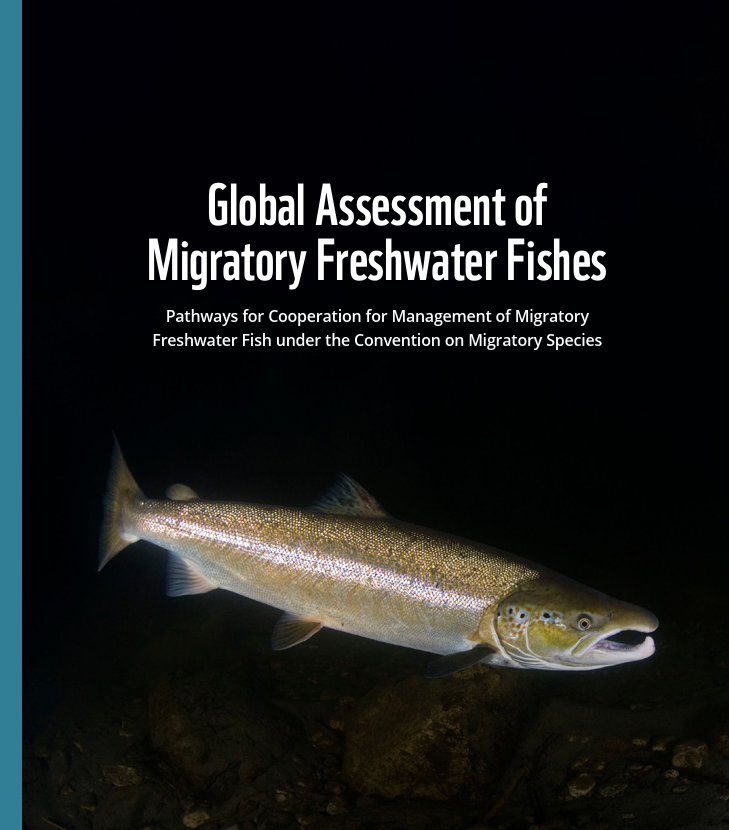
The assessment outlines practical, actionable tools that governments can implement immediately to begin mitigating this crisis. These include strengthening and enforcing international agreements on migratory species, developing and implementing national action plans for migratory fish conservation, and investing in habitat restoration and the removal of barriers to migration. Furthermore, the report emphasizes the critical need for transboundary cooperation in managing shared river basins, recognizing that effective conservation cannot be achieved within national boundaries alone.
Spotlight on South America’s Great Rivers: A Beacon of Hope and a Warning
Brazil, as the host nation for COP15, is taking a leading role in proposing critical conservation measures for two of South America’s most significant river systems: the Amazon and the La Plata-Paraná. These basins, renowned for their immense biodiversity and the extraordinary migrations of their fish populations, are at a pivotal moment.
The Amazon Basin, while still considered one of the last great strongholds for migratory freshwater fish, faces intensifying development pressures that threaten its unique ecological integrity. The region is home to fish that undertake some of the longest freshwater migrations ever recorded. A prime example is the dorado catfish (Brachyplatystoma rousseauxii), a large, bottom-dwelling species known for its metallic sheen and impressive size, reaching up to two meters in length. This species is highly valued in commercial fisheries and undertakes a remarkable migration spanning 11,000 kilometers from its spawning grounds in the Andean headwaters to coastal nurseries, representing one of the longest life-cycle freshwater migrations known to science.
To bolster conservation efforts in the Amazon, Brazil and other regional governments are collaborating on a Multi-species Action Plan for Amazonian Migratory Catfish, slated to run from 2026 to 2036. This ambitious, region-wide initiative exemplifies the type of coordinated action needed to protect these transboundary species.
In the La Plata Basin, Brazil has also proposed the addition of the spotted sorubim catfish (Pseudoplatystoma corruscans) to CMS Appendix II. This proposal aims to draw greater international attention and facilitate coordinated conservation actions for a species threatened by dams, altered flow regimes, and intense fishing pressures within this vital basin.
These initiatives represent some of the most significant international efforts to date dedicated to safeguarding migratory freshwater fish species. They strongly reinforce the core principle of the CMS: that conservation solutions for migratory species must encompass their entire range and are fundamentally dependent on robust international cooperation.
Michele Thieme, Vice President and Deputy Lead of Freshwater at WWF-US, articulated the urgency and the interconnectedness of this challenge. "Rivers don’t recognize borders – and neither do the fish that depend on them," she stated. "The crisis unfolding beneath our waterways is far more severe than most people realize, and we are running out of time. Rivers need to be managed as connected systems, with coordination across borders, and investments in basin-wide solutions now before these migrations are lost forever." Her statement underscores the critical need for a paradigm shift in how river systems are managed, moving from nationalistic approaches to holistic, basin-wide strategies.
Broader Implications and Future Outlook
The implications of the "Global Assessment of Migratory Freshwater Fishes" are far-reaching. The decline of these species signals a broader degradation of freshwater ecosystems, impacting not only biodiversity but also the vital ecosystem services that rivers provide, such as water purification, flood control, and nutrient cycling. The economic consequences for communities reliant on fishing and riverine tourism are also substantial.
The assessment’s call for immediate action is timely. The window of opportunity to reverse these trends is narrowing. Addressing the crisis requires a multi-pronged approach that includes:
- Strengthening International Cooperation: Enhancing collaboration between nations sharing river basins is paramount. This involves joint monitoring, data sharing, and the harmonization of conservation policies.
- Investing in Sustainable Infrastructure: Future infrastructure development must prioritize fish passage and minimize habitat fragmentation. Retrofitting existing dams to include fish ladders or other passage solutions is also crucial.
- Combating Pollution: Stricter regulations and improved enforcement are needed to curb agricultural, industrial, and urban pollution that degrades water quality.
- Promoting Sustainable Fisheries Management: Implementing science-based fishing quotas, reducing bycatch, and discouraging destructive fishing practices are essential to allow fish populations to recover.
- Climate Change Adaptation: Developing and implementing strategies to help freshwater ecosystems adapt to the impacts of climate change, such as altered flow regimes and rising water temperatures, is increasingly vital.
- Public Awareness and Education: Raising public awareness about the importance of migratory freshwater fish and the threats they face is critical to building support for conservation efforts.
The "Global Assessment of Migratory Freshwater Fishes" serves as a critical wake-up call. It highlights a hidden ecological emergency that demands immediate and sustained international attention and action. The fate of these remarkable creatures, and indeed the health of our planet’s freshwater systems, depends on our collective will to protect these vital underwater highways before they fall silent forever. The momentum generated at COP15, particularly through initiatives like Brazil’s proposed action plans, offers a glimmer of hope, but sustained commitment and investment will be necessary to turn the tide on this accelerating crisis.