

Published on: March 24, 2026
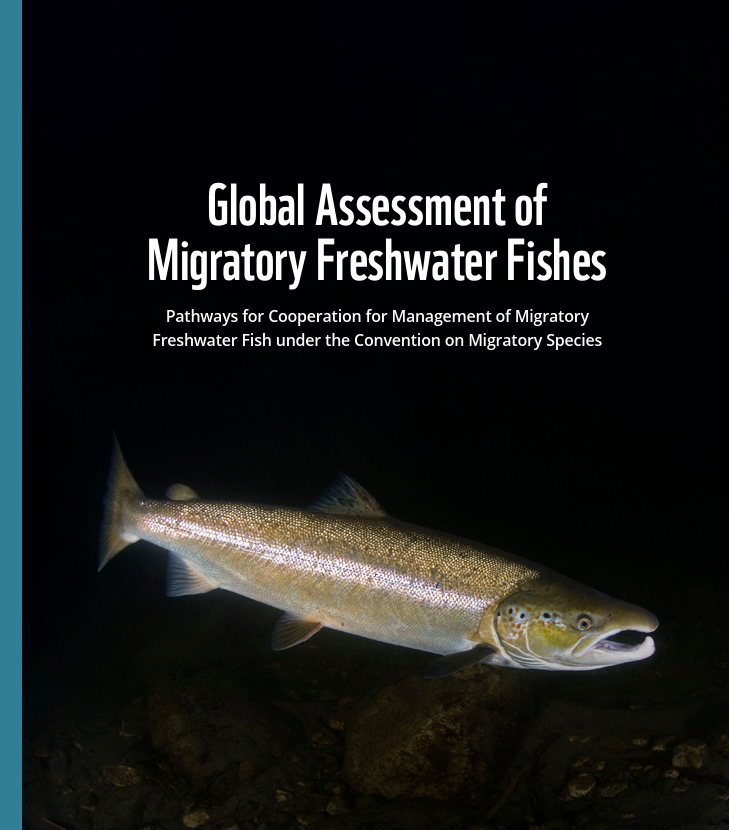
A groundbreaking new assessment by the UN Convention on the Conservation of Migratory Species of Wild Animals (CMS) has unveiled a critical and largely overlooked biodiversity crisis: the rapid collapse of migratory freshwater fish populations. These vital aquatic inhabitants, responsible for maintaining riverine health, supporting vast inland fisheries, and sustaining hundreds of millions of people globally, are now recognized as among the planet’s most imperiled wildlife. The report, titled The Global Assessment of Migratory Freshwater Fishes, was launched concurrently with the CMS COP15 conference in Brazil, drawing urgent attention to the precarious state of these underwater ecosystems.
The assessment identifies a staggering 325 migratory freshwater fish species as candidates for coordinated international conservation efforts. This highlights a significant biodiversity emergency unfolding across the world’s shared river basins, a crisis that has historically received far less international focus than its terrestrial or marine counterparts. These species are facing accelerating declines due to a confluence of human-induced pressures, including the pervasive construction of dams, extensive habitat fragmentation, widespread pollution, unsustainable fishing practices, and the profound impacts of climate change on aquatic ecosystems.
"Many of the world’s great wildlife migrations take place underwater," stated Dr. Zeb Hogan, lead author of the assessment. "This assessment shows that migratory freshwater fish are in serious trouble, and that protecting them will require countries to work together to keep rivers connected, productive, and full of life." His sentiment underscores the interconnected nature of river systems and the imperative for cross-border collaboration.
A Hidden Crisis Beneath the Waterline
The report’s findings paint a stark picture of decline. Freshwater ecosystems, in general, are experiencing faster population declines than terrestrial and marine environments. However, the specific collapse of migratory freshwater fish populations has remained largely out of the international spotlight until now. These species are intrinsically linked to long, uninterrupted river corridors that serve as essential pathways connecting their spawning grounds, feeding areas, and critical floodplain nurseries. These journeys often transcend national borders, making their conservation inherently a matter of international cooperation.
The consequences of disrupting these vital "swimways" are severe. Dams, altered hydrological regimes, and habitat degradation act as insurmountable barriers, leading to rapid and drastic population declines. The assessment reveals that migratory freshwater fish populations worldwide have plummeted by approximately 81% since 1970. This alarming statistic is compounded by the fact that nearly all (97%) of the 58 migratory fish species already listed under CMS, encompassing both freshwater and saltwater species, are now threatened with extinction. The new assessment significantly expands this understanding by identifying hundreds of additional migratory freshwater fish species with unfavorable conservation statuses, emphasizing the urgent need to manage rivers as cohesive, connected systems rather than isolated national waterways.
The Urgent Need for Coordinated Action: A Global Perspective
The implications of this widespread decline are far-reaching. Migratory freshwater fish play a crucial role in maintaining the ecological balance of rivers. They act as natural engineers, influencing water quality, nutrient cycling, and the overall health of aquatic ecosystems. Furthermore, they form the backbone of many of the world’s most important inland fisheries, providing a critical source of protein and income for millions of people, particularly in developing nations. The erosion of these fish populations threatens not only biodiversity but also food security and economic stability for numerous communities.
The assessment proposes practical, actionable tools that governments can implement immediately to mitigate these declines. While specific details of these tools were not elaborated in the provided text, the emphasis on international cooperation and the management of river systems as interconnected entities suggests strategies such as establishing fish passage at dams, restoring degraded river habitats, implementing sustainable fishing quotas, and reducing pollution from all sources.
Spotlight on South America’s Vital River Systems
Brazil, as the host nation for COP15, has taken a leading role in proposing conservation measures specifically targeting South America’s two most significant river systems: the Amazon and the La Plata-Paraná. These vast river basins are home to some of the most impressive migratory freshwater fish species on the planet, undertaking some of the longest known freshwater migrations.
The Amazon Basin, in particular, remains one of the last great strongholds for migratory freshwater fish diversity. However, intensifying development pressures, including deforestation, mining, and dam construction, pose a significant threat to its future. Among the iconic species found here is the dorado catfish (Brachyplatystoma rousseauxii), a formidable bottom-dweller renowned for its metallic sheen and impressive size, reaching up to two meters in length. This species is celebrated for undertaking one of the longest known freshwater migrations of any fish, traveling an astonishing 11,000 kilometers from its spawning grounds in the Andean headwaters to its feeding and nursery areas in the coastal zones.
To address the escalating threats to these species, Brazil and other regional governments are championing a Multi-species Action Plan for Amazonian Migratory Catfish, slated to run from 2026 to 2036. This plan, developed through extensive regional cooperation involving multiple countries, aims to foster coordinated conservation efforts across the Amazon basin.
Furthermore, Brazil has put forth a proposal to add the spotted sorubim catfish (Pseudoplatystoma corruscans) to CMS Appendix II. This initiative highlights the urgent need for coordinated action within the La Plata Basin, where this species is under severe threat from dam construction, altered water flows, and intense fishing pressure. The inclusion on Appendix II would facilitate greater international cooperation and the implementation of harmonized conservation measures across the basin.
These ambitious initiatives represent some of the most significant international efforts to date dedicated to safeguarding migratory freshwater fish species. They powerfully reinforce the core mission of the CMS: that effective conservation solutions for migratory species must encompass their entire range and are fundamentally dependent on robust international cooperation for their success.
Voices of Concern and Urgency
The gravity of the situation has been echoed by leading conservationists. Coenraad Krijger, CEO of Wetlands International, emphasized the precipitous decline, stating, "Migratory freshwater fish populations are in freefall: crashing around 81% since 1970. We need to accelerate efforts to safeguard their Swimways and invest in the conservation of these species, which are critical to communities and ecosystems across the globe. This is why migratory fishes are one of the priorities in Wetlands International’s new 10-year strategy." His statement underscores the immediate need for action and the strategic importance of these species within the broader conservation agenda.
Michele Thieme, Vice President and Deputy Lead of Freshwater at WWF-US, added a stark warning: "Rivers don’t recognize borders – and neither do the fish that depend on them. The crisis unfolding beneath our waterways is far more severe than most people realize, and we are running out of time. Rivers need to be managed as connected systems, with coordination across borders, and investments in basin-wide solutions now before these migrations are lost forever." This sentiment highlights the interconnectedness of the issue and the critical window for intervention.
Broader Implications and Future Outlook
The findings of The Global Assessment of Migratory Freshwater Fishes serve as a critical wake-up call. The report’s emphasis on practical tools and international cooperation provides a roadmap for action. The success of initiatives like the proposed Amazonian catfish action plan and the inclusion of the spotted sorubim catfish on CMS Appendix II will be crucial indicators of the world’s commitment to addressing this underwater crisis.
The long-term implications of failing to protect migratory freshwater fish are dire. Beyond the loss of biodiversity, the collapse of these populations will inevitably lead to diminished food security, economic hardship for fishing communities, and the degradation of vital freshwater ecosystems. The interconnectedness of river systems means that the health of one basin can impact others, necessitating a holistic and collaborative approach to conservation. As the world grapples with the escalating impacts of climate change and increasing demands on freshwater resources, the protection of these vital migratory species becomes not just an environmental imperative, but a fundamental requirement for human well-being and ecological resilience. The time for decisive, coordinated, and basin-wide action is now, before these ancient migrations are silenced forever.