
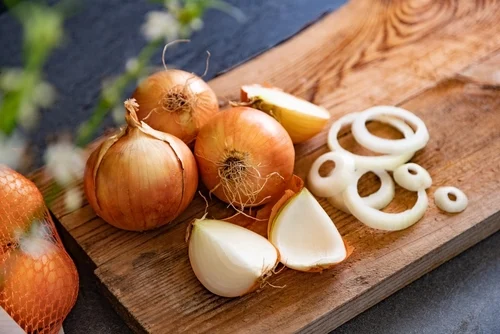
The growing movement toward backyard poultry husbandry has brought with it a renewed focus on avian nutrition and the safety of supplemental feeding. While many hobbyists view kitchen scraps as a sustainable way to provide variety to their flocks, veterinary experts and seasoned poultry specialists are issuing a stern warning regarding a common household staple: the onion. Despite their prevalence in human diets and their various health benefits for people, onions—and several of their botanical relatives—contain chemical compounds that can prove fatal to chickens. The primary concern centers on a toxin known as thiosulphate, a compound that the avian digestive system is ill-equipped to process, leading to severe physiological distress and potential mortality.
The Toxic Mechanism: Understanding Thiosulphate and Hemolysis
At the heart of the danger posed by onions is the presence of organosulfur compounds, specifically thiosulphate. In many mammals and birds, including chickens and dogs, the ingestion of these compounds triggers a process known as oxidative hemolysis. When a chicken consumes an onion, the thiosulphate is absorbed into the bloodstream, where it causes oxidative damage to the hemoglobin within red blood cells.
Hemoglobin is the protein responsible for transporting oxygen from the lungs (or in a bird’s case, the air sacs and lungs) to the rest of the body’s tissues. When thiosulphate interacts with these cells, it causes the hemoglobin to clump together, forming what are known as "Heinz bodies." These damaged cells are identified by the bird’s spleen and removed from circulation or destroyed entirely. Because the chicken’s bone marrow cannot produce new red blood cells fast enough to replace those being destroyed, the bird develops hemolytic anemia.

The resulting lack of oxygen delivery to vital organs leads to a cascade of systemic failures. Unlike humans, who possess specific enzymes that help neutralize these sulfur-based compounds in moderate amounts, chickens are particularly sensitive to even relatively small doses over a prolonged period, or large doses in a single sitting.
Identifying the Symptoms of Allium Toxicity
The clinical presentation of onion poisoning in poultry can be subtle at first, often manifesting as general malaise before progressing to more acute symptoms. Because chickens are prey animals, they instinctively hide signs of illness until they are significantly compromised, making it vital for keepers to recognize the early warning signs of toxicity.
The most common symptoms reported by veterinary professionals include:
- Respiratory Distress: As the red blood cell count drops, the bird must breathe faster to compensate for the lack of oxygen being delivered to its tissues. This results in rapid, labored breathing or panting.
- Lethargy and Weakness: Affected chickens will often appear "hunched," with ruffled feathers, and may show a lack of interest in foraging or interacting with the flock.
- Digestive Issues: Diarrhea is a frequent side effect of the systemic stress caused by toxin ingestion.
- Jaundice: In severe cases, the massive destruction of red blood cells leads to a buildup of bilirubin, which can cause a yellowish tint to the skin, comb, and wattles—a condition known as icterus or jaundice.
- Reduced Egg Production: Chronic low-level exposure to alliums can cause a noticeable drop in laying rates as the hen’s body redirects energy toward survival and cellular repair.
In extreme cases, or when a large quantity of onions is consumed, the condition can lead to sudden death. Even if the bird survives, the stress on the liver and kidneys can have long-term implications for the bird’s overall health and longevity.

The Allium Family: A Spectrum of Risk
While the common bulb onion (Allium cepa) is the most cited culprit, it is not the only member of the Allium genus that poses a risk. The toxin thiosulphate is present in varying concentrations across several related plants. Poultry keepers are advised to exercise caution with the following:
- Shallots and Scallions: These possess similar toxic profiles to standard onions and should be strictly avoided.
- Leeks: Often used in soups and stews, leeks contain the same organosulfur compounds and are equally dangerous to chickens.
- Chives: While often used as a garnish, even small amounts of chives can contribute to the cumulative toxic load in a bird’s system.
The danger is not mitigated by cooking. Whether raw, boiled, fried, or dehydrated, the thiosulphate remains stable and toxic. This makes kitchen scraps containing onion remnants particularly hazardous, as the toxin cannot be "cooked out" of the food before it reaches the coop.
The Garlic Paradox: Benefits vs. Risks
A point of frequent confusion among poultry enthusiasts is the role of garlic (Allium sativum). Although garlic belongs to the same Allium family as onions, its chemical composition is markedly different. Garlic contains significantly lower levels of thiosulphate compared to onions. Furthermore, garlic is rich in allicin, a compound known for its antimicrobial, antifungal, and immune-boosting properties.
Lisa Steele, a fifth-generation chicken-keeping expert and founder of the "Fresh Eggs Daily" brand, notes that the benefits of garlic often outweigh the risks when administered correctly. Steele and other experts suggest that while fresh garlic still contains trace amounts of the toxin, a chicken would need to consume an extraordinary amount for it to trigger hemolytic anemia.

Many keepers utilize garlic powder or infused water as a natural supplement to support respiratory health and repel internal parasites. Once garlic is dried and processed into powder, the thiosulphate levels become negligible. However, moderation remains key. Experts recommend following specific dosage guidelines—typically a few cloves in a gallon of water or a light dusting of powder in feed—to ensure the birds reap the medicinal benefits without reaching a toxic threshold.
Historical Context and the Shift in Poultry Nutrition
The understanding of onion toxicity in poultry has evolved significantly over the last century. Historically, farm chickens were often viewed as the "cleanup crew" of the homestead, expected to consume any and all household waste. While many birds survived this "anything goes" approach, mortality rates were often high and causes of death were rarely investigated with scientific rigor.
As the poultry industry shifted toward commercial production in the mid-20th century, nutritional research became more sophisticated. Scientists began to isolate specific ingredients that affected growth rates and egg quality. It was during this period that the link between Alliums and Heinz body anemia was more clearly established in veterinary literature.
Today, with the rise of the "pet chicken" phenomenon, there is a greater emphasis on the individual health and longevity of birds. This has led to a more cautious approach to supplemental feeding. The contemporary consensus among avian veterinarians, such as those contributing to ChickenDVM, is that the potential health risks of feeding onions far outweigh any nutritional benefits they might provide.

Expert Perspectives and Industry Responses
The consensus among poultry experts is one of preventative caution. Lisa Steele, whose research-based approach has made her a leading voice in the backyard chicken community, emphasizes that the goal of supplemental feeding should be to enhance health, not gamble with it. "I don’t recommend feeding onions to your chickens because any potential health benefits are far outweighed by the potential health risk," Steele asserts.
This sentiment is echoed across the veterinary community. Most avian specialists suggest that since there are hundreds of safe, nutrient-dense treats available—such as kale, blueberries, mealworms, and watermelon—there is no logical reason to include a known toxin like onions in a bird’s diet.
Furthermore, the impact of onions can extend to the quality of the eggs. There have been numerous reports from keepers that chickens who consume onions or large amounts of garlic produce eggs with an "off" or slightly metallic flavor, as the volatile sulfur compounds are transferred through the hen’s system into the yolk.
Broader Implications for Food Waste and Garden Management
The risk of onion toxicity also necessitates a change in how homesteaders manage their gardens and compost. Chickens are natural foragers and will often investigate vegetable patches if given the opportunity. To prevent accidental ingestion, keepers should:

- Secure Gardens: Ensure that onion, leek, and garlic beds are fenced off from free-ranging flocks.
- Manage Compost: Avoid placing large quantities of raw onion peels or discarded bulbs in open compost piles where chickens might scratch and peck.
- Educate Households: Ensure that all family members understand that "scrap feeding" does not include everything from the cutting board.
In the broader context of the poultry industry, the study of plant-based toxins like thiosulphate continues to inform feed formulations. By understanding the limits of the avian liver and circulatory system, nutritionists can create more resilient flocks and reduce the incidence of "unexplained" losses in both small-scale and commercial settings.
Conclusion: A Proactive Approach to Flock Safety
While chickens are remarkably hardy animals capable of thriving in diverse environments, their unique physiology requires a specialized approach to nutrition. The danger posed by onions and other alliums serves as a vital reminder that "natural" does not always mean "safe." By removing onions from the menu and opting for safer alternatives, poultry keepers can protect their flocks from the silent threat of hemolytic anemia.
The transition from traditional "scraps" to a more informed, science-based diet reflects the maturing of the backyard poultry movement. As experts like Lisa Steele continue to provide time-tested, well-researched guidance, the standard for avian care continues to rise. For the modern chicken keeper, the rule is simple: when in doubt, leave the onions out. Ensuring the health of a flock begins with understanding the hidden chemistry of the food they consume, prioritizing long-term vitality over short-term convenience.