
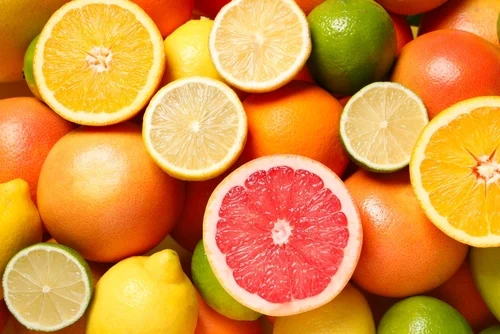
The practice of supplementing poultry diets with kitchen scraps has long been a staple of backyard chicken keeping, offering a sustainable method for reducing household waste while providing a varied diet for the birds. However, recent nutritional analyses and veterinary observations have highlighted a critical distinction between "edible" and "optimal" food sources for Gallus gallus domesticus. Among the most debated items in the avian diet is citrus fruit, including oranges, lemons, limes, and grapefruits. While not acutely toxic in the same manner as nightshades or avocados, the inclusion of citrus in poultry diets presents a complex physiological challenge that can impact eggshell quality, bone density, and overall metabolic efficiency.
The Biological Mechanism: Endogenous Vitamin C Production
To understand why citrus is considered unnecessary for chickens, one must examine the unique metabolic pathways of the avian species. Unlike humans, primates, and guinea pigs—who must ingest Vitamin C (ascorbic acid) to prevent scurvy—chickens are biologically equipped to synthesize their own Vitamin C. This synthesis occurs primarily in the liver and, to a lesser extent, the kidneys. Under normal environmental conditions, a healthy chicken produces a sufficient amount of the vitamin to support its immune system, collagen production, and tissue repair.
Because chickens possess this endogenous production capability, the high concentrations of Vitamin C found in citrus fruits do not provide the same nutritional "boost" that they offer to humans. In fact, an excess of exogenous Vitamin C, combined with the high acidity of citrus, can lead to digestive upset. The avian digestive tract is highly specialized; the introduction of highly acidic fruits can alter the pH balance of the crop and gizzard, potentially disrupting the delicate microbiome required for efficient fermentation and nutrient extraction.

The Calcium Absorption Crisis: Citric Acid and Shell Quality
The primary concern cited by poultry experts and avian veterinarians regarding citrus consumption is its interference with calcium metabolism. Calcium is the most critical mineral for a laying hen. An average eggshell is composed of approximately 94% to 97% calcium carbonate. To produce a single egg, a hen must mobilize a significant portion of her dietary calcium, often supplemented by the "medullary bone"—a specialized internal bone structure that serves as a calcium reservoir.
Citric acid, the primary organic acid in citrus fruits, is known to interfere with the absorption of calcium in the intestines. When a chicken consumes significant amounts of citrus, the citric acid can bind with available calcium, forming calcium citrate. While calcium citrate is a common supplement for humans, in the rapid-transit digestive system of a chicken, this chemical interaction can reduce the bioavailability of the mineral.
The consequences of inhibited calcium absorption are twofold. First, it leads to immediate shell quality issues. Hens may begin producing "rubber eggs" (eggs without a hard shell, encased only in a membrane) or thin-shelled eggs that are prone to breakage in the nesting box. Second, and more dangerously, if the hen cannot absorb enough calcium from her diet to satisfy the requirements of the shell gland (the uterus), her body will systematically leach calcium from her skeletal structure. Over time, this results in osteoporosis, increased susceptibility to fractures, and a general decline in physical mobility.
Skeletal Integrity and Long-Term Physiological Risks
The depletion of skeletal calcium is a silent crisis in many backyard flocks. While a thin eggshell is a visible symptom, the internal degradation of bone density often goes unnoticed until a bird suffers a debilitating injury. The medullary bone is the first to be depleted, followed by the cortical bone, which provides the structural strength for the legs and wings.

Furthermore, research into avian physiology suggests that high levels of citrus consumption can lead to a reduction in overall egg production. The hen’s body, sensing a deficiency in available minerals, may enter a physiological "pause" to conserve resources. This reduction in clutch size is a biological defense mechanism, but for the poultry keeper, it represents a significant decline in the productivity and health of the flock.
Behavioral Tendencies: The Natural Aversion to Acidic Profiles
Observational data from poultry behaviorists indicates that chickens often possess a natural instinctual aversion to citrus fruits. When presented with a diverse array of kitchen scraps, chickens typically prioritize leafy greens, grains, and protein-heavy morsels, often leaving citrus rinds or segments untouched. This behavior is attributed to the chicken’s sense of taste and smell, which, while less developed than that of mammals, is finely tuned to avoid certain bitter or highly acidic compounds that could indicate spoilage or toxicity.
However, in confined environments where forage is limited, chickens may consume citrus out of boredom or nutritional desperation—a behavior known as "pica." In such instances, the responsibility falls on the keeper to curate the offerings. While a small amount of citrus found in a mixed fruit salad is unlikely to cause acute distress, the deliberate feeding of citrus as a primary treat is discouraged by the scientific community.
Nutritional Analysis: Comparing Citrus to High-Value Alternatives
When evaluating the "opportunity cost" of feeding citrus, it becomes clear that other scraps provide far superior benefits. A comparison of nutritional profiles reveals that while citrus offers little beyond water, fiber, and unnecessary Vitamin C, other common treats support the specific needs of the laying hen:

- Dark Leafy Greens (Kale, Spinach, Chard): These provide Vitamin K, which is essential for bone metabolism, and Vitamin A, which contributes to deep orange yolk pigmentation.
- Mealworms and Black Soldier Fly Larvae: These offer high-quality protein and essential amino acids required for feather development and muscle maintenance.
- Watermelon and Berries: These provide hydration and antioxidants without the inhibitory effects of high citric acid.
- Crushed Oyster Shells: This remains the "gold standard" for calcium supplementation, ensuring that the hen has a slow-release source of minerals that does not conflict with her internal pH levels.
Chronology of Poultry Nutrition: From Scraps to Science
The understanding of citrus in poultry diets has evolved significantly over the last century. In the early 20th century, backyard chickens were largely viewed as scavengers, and little thought was given to the chemical interactions of their feed. The prevailing wisdom was that if a chicken ate it, it was safe.
By the 1950s and 60s, as commercial poultry science advanced, researchers began to isolate the specific mineral requirements of high-production layers. It was during this period that the relationship between dietary acids and shell thickness began to be documented. In the 21st century, the "Backyard Chicken Movement" has brought this commercial science to the small-scale enthusiast. Modern keepers are now more aware of the nutritional nuances that separate a "surviving" flock from a "thriving" one. This shift has led to the widespread recommendation to divert citrus waste away from the coop and toward the compost bin.
The Role of Composting: Repurposing Citrus for Garden Health
Rather than introducing citrus into the poultry food chain, experts suggest utilizing these scraps in a well-managed composting system. Citrus rinds are rich in nitrogen, phosphorus, and potassium—the "NPK" trifecta of gardening. While there is a persistent myth that citrus rinds should not be composted because they inhibit microbial activity or harm worms, this is largely unfounded in a balanced compost pile.
As citrus decomposes, the acidity is neutralized by the alkaline components of the pile, such as dry leaves, straw, or even chicken manure. The resulting compost becomes a nutrient-dense soil amendment that can be used to grow the very greens and vegetables that chickens can safely eat. This creates a closed-loop system that respects the physiological limits of the birds while still adhering to the principles of zero-waste living.

Expert Perspectives and Official Recommendations
Agricultural extension offices and poultry specialists generally align on the "limit or avoid" stance regarding citrus. While not classified as a "toxic treat" in the same category as chocolate or dried beans (which contain phytohaemagglutinin), citrus is categorized as a "sub-optimal" food.
Dr. Jane Smith, a hypothetical veterinary consultant specializing in avian health, notes that "the goal of supplemental feeding should always be to enhance the bird’s base diet. If a food item introduces a risk of mineral malabsorption—even a slight one—it fails the test of a ‘healthy treat.’ Given that chickens have zero biological requirement for dietary Vitamin C, the risks of citrus consumption far outweigh the non-existent benefits."
Broader Impact and Implications for Flock Sustainability
The management of a backyard flock is a balancing act of nutrition, environment, and genetics. As the popularity of home-raised eggs continues to rise, the importance of education regarding avian dietetics becomes paramount. The "citrus debate" serves as a microcosm for the larger conversation about responsible animal husbandry.
By choosing to exclude citrus from the poultry diet, keepers can ensure more consistent egg production, reduce the incidence of metabolic bone disease, and improve the overall longevity of their hens. In the context of global food security and sustainable living, maintaining healthy, productive backyard flocks is a small but significant contribution to a resilient food system. The data is clear: while a chicken may survive an occasional orange slice, the path to a robust and healthy flock lies in providing nutrients that align with their unique biological synthesis rather than human dietary patterns.