
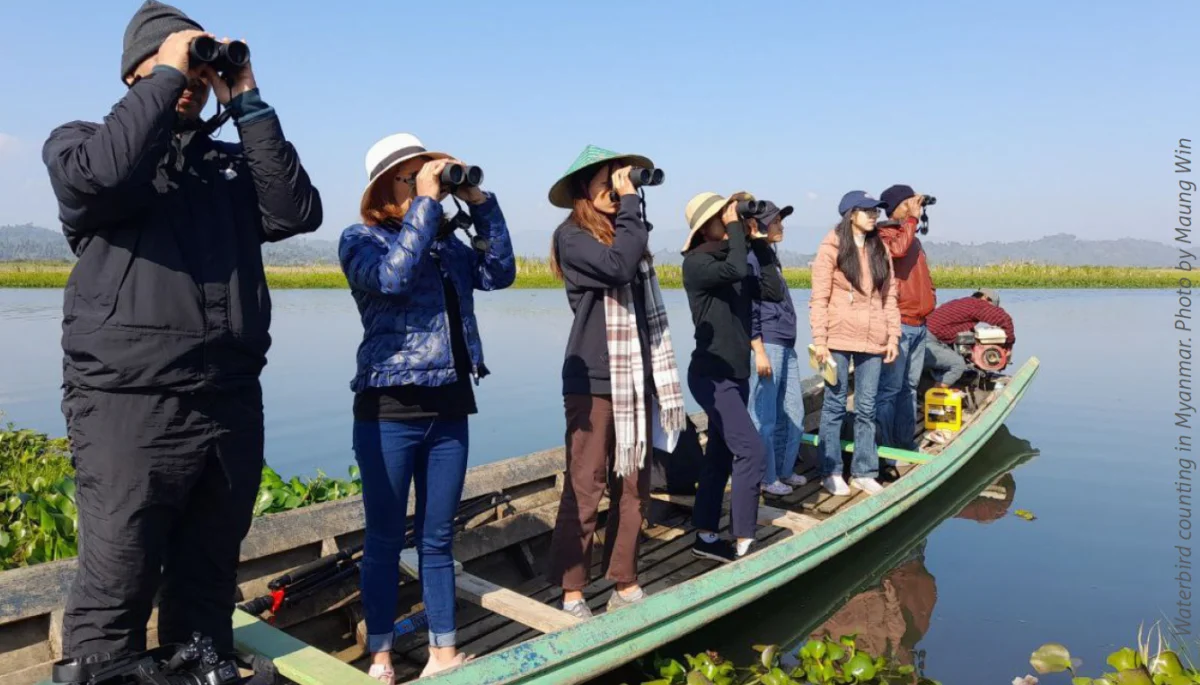
Tens of thousands of individuals across the globe are currently embarking on the 60th edition of the International Waterbird Census (IWC), a monumental citizen science initiative that has quietly but powerfully shaped global conservation efforts for six decades. This enduring project, initiated in 1967, mobilizes a vast network of scientists and volunteers to meticulously monitor waterbird populations and the vital wetland ecosystems they inhabit.
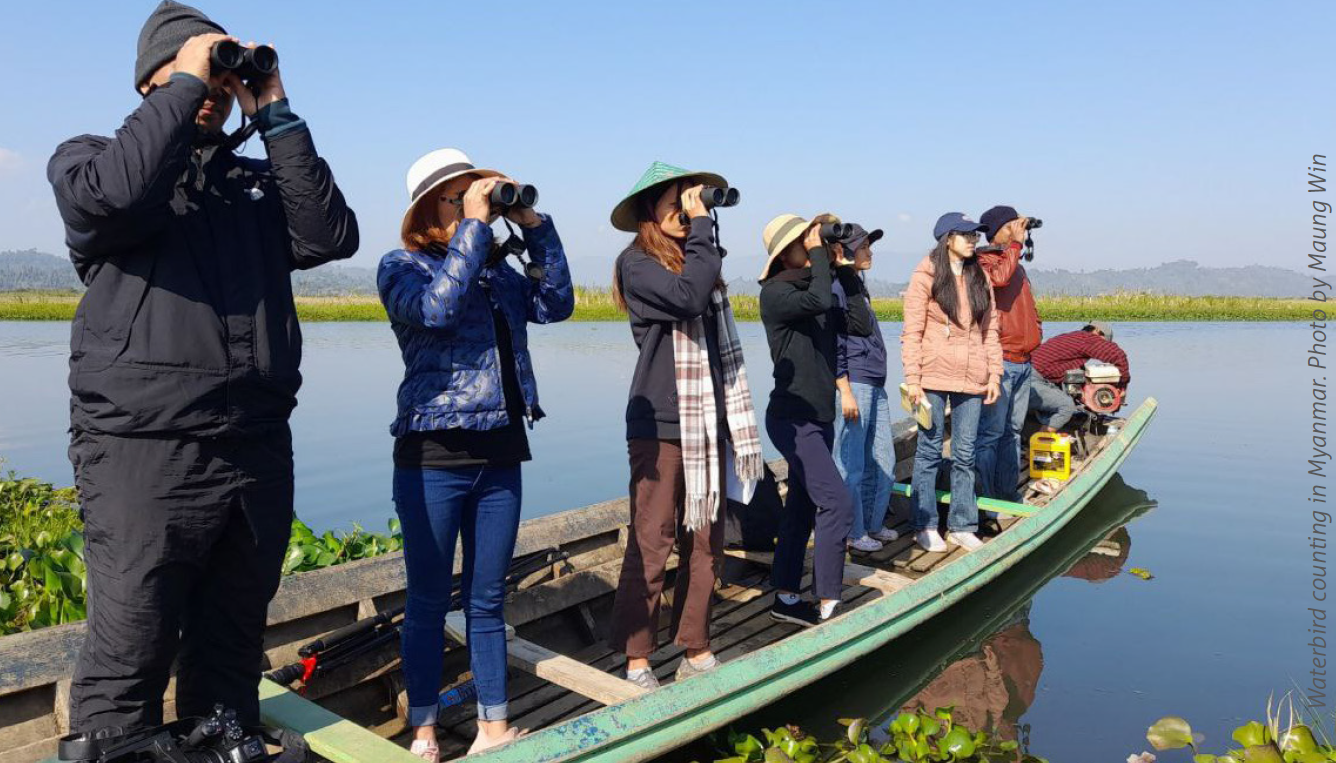
From the frigid expanses of European lakes to the sun-drenched shores of the Caribbean, and from the bustling mudflats of Asia to the lush estuaries of tropical Africa, participants are meticulously documenting avian life. Armed with telescopes and binoculars, they follow in the footsteps of generations of counters, contributing to an unparalleled dataset that underpins critical conservation strategies. The IWC stands as one of the world’s most expansive, long-running, and influential biodiversity monitoring programs, encompassing surveys at an astonishing 67,000 wetlands across 189 countries and territories. Its impact is far-reaching, having directly fueled conservation actions worldwide, leading to the protection of invaluable wetlands, the safeguarding of vulnerable waterbird species, and the formulation of international conservation policies and practices that benefit both human and natural systems, including vital climate regulation.
"For 60 years, the International Waterbird Census has demonstrated the profound power of collective action for nature," stated Coenraad Krijger, CEO of Wetlands International, a key coordinating body for the IWC. "It has evolved into an indispensable beacon of knowledge and collaboration, forming the bedrock of conservation successes for waterbirds and wetlands on a global scale."
This remarkable milestone is a testament to the unwavering commitment of tens of thousands of volunteers, scientists, and partner organizations whose dedication has collectively strengthened, interconnected, and amplified the effectiveness of global conservation endeavors.
A Legacy of Data-Driven Conservation
The primary objective of the IWC has always been to provide robust data for estimating waterbird population sizes and trends, identifying and monitoring critical wetlands for these species, and informing wetland protection and management strategies. Over its illustrious history, the census has been instrumental in achieving significant conservation victories, including:
- Establishment of Protected Areas: The data generated by the IWC has been pivotal in advocating for and establishing numerous protected areas. This includes the designation of 956 Ramsar Wetlands of International Importance, collectively spanning an impressive 1.5 million square kilometers. These designations are crucial for the conservation of wetland biodiversity and the services they provide.
- Identification of Key Habitats: The census has facilitated the identification and designation of 2,701 Important Bird Areas (IBAs), covering a substantial 1.75 million square kilometers. These areas are recognized globally for their significance to bird populations and are often targeted for specific conservation interventions.
- Informing Policy and Management: The long-term data sets have provided irrefutable evidence of population declines and habitat degradation, compelling governments and international bodies to enact stronger environmental policies and adopt more sustainable land and water management practices.
- Raising Public Awareness: By focusing on charismatic waterbirds, the IWC has effectively drawn public attention to the plight of wetlands, serving as an accessible entry point for engaging broader audiences in conservation issues.
Martin Harper, CEO of BirdLife International, a partner organization extensively involved in the IWC’s national coordination, lauded the 60th edition. "BirdLife International proudly salutes the 60th edition of the International Waterbird Census. The most effective conservation efforts are precisely targeted where the need is greatest, and the IWC serves as an exceptional tool for achieving this," Harper remarked. He further elaborated on the practical applications of the IWC data, stating, "Whether it’s having helped establish 956 Ramsar Wetlands of International Importance, covering 1.5 million km², or identifying 2,701 Important Bird Areas, covering 1.75 million km², the IWC consistently keeps us on track to achieve results at scale."
Waterbirds, due to their widespread distribution across diverse wetland types and their visibility, serve as excellent indicators of wetland health. Their presence and abundance reflect the ecological integrity of these vital ecosystems, which are themselves critical for global biodiversity and essential ecosystem services.
The Looming Threats to Wetlands and Waterbirds
Despite the successes driven by the IWC, the conservation landscape remains fraught with challenges. "Wetlands are our life support systems, sustaining not only the world’s waterbirds and countless other species, but also crucial for human well-being," cautioned Krijger. "However, we have witnessed the alarming loss of 22% of our remaining wetlands since 1970, and this destruction continues at a devastating rate."
The IWC’s cost-effective, long-term monitoring approach has yielded invaluable data, providing a crucial lens through which to understand these environmental shifts. This data has been instrumental in:
- Understanding Population Dynamics: Providing a baseline for tracking population sizes and identifying species or populations in decline.
- Assessing Habitat Quality: Correlating bird numbers and species diversity with the health and availability of wetland habitats.
- Detecting Environmental Changes: Identifying shifts in species distribution and abundance that can be linked to factors like climate change, pollution, and habitat alteration.
- Guiding Conservation Interventions: Informing the prioritization of conservation efforts and the design of effective management plans for wetlands and waterbird populations.
- Supporting International Agreements: Providing scientific evidence to support the implementation and effectiveness of international conventions such as the Ramsar Convention on Wetlands.
Climate Change and Shifting Distributions
The IWC’s data is increasingly illuminating the profound and often worrying impacts of climate change on waterbird populations. "The census is also painting a concerning picture of climate change’s impact: waterbird distributions are already shifting," noted Harper. "What will this mean for these iconic species, their wetlands, and indeed for people? We must continue to support the IWC to help us chart the most effective paths for conservation."
Indeed, many waterbird populations are experiencing declines, with waders, in particular, showing particularly alarming downward trends. These declines are a direct reflection of the immense pressures on their critical wetland, grassland, and tundra habitats, often located along extensive migratory flyways. By enabling the detection of declines in hunted species, tracking the impact of climate change, and monitoring the spread of diseases like avian influenza, the data meticulously collected through the IWC is indispensable for guiding conservation policy and driving targeted action.

The Power of Citizen Science and Long-Term Commitment
The success of the IWC is intrinsically linked to the dedication of its participants. "Having people on the ground is the only way to gather this critical data on the health of the world’s waterbirds and their wetlands – habitats that sustain our communities and cities, as well as countless other species," emphasized Jean Jalbert, Director General of Tour du Valat.
Taej Mundkur, International Waterbird Census Coordinator, underscored the project’s fundamental strength: "The power of the IWC lies in its continuity. Repeating the same coordinated efforts year after year builds a long-term record that allows us to see beyond short-term fluctuations, understand real population trends, and deliver effective solutions." He concluded by highlighting the human element: "The IWC depends on ordinary people – volunteers from Argentina to Japan who care for our shared world and want to help safeguard waterbirds and wetlands for future generations. Together, they are inspiring action."
A Look Back and a Vision Forward
The International Waterbird Census’s journey began in 1967 as a response to growing concerns about declining waterbird populations in Europe. Initially focused on a few key species, it rapidly expanded in scope and geographical reach, evolving into a truly global endeavor. The project’s early years were characterized by the pioneering efforts of dedicated ornithologists and conservationists who recognized the urgent need for systematic monitoring.
Key Chronological Milestones:
- 1967: The International Waterbird Census is launched, initially focusing on Europe and aiming to assess the impact of harsh winters on waterfowl populations.
- 1970s: The census begins to expand its geographical coverage, incorporating more countries and regions, and broadening its species list to include a wider array of waterbirds.
- 1971: The Ramsar Convention on Wetlands is adopted, providing an international framework for wetland conservation. The IWC’s data becomes increasingly crucial for informing the designation and management of Ramsar Sites.
- 1980s-1990s: The IWC becomes a cornerstone of international biodiversity monitoring. Partnerships with organizations like BirdLife International and Wetlands International solidify its operational framework and expand its reach into developing nations.
- 2000s-Present: The IWC embraces technological advancements, including improved data management systems and digital reporting tools, while continuing to rely on its strong foundation of on-the-ground citizen science. The impact of climate change emerges as a significant focus for data analysis and conservation planning.
The project’s longevity is a testament to its adaptability and the enduring commitment of its participants. As the IWC enters its seventh decade, it stands as a powerful example of how sustained, collaborative scientific effort, driven by passionate individuals, can yield profound insights and inspire tangible conservation outcomes for the planet’s most vital ecosystems and the species that depend on them. The ongoing data collection promises to be even more critical in navigating the complex environmental challenges of the 21st century.