
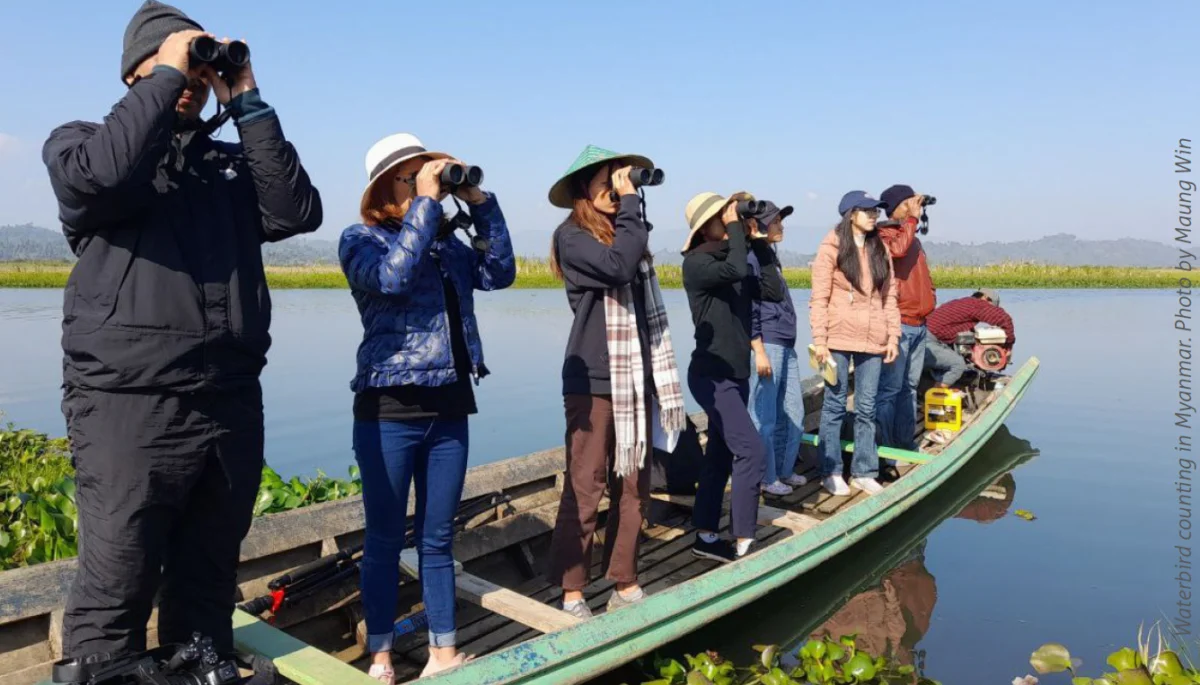
Tens of thousands of individuals are currently participating in the 60th iteration of the International Waterbird Census (IWC), a citizen science initiative that has profoundly influenced global conservation efforts over the past six decades. This extensive project, which began in 1967, mobilizes scientists and volunteers worldwide to monitor the health of waterbird populations and the vital wetland ecosystems they inhabit. From the frozen lakes of Europe and the sun-drenched coasts of the Caribbean to the mudflats of Asia and the estuarine environments of tropical Africa, participants are diligently collecting crucial data.
A Legacy of Data and Conservation Action
The International Waterbird Census stands as one of the planet’s most significant, long-standing, and impactful biodiversity monitoring programs. Its reach is extensive, encompassing surveys at over 67,000 wetlands across 189 countries and territories. The data generated by the IWC has been instrumental in driving conservation action globally, leading to the protection of countless wetlands, the safeguarding of waterbird populations, and the shaping of international conservation policies and practices that benefit both human and natural systems, including climate resilience.
Coenraad Krijger, CEO of Wetlands International, one of the primary coordinators of the IWC, emphasized the project’s enduring power. "For 60 years, the International Waterbird Census has shown the power of people coming together for nature," Krijger stated. "It has developed into an essential beacon of knowledge and collaboration that has underpinned conservation successes for waterbirds and wetlands across the globe."
This remarkable milestone is a testament to the dedication of tens of thousands of volunteers and scientists, alongside the unwavering support of numerous partner organizations. Their collective commitment has demonstrably strengthened, interconnected, and amplified the effectiveness of global conservation initiatives.
Genesis and Evolution of the IWC
The genesis of the International Waterbird Census can be traced back to the mid-1960s, a period when growing concerns about the impact of human activities on wildlife and habitats were beginning to coalesce into organized conservation movements. Recognizing the vulnerability of waterbirds, particularly migratory species, and their dependence on specific wetland environments, a coordinated international effort was deemed necessary to understand population dynamics and identify critical areas requiring protection.
The initial census, launched in 1967, was primarily focused on assessing the populations of migratory waterfowl in the Western Palearctic. However, its success and the growing understanding of the interconnectedness of global flyways quickly led to its expansion. Over the ensuing decades, the IWC evolved into a truly global undertaking, incorporating a wider range of waterbird species and extending its reach to virtually every corner of the world. This expansion was facilitated by the establishment of national coordinating bodies, often spearheaded by organizations like BirdLife International and their local partners, who mobilized volunteers and managed data collection within their respective countries.
The project’s methodology, while refined over time to incorporate advancements in technology and data management, has remained fundamentally consistent: the systematic counting of waterbirds at designated wetland sites during specific periods. This continuity is crucial, enabling the generation of long-term datasets that are essential for identifying trends and assessing the effectiveness of conservation interventions.
The IWC’s Impact: A Foundation for Conservation Success
The International Waterbird Census was meticulously designed to achieve several critical conservation objectives:
- Estimating Waterbird Population Sizes and Trends: By regularly counting birds, the IWC provides vital data on population numbers and allows scientists to track changes over time. This is fundamental to understanding the health of species and identifying those that may be in decline.
- Identifying and Monitoring Priority Wetlands: The census highlights wetlands that are particularly important for waterbirds, whether for breeding, staging, or overwintering. This information is invaluable for prioritizing conservation efforts and ensuring that limited resources are directed to areas of greatest ecological significance.
- Supporting Wetland Protection and Management: The data collected informs land managers, policymakers, and conservation organizations about the status of wetland ecosystems and the species they support. This evidence-based approach is crucial for developing effective wetland management plans and advocating for their protection.
The impact of these objectives is evident in numerous conservation successes worldwide. The IWC has played a pivotal role in:
- Establishing and Designating Ramsar Wetlands of International Importance: The census data has been instrumental in identifying and advocating for the designation of numerous sites under the Ramsar Convention on Wetlands. This international treaty provides a framework for the conservation and wise use of wetlands. According to BirdLife International, the IWC has contributed to the establishment of 956 Ramsar Wetlands, covering an impressive 1.5 million square kilometers.
- Identifying Important Bird Areas (IBAs): The IWC’s data has also been critical in the identification and designation of Important Bird Areas, a global network of sites crucial for bird conservation. These areas, covering approximately 1.75 million square kilometers, are recognized for their significant bird populations and habitats.
- Informing International Conservation Policies: The comprehensive datasets generated by the IWC have influenced international conservation agreements and strategies, including those related to migratory species, biodiversity conservation, and climate change adaptation.
Martin Harper, CEO of BirdLife International, lauded the IWC’s contribution: "BirdLife International salutes the 60th edition of the International Waterbird Census to be held this month and next. The most effective conservation is targeted where the need is greatest, and the IWC is a great tool to do just that." He further elaborated, "Whether it’s having helped establish 956 Ramsar Wetlands of International Importance, covering 1.5 million km², or identifying 2,701 Important Bird Areas, covering 1.75 million km², the IWC consistently helps keep us on track so we can achieve results at scale."
Waterbirds as Indicators of Wetland Health
Waterbirds, a diverse group of birds that depend on wetlands for survival, serve as excellent bio-indicators of the health of these ecosystems. Their presence, abundance, and diversity reflect the availability of food resources, the quality of water, and the overall integrity of the wetland habitat. As such, monitoring waterbirds provides a valuable proxy for assessing the condition of wetlands, which are themselves crucial for a myriad of ecological processes.
Wetlands are vital life support systems, not only for waterbirds but also for countless other species and for human well-being. They play critical roles in water purification, flood control, carbon sequestration, and coastal protection. However, these invaluable ecosystems are facing unprecedented threats. Krijger highlighted this alarming reality: "Wetlands are our life support systems as well as sustaining the world’s waterbirds and countless other species, but we have lost 22% of our remaining wetlands since 1970 and we are continuing to lose them at an alarming rate."
The IWC’s focus on iconic waterbirds has, therefore, served a dual purpose: it has provided essential data for bird conservation while simultaneously shining a critical spotlight on the plight of wetlands. This visibility has been instrumental in inspiring decision-makers globally to prioritize wetland conservation and restoration efforts.
Challenges and Future Directions: Climate Change and Habitat Loss
Despite the IWC’s significant contributions, the data collected also paints a concerning picture of the challenges facing waterbirds and their habitats. The impacts of climate change are becoming increasingly evident, with shifts in waterbird distributions already being observed. This raises critical questions about the long-term viability of their traditional habitats and the need for adaptive conservation strategies.
"The census also paints a worrying picture of the impact of climate change: waterbird distributions are already shifting – what will this mean for these iconic species, their wetlands, and people? We need to support the IWC to help us chart the best choices for conservation," urged Harper.

Many waterbird populations are experiencing declines, with waders showing particularly worrying downward trends. These declines are often linked to the pressures on wetland, grassland, and tundra habitats along their migratory flyways. The IWC’s ability to detect declines in hunted species, track the impact of environmental stressors like climate change, and monitor the spread of diseases such as avian influenza makes its data indispensable for guiding effective conservation policy and action.
The continued loss of wetlands, exacerbated by climate change and human development, poses a significant threat to biodiversity and ecosystem services. The IWC provides the empirical evidence needed to advocate for policy changes, promote sustainable land-use practices, and invest in wetland restoration projects.
The Power of Citizen Science and Collaboration
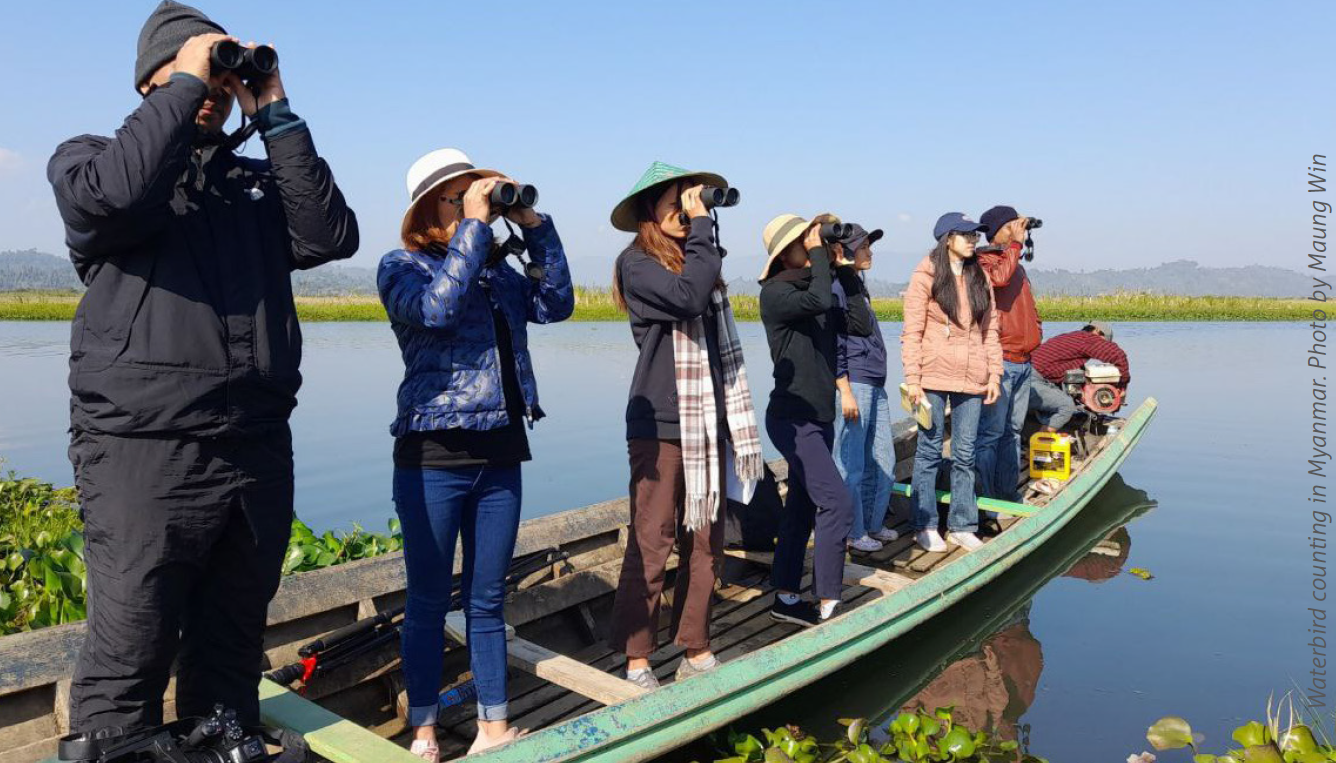
The success of the International Waterbird Census is intrinsically linked to the power of citizen science and the collaborative spirit of its participants. As Jean Jalbert, Director General of Tour du Valat, articulated, "Having people on the ground is the only way to gather this critical data on the health of the world’s waterbirds and their wetlands – habitats that sustain our communities and cities as well as countless other species."
The IWC’s cost-effective, long-term monitoring approach has yielded invaluable data that has informed:
- The identification of critical sites for conservation: Data from the IWC has been instrumental in pinpointing key wetlands that require immediate protection.
- The assessment of threats and pressures: Long-term trends identified through the census help researchers understand the impacts of habitat degradation, pollution, and climate change.
- The evaluation of conservation interventions: The IWC provides a baseline against which the success of conservation projects can be measured.
- The development of international conservation strategies: The global scope of the IWC allows for the coordination of conservation efforts across national borders, particularly for migratory species.
Taej Mundkur, International Waterbird Census Coordinator, underscored the project’s reliance on dedicated individuals. "The power of the IWC lies in its continuity. Repeating the same coordinated efforts year after year builds a long-term record that allows us to see beyond short-term fluctuations, understand real population trends, and deliver effective solutions," Mundkur stated. He added, "The IWC depends on ordinary people – volunteers from Argentina to Japan who care for our shared world and want to help safeguard waterbirds and wetlands for future generations. Together, they are inspiring action."
As the International Waterbird Census embarks on its next decade, its role as a cornerstone of global conservation remains as critical as ever. The dedication of its volunteers and the invaluable data they collect will continue to be essential in understanding and protecting the planet’s vital wetland ecosystems and the remarkable waterbirds that depend on them.