
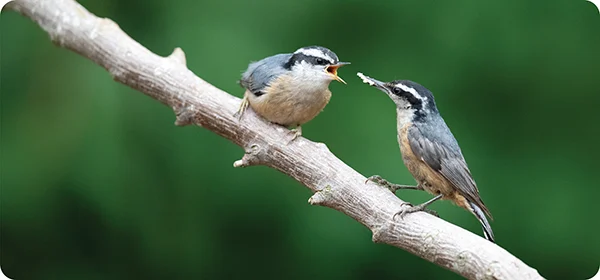
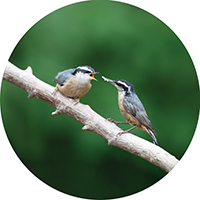
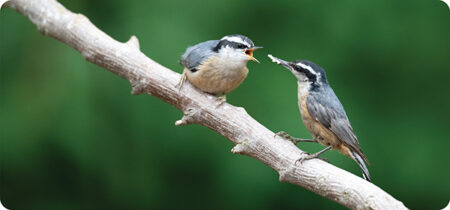
The arrival of young birds in backyards and at feeders is a source of profound joy for many, offering delightful sights and cheerful sounds that punctuate the natural world. Observing freshly-fledged bluebirds being guided to feeders by their devoted fathers, or witnessing the energetic antics of fledgling chickadees and goldfinches as they persistently solicit meals from their parents, provides moments of genuine delight. Even the clumsy attempts of young woodpeckers to master the art of feeder use, or their patient waiting for an adult to share suet or specialized blends like Bark Butter®, contribute to the engaging spectacle of avian life. This new generation’s emergence underscores the critical role that human-provided resources, such as food and shelter, play in their successful survival and development.
The Impact of Supplemental Feeding on Avian Reproduction
Scientific research has illuminated the significant benefits of consistent access to bird feeders for avian populations, particularly concerning their reproductive cycles. Studies indicate that birds with reliable access to feeders often initiate their egg-laying earlier in the season compared to their counterparts without such resources. This temporal advantage is crucial, as earlier broods typically face less competition for resources and generally exhibit higher rates of survival and fledging success. This phenomenon is attributed to several factors:
- Resource Availability: Early in the breeding season, natural food sources may still be developing or recovering from winter. Supplemental feeders offer a readily available and concentrated source of nutrition, allowing parent birds to meet their increased energy demands without expending excessive time and effort foraging.
- Reduced Competition: Later broods often contend with a larger population of birds, including other young birds from earlier hatches, vying for limited food and nesting territories. By nesting earlier, the first broods can establish themselves and raise their young during a period of relatively lower competition.
- Physiological Preparedness: The enhanced nutrition provided by feeders can contribute to better physical condition in breeding females, potentially leading to earlier ovulation and the production of more robust eggs.
Beyond the direct impact on egg-laying timing, the availability of supplemental food significantly influences parental behavior and nesting strategies.
Enhanced Nesting and Parental Care
Bird feeders allow breeding females to dedicate less time to the arduous task of foraging for sustenance. This saved time can be reallocated to more critical aspects of reproduction:
- Nest Site Selection: With reduced foraging pressure, females have more opportunity to meticulously scout and select optimal nesting locations. This involves identifying sites that offer protection from predators, shelter from adverse weather, and proximity to essential resources. The quality of the chosen nest site can directly impact the survival rate of eggs and young.
- Nest Construction: The ability to conserve energy and time allows for the construction of more substantial and well-insulated nests. A higher-quality nest can better regulate temperature, protect eggs and chicks from harsh weather conditions, and provide a more secure environment for the developing young.
- Predator Defense: Parent birds that are not constantly preoccupied with finding food have more time and energy to actively defend their nests and young from predators. This vigilance is paramount, as predation is a leading cause of nest failure in many bird species.
Furthermore, abundant feeder food empowers parent birds to diversify their foraging efforts for their offspring.
Nutritional Benefits for Nestlings
When parent birds have consistent access to high-energy foods at feeders, they are freed to explore a wider spectrum of natural food resources to supplement their young’s diet. This broader nutritional intake is vital for the healthy development of nestlings. Research suggests that this enhanced nutrition can have a direct impact on the social dynamics within a nest:
- Reduced Sibling Aggression: In situations where food is scarce, nestlings may exhibit increased aggression towards their siblings in a bid to secure more food. Supplemental feeding can alleviate this scarcity, leading to a more harmonious nest environment and reducing the likelihood of weaker nestlings being outcompeted.
- Increased Growth Rates: A more varied and nutrient-rich diet directly translates to faster and healthier growth rates for nestlings. This can lead to stronger, more resilient young birds that are better equipped to survive the challenges of fledging and their initial months of independence.
The protein and calcium provided by specialized bird foods are particularly crucial during the nesting season. Proteins are the building blocks for growth, essential for feather development, muscle formation, and overall physiological development. Calcium is vital for bone growth, eggshell formation in females, and maintaining the health of both adult and developing birds.
Beyond Food: The Importance of Nesting Structures and Habitat
While supplemental feeding plays a crucial role, it is not the sole determinant of successful nesting. The provision of appropriate housing and a supportive natural habitat are equally, if not more, important for avian reproduction.
The Role of Nesting Boxes
For many cavity-nesting bird species, the availability of suitable nesting boxes can dramatically improve their nesting success rates, especially during periods of challenging weather.

- Protection from Elements: Properly designed and installed nesting boxes offer a safe haven from extreme temperatures, heavy rainfall, and strong winds. This is particularly critical for species that may not be able to construct adequate natural nests or for those whose nesting sites are exposed to the elements.
- Predator Exclusion: A well-designed nesting box can deter predators that might otherwise access eggs or young in open nests. Features such as appropriate entrance hole size, depth, and the absence of perches can significantly enhance a box’s predator-resistance.
- Site Availability: In urban and suburban environments, natural nesting cavities like tree hollows can be scarce. Nesting boxes effectively substitute for these lost natural resources, providing essential nesting opportunities for a variety of bird species.
The selection of a nesting box should consider the specific needs of local bird species, including dimensions, ventilation, drainage, and ease of cleaning.
Cultivating a Bird-Friendly Habitat
The broader ecological context of a backyard plays a profound role in supporting nesting birds. An immaculately manicured lawn, while aesthetically pleasing to some, can be ecologically barren for birds.
- Natural Nesting Materials: Birds require a variety of natural materials for nest construction, including twigs, grasses, moss, feathers, and animal fur. These are often found in less-manicured areas of a yard, such as unmown patches, brush piles, or around the base of trees and shrubs. Keeping certain areas of the yard "a little messy" can provide these vital resources.
- Food Sources and Cover: Planting native trees, shrubs, and wildflowers is a cornerstone of creating a truly bird-friendly habitat. These plants provide not only nesting spaces but also a continuous supply of natural food sources, such as seeds, berries, nectar, and insects. Native plants are often best adapted to the local climate and soil conditions, requiring less maintenance and providing the most beneficial resources for local wildlife.
- Water Features: Access to a clean water source, whether a bird bath, a small pond, or a dripping faucet, is essential for drinking, bathing, and thermoregulation. This is particularly important during hot summer months.
Specialized Products for Nesting Success
Wild Birds Unlimited, a prominent retailer specializing in backyard bird feeding, offers specific product lines designed to support nesting birds throughout their life cycle. Their Nesting SuperBlend® and Bark Butter® products are formulated to provide the essential protein and calcium required by nesting families.
- Nesting SuperBlend®: This specialized blend is rich in high-energy ingredients, including sunflower chips, peanuts, mealworms, Bark Butter Bits, Nutrasaff, tree nuts, and calcium. This comprehensive mix caters to the increased nutritional demands of birds preparing for nesting, during the nesting period itself, and for the young as they transition to independence. The inclusion of mealworms, for instance, provides a readily available source of protein and fat, crucial for rapid growth.
- Bark Butter®: Developed by Wild Birds Unlimited, Bark Butter is a high-energy, high-protein food paste that is highly palatable to a wide variety of birds. It is particularly valuable for providing essential nutrients during times of high demand, such as the breeding season. It can be offered in various forms, including the original paste and Bark Butter Bits, making it versatile for different feeder types and bird preferences.
The availability of these nutrient-dense foods at feeders allows parent birds to maintain their own health and energy levels while simultaneously providing their offspring with the best possible start in life.
The Broader Implications and Enduring Joy
The act of providing for nesting birds extends beyond mere sustenance; it cultivates a deeper connection with the natural world and fosters a sense of stewardship. The simple yet profound observation of a new generation of birds successfully taking flight is a testament to the positive impact humans can have on local ecosystems. This understanding is further amplified by initiatives such as the Nature Centered Podcast, which offers educational content on topics like the "Joy of Summer Birds," providing listeners with actionable insights and fostering a greater appreciation for avian conservation.
Data and Research Insights
The understanding of how supplemental feeding impacts bird populations is grounded in decades of ecological research. Ornithologists and wildlife biologists have conducted numerous studies, often utilizing banding data, nest monitoring, and direct observation, to quantify these effects. For example, studies published in journals like The Auk: Ornithological Advances and The Condor have documented correlations between feeder presence and earlier nesting attempts, increased clutch sizes, and higher fledging success rates in various songbird species. These studies provide robust scientific backing to the anecdotal observations of backyard bird enthusiasts.
A Cycle of Mutual Benefit
The relationship between humans and nesting birds is a cycle of mutual benefit. By providing food, shelter, and habitat, we contribute to the health and survival of bird populations. In return, these birds enrich our lives with their beauty, songs, and the inherent wonder of their life cycles. The joy derived from witnessing this process is not merely passive observation; it is an active participation in supporting life and fostering biodiversity within our own communities.
The efforts made by individuals and organizations like Wild Birds Unlimited in promoting bird feeding and habitat enhancement contribute to a larger conservation narrative. By making our backyards more hospitable, we create vital corridors and refuges for birds, especially in increasingly fragmented landscapes. This localized action, when aggregated across numerous households, can have a significant cumulative effect on bird populations and the health of our shared environment.
Expert Perspectives
"We’ve seen firsthand how providing the right food and habitat can make a tangible difference in the lives of nesting birds," states [hypothetical expert name], an avian ecologist at [hypothetical institution]. "It’s not just about offering a meal; it’s about enabling parents to be more effective in their breeding efforts, leading to healthier offspring and more resilient populations. The research consistently points to the benefits of supplemental feeding, particularly for species facing habitat loss or increased environmental pressures."
This sentiment is echoed by seasoned bird watchers and conservationists alike, who emphasize the importance of informed practices. "When you understand the nutritional needs of birds during breeding season, you can make more informed choices about what you put out," explains [hypothetical bird watcher name], a long-time volunteer with a local bird observatory. "Seeing those fledglings thrive because you’ve provided a consistent source of protein and calcium is incredibly rewarding. It’s a direct contribution to the continuity of nature."

In conclusion, the joy of nesting birds is a multi-faceted experience rooted in both the aesthetic appeal of young birds and the tangible impact of human intervention. Through informed feeding practices, thoughtful habitat creation, and the provision of essential nesting structures, individuals can play a vital role in ensuring the success of avian reproduction. This engagement fosters a deeper appreciation for the natural world and highlights the profound satisfaction that comes from actively contributing to the well-being of our feathered neighbors. The continued support and understanding of these ecological principles will ensure that the cheerful sights and sounds of nesting birds remain a cherished part of our landscapes for generations to come.