
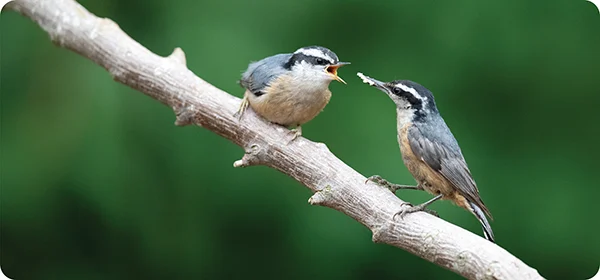
The delicate chirps and fluttering wings of young birds emerging into the world are a profound source of natural wonder, a recurring spectacle that graces backyards and feeders across North America. This annual phenomenon, particularly evident during the spring and summer months, offers a tangible connection to the cycles of nature and underscores the significant role that human intervention, through thoughtful provision of food and shelter, can play in avian survival and success. The journey from a carefully constructed nest to the first tentative flight is a testament to the resilience of these species and a heartwarming experience for observers.
The Intricate Dance of Parental Care and Fledgling Development
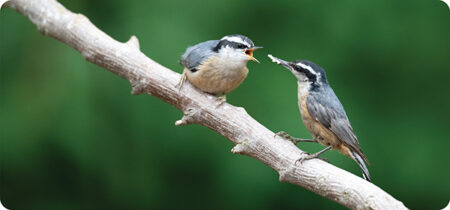
Witnessing the tireless efforts of parent birds is a captivating aspect of the nesting season. The sight of adult bluebirds diligently bringing food to their freshly-fledged offspring, or the energetic entreaties of young chickadees and goldfinches demanding sustenance, are scenes that bring immeasurable joy. Even the seemingly clumsy attempts of juvenile woodpeckers to navigate bird feeders, or their patient anticipation of a shared meal of suet or specialized high-energy blends, highlight the learning curve inherent in their development. These moments are not merely charming; they are critical junctures in a bird’s life, shaped by the availability of resources and the wisdom passed down from their parents.
The provision of supplemental food sources, such as those offered by Wild Birds Unlimited’s specialized blends like Nesting SuperBlend and Bark Butter, can have a demonstrable impact on the timing and success of nesting. Research indicates a correlation between consistent access to feeders and earlier egg-laying in many bird species. This temporal advantage can be significant. Early broods often face less competition for resources and experience higher rates of survival and fledging success compared to those hatched later in the season, when food may be scarcer and predator pressure can intensify.
The Science Behind Supplemental Feeding and Nesting Success
The benefits of well-maintained bird feeders extend beyond simply providing a convenient snack. For breeding females, the availability of readily accessible food allows them to conserve precious energy and time. This saved energy can be redirected towards crucial nesting activities, such as selecting optimal nesting sites and constructing more robust and protective nests. Furthermore, with fewer foraging demands, parent birds can dedicate more time and vigilance to guarding their nests, eggs, and vulnerable young from a variety of predators, including snakes, squirrels, and larger birds.
The nutritional quality of the food provided is also paramount. Abundant and high-quality feeder food enables parent birds to supplement their diet and that of their young with a wider array of natural food sources. This enhanced nutrition can lead to a reduction in aggressive behavior among nestlings, fostering a more harmonious and cooperative environment within the nest. Studies have shown that chicks receiving optimal nutrition exhibit increased growth rates, contributing to their overall health and resilience. The inclusion of essential nutrients like protein and calcium, as found in products like Wild Birds Unlimited’s Nesting SuperBlend, is particularly vital during this demanding period. This blend, rich in sunflower chips, peanuts, mealworms, Bark Butter Bits, Nutrasaff, tree nuts, and calcium, is scientifically formulated to meet the heightened dietary needs of nesting birds and their rapidly developing young.

Beyond the Feeder: Creating a Holistic Nesting Habitat
While feeders play a crucial role, creating a successful nesting habitat involves a more comprehensive approach. The installation of properly designed and installed nesting boxes can dramatically improve nesting success rates, especially in regions experiencing unpredictable weather patterns. These artificial cavities offer protection from the elements, providing a safe haven during periods of extreme cold, dampness, or high winds. The specific design of a nesting box, including its dimensions, entrance hole size, and ventilation, can be tailored to attract particular species and deter unwanted occupants or predators.
Equally important is the cultivation of a yard that embraces a degree of natural untidiness. Impeccably manicured lawns and perfectly pruned gardens, while aesthetically pleasing to some, can inadvertently strip away vital resources that birds rely upon for nest construction and sustenance. Birds often require natural materials such as twigs, grasses, mosses, and even mud to build their homes. A yard that includes native trees, shrubs, and wildflowers provides not only essential nesting space but also a diverse and reliable source of insects, seeds, and berries that form the backbone of their diet, particularly during the breeding season. Planting a variety of native species can create a multi-layered habitat, offering food and shelter at different times of the year and supporting a broader range of avian species.
The Broadening Impact of Backyard Birding
The practice of backyard bird feeding and habitat enhancement has evolved from a simple hobby into a significant contributor to conservation efforts. Millions of individuals across North America actively participate in providing food and shelter for wild birds. This widespread engagement translates into a substantial collective impact on bird populations, particularly those facing habitat loss and other environmental challenges. The data collected by citizen science initiatives, such as the Cornell Lab of Ornithology’s Project FeederWatch, demonstrates the scale of this participation and the valuable insights it provides into bird distribution, migration patterns, and population health.
The economic implications of this burgeoning interest are also noteworthy. The bird feeding industry, encompassing specialty foods, feeders, and related accessories, represents a multi-billion dollar market. This industry not only supports businesses but also fuels innovation in product development and research aimed at understanding and meeting the needs of wild birds. Wild Birds Unlimited, as a leading retailer in this sector, actively invests in research and education, partnering with organizations like the Cornell Lab of Ornithology to advance the science of backyard birding.
A Deeper Connection: The Psychological and Educational Benefits
The joy derived from observing nesting birds extends beyond the aesthetic. It fosters a deeper connection to the natural world, promoting mindfulness and reducing stress. The simple act of watching birds can be a form of active meditation, encouraging individuals to slow down and appreciate the intricate details of life unfolding around them. For families, backyard birding provides invaluable educational opportunities, allowing children to learn about biology, ecology, and the importance of environmental stewardship in a hands-on and engaging manner.
The "Joy of Summer Birds" podcast episode from Wild Birds Unlimited further emphasizes this educational aspect, offering listeners insights into the specific needs of birds during the summer months and practical advice on how to best support them. These resources, coupled with the tangible actions of providing food and habitat, empower individuals to become active participants in conservation.

Looking Ahead: Sustaining the Momentum for Avian Well-being
The cyclical nature of bird nesting serves as a powerful reminder of our interconnectedness with the natural world. The efforts undertaken by individuals and organizations to support these avian families are not merely acts of benevolence; they are integral components of a larger ecological web. As urban and suburban landscapes continue to evolve, the role of backyard habitats as vital refuges for wildlife becomes increasingly critical.
The ongoing commitment to providing reliable food sources, appropriate nesting sites, and pesticide-free environments will be instrumental in ensuring the continued success of nesting birds for generations to come. The simple yet profound act of nurturing these wild creatures enriches not only their lives but also our own, offering a consistent source of wonder, education, and a tangible sense of contribution to the health of our planet. The sounds of chirping fledglings are not just pleasant melodies; they are indicators of a thriving ecosystem, a testament to the positive impact that mindful human interaction can have on the natural world.