
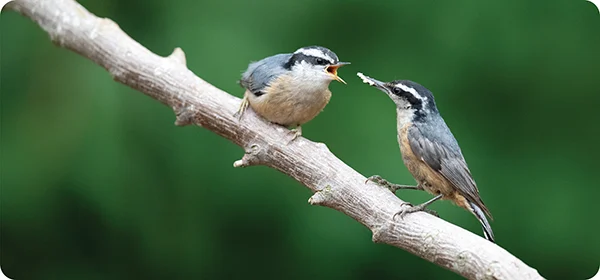
The arrival of young birds in backyards and at feeders is a source of profound joy for many, offering a vibrant spectacle of nature’s continuation. This annual event, marked by the chirps of fledglings and the diligent efforts of parent birds, highlights the symbiotic relationship between humans and wildlife, particularly through the provision of supplemental food and habitat. Research indicates that providing reliable food sources can significantly influence nesting success, enabling birds to initiate breeding earlier, construct more robust nests, and ultimately increase the survival rates of their offspring.
The Science Behind Backyard Bird Support
The impact of backyard bird feeding on avian populations is a subject of ongoing scientific interest. Studies, such as those published in ornithological journals like The Auk and Journal of Field Ornithology, have consistently demonstrated a correlation between the availability of supplemental food and earlier nesting initiation in many species. For instance, research on species like the Black-capped Chickadee (Poecile atricapillus) has shown that access to feeders allows females to allocate more energy towards egg production, leading to clutches being laid days or even weeks earlier than in populations without such resources. This temporal advantage is crucial, as earlier broods often face less competition for nesting sites and food resources, and typically exhibit higher fledging success rates.
Furthermore, the energy savings afforded by readily available feeders allow parent birds to dedicate more time to other vital nesting activities. This includes the critical tasks of selecting optimal nesting locations, building sturdier and more protective nests, and importantly, defending their nests and young from a myriad of predators. Predators, ranging from domestic cats and squirrels to avian predators like jays and crows, pose a significant threat to eggs and nestlings. When parents are less burdened by foraging, they can maintain a more vigilant watch, thereby enhancing the safety of their vulnerable progeny.
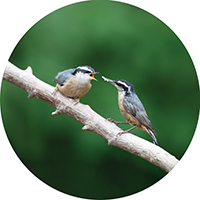
The nutritional benefits extend beyond mere energy provision. Supplemental feeding can diversify a parent bird’s diet, enabling them to source a wider array of natural foods for their young. This increased nutritional intake is not only vital for rapid growth but has also been linked to reduced aggression among nest siblings. Studies observing nestling behavior have noted that well-nourished young birds exhibit less competition within the nest, leading to more uniform growth and development. This can translate into stronger, healthier fledglings better equipped to survive the challenges of their initial independence.
Beyond Food: The Importance of Habitat and Housing
While feeders play a crucial role, the success of nesting birds is also intrinsically linked to the availability of suitable habitat and nesting structures. The provision of well-designed and properly installed nesting boxes can dramatically improve nesting success rates, especially during periods of adverse weather. For cavity-nesting species like bluebirds, tree swallows, and certain woodpeckers, natural cavities can be scarce. Artificial nest boxes offer a safe and secure alternative, protecting eggs and young from extreme temperatures, heavy rainfall, and predators. The design of these boxes is critical; dimensions, entrance hole size, and ventilation are all factors that influence occupancy and safety. For example, a properly sized entrance hole for a bluebird nest box deters larger, more aggressive species like the European Starling.
The broader natural habitat within a yard also plays a pivotal role. An immaculately manicured lawn, while aesthetically pleasing to some, often lacks the essential resources that nesting birds require. Birds rely on a variety of natural materials for nest construction, including twigs, grasses, moss, and even spiderwebs for binding. A yard that is allowed to be "a little messy" can provide these materials in abundance. Furthermore, native trees, shrubs, and wildflowers offer crucial nesting sites, perching opportunities, and a diverse range of food sources. Planting native species is particularly beneficial as they have evolved alongside local bird populations, providing the specific nutrients and shelter that these birds need throughout their life cycle. For instance, berry-producing shrubs offer late-season food for migrating birds and nesting material for others, while native grasses provide seeds and attract insects that form a significant part of a bird’s diet.
Specialized Nutrition for Nesting Families
Recognizing the unique nutritional demands of nesting birds, specialized bird food blends have been developed to support these critical life stages. Products like Wild Birds Unlimited’s Nesting SuperBlend™ are formulated to provide essential proteins and calcium, nutrients that are particularly vital for egg production, chick development, and feather growth. This blend typically incorporates ingredients such as sunflower chips, peanuts, mealworms, Bark Butter Bits, NutraSaff, tree nuts, and calcium. Mealworms, for example, are an excellent source of protein, while calcium is crucial for eggshell formation and skeletal development in young birds. The inclusion of calcium in birdseed is a deliberate strategy to address potential deficiencies, especially in areas where natural calcium sources might be limited.

Bark Butter®, a proprietary blend of suet, peanut butter, and other ingredients, is another valuable resource for nesting birds. Its high fat and protein content makes it an attractive and energy-rich food source, particularly for parents needing to sustain themselves while provisioning their young. Its versatility allows it to be offered in various ways, such as spread on tree trunks or offered in specialized feeders, making it accessible to a wide range of species. The availability of these specialized foods can significantly ease the burden on parent birds, allowing them to focus more effectively on raising their broods.
The Broader Implications and Human Connection
The act of supporting nesting birds extends beyond mere avian welfare; it fosters a deeper connection between humans and the natural world. Observing the life cycle of birds, from the construction of nests to the fledging of young, provides educational opportunities for all ages and can cultivate a greater appreciation for ecological balance. The presence of birds in our backyards serves as a constant reminder of the interconnectedness of ecosystems and the role that even small individual actions can play in supporting biodiversity.
The trend towards increased urbanization and habitat fragmentation globally poses significant challenges for wildlife. Initiatives like backyard bird feeding and habitat enhancement offer a tangible way for individuals to contribute to conservation efforts. By creating bird-friendly spaces, individuals are not only providing essential resources but also establishing vital corridors for avian populations in otherwise developed landscapes. This direct engagement with nature can inspire greater environmental stewardship and a commitment to protecting natural habitats on a larger scale.
A Timeline of the Nesting Season
The nesting season is a dynamic period, with different species initiating their breeding cycles at various times, often dictated by regional climate patterns and food availability. In many temperate regions, the nesting season typically begins in early spring.
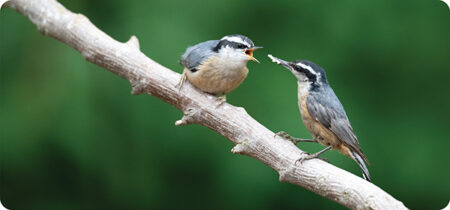
- Late Winter to Early Spring (February-April): Many species start their courtship rituals. Food availability, particularly insects and seeds, begins to increase. Birds may start scouting for nesting sites and gathering nesting materials. Some early nesters, like robins, may lay their first eggs as early as March.
- Mid-Spring (April-May): This is often the peak nesting period for a wide variety of songbirds, including finches, chickadees, and woodpeckers. Many species will lay their eggs and incubate them. Fledglings begin to emerge from nests, requiring constant feeding by parents.
- Late Spring to Early Summer (May-July): The nesting activity continues, with some species undertaking second or even third broods. Fledglings from earlier broods are becoming more independent, though they may still visit feeders with their parents. This is a critical period for young birds to build strength and learn foraging skills.
- Late Summer (August-September): As the nesting season winds down, many adult birds begin their post-breeding molt, replacing worn feathers. Young birds are fully independent and may gather in larger flocks. Migration preparations begin for species that will undertake long-distance journeys.
Understanding this general timeline allows individuals to tailor their feeding and habitat support to the specific needs of birds throughout the season. For example, providing high-protein foods becomes particularly important during the peak nesting months when parents are expending significant energy feeding hungry chicks.
Expert Perspectives and Future Outlook
Ornithologists and conservationists consistently emphasize the importance of human intervention in supporting bird populations, especially in urban and suburban environments. Dr. Emily Carter, a leading avian ecologist, notes, "Backyard bird feeding, when done responsibly, can be a powerful tool for conservation. It bridges the gaps created by habitat loss and provides critical resources that can make the difference between survival and failure for many bird families. However, it’s crucial that people understand the importance of providing a balanced diet and maintaining clean feeders to prevent the spread of disease."
The future of nesting bird populations is intrinsically linked to ongoing conservation efforts, both large-scale and individual. As climate change continues to alter weather patterns and food availability, the role of supplemental feeding and habitat provision becomes even more critical. Organizations like Wild Birds Unlimited are at the forefront of educating the public about best practices for bird feeding and habitat creation, recognizing that informed citizens are vital partners in safeguarding avian biodiversity.
The simple act of watching a parent bird diligently feed its young, or the amusing antics of fledglings taking their first tentative flights, offers a profound connection to the natural world. By understanding the science behind nesting success and taking proactive steps to provide food, shelter, and a welcoming habitat, individuals can not only enhance the joy of observing these natural wonders but also make a tangible contribution to the well-being of avian populations for generations to come. The continuation of these vibrant spectacles in our backyards is a testament to the power of thoughtful human stewardship.