
Watermelon serves as a critical dietary supplement for backyard chickens, particularly during the peak of summer when heat stress becomes a significant threat to flock health. While often viewed as a simple refreshment, the fruit offers a complex array of vitamins, minerals, and phytochemicals that contribute to the overall physiological well-being of poultry. As backyard chicken keeping continues to rise in popularity across North America and Europe, understanding the nutritional nuances of supplemental feeding has become a priority for both novice and experienced avian keepers. Expert analysis suggests that watermelon is not merely a treat but a functional food that addresses hydration, digestive health, and egg quality simultaneously.
The Physiological Impact of Hydration and Heat Mitigation
Chickens are highly susceptible to heat exhaustion due to their lack of sweat glands and their insulating layer of feathers. To regulate their internal body temperature, birds rely on respiratory evaporation—often observed as panting—which can lead to rapid dehydration and electrolyte imbalances. Watermelon, comprised of approximately 92 percent water, provides an efficient medium for rehydration. Unlike standing water in a galvanized or plastic fount, which can quickly reach ambient temperatures during a heatwave, watermelon remains relatively cool and provides a high-volume liquid intake through the consumption of its fibrous flesh.
Veterinary data indicates that a hydrated hen is more likely to maintain consistent egg production. When a bird is heat-stressed, her body prioritizes survival over reproduction, often leading to a "summer slump" in laying. By providing high-moisture treats like watermelon, keepers can mitigate the biological stress response, ensuring that the bird’s metabolic processes remain stable. Furthermore, the act of pecking at a large fruit provides environmental enrichment, reducing the likelihood of heat-induced lethargy and behavioral issues such as feather picking within the coop.
A Comprehensive Nutritional Breakdown
Beyond its hydrating properties, watermelon is a dense source of essential micronutrients. Each component of the fruit—the red flesh, the black seeds, and the green rind—offers specific health benefits that align with the dietary requirements of Gallus gallus domesticus.
.jpg)
Vitamins and Minerals
Watermelon is rich in Vitamin A, which is essential for maintaining the health of the mucosal membranes and the respiratory tract in birds. It also contains significant levels of Vitamin B6, which facilitates protein metabolism and supports the development of the nervous system. Vitamin C, while synthesized naturally by chickens, can become depleted during periods of extreme stress. Supplemental Vitamin C from watermelon acts as a buffer against environmental stressors and boosts the immune response.
From a mineral perspective, the fruit provides magnesium and potassium. Potassium is a vital electrolyte that aids in heart function and muscle contraction. During heat stress, chickens lose electrolytes rapidly through their droppings and respiratory efforts; replenishing these via watermelon helps prevent cardiac strain and maintains the bird’s internal pH balance.
Lycopene and Antioxidant Properties
One of the most significant attributes of watermelon is its high concentration of lycopene. Lycopene is a powerful antioxidant and a carotenoid that gives the fruit its characteristic red hue. In poultry, antioxidants play a crucial role in neutralizing free radicals, which are unstable molecules that can damage cells and lead to chronic diseases, including various forms of avian cancer and heart disease. Research indicates that watermelon contains higher levels of lycopene than even raw tomatoes, making it one of the most effective natural sources for oxidative stress prevention in the avian world.
Carotenoids and Egg Quality
For keepers focused on egg production, the carotenoids found in watermelon are particularly valuable. These organic pigments are absorbed by the hen and deposited into the yolk of the egg. A diet rich in carotenoids results in deep, vibrant orange yolks, which are often preferred by consumers for their perceived nutritional density and flavor. While many keepers use marigold petals or alfalfa to achieve this effect, watermelon serves as a seasonal alternative that provides the same aesthetic and nutritional benefits to the final product.
The Role of Cucurbitacin in Natural Pest Management
A unique aspect of watermelon, as well as its relatives in the Cucurbitaceae family (such as cucumbers, pumpkins, and squash), is the presence of cucurbitacin. This biochemical compound is often cited by poultry experts, including Lisa Steele of Fresh Eggs Daily, as a natural anthelmintic or dewormer.
.jpg)
While clinical studies on the efficacy of cucurbitacin in poultry are ongoing, traditional husbandry practices suggest that regular consumption of seeds and flesh from the gourd family can create an inhospitable environment for internal parasites. The seeds of the watermelon are particularly noted for their potential to paralyze or expel intestinal worms. Incorporating watermelon into the flock’s diet during the spring and summer months may serve as a proactive, non-chemical approach to managing the parasite load within a backyard flock, though it should be viewed as a supplement to, rather than a total replacement for, veterinary-approved deworming protocols.
Practical Application and Serving Strategies
The versatility of watermelon allows for various serving methods, each catering to the specific needs of the flock and the convenience of the keeper. Chickens are opportunistic foragers and will generally consume every part of the fruit if given the opportunity.
The Whole-Fruit Approach
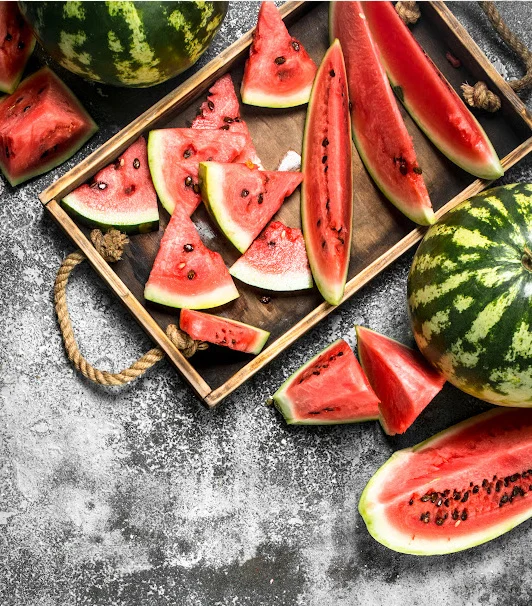
The most straightforward method involves slicing the watermelon in half or into thick wedges. This allows the birds to peck at the flesh and seeds while eventually working their way down to the rind. The rind is completely edible for chickens and provides a source of dietary fiber that aids in digestion. For a larger flock, multiple "feeding stations" are recommended to prevent dominant birds from guarding the treat and ensuring that even the lowest-ranking members of the pecking order receive adequate hydration.
Frozen Treats and Slushies
In cases of extreme heat (temperatures exceeding 95°F or 35°C), keepers may opt for "Watermelon Slushies" or frozen cubes. By blending the flesh of the watermelon with a small amount of water or ice, keepers can create a cooling slurry that drastically lowers the bird’s core temperature upon ingestion. Frozen rinds can also be placed in the run, acting as a "cool-down" mat that birds can stand on or peck at throughout the day.
Waste Reduction and Sustainability
From a sustainability perspective, watermelon is an ideal treat for utilizing kitchen scraps. While humans typically discard the rind, it remains a nutrient-dense snack for poultry. Feeding the rinds to chickens diverts organic waste from landfills and converts it into high-quality protein in the form of eggs. This circular economy within the backyard setting is a cornerstone of modern sustainable agriculture.

Broader Implications for the Poultry Industry
The focus on natural, nutrient-dense supplements like watermelon reflects a broader shift in the poultry industry toward holistic health management. As consumers increasingly demand eggs from birds raised without sub-therapeutic antibiotics, the role of "functional treats" has moved from the periphery to the mainstream.
Industry analysts note that the backyard poultry market has seen a 20-25% increase in participation since 2020. This surge has created a demand for high-quality educational content regarding avian nutrition. The recommendation of watermelon by experts like Lisa Steele highlights a trend toward "old-timer" methods—utilizing seasonal produce and natural compounds to maintain flock health. This approach not only improves the welfare of the birds but also reduces the chemical footprint of small-scale egg production.
Safety Considerations and Moderation
While watermelon is overwhelmingly beneficial, experts advise that it should be fed in moderation as part of a balanced diet. Poultry nutritionists recommend that treats, including fruits and vegetables, should not exceed 10 percent of a chicken’s total daily caloric intake. The primary diet should always consist of a high-quality, nutritionally balanced layer feed to ensure the birds receive adequate calcium and protein.
Additionally, keepers should be mindful of the sugar content in watermelon. While natural, excessive sugar can lead to obesity in hens, which is a leading cause of "Fatty Liver Hemorrhagic Syndrome," a fatal condition in laying birds. Furthermore, any uneaten watermelon should be removed from the coop or run at the end of the day to prevent the growth of mold or the attraction of pests such as rodents and flies.
Chronology of Seasonal Feeding Practices
The use of watermelon typically follows a specific seasonal chronology in backyard management:

- Late Spring: Introduction of small amounts to acclimate the digestive system as temperatures begin to rise.
- Early Summer: Increased frequency as a hydration tool during the first heatwaves of the season.
- Mid-to-Late Summer: Peak consumption, often utilized in frozen forms to combat record-breaking temperatures.
- Early Autumn: Tapering off as the flock enters the molting season, where the focus shifts toward higher protein intake for feather regrowth.
In conclusion, watermelon stands as a premier supplemental food for backyard poultry. Its unique combination of high water content, essential vitamins, and protective antioxidants like lycopene makes it an invaluable tool for any keeper looking to maintain a healthy, productive, and happy flock during the challenging summer months. Through the intelligent application of these natural resources, backyard farmers can ensure their birds thrive despite the rigors of seasonal heat.