
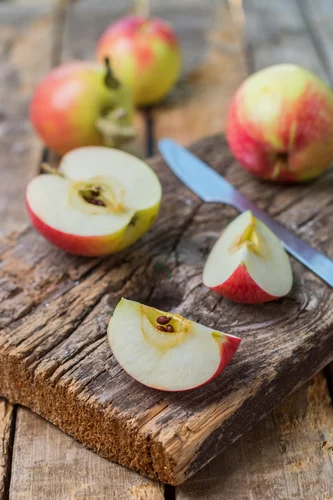
Agricultural experts and avian nutritionists are increasingly emphasizing the importance of dietary management in backyard poultry as the hobby continues to grow in popularity across North America and Europe. While apples are widely recognized as a nutrient-dense supplement for chickens, offering significant amounts of fiber and antioxidants, they also present a specific toxicological risk located within their seeds. The presence of amygdalin, a cyanogenic glycoside found in the seeds of apples and various stone fruits, necessitates careful preparation by flock owners to prevent hydrogen cyanide poisoning. As homesteaders look for ways to provide environmental enrichment and nutritional variety, understanding the balance between healthy treats and chemical hazards has become a cornerstone of modern poultry husbandry.
The Nutritional Profile of Apples for Avian Consumption
Apples are primarily composed of water, carbohydrates, and fiber, making them an excellent hydration source and digestive aid for poultry. From a nutritional standpoint, the flesh and peel of the apple provide essential vitamins, including Vitamin C and Vitamin A, though chickens are capable of synthesizing their own Vitamin C. The more significant benefit lies in the polyphenols and antioxidants found in the skin, which help combat oxidative stress and support the immune system of the bird.
The dietary fiber in apples, specifically pectin, serves as a prebiotic that can promote a healthy gut microbiome. In a commercial or backyard setting, maintaining intestinal health is critical for nutrient absorption and the prevention of pathogens like Salmonella or E. coli. When integrated correctly into a diet, apples can contribute to better feather quality and overall vitality. However, because apples are high in sugar (fructose), they must be treated as a supplemental snack rather than a primary food source to avoid obesity and related metabolic issues in laying hens.

The Chemical Hazard: Amygdalin and Hydrogen Cyanide
The primary concern regarding apples involves the seeds, which contain a compound known as amygdalin. This substance is part of a chemical defense mechanism used by many plants in the Rosaceae family. When apple seeds are crushed or chewed, the amygdalin comes into contact with digestive enzymes, leading to a chemical reaction that releases hydrogen cyanide (HCN).
Hydrogen cyanide is a potent toxin that interferes with the body’s ability to utilize oxygen. Specifically, it inhibits cytochrome c oxidase, an enzyme in the mitochondrial electron transport chain. By binding to this enzyme, cyanide prevents cells from using oxygen to produce energy (ATP), effectively causing cellular asphyxiation even when oxygen levels in the blood remain high.
For a chicken, the risk is magnified by their relatively small body mass compared to humans. While a human would need to consume a large quantity of well-chewed seeds to experience acute toxicity, a chicken’s digestive system—specifically the gizzard—is designed to grind tough materials. The gizzard’s powerful muscular action and the presence of grit can easily break open the protective coating of apple seeds, facilitating the rapid release of cyanide into the bird’s system.
Clinical Symptoms of Cyanide Poisoning in Poultry
The manifestation of cyanide toxicity in chickens can be rapid and severe. Because the toxin affects the most oxygen-dependent organs first, the heart and brain are the primary targets. Poultry owners are advised to monitor for the following clinical signs if accidental ingestion is suspected:

- Cyanosis of the Comb and Wattles: One of the most telling signs of respiratory or circulatory distress in chickens is a change in the color of the comb. A healthy red comb may turn blue or purple as the bird struggles with oxygen deprivation.
- Respiratory Distress: Affected birds may exhibit dyspnea, characterized by open-beak breathing, gasping, or rapid, shallow breaths.
- Neurological Impairment: As the brain is deprived of energy, chickens may show signs of ataxia (lack of coordination), tremors, or loss of consciousness.
- Cardiovascular Collapse: Cyanide poisoning often leads to an initial rapid heart rate (tachycardia) followed by a sudden drop in blood pressure and eventual cardiac arrest.
In many cases, particularly with younger or immunocompromised birds, the onset of symptoms is so swift that the first sign of trouble is the discovery of a deceased bird. This high mortality rate underscores the importance of the "core and seed removal" protocol recommended by veterinary professionals.
The 10 Percent Rule in Avian Dietetics
To maintain a productive and healthy flock, nutritionists recommend that treats and supplements—including apples—should not exceed 10% of a chicken’s total daily caloric intake. For an average laying hen, this equates to approximately one to two tablespoons of supplemental food per day.
The rationale behind this limit is the prevention of nutrient dilution. Commercial poultry feeds are scientifically formulated to provide the exact ratio of protein, calcium, phosphorus, and amino acids required for egg production and skeletal health. When chickens fill up on low-protein treats like apples, they may consume less of their balanced feed. Over time, this can lead to:
- Reduced Egg Production: Insufficient protein and calcium intake can cause a hen to stop laying or produce eggs with thin, fragile shells.
- Obesity: Excessive sugar intake leads to the accumulation of fat pads, particularly around the liver, which can result in Fatty Liver Hemorrhagic Syndrome (FLHS), a common cause of death in backyard flocks.
- Pica and Feather Picking: Nutritional deficiencies often lead to behavioral issues where birds pick at their own feathers or those of their flockmates in search of missing nutrients.
Comparative Risks: Stone Fruits and Other Toxins
The risk associated with apple seeds extends to other common fruits found in orchards and gardens. Stone fruits, including peaches, plums, apricots, and cherries, contain similar cyanogenic compounds within their pits or "stones."

While the hard exterior of a peach or plum pit is often too robust for a chicken to break open, the internal kernel is highly toxic. If a pit is cracked or if the fruit has begun to decompose, the risk of exposure increases. Veterinary experts suggest that the safest practice is to halve these fruits and remove the pits entirely before offering them to the flock.
Beyond cyanide-bearing seeds, other common backyard foods that pose risks include:
- Dried or Undercooked Beans: Contain phytohaemagglutinin, which is toxic to birds.
- Avocado Skins and Pits: Contain persin, a fungicidal toxin that can cause heart damage and respiratory failure in avian species.
- Moldy Food: Can contain mycotoxins such as aflatoxin, which causes liver damage and suppresses the immune system.
Context: The Rise of the Backyard Flock
The focus on safe feeding practices comes at a time when backyard chicken keeping has moved from a niche rural activity to a mainstream urban and suburban trend. Driven by a desire for food sovereignty, the high cost of retail eggs, and an interest in organic living, millions of households have integrated poultry into their domestic lives.
This shift has created a significant demand for educational resources. Unlike commercial farmers who work with professional nutritionists, backyard keepers often rely on kitchen scraps and garden surplus to feed their birds. While this is an ancient practice that reduces food waste, the modern understanding of avian physiology highlights the need for a more curated approach to "scraps."

Agricultural extension programs from universities such as UC Davis and Penn State have increased their outreach to small-scale keepers, emphasizing that "natural" does not always mean "safe." The case of the apple seed serves as a primary example of how a common, healthy food requires specific processing to be appropriate for animal consumption.
Enrichment and Best Practices for Implementation
Feeding apples can be more than just a nutritional supplement; it can also serve as a form of environmental enrichment. Chickens are highly intelligent and inquisitive animals that benefit from mental stimulation. To safely provide apples while encouraging natural behaviors, flock owners are encouraged to use the following methods:
- The "Tetherball" Method: By coring an apple and hanging it from a string at head height, owners can provide a "game" that keeps chickens occupied, reducing boredom-induced pecking among the flock.
- Slicing and Scattering: Slicing apples (after removing seeds) and scattering them across a clean foraging area encourages the birds to scratch and hunt, which is their natural instinct.
- The Core-First Policy: The most critical step remains the physical removal of the core. Using a standard apple corer is the most efficient way to ensure all seeds are eliminated before the fruit reaches the coop.
Broader Implications and Analysis
The management of poultry diets has broader implications for public health and animal welfare. A healthy flock is more resistant to diseases that can potentially jump from animals to humans (zoonotic diseases). Furthermore, the quality of the eggs produced is a direct reflection of the bird’s diet. Hens fed a variety of safe, antioxidant-rich supplements like apples often produce eggs with deeper yolk color and more robust nutritional profiles.
From an economic perspective, preventing accidental poisoning through education is far more cost-effective than veterinary intervention or the loss of productive livestock. As the "farm-to-table" movement continues to thrive, the responsibility of the hobbyist to act as a pseudo-professional caretaker grows.

In conclusion, while the apple is a symbol of health and vitality, its seeds represent a hidden danger in the world of avian husbandry. By adhering to the 10% rule, meticulously removing seeds and pits, and understanding the biochemical risks of amygdalin, backyard chicken keepers can ensure their flocks enjoy the benefits of fresh produce without the life-threatening risks of cyanide toxicity. The integration of scientific knowledge into daily coop management is the most effective way to promote the longevity and productivity of domestic poultry in an increasingly homestead-centric society.