
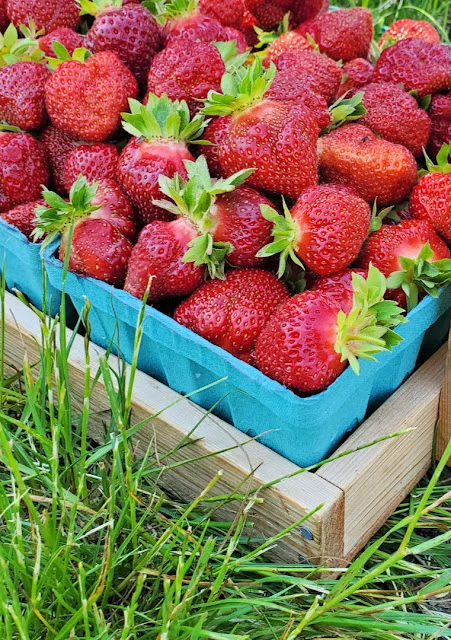
The integration of supplemental fruits and vegetables into the diets of backyard poultry has become a focal point for avian nutritionists and small-scale farmers seeking to optimize flock health and egg production. Among the various supplemental options, strawberries (Fragaria × ananassa) have emerged as a highly beneficial, albeit sugar-rich, treat for Gallus gallus domesticus. Recent analysis of avian dietary requirements suggests that while the primary nutritional needs of chickens are met through balanced commercial feeds, the inclusion of strawberries provides essential antioxidants, fiber, and micronutrients that support immune function, bone density, and metabolic efficiency. However, the administration of these treats requires a nuanced understanding of avian physiology, particularly regarding the "10 percent rule" of supplemental feeding and the potential risks associated with pesticide residue and high fructose intake.
The Nutritional Composition of Strawberries for Avian Species
Strawberries are recognized as a nutrient-dense fruit, offering a complex profile of vitamins and minerals that are often underrepresented in standard grain-based feeds. For chickens, the most significant components are Vitamin C (ascorbic acid), Vitamin K, and Vitamin B6. While chickens can endogenously synthesize Vitamin C, supplemental intake during periods of environmental stress—such as high summer temperatures or molting—can provide a significant boost to the immune system. Vitamin K is critical for proper blood coagulation and bone metabolism, while Vitamin B6 plays a vital role in protein metabolism and the synthesis of neurotransmitters.

Beyond vitamins, strawberries are rich in manganese, potassium, and folate. Manganese is a trace mineral essential for bone development and the prevention of perosis (slipped tendon) in growing birds. It also plays a role in the formation of the organic matrix of the eggshell. Potassium assists in maintaining electrolyte balance and heart function, which is particularly important during heatwaves when chickens are prone to respiratory alkalosis. Furthermore, the high antioxidant content of strawberries, specifically anthocyanins, helps neutralize free radicals, potentially reducing oxidative stress and improving the overall longevity of the flock.
The Role of Fiber and Digestive Aids in Strawberry Anatomy
A unique aspect of feeding strawberries to poultry is the utility of the entire plant. Unlike some fruits where the seeds or foliage contain cyanogenic glycosides or other toxins, every part of the strawberry—including the fruit, the calyx (the green cap), the stem, and the leaves—is safe for consumption. This makes strawberries a zero-waste supplemental food source for homesteaders.
The green tops and leaves are particularly valuable due to their concentration of iron and tannins. Tannins, which are polyphenolic compounds, have historically been viewed with caution in large-scale poultry production because high concentrations can interfere with protein digestibility. However, in the moderate amounts found in strawberry foliage, tannins act as a mild digestive aid and possess antimicrobial properties that can help maintain a healthy gut microbiome. Iron found in the leaves supports the production of hemoglobin, ensuring efficient oxygen transport throughout the bird’s circulatory system. The dietary fiber found in the fruit’s flesh and seeds aids in peristalsis, ensuring that the digestive tract remains clear and functional.

Quantitative Guidelines: The 10 Percent Rule and Sugar Management
Despite the nutritional benefits, strawberries must be categorized strictly as a "treat" rather than a dietary staple. Avian nutritionists emphasize that treats should never exceed 10 percent of a chicken’s total daily caloric intake. For an average adult laying hen, this equates to approximately one to two tablespoons of supplemental food per day.
The primary concern with overfeeding strawberries is their high fructose content. While natural, these sugars can lead to rapid fermentation in the crop and digestive tract if consumed in excess. This imbalance often manifests as diarrhea, which can lead to dehydration and soiled vent feathers, increasing the risk of flystrike. Furthermore, a diet consistently high in sugar can lead to obesity in chickens. An overweight hen is at a significantly higher risk for complications such as fatty liver hemorrhagic syndrome (FLHS), prolapsed vent, and decreased egg production. Therefore, moderation is the foundational principle of supplemental feeding.
Safety Protocols and Environmental Considerations
The sourcing of strawberries is a critical factor in ensuring the safety of the flock. Commercial strawberries consistently rank high on lists of produce with the most pesticide and herbicide residues. Because chickens have a high metabolic rate and a relatively small body mass, they are particularly sensitive to chemical toxins. Chronic exposure to pesticide residues can impair reproductive health and weaken the immune system.

To mitigate these risks, poultry keepers are encouraged to follow several safety protocols:
- Thorough Cleansing: All store-bought strawberries should be washed in a solution of water and vinegar or a dedicated produce wash to remove surface contaminants.
- Organic Sourcing: When possible, organic berries should be prioritized to eliminate the risk of synthetic chemical exposure.
- Local and Seasonal Sourcing: Utilizing local "pick-your-own" farms or home gardens ensures that the fruit is fresh and the grower’s chemical usage is known.
- Temperature Control: In hot climates, feeding frozen strawberries can serve a dual purpose: providing nutrition and helping to lower the bird’s core body temperature.
Chronology of Supplemental Feeding and Seasonal Integration
The integration of strawberries into a poultry management schedule often follows the seasonal harvest cycle. In temperate climates, strawberries typically peak in late spring and early summer. This timeline aligns with several key phases in the poultry lifecycle:
- Spring Peak (April – June): As hens enter their peak laying season, the calcium and manganese in strawberries support shell quality.
- Summer Heat (July – August): The high water content (approximately 91%) of strawberries provides essential hydration. Many keepers freeze the berries during this time to create "ice treats" that prevent heat exhaustion.
- Early Molt (September): For birds beginning an early molt, the vitamins in strawberries assist in the initial stages of feather regeneration.
Historically, the practice of feeding fruit scraps to poultry was a staple of traditional farm life, serving as a method of waste reduction. In the modern context, this has evolved into a strategic nutritional supplement. Experts like Lisa Steele, a fifth-generation chicken keeper and author, have advocated for these "old-timer" methods, emphasizing a return to natural, diverse diets that complement modern commercial feeds.

Expert Analysis: The Impact on Egg Quality and Flock Behavior
From a behavioral standpoint, strawberries serve as an excellent tool for environmental enrichment. Chickens are highly inquisitive and motivated by food. Tossing whole strawberries or hanging them from a suet feeder encourages natural foraging behaviors, such as pecking and scratching. This mental stimulation is vital for preventing boredom-related vices, such as feather picking or egg eating within the coop.
From a physiological perspective, the pigments found in strawberries (anthocyanins and beta-carotene) can subtly influence the quality of the eggs produced. While the impact is less pronounced than that of marigolds or dark leafy greens, a diet rich in varied antioxidants contributes to a deeper yolk color and a more robust nutrient profile within the egg.
However, veterinarians warn that keepers must be vigilant for signs of digestive distress. If a flock shows signs of watery droppings shortly after strawberry consumption, the frequency and quantity should be immediately reduced. It is also recommended to remove any uneaten fruit from the coop within a few hours to prevent the growth of mold and the attraction of pests such as rodents and wasps.

Broader Implications for Small-Scale Poultry Management
The trend toward diversifying poultry diets with fresh produce reflects a broader shift in animal husbandry toward holistic and sustainable practices. By utilizing strawberry tops—parts of the fruit typically discarded by humans—homesteaders contribute to a circular food economy. This practice reduces landfill waste while simultaneously lowering the cost of supplemental nutrition for the birds.
Furthermore, the focus on specific nutrients like folate and potassium highlights an increasing sophistication among backyard poultry enthusiasts. No longer content with "just feed," modern keepers are looking at their flocks through the lens of preventative medicine. Providing a diet that supports blood pressure regulation and metabolic health ensures that the birds remain productive and healthy for a longer duration of their natural lifespan.
In conclusion, strawberries represent a highly effective nutritional supplement for chickens when managed with professional rigor. They provide a spectrum of vitamins and minerals that support the bird from the skeletal system to the immune system. By adhering to the 10 percent rule, ensuring the fruit is free from chemical contaminants, and utilizing the entire plant to maximize fiber and tannin intake, poultry keepers can significantly enhance the well-being of their flocks. As the backyard poultry movement continues to expand, the informed use of such natural treats will remain a cornerstone of successful and humane avian management.