
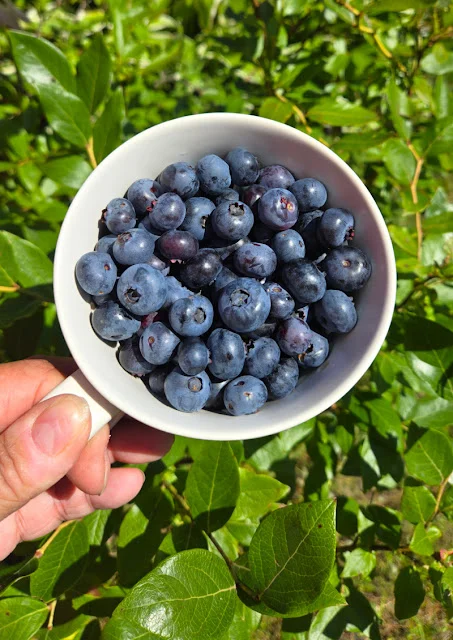
In the evolving landscape of backyard poultry husbandry, the inclusion of nutrient-dense "superfoods" such as blueberries has transitioned from a casual hobbyist practice to a recognized strategy for enhancing flock health and physiological resilience. While the primary diet of domestic poultry typically consists of formulated grain-based feeds, the strategic supplementation of fruits like blueberries offers a complex array of vitamins, minerals, and bioactive compounds that can significantly bolster the immune systems and overall productivity of chickens and ducks. Expert analysis and historical data suggest that these small fruits provide more than just caloric intake; they serve as functional supplements that address specific biological needs within the avian system, ranging from oxidative stress management to gastrointestinal optimization.
The Nutritional Profile of Blueberries in a Poultry Context
Blueberries are characterized by an exceptional density of micronutrients relative to their size. For the domestic chicken (Gallus gallus domesticus), the most critical components of the blueberry are its high concentrations of Vitamin C and Vitamin K. Vitamin C, while synthesized endogenously by poultry, is often required in higher amounts during periods of environmental stress, such as high heat or flock integration. Vitamin K plays a non-negotiable role in the synthesis of proteins required for blood coagulation and bone metabolism. Given that chickens are prone to minor injuries during foraging or social hierarchy establishment, maintaining optimal Vitamin K levels is essential for rapid healing and skeletal integrity.

Furthermore, blueberries are rich in dietary fiber, which aids in the movement of food through the digestive tract. The presence of manganese and potassium further supports metabolic functions. Manganese is particularly vital for laying hens, as it is a cofactor in the enzyme systems responsible for eggshell formation and bone development. Potassium acts as a critical electrolyte, maintaining fluid balance and nerve signal transmission, which is paramount during the summer months when birds are susceptible to heat exhaustion.
Antioxidants and Anthocyanins: Combatting Oxidative Stress
The most significant "superfood" attribute of the blueberry lies in its high concentration of antioxidants, specifically anthocyanins. These are the pigments responsible for the deep blue and purple hues of the fruit. In avian physiology, antioxidants serve as a primary defense mechanism against free radicals—unstable molecules produced during normal metabolism or as a result of environmental toxins and stress.
High levels of oxidative stress in poultry can lead to cellular damage, reduced egg production, and a weakened immune response. By incorporating anthocyanin-rich foods into the diet, poultry keepers can provide their flocks with the tools necessary to neutralize these free radicals. Research into avian oncology and immunology suggests that these compounds may also offer protective benefits against certain types of cellular mutations, effectively acting as a preventative measure against various cancers that can affect aging hens.

Cognitive Function and Sensory Health
Emerging studies in animal nutrition have highlighted the link between berry consumption and cognitive health. In a flock environment, cognitive ability is closely tied to social navigation and predator awareness. The nutrients found in blueberries support neurological health, potentially slowing the cognitive decline observed in older birds.
Additionally, the presence of specific phytonutrients in blueberries is linked to the maintenance of eye health. For a prey species like the chicken, visual acuity is the primary line of defense. Supporting the retina and vascular health of the eye through antioxidant supplementation ensures that birds remain alert and capable of navigating their environment safely.
Gastrointestinal Optimization through Prebiotics
The avian digestive system is a complex environment where the balance of microflora determines the bird’s ability to absorb nutrients and resist pathogens. Blueberries contain natural prebiotics—non-digestible fibers that serve as a food source for beneficial bacteria, such as Lactobacillus and Bifidobacterium.

When these beneficial "probiotic" bacteria flourish, they outcompete harmful pathogens like E. coli or Salmonella through a process known as competitive exclusion. This leads to an optimized gut microbiome, which is directly correlated with better feed conversion ratios and improved shell quality in laying hens. A healthy gut also ensures that the bird’s immune system, a large portion of which is located in the intestinal tract, remains primed to respond to external threats.
Varieties and Regional Significance: The Maine Context
The source and variety of blueberries can influence their nutritional density. In regions such as Maine, both native low-bush (wild) blueberries and cultivated high-bush varieties are prevalent. Wild blueberries are often noted for having a higher concentration of antioxidants per gram compared to their larger, cultivated counterparts.
Lisa Steele, a fifth-generation poultry expert and author, emphasizes the value of utilizing local produce. On her farm in Maine, she incorporates both native and cultivated varieties into the diets of her chickens and ducks. This regional approach to supplementation not only provides fresh, high-quality nutrients to the birds but also aligns with sustainable farming practices by utilizing seasonal surpluses.

Practical Application: The 10% Rule and Safety Protocols
While blueberries offer numerous benefits, they must be administered within a structured dietary framework. Professional guidelines dictate that treats and supplements should never exceed 10% of a bird’s total daily caloric intake. For the average laying hen, this translates to approximately one to two tablespoons per day.
Exceeding this threshold can lead to nutritional imbalances. Commercial poultry feeds are scientifically formulated to provide a precise balance of amino acids (such as methionine and lysine), minerals, and energy. Over-supplementation with fruit, which is high in natural sugars, can dilute the intake of these essential nutrients, potentially leading to obesity or a decrease in egg production.
Safety is another critical consideration. While blueberries are generally safe, their size and spherical shape can occasionally present a choking hazard, particularly for bantam breeds or younger pullets. To mitigate this risk, keepers are advised to slice or mash the berries before serving. Furthermore, the high water and sugar content of blueberries can lead to temporary changes in droppings; while usually harmless, excessive consumption can cause digestive upset or diarrhea.

Timeline of Nutritional Evolution in Backyard Poultry
The practice of feeding fruits like blueberries reflects a broader timeline in the evolution of poultry management:
- Pre-1950s: Chickens were largely kept as scavengers, consuming kitchen scraps and foraging for insects, with little scientific oversight of their micronutrient intake.
- 1950s–1990s: The rise of industrial agriculture led to highly standardized, grain-heavy diets designed for maximum growth and output, often ignoring the benefits of supplemental phytonutrients.
- 2000s–Present: The "backyard chicken" movement has spurred a return to more holistic management. Influencers and experts like Lisa Steele have popularized "natural" methods, emphasizing the role of antioxidants, herbs, and fresh produce in maintaining flock longevity.
Implications for the Modern Poultry Keeper
The integration of blueberries into avian diets represents a shift toward functional nutrition. For the modern keeper, the goal is no longer just "survival and production," but rather "optimal health and longevity." This approach has several broader implications:
- Egg Quality: There is a direct correlation between a hen’s diet and the nutritional profile of her eggs. Hens supplemented with antioxidant-rich diets often produce eggs with deeper yolk pigmentation and higher levels of certain vitamins.
- Economic Sustainability: By growing blueberries on-site or sourcing them locally, keepers can reduce their reliance on synthetic supplements and vitamins, creating a more closed-loop agricultural system.
- Animal Welfare: Providing varied and nutritious treats acts as a form of environmental enrichment. Foraging for berries encourages natural behaviors, reducing stress and pecking order conflicts within the flock.
Expert Reactions and Veterinary Perspectives
Avian veterinarians generally support the inclusion of blueberries as part of a balanced diet, provided the "10% rule" is strictly followed. Dr. Jennifer Bostick, an avian specialist, notes that "the inclusion of fresh fruits provides essential hydration and phytonutrients that are often lost in the heat-processing of commercial pellets." However, experts also warn against feeding berries that have been treated with pesticides or those that are moldy, as certain molds can produce mycotoxins that are lethal to poultry.

The consensus among the poultry community, including figures like Lisa Steele, is that blueberries are among the safest and most beneficial treats available. Their high palatability ensures that even "picky" birds will consume them, making them an excellent vehicle for ensuring the flock receives its necessary antioxidants.
Conclusion and Future Outlook
As research continues into the specific metabolic pathways of domestic poultry, the role of "superfoods" will likely become more clearly defined. For now, the evidence suggests that blueberries are a vital tool in the poultry keeper’s arsenal. They provide a unique combination of cardiovascular support, immune boosting properties, and digestive aids that are difficult to replicate with grain alone. By understanding the science behind these benefits and adhering to responsible feeding practices, keepers can ensure their flocks not only survive but thrive in a backyard environment. The blueberry, once a simple summer fruit, has firmly established its place as a cornerstone of modern, natural poultry nutrition.