
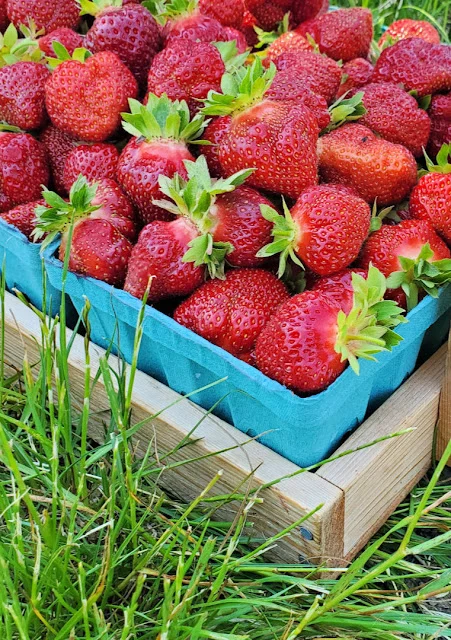
The practice of backyard poultry keeping has seen a significant resurgence over the last decade, transitioning from a niche rural activity to a mainstream urban and suburban endeavor. As more households adopt chickens for egg production and companionship, the focus on avian nutrition has shifted toward a more holistic approach. Among the various supplemental foods integrated into modern poultry diets, strawberries (Fragaria × ananassa) have emerged as a highly beneficial, albeit specialized, treat. While commercial feed remains the cornerstone of a healthy flock’s diet, the inclusion of fresh fruits like strawberries provides essential micronutrients, antioxidants, and hydration that contribute to long-term vitality and disease resistance in domestic birds.
The Nutritional Profile of Fragaria × ananassa for Avian Species
Strawberries are recognized in the agricultural community as a nutrient-dense supplement. For poultry, the primary value of the strawberry lies in its high concentration of Vitamin C (ascorbic acid), Vitamin K, and Vitamin B6. While chickens can endogenously synthesize Vitamin C in their livers, supplemental intake is particularly beneficial during periods of heat stress or environmental transition. Vitamin C acts as a powerful antioxidant, neutralizing free radicals and supporting the immune system’s ability to ward off common respiratory infections.

Furthermore, strawberries are rich in manganese, potassium, folate, and magnesium. Manganese is a critical trace mineral for poultry; it plays a vital role in bone development and the formation of the organic matrix of the eggshell. A deficiency in manganese can lead to perosis (leg deformity) and decreased hatchability in breeding flocks. Potassium, another key component found in strawberries, is essential for maintaining intracellular fluid balance and proper muscle function, which is paramount for active, foraging birds.
The fiber content in strawberries also aids in digestive motility. Although chickens have a relatively short digestive tract compared to mammals, the presence of soluble and insoluble fiber helps regulate the passage of feed through the gizzard and intestines, promoting a healthy gut microbiome.
Anatomy of the Strawberry: Total Plant Utilization
One of the most significant advantages of strawberries as a poultry supplement is the edibility of the entire plant. Unlike some garden plants that may have toxic components—such as the leaves of the nightshade family (tomatoes, potatoes)—every part of the strawberry plant is safe for avian consumption.

The "caps" or calyx (the green leafy top), the stems, and the runners are frequently discarded in human kitchens but represent a valuable resource for poultry keepers. These green components are particularly high in iron and tannins. In an avian context, tannins serve as a mild digestive aid and have been studied for their potential antimicrobial properties within the gut. By feeding the strawberry tops to their flocks, keepers can reduce household food waste while providing their birds with diverse phytonutrients that are not present in the fruit alone.
The 10 Percent Rule: Managing Sugar and Caloric Intake
Despite the clear nutritional benefits, strawberries must be categorized strictly as a "treat" rather than a primary food source. Avian nutritionists and experts, including prominent figures like Lisa Steele, emphasize that supplemental treats should never exceed 10% of a chicken’s total daily caloric intake. For an average laying hen, this equates to approximately one to two tablespoons of supplemental food per day.
The primary concern with overfeeding strawberries is their high fructose (fruit sugar) content. While sugar provides a quick burst of energy, an excess can lead to several health complications in poultry:

- Digestive Distress: High sugar intake can disrupt the delicate balance of the avian cecum, leading to osmotic diarrhea. This not only causes discomfort for the bird but can lead to soiled nesting boxes and increased hygiene risks within the coop.
- Obesity: Excessive treats contribute to "Fatty Liver Hemorrhagic Syndrome" (FLHS), a common cause of mortality in backyard flocks where fat deposits weaken the liver structure.
- Nutritional Imbalance: If a bird fills up on strawberries, it may consume less of its nutritionally balanced commercial layer feed, leading to deficiencies in calcium and protein necessary for consistent egg production.
Agricultural Context and Safety: The Pesticide Factor
When integrating strawberries into a poultry diet, the source of the fruit is a critical safety consideration. Strawberries consistently rank at the top of the "Dirty Dozen" list—a report published by the Environmental Working Group (EWG) detailing fruits and vegetables with the highest pesticide residues.
Chickens have a high metabolic rate and a sensitive respiratory system, making them particularly vulnerable to chemical toxins. Herbicides and pesticides used in conventional strawberry farming can accumulate in the tissues of the bird and, in some cases, be transferred to the eggs intended for human consumption. To mitigate this risk, journalistic analysis of current agricultural trends suggests three primary pathways for safe supplementation:
- Organic Sourcing: Purchasing certified organic berries ensures the absence of synthetic pesticides.
- Home Cultivation: Growing strawberries in the backyard allows keepers to control the environment entirely, using natural compost and avoiding chemical interventions.
- Rigorous Washing: If conventional berries must be used, they should be thoroughly washed in a vinegar-and-water solution to remove as much surface residue as possible.
Chronology of Supplemental Feeding Practices
The history of poultry feeding has moved through several distinct phases. In the early 20th century, farm chickens were largely scavengers, supplemented with "scratch" grains and kitchen scraps. This was a period of high dietary diversity but inconsistent nutrition. By the mid-20th century, the rise of industrial agriculture led to the development of "complete feeds"—pelleted diets scientifically formulated to maximize growth and egg output.

In the current era, the "Backyard Revolution" has seen a synthesis of these two approaches. Modern keepers rely on the safety net of complete feeds while reintroducing the dietary diversity of the past. Strawberries have become a symbol of this trend—a high-value, "luxury" treat that reflects the shift from viewing chickens as mere livestock to viewing them as valued productive pets. This evolution is supported by a growing body of veterinary literature that suggests environmental enrichment (such as the mental stimulation of pecking at whole fruits) is just as important as caloric intake for flock welfare.
Broader Implications for Sustainable Poultry Management
The use of strawberry byproducts in poultry management also aligns with broader movements toward circular economies and sustainable agriculture. In a commercial context, "ugly fruit" or overripe strawberries that are unsuitable for supermarket shelves represent a massive waste stream. Some innovative small-scale farms are now looking at ways to redirect these agricultural "seconds" into animal feed systems.
For the backyard keeper, the "strawberry top" method is a micro-version of this sustainable loop. By viewing the strawberry not just as a fruit for human consumption but as a multi-purpose agricultural product, keepers can maximize the value of their purchases.

Furthermore, the inclusion of strawberries can serve as a diagnostic tool. A healthy chicken will typically show high "foraging drive" and enthusiasm for a strawberry. A bird that ignores a high-value treat like a strawberry may be showing the first clinical signs of illness, allowing the keeper to intervene early.
Expert Consensus and Final Analysis
Veterinary experts and poultry specialists agree that while the strawberry is not a replacement for a balanced diet, its role as a supplement is invaluable. The combination of Vitamin C for stress management, manganese for shell quality, and the antioxidant properties of the fruit’s pigments (anthocyanins) creates a robust nutritional profile.
The consensus among the poultry-keeping community, led by researchers and experienced experts like Steele, is that successful flock management is a balance of science and observation. Providing strawberries in moderation—ensuring they are clean, fresh, and limited in quantity—enhances the quality of life for the birds and the quality of the eggs they produce. As the backyard poultry movement continues to mature, the focus on such specific, high-quality supplements will likely become a standard pillar of avian husbandry, bridging the gap between basic survival and optimal health.