
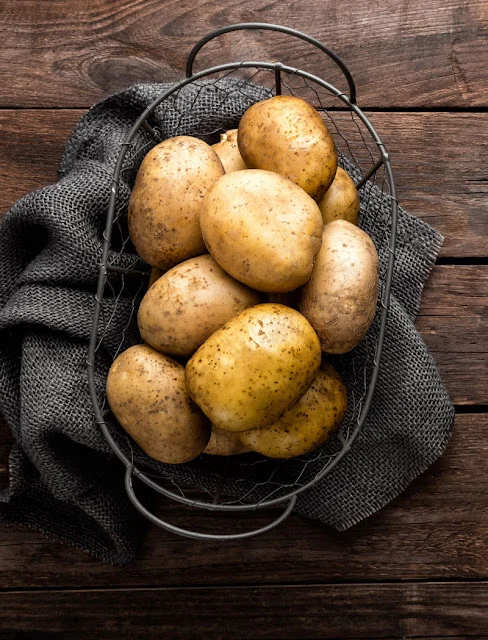
The rise of domestic poultry keeping has brought renewed scrutiny to the dietary habits of Gallus gallus domesticus, particularly regarding the safety of common kitchen scraps such as potatoes, sweet potatoes, and yams. While these tubers are often grouped together in culinary contexts, their botanical origins and chemical compositions differ significantly, leading to divergent safety profiles for avian consumption. Agricultural experts and avian nutritionists emphasize that the distinction between the Solanaceae (nightshade) family and the Convolvulaceae (morning glory) family is not merely academic; it is a critical factor in preventing solanine poisoning and ensuring the long-term health of backyard flocks. As more households transition toward sustainable "circular" food systems—where kitchen waste is repurposed as animal feed—understanding the specific risks associated with white potatoes versus the benefits of sweet potatoes has become a priority for the poultry industry and hobbyists alike.

Botanical Classifications and the Solanine Risk
To understand the risks associated with certain tubers, one must first examine the botanical lineage of the common white potato (Solanum tuberosum). Belonging to the nightshade family, the white potato is a relative of tomatoes, eggplants, and deadly nightshade. This family of plants is characterized by the production of glycoalkaloids, specifically solanine and chaconine, which serve as natural pesticides to protect the plant from fungi and insects.
In poultry, solanine acts as a potent neurotoxin and gastrointestinal irritant. While humans can tolerate small amounts of solanine found in commercially available potatoes, chickens have a much lower threshold for these toxins relative to their body mass. The concentration of solanine is not uniform throughout the potato plant; the highest levels are found in the green skin, the "eyes" or sprouts, and the leaves and stems.

Agricultural data indicates that solanine levels increase significantly when potatoes are exposed to light, a process known as "greening." This green color is caused by chlorophyll, which is harmless, but its presence serves as a visual indicator that the potato has also increased its production of solanine. For poultry owners, the ingestion of these green portions can lead to a variety of clinical symptoms, ranging from lethargy and diarrhea to paralysis and, in extreme cases, respiratory failure.
The Resilience of Toxins Against Heat Treatment
A common misconception among poultry keepers is the belief that cooking white potatoes renders them entirely safe for chickens. Journalistic investigations into food science reveal that solanine is a heat-stable molecule. While deep-frying at temperatures exceeding 400 degrees Fahrenheit (204 degrees Celsius) can partially degrade glycoalkaloids, standard preparation methods like boiling or steaming have a negligible effect on toxin levels.

Boiling, in particular, may cause solanine to leach into the cooking water, but the chemical structure of the toxin remaining within the potato flesh stays largely intact. Consequently, even cooked white potatoes can pose a cumulative risk. Unlike acute poisoning, which manifests immediately, chronic low-level exposure to solanine can lead to the accumulation of toxins in the bird’s organs, potentially causing "invisible" damage that compromises the immune system or reproductive health over time.
Sweet Potatoes: The Morning Glory Superfood
In contrast to the risks associated with white potatoes, sweet potatoes (Ipomoea batatas) represent a safe and highly nutritious alternative for poultry. Despite the shared name, sweet potatoes belong to the Convolvulaceae family and do not produce solanine. This makes every part of the plant—including the flesh, skins, vines, and leaves—safe for avian consumption.

From a nutritional standpoint, sweet potatoes are categorized as a "superfood" for poultry. They are exceptionally high in Beta-carotene, which the chicken’s body converts into Vitamin A. This vitamin is essential for maintaining the integrity of mucosal membranes, which serve as the first line of defense against respiratory infections. Furthermore, sweet potatoes provide a dense source of:
- Vitamin C: An antioxidant that supports the immune system during periods of heat stress.
- Vitamin B6: Vital for brain development and the proper functioning of the nervous system.
- Potassium: Crucial for fluid balance and muscle contraction.
- Fiber: Aids in digestive health and promotes a healthy gut microbiome.
Agricultural extension services frequently recommend sweet potatoes for flocks during the winter months, as the complex carbohydrates provide sustained energy to help birds maintain body temperature in cold climates.

The Yam Distinction and Oxalic Acid Concerns
The nomenclature surrounding "yams" often leads to confusion in the marketplace, particularly in North America, where orange-fleshed sweet potatoes are frequently mislabeled as yams. However, true yams (Dioscorea) are part of the Dioscoreaceae family and are more closely related to lilies and grasses than to potatoes.
While true yams are generally safe for chickens, they require specific handling that differs from sweet potatoes. Raw yams contain various plant proteins and compounds that can be difficult for poultry to digest and may even be toxic in high quantities. Therefore, yams must be peeled and thoroughly cooked before being offered to a flock.

Additionally, yams contain oxalic acid, a naturally occurring compound also found in spinach and beet greens. In the avian diet, high levels of oxalic acid can interfere with calcium absorption. Since calcium is the primary component of eggshells, an overabundance of oxalic acid can lead to the production of soft-shelled eggs or "rubber eggs," and may eventually deplete the hen’s skeletal calcium reserves. Journalistic analysis of poultry management suggests that while yams are a beneficial source of Vitamin B5 and manganese, they should be fed in moderation and always as a secondary supplement to a balanced layer feed.
Comparative Data: Nutritional Profiles at a Glance
A side-by-side comparison of the three tubers reveals why sweet potatoes are the preferred choice for sustainable poultry management.

- White Potatoes: High starch content, moderate Vitamin C, but carries the inherent risk of solanine. High glycemic index can lead to obesity in sedentary flocks.
- Sweet Potatoes: High Vitamin A (Beta-carotene), high fiber, lower glycemic index, and zero solanine risk. Safe to feed raw or cooked.
- Yams: High in potassium and Vitamin B5, but requires cooking to neutralize anti-nutritional factors and contains oxalic acid which requires monitoring of calcium intake.
Expert Recommendations and Official Guidelines
Veterinary experts and the "Fresh Eggs Daily" brand, founded by chicken-keeping authority Lisa Steele, advocate for a cautious approach to kitchen scraps. The consensus among professionals is that "toxic" does not always equate to "immediate fatality." Instead, the focus is on the long-term vitality of the bird.
The general guideline for poultry treats—which includes potatoes, fruits, and vegetables—is the "10% Rule." This rule states that supplemental foods should not exceed 10% of a chicken’s total daily caloric intake, which equates to approximately one tablespoon per hen per day. Over-reliance on scraps can dilute the precise balance of proteins, minerals, and amino acids found in commercial poultry feed, leading to decreased egg production and poor feather quality during molting.

Furthermore, a critical warning issued by agricultural experts concerns mold. Regardless of the type of potato, any tuber exhibiting signs of mold (Aspergillus or Penicillium) should be discarded. Moldy feed can cause aflatoxin poisoning or aspergillosis, a respiratory fungal infection that is often fatal to birds.
Broader Impact on Sustainable Agriculture
The debate over feeding potatoes to chickens reflects a larger trend in modern agriculture: the return to the "homestead" model of waste reduction. As global food prices rise and environmental concerns mount, the ability to turn household waste into high-quality protein (eggs) is increasingly valuable. However, this transition requires a higher level of "nutritional literacy" among consumers.

The distinction between nightshades and morning glories is a prime example of how traditional knowledge must be paired with scientific understanding. By choosing sweet potatoes over white potatoes, poultry owners can improve the health of their birds, enhance the nutritional profile of the eggs produced, and safely participate in a circular food economy without the risk of toxin accumulation.
In summary, while the occasional scrap of a well-cooked, peeled white potato is unlikely to cause immediate harm to a healthy adult hen, the potential for solanine buildup makes it an inferior choice. Sweet potatoes emerge as the clear winner for both safety and nutrition, providing a versatile, toxin-free supplement that supports the overall resilience of the backyard flock. For those utilizing yams, the necessity of cooking and the monitoring of calcium levels remain the standard for responsible husbandry. Through informed dietary choices, poultry keepers can ensure their flocks remain productive and healthy members of the domestic ecosystem.