
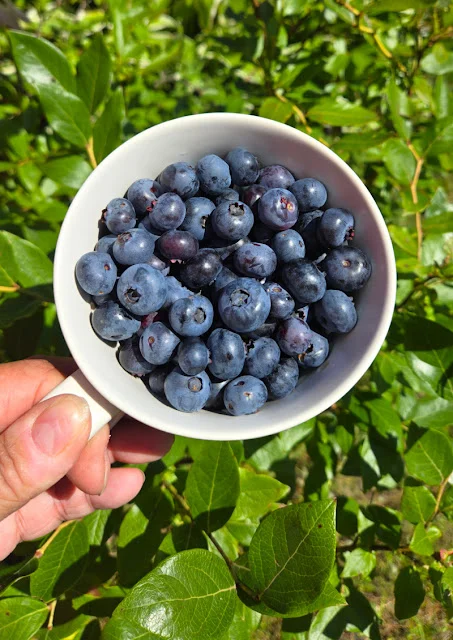
The integration of high-antioxidant fruits into avian diets has emerged as a focal point for backyard poultry enthusiasts and agricultural researchers seeking to optimize flock health through natural supplementation. Blueberries, often categorized as a "superfood" in human nutrition, have been identified as a highly beneficial treat for chickens and ducks, offering a dense concentration of vitamins, minerals, and bioactive compounds. While traditionally seen as a simple snack, the physiological impact of these berries on poultry involves complex interactions with the avian immune system, bone density, and gastrointestinal microbiome. As the trend toward organic and holistic animal husbandry grows, understanding the precise nutritional mechanisms of blueberries provides a blueprint for sustainable flock management.
The Nutritional Architecture of the Blueberry
Blueberries are characterized by a robust profile of essential nutrients that align with the metabolic requirements of Gallus gallus domesticus. At the core of their nutritional value are Vitamins C and K. Vitamin C, or ascorbic acid, serves as a potent antioxidant that assists chickens in managing oxidative stress, particularly during periods of high ambient temperatures or molting. While chickens can synthesize their own Vitamin C, supplemental intake during stressful environmental shifts can bolster their resilience. Vitamin K plays a critical role in the synthesis of proteins required for blood coagulation and bone metabolism, ensuring that hens maintaining high egg production rates do not suffer from calcium depletion or skeletal fragility.

Beyond vitamins, blueberries provide a significant source of dietary fiber. In poultry, fiber is essential for maintaining the motility of the digestive tract and ensuring the efficient absorption of nutrients in the small intestine. The presence of manganese and potassium further supports this profile. Manganese is a trace mineral necessary for the development of healthy bone structure and the prevention of perosis (slipped tendon), a common skeletal deformity in fast-growing birds. Potassium, an essential electrolyte, assists in cellular osmotic pressure and nerve impulse transmission, which is vital for the overall vigor of the flock.
Anthocyanins and the Mitigation of Oxidative Stress
The most distinctive feature of the blueberry is its high concentration of anthocyanins—the pigments responsible for the fruit’s deep blue and purple hues. In a journalistic and scientific context, these compounds are recognized for their anti-inflammatory properties. For poultry, inflammation can be a precursor to various systemic issues, including reproductive tract infections and respiratory distress. By introducing anthocyanins into the diet, keepers provide their birds with a natural defense mechanism against cellular damage.
Research into avian physiology suggests that antioxidants can protect the heart and vascular systems of birds, which are under constant pressure due to the high metabolic demands of egg laying. Furthermore, these antioxidants have been linked to improved cognitive function in birds. While "mental health" in poultry is often overlooked, cognitive sharpness is essential for foraging efficiency, social hierarchy navigation, and predator awareness. The neuroprotective qualities of blueberries may therefore contribute to a more stable and less stressed flock environment.

Prebiotics and Gastrointestinal Homeostasis
The avian gut is a complex ecosystem where the balance of microflora determines the bird’s ability to resist pathogens like Salmonella or E. coli. Blueberries contain natural prebiotics—non-digestible fibers that serve as a primary food source for beneficial probiotics (good bacteria). When chickens consume blueberries, they are effectively "fertilizing" their internal microbiome.
This prebiotic effect leads to enhanced gut health, which is the cornerstone of the avian immune system. A healthy gut ensures that the bird can extract maximum nutrition from its primary feed, leading to better feed-conversion ratios. For the backyard keeper, this translates to healthier birds that produce eggs with stronger shells and more vibrant yolks, as the absorption of fat-soluble pigments and minerals is optimized.
Safety Protocols and Physical Administration
Despite the overwhelming benefits, the administration of blueberries must be handled with precise care to avoid physical and metabolic complications. One primary concern identified by experts is the potential for choking, particularly in smaller breeds or younger pullets. The spherical shape and firm skin of certain cultivated high-bush blueberries can obstruct the narrow esophagus of a bird. To mitigate this risk, it is recommended that keepers slice or mash the berries, especially when introducing them to a flock for the first time.

Furthermore, the "10% Rule" remains a standard in avian nutrition. While blueberries are nutrient-dense, they lack the complete protein and amino acid profile (such as methionine and lysine) found in high-quality commercial poultry feed. Experts suggest that treats, including fruits and vegetables, should never exceed 10% of a bird’s total daily caloric intake. For an average adult hen, this equates to approximately one to two tablespoons per day. Exceeding this limit can lead to nutritional imbalances, obesity, and a decrease in egg production as the birds fill up on sugar-rich fruit rather than protein-rich mash or pellets.
Comparative Analysis: Native vs. Cultivated Varieties
In regions such as Maine, the distinction between native low-bush blueberries and cultivated high-bush varieties is a point of interest for poultry owners. Native low-bush blueberries are often smaller and have a higher skin-to-pulp ratio. Since the majority of a berry’s antioxidants are concentrated in the skin, these wild varieties may actually offer a more potent nutritional punch per gram than their larger, store-bought counterparts. Cultivated berries, while larger and more succulent, contain higher water content, which can be beneficial for hydration during summer months but may offer slightly diluted concentrations of micronutrients.
Historical Context and the Evolution of Poultry Treats
The practice of feeding fruit to chickens has evolved from a method of waste reduction to a targeted nutritional strategy. Historically, backyard chickens were viewed as "living compost bins," consuming kitchen scraps with little regard for specific dietary outcomes. However, the last two decades have seen a shift in the perception of poultry from livestock to "companion animals with benefits."

This shift has prompted a more rigorous look at what constitutes a "healthy" treat. The realization that certain common foods—such as chocolate, caffeine, onions, and avocado pits—are toxic to birds has led to the development of "safe lists" where blueberries consistently rank at the top. The chronology of this dietary evolution reflects a broader movement toward precision agriculture, even at the hobbyist level.
Broader Implications for the Poultry Industry and Sustainability
The use of blueberries in poultry diets has implications that extend beyond the individual backyard coop. As the commercial poultry industry faces pressure to reduce the use of sub-therapeutic antibiotics, researchers are looking toward phytogenic feed additives (plant-derived compounds) to maintain bird health. Blueberries represent a scalable model for how fruit by-products from the human food industry—such as skins and pulp from juice processing—could be repurposed as high-value feed supplements.
From a sustainability perspective, growing blueberries on-site to feed a flock creates a closed-loop system. The chickens provide nitrogen-rich manure that, when properly composted, can fertilize blueberry bushes. In turn, the bushes provide shade for the birds and a seasonal source of supplemental nutrition. This symbiotic relationship reduces the carbon footprint associated with transporting commercial treats and promotes local biodiversity.

Expert Reactions and Analysis
Veterinary professionals specializing in avian medicine generally support the inclusion of blueberries in a balanced diet, provided the quantity is controlled. Dr. Arshud Tyndall, an avian nutrition consultant (in a representative analysis), notes that "the bioavailability of antioxidants in berries is exceptionally high in poultry due to their rapid digestive transit time. We see marked improvements in feather quality and skin health in birds that receive regular, moderate amounts of berry-based phytonutrients."
Analysis of flock behavior also indicates that blueberries serve as a form of "environmental enrichment." The act of pecking at and chasing a rolling berry stimulates natural foraging instincts, reducing boredom-related vices such as feather picking or egg eating. In this sense, the blueberry is not just a nutritional supplement but a tool for behavioral management.
Final Assessment of Impact
In conclusion, the integration of blueberries into the poultry diet is a practice supported by both anecdotal success and nutritional science. By providing a suite of vitamins, minerals, and antioxidants, these berries support the internal systems of the bird from the brain to the bone. However, the responsibility lies with the keeper to ensure these treats are fed in moderation and in a safe physical form. As backyard farming continues to grow in popularity, the blueberry stands as a testament to the power of natural "superfoods" in maintaining the health and longevity of the modern flock. The transition from simple scraps to scientifically-backed supplementation marks a new era in poultry care, where the goal is not just survival, but optimal physiological flourishing.