
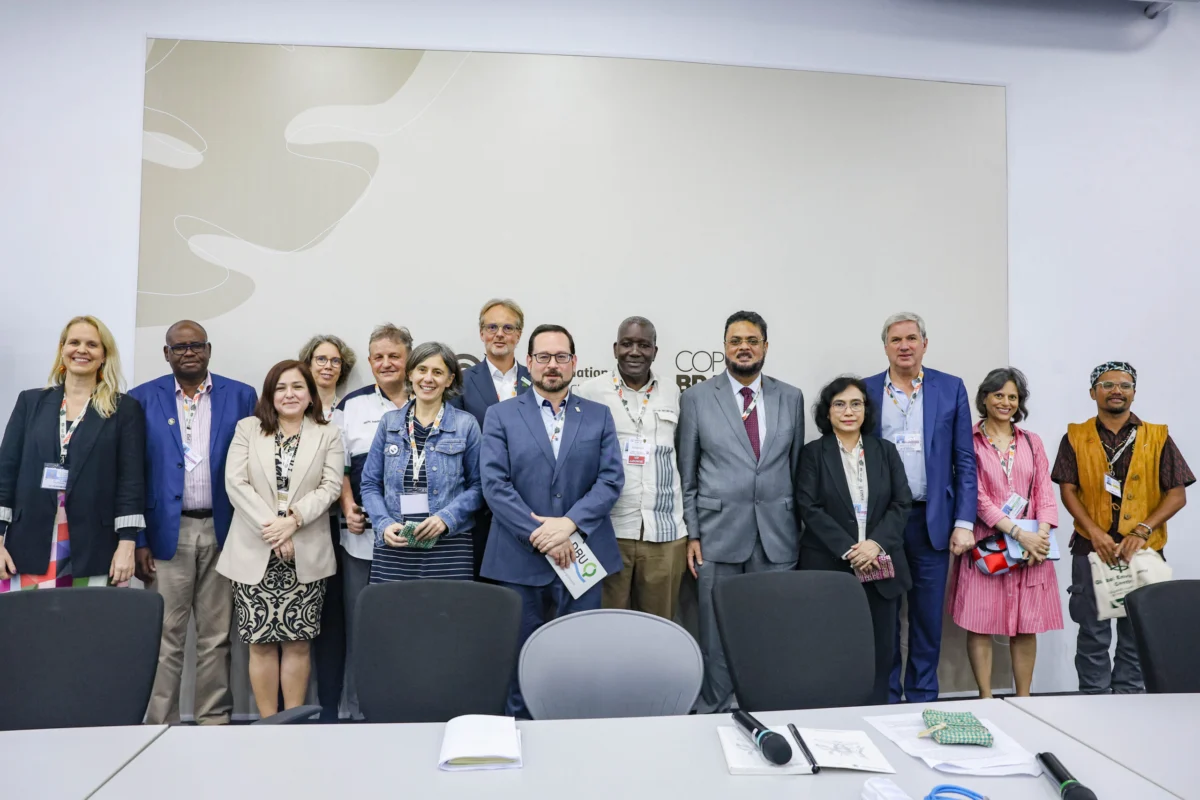
Belém, Brazil – As global leaders convened in Belém for the 30th Conference of the Parties (COP30) to the UNFCCC, a significant alliance of governments, scientists, entrepreneurs, and civil society organizations united on November 17, 2025, for an unprecedented global push to protect peatlands – often overlooked yet exceptionally powerful natural allies in the fight against climate change. The Peatland Breakthrough initiative formally launched its Science-Based Framework for Global Peatland Targets and Guiding Principles, concurrently opening its endorsement process to new partners. This pivotal moment saw Germany officially join the Peatland Breakthrough as a Champion Country, building on the momentum established by Peru, the first country to champion the initiative at the Convention on Wetlands COP15, and Uganda, further solidifying international commitment to peatland conservation and restoration.
Peatlands, while covering a mere 3-4% of the Earth’s terrestrial surface, hold an astonishing concentration of carbon. They store approximately one-third of the world’s soil carbon, a figure that dwarfs the carbon sequestered in all the planet’s forest biomass combined. This vast carbon reservoir, however, is under severe threat. The widespread draining and degradation of peatlands are currently contributing an estimated 4-5% of annual global human-induced emissions, a figure comparable to the combined emissions from the aviation and shipping industries. Protecting these vital ecosystems is therefore not merely an environmental imperative, but a critical necessity for achieving the ambitious goals set forth in the Paris Agreement and limiting global warming to 1.5 degrees Celsius.
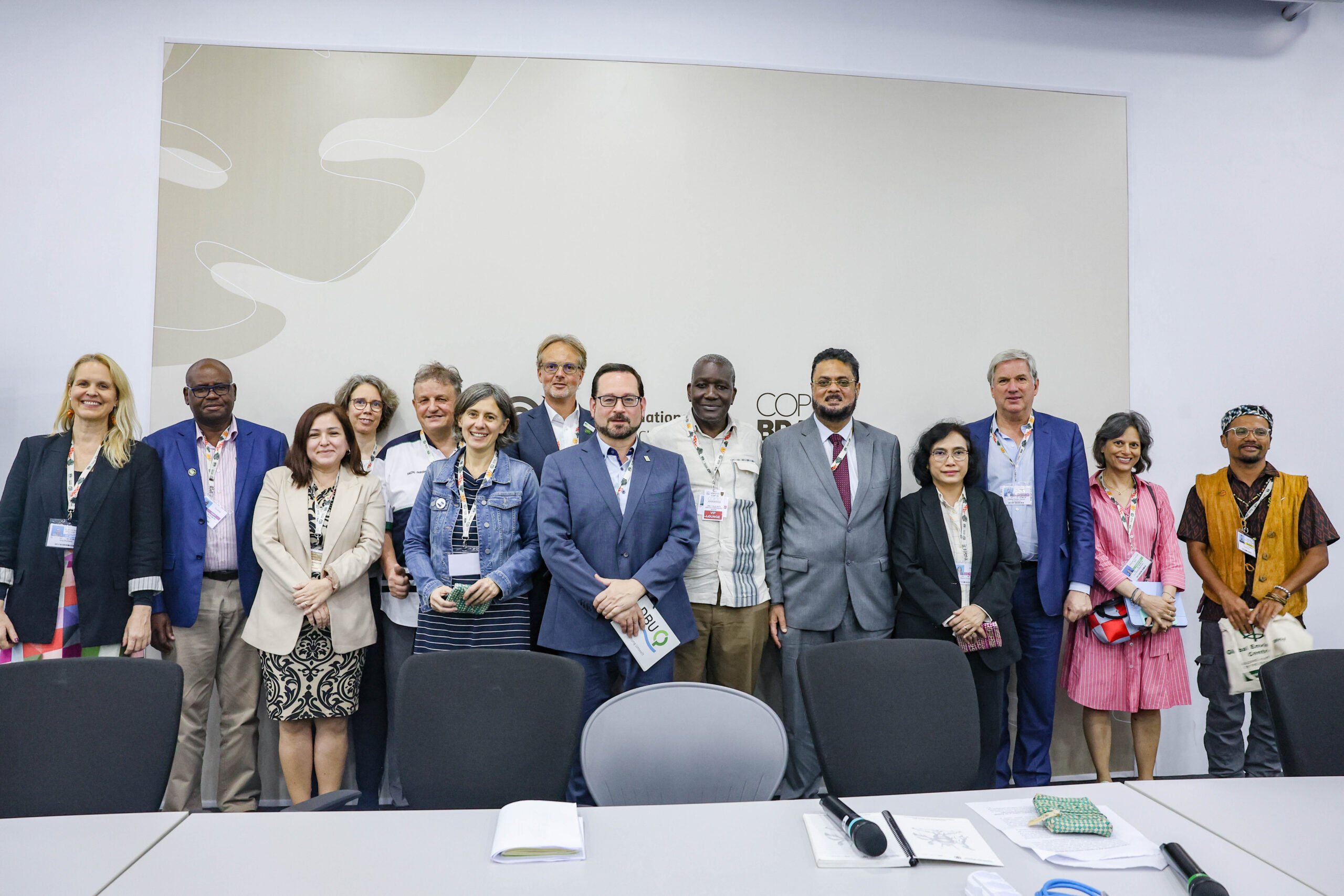
The Peatland Breakthrough initiative itself represents a concerted global effort to accelerate and mobilize action across multiple fronts. Its core mission is to conserve, rewet, and restore peatlands, while simultaneously enabling their sustainable and wise use. This multifaceted approach aims to ensure that peatlands continue to fulfill their essential functions, supporting climate mitigation and adaptation, safeguarding water resources, protecting biodiversity, and sustaining the livelihoods of local communities.
A Framework for Global Action: Targets and Principles
The centerpiece of the launch event, held on the sidelines of COP30, was the unveiling of the Science-Based Framework for Global Peatland Targets and Guiding Principles. This comprehensive document, developed through extensive scientific consultation, provides a clear roadmap for international cooperation and national-level policy development. It outlines specific, measurable, achievable, relevant, and time-bound (SMART) targets designed to guide efforts in peatland conservation and restoration worldwide. The framework emphasizes the need for integrated approaches that consider the ecological, social, and economic dimensions of peatland management.

The endorsement process for new partners, officially opened at the event, signifies a commitment from a growing coalition of stakeholders to actively contribute to the Peatland Breakthrough’s goals. Germany’s accession as a Champion Country underscores the recognition by major economies of the critical role peatlands play in climate action. State Secretary Jochen Flasbarth of the German Federal Ministry for the Environment, Climate Action, Nature Conservation and Nuclear Safety highlighted Germany’s own historical challenges with peatland degradation. "In Germany, we drained 95% of our peatlands, and today we see the consequences," Flasbarth stated. "Peatlands now account for 7.5% of our national greenhouse-gas emissions, which makes restoring them one of our biggest challenges – and essential to reach our 2045 net-zero target. Rewetting is the way to stop emissions from drained peatlands, and in the future rewetted areas may even contribute to negative emissions. This is why Germany is investing billions in rewetting and why we are working closely with partners around the world, from Eastern Africa to Patagonia, to accelerate peatland restoration."
Momentum Builds: Champions and Collaborators Unite
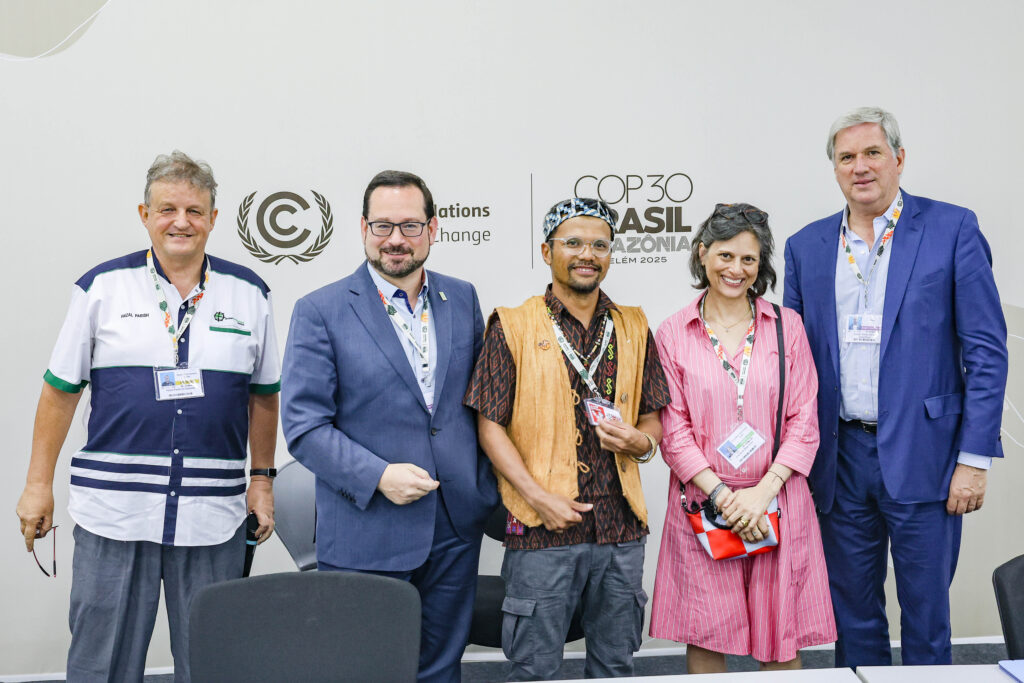
The COP30 side event, organized at the official COP30 venue, served as a crucial platform for showcasing the expanding network of peatland champions and fostering dialogue. Moderated by Amy Duchelle of the Food and Agriculture Organization (FAO) and Faizal Parish of the Global Environment Centre, the event featured high-level discussions and interactive roundtables. These sessions were designed to encourage concrete collaboration and mobilize the necessary knowledge, policy frameworks, and financial resources for transformative peatland action.
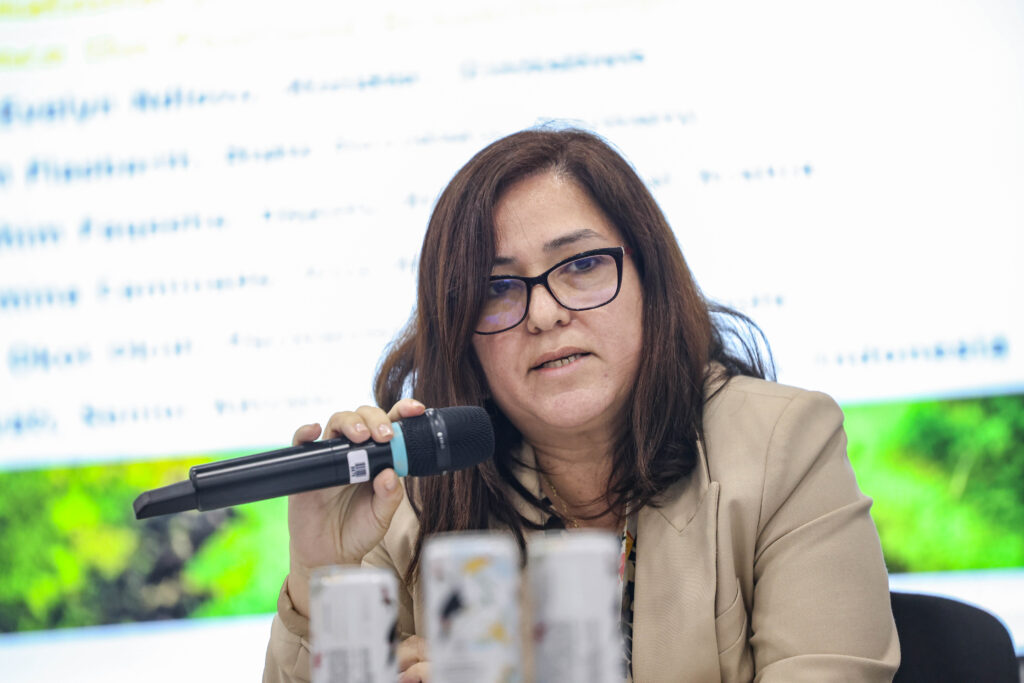
The presence of senior government representatives from various nations underscored the growing international recognition of peatlands’ importance. Alongside Germany’s Jochen Flasbarth, speakers included Prof. Haruni Krisnawati from Indonesia, Dr. Alfred Okot Okidi from Uganda, Romina Caminada, Vice Minister for Strategic Development of Natural Resources of Peru, and Ambassador Tadeous Chifamba, acting on behalf of Dr. Evelyn Ndlovu from Zimbabwe, representing the Convention of Wetlands (Ramsar) COP15 Presidency. Dr. Osama Ibrahim Faqeeha represented the Kingdom of Saudi Arabia in their capacity as UNCCD COP16 Presidency, signaling cross-convention collaboration.
Manuel Pulgar Vidal, a Champion of the CBD Action Agenda, emphasized the urgent need to elevate peatlands in global climate and biodiversity policy. Coenraad Krijger, CEO of Wetlands International, a leading organization behind the Peatland Breakthrough, articulated the initiative’s vision: "If we are serious about meeting our climate and biodiversity goals, peatlands must move from the margins to the centre of policy and finance. The Peatland Breakthrough is our opportunity to align ambition with implementation by embedding peatland protection and restoration into national climate plans, creating enabling policies, and unlocking investment at scale. With the decisive leadership we saw at COP30, we are one step closer to realizing the potential of peatlands for climate and people."
The event also heard from influential non-state actors. Shaq Koyok shared perspectives from Indigenous leadership, highlighting the crucial role of traditional knowledge in peatland stewardship. Representatives from global industry, investment institutions, and environmental foundations also contributed their insights. Michael Alexander of Diageo, a company that recently announced a significant investment in peatland restoration, underscored the private sector’s growing commitment. Eva Mayerhofer from the European Investment Bank and Alexander Bonde from the German Federal Environment Foundation (DBU) discussed financial mechanisms, while Cristian Samper from the Bezos Earth Foundation emphasized the foundation’s dedication to supporting nature-based solutions.
From Evidence to Action: Practical Solutions for Peatlands
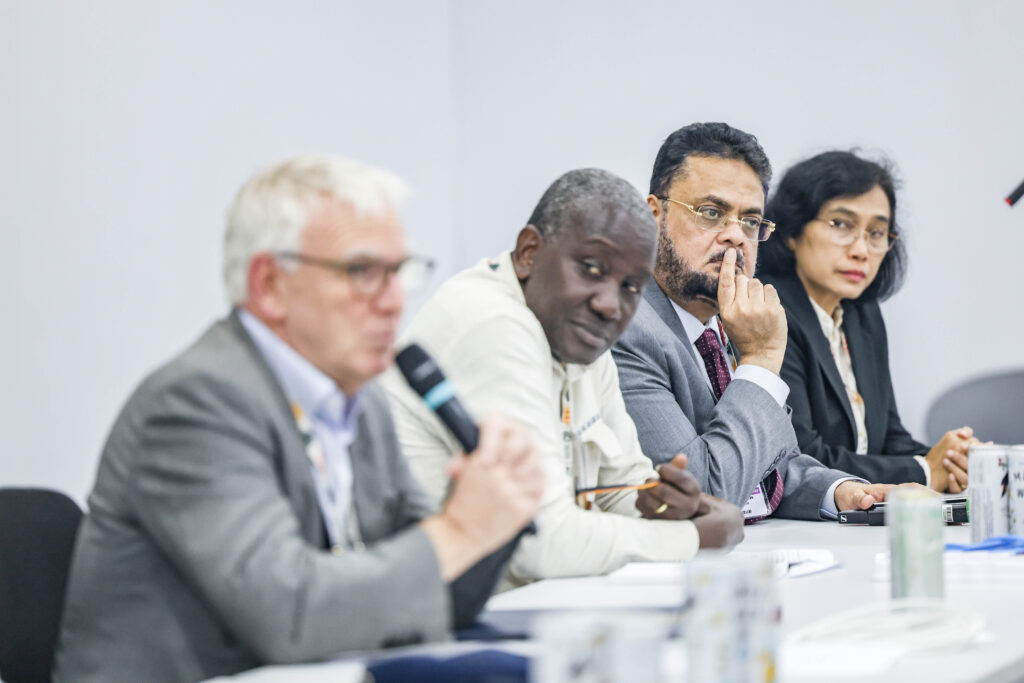
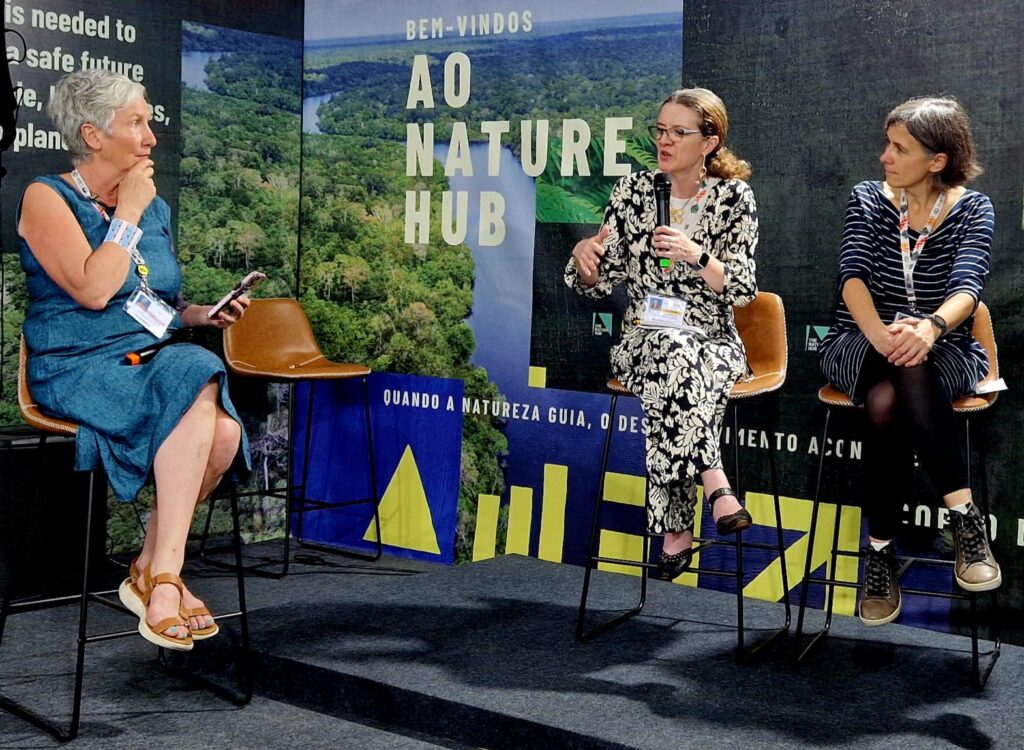
Further elaborating on the scientific basis for action, the Nature Hub Pavilion hosted a session titled "The Peatland Breakthrough: From Evidence to Action." This session, moderated by Clare Shakya of The Nature Conservancy, drew upon critical scientific assessments, including the Global Peatlands Assessment and the Global Peatland Hotspot Atlas. Speakers underscored the irrefutable scientific evidence that necessitates coordinated global action to safeguard peatlands.
The session showcased the Peatland Breakthrough’s vision for scaling up peatland initiatives worldwide. Practical and innovative solutions, such as paludiculture – the cultivation of crops on rewetted peatlands – were highlighted as a means to achieve multiple benefits. Paludiculture not only facilitates peatland restoration by maintaining waterlogged conditions but also offers economic opportunities, contributing to climate resilience, biodiversity conservation, and improved water management. The discussion also explored the potential of carbon markets to finance peatland restoration, while critically examining the need for robust integrity, equity, and long-term impact to ensure the effectiveness and credibility of these financial instruments.
Experts including Franziska Tanneberger, Director of the Greifswald Mire Centre, Cinthia Soto from Wetlands International, Moritz von Unger of Silvestrum Climate Associates, and Faizal Parish from the Global Environment Centre shared their expertise on implementing these solutions. Tanneberger emphasized the timeliness of the Peatland Breakthrough’s focus at COP30, particularly given Brazil’s status as the tropical country with the largest peatland area. "Bringing peatlands to COP30 in Belém could not be more timely," Tanneberger stated. "With the Global Peatlands Assessment and the Global Peatland Hotspot launched at previous climate COPs, the science is crystal clear. And now we are in Brazil – the tropical country with the largest peatland area. It’s the perfect place to present the Peatland Breakthrough under the COP30 Action Agenda."
The Peatland Breakthrough: A Vision for the Future
The Peatland Breakthrough is a collaborative initiative spearheaded by Wetlands International, the United Nations Environment Programme (UNEP), the Food and Agriculture Organization of the United Nations (FAO), and the Greifswald Mire Centre. It operates in close alignment with the Global Peatlands Initiative and in collaboration with the Convention on Wetlands. The growing list of partners also includes the Global Environment Centre, Landscape Finance Lab, RE-PEAT, and The Nature Conservancy, reflecting a broad and diverse coalition committed to peatland action.
The initiative articulates three overarching global targets designed to guide urgent action:
- Target 1: Halting Emissions from Drained Peatlands: This aims to significantly reduce and ultimately eliminate greenhouse gas emissions from drained and degraded peatlands by 2030, through widespread rewetting and restoration efforts.
- Target 2: Restoring Degraded Peatlands: This focuses on the active restoration of degraded peatland ecosystems, aiming to restore at least 35 million hectares globally by 2030 to enhance their carbon sequestration capacity and ecological functions.
- Target 3: Sustainable and Wise Use of Peatlands: This promotes the adoption of sustainable land management practices on peatlands, including paludiculture and other ecosystem-based approaches, ensuring that human activities are compatible with peatland conservation and climate goals.
Achieving these ambitious targets would enable global peatlands to transition from being a significant source of emissions to a net greenhouse gas sink, thereby making a substantial contribution to climate mitigation and supporting climate-resilient development pathways. To realize these goals, the initiative stresses the urgent need to mobilize at least 100 billion USD by 2030 in finance for peatlands. This finance must be just, transparent, and accessible, supporting every peatland country in mapping, monitoring, and managing these vital ecosystems before irreversible damage occurs.
The commitment from the private sector is also gaining traction. Diageo, a prominent spirits company, has announced an investment of up to £5 million over five years to restore approximately 3,000 hectares of degraded peatland in Scotland, demonstrating a tangible step towards corporate responsibility in peatland conservation.

The events at COP30 have laid a robust foundation for the official global launch of the Peatland Breakthrough, slated for Spring 2026. Partners are actively calling on governments, organizations, and non-state actors worldwide to join this expanding coalition and collectively harness the immense potential of peatlands as a powerful solution for climate mitigation, biodiversity conservation, and community well-being.
For those interested in learning more about the endorsement process and joining the Peatland Breakthrough, inquiries can be directed to [email protected]. For further information and media inquiries, please contact [email protected].