
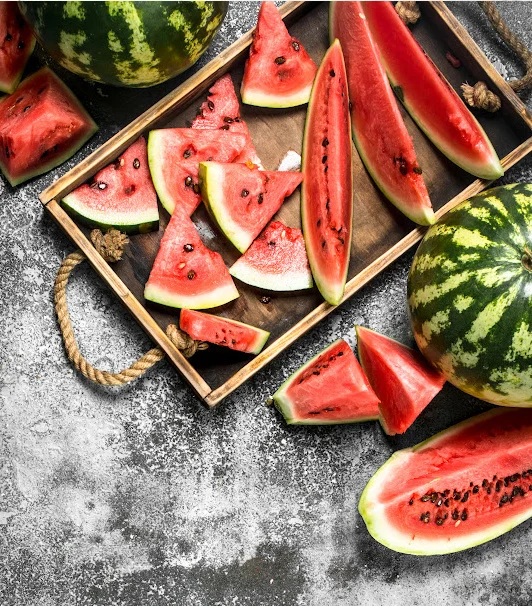
The strategic use of watermelon as a dietary supplement for backyard poultry has emerged as a cornerstone of summer flock management, offering a dual-purpose solution for hydration and nutritional enrichment. As global temperatures continue to fluctuate and heatwaves become more frequent in temperate regions, poultry keepers are increasingly turning to high-moisture fruits to mitigate the physiological stress placed on avian species. Watermelon, comprised of approximately 92 percent water, serves not only as a refreshing treat but also as a delivery vehicle for essential vitamins, minerals, and antioxidants that support the long-term health and productivity of chickens. Experts in the field of avian husbandry emphasize that while a balanced commercial feed remains the primary source of nutrition, the inclusion of supplemental fruits like watermelon can significantly enhance the well-being of a flock during the most demanding months of the year.
The Nutritional Composition of Watermelon in Avian Diets
To understand the impact of watermelon on poultry, one must look closely at its chemical and nutritional profile. While often dismissed as "sugar water," the fruit contains a sophisticated array of bioactive compounds. Watermelon is a significant source of Vitamin A, which is crucial for maintaining the integrity of mucosal membranes and supporting a robust immune system. In chickens, Vitamin A deficiency can lead to decreased egg production and increased susceptibility to respiratory infections. Furthermore, the presence of Vitamin B6 assists in protein metabolism and the regulation of the nervous system, while Vitamin C acts as a vital stress-reducer, particularly when birds are coping with environmental heat.
Beyond vitamins, watermelon provides essential electrolytes including potassium and magnesium. These minerals are vital for maintaining cellular fluid balance and heart health. In the context of a heat-stressed bird, electrolytes are often depleted through increased respiration—a process known as panting—which chickens use to cool themselves since they lack sweat glands. Replacing these electrolytes through moisture-rich foods helps prevent metabolic alkalosis and sudden death syndrome associated with extreme heat.
.jpg)
One of the most notable components of watermelon is lycopene. Scientific research indicates that watermelon contains higher levels of this potent antioxidant than raw tomatoes. In poultry, lycopene serves to neutralize free radicals, potentially reducing the risk of cellular damage and chronic diseases. Additionally, the fruit is rich in carotenoids, the organic pigments that are directly responsible for the deep orange coloration of egg yolks. For the backyard enthusiast, this aesthetic benefit is often a marker of a healthy, varied diet.
Managing Heat Stress and Hydration Cycles
The chronology of a chicken’s daily life during the summer is dictated by the rise and fall of ambient temperatures. As the sun reaches its zenith, the metabolic heat produced by a chicken’s own body, combined with external heat, can push the bird toward a state of hyperthermia. Observations from poultry scientists suggest that when temperatures exceed 85 degrees Fahrenheit (29 degrees Celsius), chickens begin to prioritize cooling over feeding. This leads to a decrease in the intake of dry commercial crumbles or pellets, which can result in nutritional gaps and a drop in egg laying.
Introducing watermelon during the peak heat hours—typically between 1:00 PM and 4:00 PM—serves as a tactical intervention. By providing a cold, water-dense food source, keepers can encourage birds to ingest fluids they might otherwise ignore. This intervention follows a specific biological timeline: immediate hydration upon consumption, followed by a gradual cooling effect as the high water content moves through the digestive tract. This practice has become a standard recommendation among avian veterinarians who advocate for "hydration-first" strategies during the summer solstice.
Comprehensive Consumption: Flesh, Seeds, and Rind
Unlike many other treats that require careful preparation or the removal of certain parts, the entire watermelon is safe and beneficial for chickens. This inclusivity makes it an efficient supplement for large-scale backyard operations.
.jpg)
- The Flesh: The red, succulent interior is the most palatable part of the fruit. It is high in sugars, which provides a quick energy boost, though it should be monitored to ensure it does not lead to obesity or disrupt the gut’s microbial balance.
- The Seeds: Unlike the seeds of some fruits (such as apples or cherries, which contain trace amounts of cyanide), watermelon seeds are completely non-toxic to chickens. They are a source of trace minerals and fiber, and the act of pecking at them provides mental stimulation for the birds.
- The Rind: The green outer skin and the white "pith" are perhaps the most underrated portions of the watermelon. The rind is dense in fiber and contains citrulline, an amino acid that supports circulatory health. Chickens will often peck the rind down to a paper-thin layer, utilizing it as both a food source and a tool for beak maintenance.
Natural Anthelmintics and the Cucurbitacin Theory
A significant point of interest for organic and natural poultry keepers is the presence of cucurbitacin in watermelon. This biochemical compound is found in various members of the Cucurbitaceae family, including cucumbers, pumpkins, and squashes. There is a long-standing tradition in "old-timer" farming circles that suggests cucurbitacin acts as a natural anthelmintic, or dewormer.
While clinical studies on the efficacy of watermelon as a primary deworming agent in poultry are limited, the theory posits that the compound creates an environment in the intestinal tract that is hostile to internal parasites such as roundworms and tapeworms. Proponents of natural husbandry argue that regular access to these fruits throughout the growing season can serve as a preventative measure, reducing the reliance on chemical interventions. However, agricultural experts caution that while watermelon is a healthy addition, it should not replace regular fecal testing and professional veterinary care in the event of a confirmed parasitic infestation.
Economic and Environmental Implications for Small-Scale Producers
The integration of watermelon into poultry diets also reflects a broader trend toward sustainable agriculture and food waste reduction. In the United States alone, millions of pounds of "ugly" or overripe produce are discarded annually. Backyard chicken keepers often act as a secondary processing unit for this waste. By sourcing unsold or damaged watermelons from local farmers’ markets or grocery stores, poultry owners can reduce their feed costs while providing a high-value nutritional supplement to their flocks.
From a production standpoint, the impact on egg quality cannot be overstated. Consumers of "farm-fresh" eggs frequently cite yolk color and shell strength as primary indicators of quality. The carotenoids in watermelon contribute to the vibrant yolk color that is highly sought after in the culinary world. Furthermore, the overall reduction in stress provided by the hydration and cooling effects of the fruit ensures that the hens’ reproductive systems remain consistent, preventing the "summer slump" in egg production that many keepers face during July and August.

Best Practices for Serving and Sanitation
While the benefits of watermelon are extensive, professional journalistic analysis requires a look at the potential risks associated with improper feeding practices. The high sugar content of the fruit, while natural, can attract pests such as flies, bees, and rodents if left in the coop overnight. Furthermore, in high heat, the sugars in the juice can ferment quickly, potentially leading to sour crop—a yeast infection in the chicken’s digestive system.
To mitigate these risks, experts recommend the following protocol:
- Portioned Slicing: Cutting the melon into halves or thick slices allows multiple birds to access the fruit at once, preventing "pecking order" disputes and ensuring that submissive birds also receive hydration.
- The Slushie Method: For extreme heat, some keepers blend the watermelon flesh with ice to create a "slushie," which further lowers the birds’ core temperature.
- Hygiene: Any unconsumed rinds or remains should be removed from the run before dusk to prevent attracting nocturnal predators and to maintain a sanitary environment.
Broader Impact on Avian Welfare Standards
The shift toward providing enrichment treats like watermelon is indicative of an evolving philosophy in animal welfare. No longer viewed simply as livestock, backyard chickens are increasingly seen as "productive pets" that require mental stimulation and dietary variety. The act of foraging through a watermelon carcass engages a chicken’s natural instincts, reducing boredom-induced behaviors such as feather picking or egg eating.
As the backyard poultry movement continues to grow, the demand for natural, fruit-based supplements is expected to rise. This trend supports a more holistic approach to farming where the health of the animal is maintained through seasonal adjustments and nutrient-dense, whole-food additions.

In conclusion, watermelon stands as a premier supplemental food source for chickens, particularly within the context of the modern summer climate. Its unique combination of high water content, essential vitamins, and potent antioxidants addresses the physiological needs of the birds while providing tangible benefits to the owner in the form of improved egg quality and reduced flock stress. By understanding the science behind the fruit and implementing structured feeding practices, poultry keepers can ensure their flocks remain resilient and productive through the most challenging months of the year. The synergy between traditional farming wisdom and modern nutritional science continues to validate watermelon as a vital tool in the repertoire of the successful avian husbandman.