
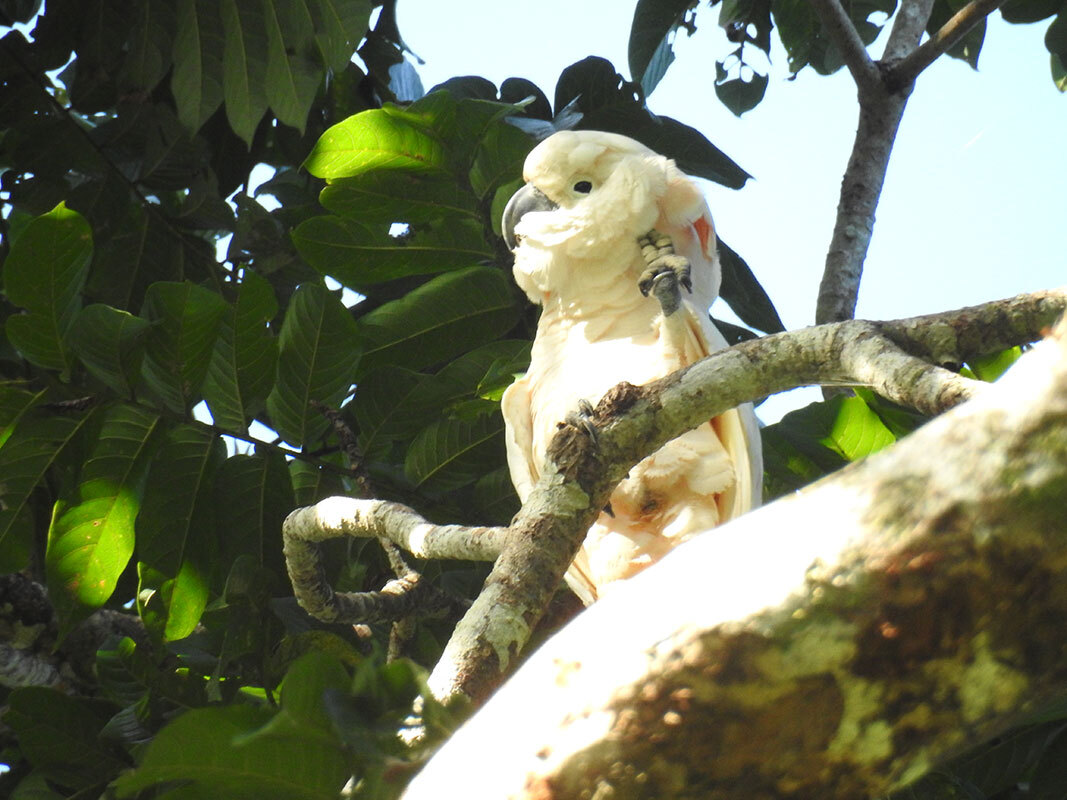
The salmon-crested cockatoo, scientifically known as Cacatua moluccensis and locally referred to as lakam, is an avian jewel endemic to the lush island of Seram, the largest and principal landmass in the Maluku province of eastern Indonesia. These magnificent birds are instantly recognizable by their soulful, dark eyes and the spectacular, peachy-pink crest feathers that give them their name. Beyond their striking appearance, Moluccan cockatoos possess a powerful voice, capable of reaching up to 135 decibels, making them one of the loudest species in the parrot family. This remarkable auditory presence, however, belies a precarious existence, as the species faces severe threats to its survival.
A Species on the Brink: Endangered Status and Historical Decline
The plight of the salmon-crested cockatoo is starkly illustrated by its conservation status. Listed on Appendix I of CITES (Convention on International Trade in Endangered Species of Wild Fauna and Flora) since 1989, all international trade in wild-caught Moluccan cockatoos is strictly prohibited. This designation underscores the critical danger the species faces. Furthermore, the International Union for Conservation of Nature (IUCN) Red List classifies the Moluccan cockatoo as endangered, reflecting a significant decline in its population.
Historically, the distribution of Cacatua moluccensis extended beyond Seram to include several adjacent satellite islands. However, this range has regrettably contracted. The species has been declared extinct from the islands of Haruku, Saparua, and Nusa Laut, a stark testament to the pressures it has endured. The primary drivers of this dramatic population decline are well-documented: rampant illegal trapping for the pet trade and the relentless destruction of their natural habitat due to deforestation and land development. These twin threats have decimated wild populations, pushing the species closer to the precipice.
Longevity and Captivity Challenges: A Call for Habitat Preservation
Moluccan cockatoos are renowned for their impressive longevity. A 2012 study examining parrot lifespan data revealed that the oldest known parrot was a salmon-crested cockatoo that lived to be an astonishing 92 years old. While this remarkable lifespan highlights their resilience, it also underscores the significant commitment and specialized care required for their well-being in captivity.
The inherent characteristics of Moluccan cockatoos – their considerable vocalizations, their need for extensive space, and their demand for complex environmental enrichment and a meticulously balanced nutritional diet – present substantial challenges for private ownership. These demanding requirements amplify the urgent need to ensure the survival and prosperity of this vibrant, intelligent, and majestic bird within its native Indonesian habitat. The success of conservation efforts hinges on preserving the wild populations, rather than relying solely on captive breeding programs, which, while important, cannot replicate the ecological and cultural significance of the species in its natural environment.
Cultural Significance: The Huaulu Tribe and the Sacred Cidaku Ritual
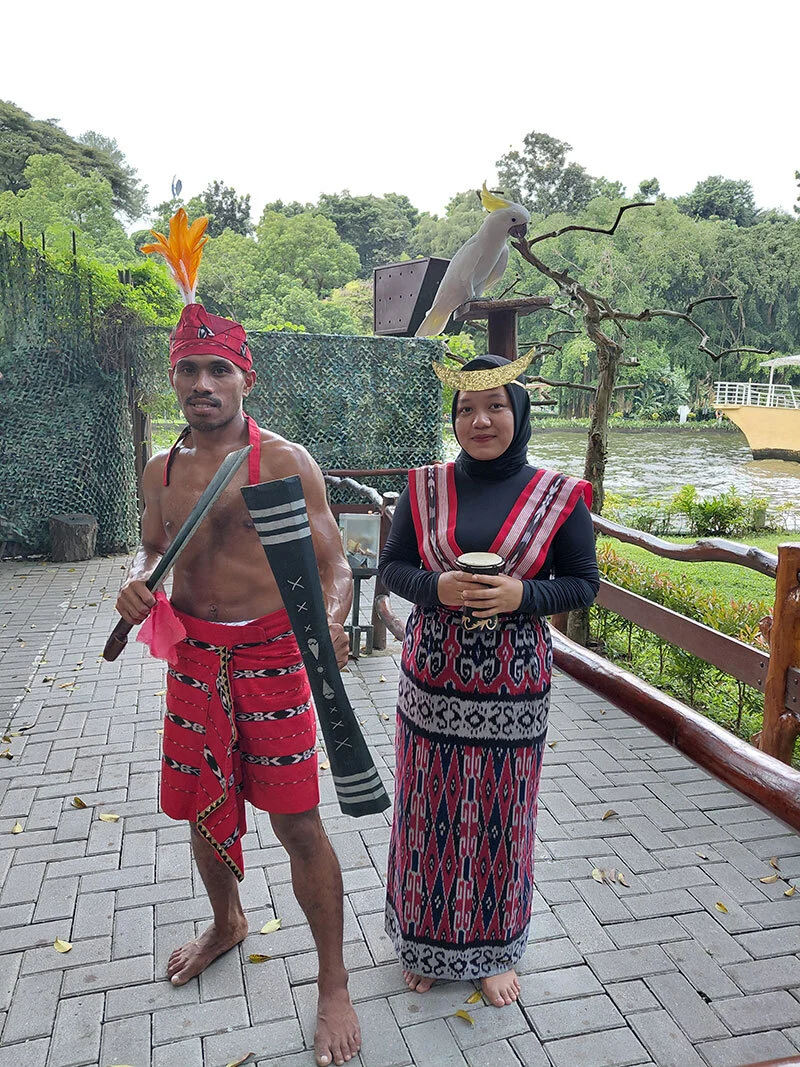
In the remote regions of North Seram, the salmon-crested cockatoo holds profound cultural and spiritual significance for the Huaulu indigenous tribe. Here, the bird is revered as a sacred species, deeply interwoven with their traditions and identity. Central to their cultural practices is the Cidaku ceremony, a rite of passage for young men between the ages of 12 and 17. This ritual demands that these youths prove their transition to adulthood by hunting the Moluccan cockatoo for its prized salmon-colored feathers. These feathers are an indispensable component of the puheliam, a traditional headdress worn during the ceremony.
The Cidaku ceremony is conducted with meticulous adherence to tradition, following the birth order of the males within a family. Crucially, the ceremony cannot be performed more than once per year for any given family, emphasizing its solemnity and the importance of each individual’s participation. The vibrant pink crest feather is not merely decorative; it is a vital symbol, imbued with deep meaning. It represents the existence of sacred life, embodying a sense of profound strength and courage, much like the cockatoo’s defiant stance when its crest is fully erect. Furthermore, the crest symbolizes an adult male’s commitment to defending his spiritual purity, upholding his self-respect, and maintaining vigilance against threats. The feather’s irreplaceable nature highlights the deep cultural dependence on the wild cockatoo population.
A Landmark Agreement: The Feather Collection Initiative
Recognizing the critical need to balance cultural traditions with species conservation, a groundbreaking initiative was launched in 2019. Perkumpulan Konservasi Kakatua Indonesia (KKI), a dedicated Indonesian non-governmental organization focused on cockatoo conservation, proposed a vital solution. KKI offered to supply molted salmon-crested cockatoo feathers from its Rehabilitation Center to the Huaulu indigenous community.

This proposal was met with significant agreement from the Huaulu community and other relevant stakeholders. In October 2019, a formal agreement was signed by the Head of Huaulu village, with the endorsement of several local officials. The accord also received acknowledgment and approval from the Indonesian Ministry of Forestry, marking a monumental step forward in the effort to protect wild Moluccan cockatoos. This agreement represented a paradigm shift, moving away from the direct hunting of wild birds towards a sustainable and culturally sensitive approach.
The agreement’s signing can be viewed as a critical turning point. Prior to this, the tradition, while culturally significant, was placing unsustainable pressure on wild populations. The KKI initiative provided a tangible and officially sanctioned alternative, demonstrating that cultural continuity and species preservation could, in fact, coexist. This collaborative effort underscored the potential for effective conservation when indigenous communities, scientific organizations, and governmental bodies work in tandem.
Challenges and Ongoing Efforts: Ensuring the Pact’s Success
Despite the historic agreement, the path to fully safeguarding the Moluccan cockatoo remains complex. Monitoring traditional Cidaku ceremonies to ensure that crest feathers from wild cockatoos are no longer utilized is an ongoing challenge, even seven years after the official pact was established. Not all parties involved have fully embraced or consistently adhered to the feather collection program, indicating the deep-seated nature of traditional practices and the potential for resistance to change.
However, KKI remains steadfast in its commitment to honoring the agreement. The organization continues to provide essential crest feathers from its rehabilitation facility, ensuring the Huaulu tribe can uphold their sacred traditions without jeopardizing the wild populations. Beyond the direct provision of feathers, KKI maintains intensive communication and engagement with the Huaulu tribe. This includes organizing workshops and educational sessions with the community, which have consistently seen high attendance and active participation from tribe members. These dialogues are crucial for fostering understanding, building trust, and reinforcing the shared goal of conservation.
A Vision for the Future: Empowering Communities and Sustainable Livelihoods
KKI’s long-term vision extends beyond the immediate feather collection agreement. The NGO is actively working to develop and implement additional conservation programs that involve the direct and active participation of the Huaulu community. A key initiative in this regard is the formation of a dedicated parrot patrol, aptly named the "Parrot Squad." This program aims to empower local individuals with the knowledge and resources to monitor wild populations, combat illegal poaching, and act as stewards of their natural heritage.
Furthermore, KKI is collaborating with the Huaulu tribe to explore and establish alternative income-generating opportunities. These include the development of ecotourism ventures, which can showcase the unique natural beauty and cultural richness of the region while providing economic benefits to the local population. By creating sustainable livelihoods that are intrinsically linked to the health of the Moluccan cockatoo and its habitat, KKI aims to foster a deeper understanding and appreciation among the community for the vital importance of preserving their native bird. The ultimate goal is to improve the conservation status of the Moluccan cockatoo, ensuring its survival for generations to come, and solidifying its place not only as a cultural icon but also as a thriving symbol of ecological resilience.

This month, Lafeber is proud to contribute to KKI’s vital conservation efforts, supporting their ongoing work to protect the magnificent salmon-crested cockatoo and foster a harmonious relationship between human culture and the natural world. The continued success of these endeavors hinges on sustained support, collaborative partnerships, and a shared commitment to the preservation of this extraordinary species.