
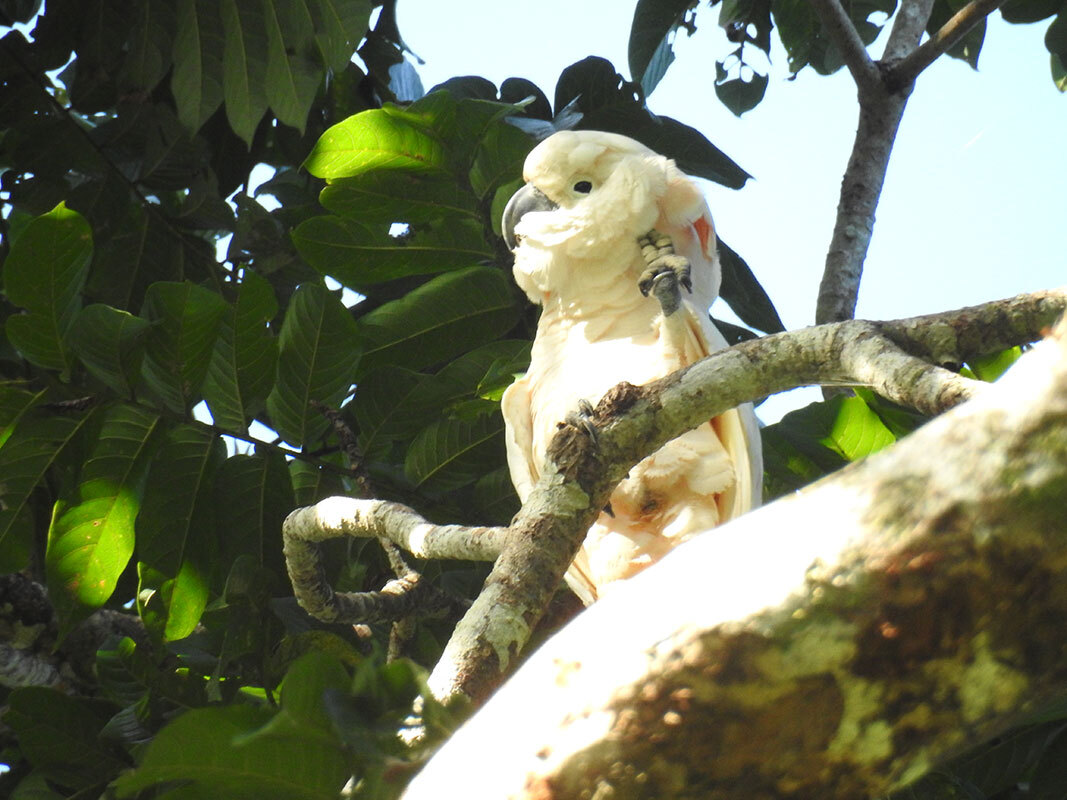
The salmon-crested cockatoo, scientifically known as Cacatua moluccensis, is a magnificent avian species endemic to the lush island of Seram, the largest and primary landmass within Indonesia’s Maluku province. Renowned for their striking peachy crest feathers and soulful dark eyes, these birds are also one of the most vocally powerful members of the parrot family, capable of emitting sounds reaching up to 135 decibels. Their existence, however, is precariously balanced, as they are critically endangered, a status underscored by their inclusion on Appendix I of CITES (Convention on International Trade in Endangered Species of Wild Fauna and Flora) since 1989, which strictly prohibits international trade of wild-caught specimens. Furthermore, the International Union for Conservation of Nature (IUCN) Red List classifies them as endangered, reflecting a dramatic decline in their wild populations. Once distributed across several satellite islands of Seram, including Haruku, Saparua, and Nusa Laut, these islands have unfortunately seen the complete disappearance of the species. The primary drivers behind this precipitous decline are twofold: the relentless pressure of illegal trapping for the exotic pet trade and the pervasive loss of their natural habitat due to deforestation and land development.
A Legacy of the Wild and the Challenges of Captivity
Moluccan cockatoos possess a remarkable longevity, with one documented case in a 2012 study identifying the oldest known parrot as a 92-year-old salmon-crested cockatoo. This impressive lifespan, however, presents significant challenges when these birds are kept in captivity. Their considerable vocalizations, need for extensive space, and demand for specialized enrichment and a highly nutritious diet can make them difficult to manage for many owners. This reality amplifies the urgency to ensure their survival and flourishing within their native Indonesian ecosystem, preserving their vibrant intelligence and majestic presence for generations to come.
Cultural Significance and a Sacred Ritual
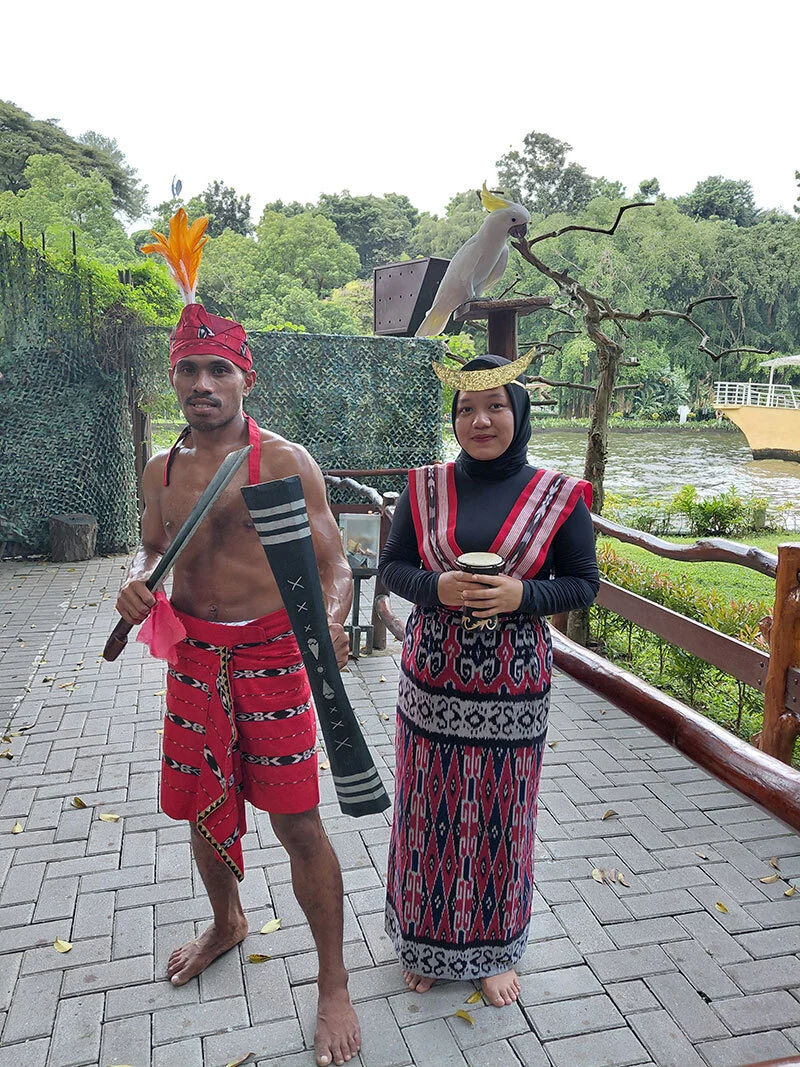
On the northern part of Seram Island, within the Maluku region, the salmon-crested cockatoo, locally known as lakam, holds profound cultural and spiritual significance for the Huaulu indigenous tribe. For young men of the Huaulu tribe, typically between the ages of 12 and 17, a crucial rite of passage into adulthood involves a traditional hunt for the Moluccan cockatoo. The prized salmon-colored feathers of these birds are meticulously collected to adorn a ceremonial headdress known as a puheliam, an integral part of a ritual ceremony called Cidaku.
The Cidaku ceremony is conducted with a precise, systematic approach, following the birth order of the young men within a family. A singular family cannot perform this ceremony more than once in a given year. The vibrant pink crest feather is not merely decorative; it is an indispensable component of the ceremony, incapable of being substituted. It symbolically represents the essence of sacred life, embodying a profound sense of strength and courage, akin to the resolute stance of a cockatoo when its crest is fully erect. Furthermore, the crest symbolizes an adult male’s commitment to defending his spiritual sanctity, self-respect, and unwavering alertness to any perceived threats.
Bridging Tradition and Conservation: The Feather Collection Agreement
Recognizing the critical conservation status of the Moluccan cockatoo and its deep cultural importance to the Huaulu tribe, a groundbreaking initiative was launched in 2019. Perkumpulan Konservasi Kakatua Indonesia (KKI), a dedicated Indonesian non-governmental organization focused on cockatoo conservation, proposed a novel solution: utilizing naturally molted feathers from salmon-crested cockatoos housed at their Rehabilitation Center. This proposal aimed to provide a sustainable source of feathers for the Cidaku ritual, thereby reducing the need to hunt wild birds.
The Huaulu indigenous community and relevant stakeholders embraced this innovative approach. In October 2019, a formal agreement was signed by the Head of Huaulu village, with the endorsement of several local officials and official recognition and approval from the Indonesian Ministry of Forestry. This landmark agreement represented a significant stride towards protecting wild Moluccan cockatoos by offering a viable alternative to traditional hunting practices.
Ongoing Challenges and Future Prospects
Despite the establishment of the feather collection agreement, the monitoring of traditional Cidaku ceremonies to ensure strict adherence to the non-hunting of wild cockatoos remains a complex undertaking. Even seven years after the official accord, not all parties involved universally support the feather collection program. Nevertheless, KKI remains steadfast in its commitment, diligently providing crest feathers sourced from its rehabilitation facility. The organization also prioritizes maintaining open and intensive communication channels with the Huaulu tribe, including conducting workshops and educational sessions that have consistently seen high attendance from community members.
Looking ahead, the KKI NGO harbors ambitious plans to develop additional conservation programs that actively engage the Huaulu community. A key initiative involves the formation of a dedicated "Parrot Squad," a community-based parrot patrol. Furthermore, KKI is collaborating with the tribe to explore and establish alternative income-generating opportunities, such as community-based ecotourism. The objective is to foster a deeper understanding within the community of the immense importance of preserving their native Moluccan cockatoo population and to actively contribute to the improvement of its conservation status.

The dedication of organizations like KKI, working in concert with indigenous communities, offers a beacon of hope for the survival of the magnificent salmon-crested cockatoo. Their efforts highlight the intricate interplay between cultural heritage and ecological preservation, demonstrating that innovative solutions can pave the way for a more sustainable future for endangered species. Lafeber Company’s commitment, through its monthly donations, directly supports these vital conservation efforts, underscoring a shared responsibility in safeguarding the future of this iconic Indonesian bird.
Supporting Data and Conservation Efforts
The plight of the Moluccan cockatoo is a stark reminder of the broader biodiversity crisis facing avian species worldwide. According to the IUCN Red List, over 40% of parrot species are currently threatened with extinction. Habitat loss, driven by agricultural expansion, logging, and urbanization, continues to be a primary threat across many regions. The illegal pet trade, fueled by demand for exotic birds, also exerts immense pressure, often leading to unsustainable harvesting from wild populations.
In the case of the Moluccan cockatoo, population estimates are scarce and often outdated, making precise monitoring challenging. However, observations by conservationists indicate a continuing downward trend in the wild. The species’ reliance on specific forest habitats within Seram, particularly old-growth forests, makes it vulnerable to even minor environmental disturbances.
The initiative by KKI to provide molted feathers is a creative solution that addresses both conservation needs and cultural practices. This approach avoids the ethical and ecological concerns associated with wild bird capture. The long-term success of such programs hinges on continued community engagement, robust monitoring mechanisms, and sustained financial support.
Broader Implications and the Path Forward
The case of the Moluccan cockatoo and the Huaulu tribe exemplifies the complex challenges and potential solutions in wildlife conservation, particularly where indigenous cultures and endangered species intersect. The agreement signifies a shift towards collaborative conservation models that respect traditional practices while prioritizing species survival.
The establishment of alternative income streams, such as ecotourism, not only provides economic benefits to local communities but also incentivizes them to become stewards of their natural environment. When local populations derive tangible benefits from the presence of wildlife, their motivation to protect it significantly increases.

The success of KKI’s efforts could serve as a model for other conservation initiatives involving indigenous communities and endangered species worldwide. It underscores the importance of understanding and integrating cultural values into conservation strategies, fostering a sense of shared responsibility and ownership.
The ongoing work of KKI, supported by organizations like Lafeber Company, represents a crucial investment in the future of the Moluccan cockatoo and the unique cultural heritage of the Huaulu people. Continued vigilance, adaptive management, and strong partnerships will be essential to ensure that this majestic bird can continue to grace the forests of Seram for generations to come. The ongoing dialogue and collaboration between conservationists and the Huaulu tribe are paramount in navigating the intricate path toward ensuring the long-term survival of this iconic species.