

The overwhelming consensus among environmental experts is that the restoration of rivers and other freshwater wetlands yields a multitude of critical benefits, ranging from enhanced biodiversity and improved water supplies to significant reductions in pollution and flood risk, alongside vital contributions to carbon storage, food security, and recreational opportunities. This definitive conclusion is underscored by a comprehensive new report, commissioned by the World Wildlife Fund (WWF), which has meticulously gathered evidence and case studies from over 30 countries across six continents. The report unequivocally demonstrates the profound environmental and fiscal importance of these ecosystems, while also outlining actionable pathways for their successful restoration.
In light of these compelling findings, a chorus of expert voices is now advocating for a substantial increase in funding dedicated to river and wetland restoration initiatives. They are urging governments and corporations worldwide to actively support the Freshwater Challenge, a global commitment aimed at accelerating these vital conservation efforts.
A Comprehensive Report Validates Restoration Efforts
The report, titled Societal Benefits of Large-Scale River and Wetland Restoration, serves as an essential resource for policymakers and business leaders. It presents irrefutable evidence that investing in the worldwide restoration of rivers and wetlands offers a powerful, natural solution to some of the most pressing challenges of our time. These include adapting to the escalating impacts of climate change and achieving sustainable development goals, all while fostering a broad spectrum of positive societal and economic outcomes.
Christine Colvin, Global Policy Lead at WWF, emphasized the direct impact of these investments: "Investment into restoration efforts provides greater access to clean water, more sustainable food systems, and greater climate resilience against natural disasters. As water becomes a scarcer resource in the face of increasing demand from agriculture and more erratic supplies in the teeth of the climate crisis, investment in restoration is urgently needed for our future water security."
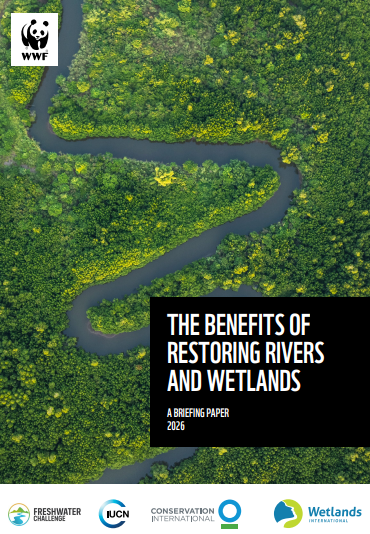
The report, which is complemented by a joint briefing paper developed in collaboration with Conservation International, the International Union for Conservation of Nature (IUCN), and Wetlands International, delves into a diverse array of restoration methodologies. These techniques encompass the re-establishment of natural water flow regimes, the diligent reduction of agricultural runoff and pollution from fertilizers, the strategic replanting of native trees, and the vital process of reconnecting rivers with their natural floodplains.
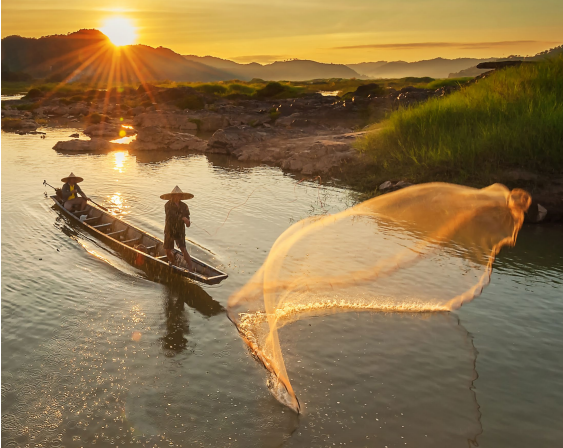
Coenraad Krijger, CEO of Wetlands International, articulated the central role of these freshwater ecosystems: "Restoring degraded rivers, lakes and other freshwater wetlands is central to tackling the greatest challenges of our era: water and food security, nature loss, climate change and sustainable development. This report shows that restoration works and that it benefits societies and economies. It’s time for governments and businesses to prioritise our freshwater life support systems and drastically increase investment to accelerate wetland action."
The Dire State of Global Wetlands: A Call to Action
The urgency for widespread restoration efforts is amplified by the alarming rate at which the world’s wetlands are deteriorating. Since 1970, a staggering one-third of the planet’s healthy wetlands have been lost, and freshwater wildlife populations have experienced an 85% decline – the most severe decline observed across any habitat type. These critical ecosystems are under siege from a confluence of factors, including the over-abstraction of water resources, the fragmentation of river systems by dams and other infrastructure projects, disruptive land-use changes, pervasive pollution, the proliferation of invasive aquatic species, unsustainable harvesting practices, and the overarching threat of the climate crisis.
This profound ecological degradation has not only led to the collapse of freshwater wildlife populations but has also generated substantial material risks to human well-being, economic development, and global water security.
Dave Tickner, Chief Advisor for Freshwater at WWF-UK, highlighted the intrinsic link between healthy wetlands and human prosperity: "Most of the world’s population lives near rivers or wetlands. And to benefit people, nature and economies those rivers and wetlands must be healthy. While we have seen a steady rise in global freshwater restoration, what is needed now is for governments and businesses to accelerate these efforts. The Freshwater Challenge provides a perfect opportunity for this, and this opportunity must be taken."
The Freshwater Challenge: A Global Commitment to Restoration
To confront this crisis and enable the restoration of these essential landscapes, experts are issuing a fervent call for a dramatic escalation in investment in river and wetland restoration. This includes a strong appeal for governments and corporations to actively endorse and support the Freshwater Challenge. This ambitious initiative, currently backed by 54 nations, aims to restore an impressive 300,000 kilometers of degraded rivers and 350 million hectares of degraded wetlands by the year 2030. The overarching goal of the Challenge is to substantiate, elevate, and accelerate targeted interventions for rivers, lakes, and other inland wetlands, ensuring these efforts are seamlessly integrated with national development plans and strategies.

Understanding the Multifaceted Benefits
The evidence presented in the report and its accompanying materials illuminates the diverse and interconnected benefits derived from robust river and wetland restoration programs. These benefits can be broadly categorized as follows:
Biodiversity Enhancement
Restored wetlands and rivers act as vital refuges and breeding grounds for a vast array of species. Reconnecting floodplains, for instance, allows for the natural inundation of terrestrial areas, creating new habitats and expanding the ecological niches available for amphibians, insects, fish, and birds. The re-establishment of natural water flows can reverse the fragmentation of aquatic ecosystems, enabling migratory species to complete their life cycles. The report likely cites specific case studies, such as the restoration of the Danube Delta or the Everglades, which have demonstrably led to significant increases in bird populations, fish stocks, and the recovery of endangered species.
Water Supply Augmentation and Quality Improvement
Healthy wetlands act as natural sponges, capturing and filtering water, thereby enhancing both the quantity and quality of freshwater available for human consumption and agriculture. Through natural filtration processes, wetlands remove pollutants such as excess nutrients, sediments, and heavy metals, significantly reducing the burden on water treatment facilities. Reconnecting rivers to their floodplains can also help to recharge groundwater aquifers, ensuring a more consistent water supply, particularly in regions susceptible to drought. Data from restored watersheds often show a measurable decrease in water treatment costs and an increase in the reliability of water sources.
Pollution Reduction
Wetlands are highly effective natural filters. The vegetation and microbial communities within wetlands can absorb and break down a wide range of pollutants, including nitrates and phosphates from agricultural runoff, as well as industrial contaminants. This natural remediation process is often more cost-effective and environmentally friendly than engineered solutions. For example, restoring wetlands adjacent to agricultural lands can significantly reduce the amount of nutrient pollution entering downstream water bodies, mitigating the risk of eutrophication and harmful algal blooms.
Flood Risk Reduction
By acting as natural buffers, wetlands and intact floodplains absorb excess water during periods of heavy rainfall or snowmelt. This capacity to store and slowly release water significantly reduces the intensity and impact of downstream flooding, protecting communities and infrastructure. Restored floodplains can mitigate the devastating economic and social consequences of floods, providing a cost-effective form of natural flood defense. Studies have shown that a well-functioning floodplain can reduce flood peaks by a considerable margin, saving millions in disaster relief and recovery.
Carbon Storage and Climate Change Mitigation
Freshwater wetlands, particularly peatlands, are among the most effective carbon sinks on the planet. They store vast quantities of organic carbon in their soils, accumulated over millennia. When wetlands are degraded or drained, this stored carbon can be released into the atmosphere as carbon dioxide and methane, contributing to greenhouse gas emissions. Restoring these ecosystems not only halts this release but also allows them to continue sequestering atmospheric carbon, playing a crucial role in climate change mitigation efforts. The global potential for carbon sequestration in restored wetlands is immense, offering a significant natural climate solution.
Food Security Enhancement
Healthy rivers and wetlands are intrinsically linked to food security. They support productive fisheries, provide essential water for irrigation, and can offer opportunities for sustainable aquaculture. Restoring degraded river systems can revitalize fish populations, providing a vital protein source for local communities and contributing to the livelihoods of those who depend on fishing. Furthermore, improved water availability and quality, facilitated by wetland restoration, can enhance agricultural productivity, ensuring more stable and resilient food systems in the face of climate change.
Recreational and Cultural Value
Beyond their ecological and economic benefits, rivers and wetlands hold immense recreational and cultural significance. They offer opportunities for activities such as fishing, boating, birdwatching, and hiking, contributing to public health and well-being. These landscapes also hold deep cultural and spiritual importance for many communities, and their restoration helps to preserve this heritage for future generations. The economic benefits derived from eco-tourism and recreational activities in and around restored freshwater ecosystems can be substantial.
The Path Forward: A Collective Responsibility
The evidence is clear and compelling: investing in the restoration of rivers and freshwater wetlands is not merely an environmental imperative; it is a strategic investment in human well-being, economic stability, and a sustainable future. The call for increased funding and global support for initiatives like the Freshwater Challenge represents a critical turning point. By prioritizing these vital ecosystems, governments, businesses, and individuals can collectively work towards a healthier planet and a more resilient future for all. The timeline for action is now, as the continued degradation of these essential life support systems poses an unacceptable risk to both nature and humanity. The report’s publication in March 2026 serves as a timely reminder of the urgent need to translate scientific evidence into tangible conservation action on a global scale.