
The Toucan Rescue Ranch (TRR), a pioneering wildlife rescue and rehabilitation center located in the highlands of Heredia, Costa Rica, has formalised a sophisticated Release Program that serves as a critical pillar of its conservation strategy. This initiative is designed to address the increasing pressures on Costa Rican biodiversity, ranging from habitat fragmentation and climate change to the persistent threat of the illegal pet trade. By focusing on the scientific rehabilitation and strategic reintegration of rescued fauna, the program aims to bolster wild populations and restore ecological balance in one of the world’s most biologically intense regions.
The Operational Framework of Wildlife Rehabilitation
The journey toward release begins the moment an animal enters the sanctuary’s gates. The Toucan Rescue Ranch employs a multi-disciplinary approach that integrates veterinary medicine, nutritional science, and ethology. Most arrivals are victims of circumstance—orphaned by deforestation, injured by power lines, or confiscated from domestic environments where they were kept illegally.
Upon intake, each animal undergoes a rigorous medical evaluation. The facility’s team of skilled veterinarians and wildlife care specialists addresses immediate physical traumas, such as bone fractures or respiratory infections, while simultaneously assessing the animal’s psychological state. For many species, particularly highly social birds like toucans and parrots, the emotional toll of captivity or injury can be as debilitating as physical wounds. Behavioral enrichment programs are therefore implemented early in the process to prevent stereotypic behaviors and ensure the animal maintains its wild identity.
Nutritional support is another cornerstone of the primary phase. Specialists design species-specific diets that mimic the caloric and nutrient profiles found in the wild. This ensures that animals not only recover their strength but also develop the physical conditioning required for the demanding life of a wild organism.
Pre-Release Protocols: The Path to Autonomy
The transition from a controlled sanctuary environment to the unpredictable wild is a high-stakes process. To maximize the probability of survival, TRR utilizes a rigorous preparation phase. This stage is essentially a "wildlife boot camp" where candidates must demonstrate proficiency in essential survival skills.
Key milestones in this phase include:
- Foraging and Hunting: Animals must prove they can identify, locate, and process natural food sources without human assistance.
- Physical Conditioning: For avian species, this involves flight conditioning in large aviaries to build pectoral muscle strength. For mammals like sloths or anteaters, it involves climbing and navigation exercises.
- Predator Recognition and Self-Defense: Instinctual fear of potential threats is vital. Staff ensure that animals maintain a healthy aversion to humans and are reactive to the presence of natural predators.
Each animal is monitored through a series of behavioral assessments. If an individual fails to meet these benchmarks, their time in the preparation phase is extended, or they are re-evaluated for permanent residency.
Classification: Release Candidates versus Permanent Residents
A defining characteristic of the Toucan Rescue Ranch’s professional methodology is the objective classification of its residents. Not every animal that enters the facility can, or should, be returned to the wild. The decision-making process is a collaborative effort involving TRR administration, veterinary staff, and MINAE (the Ministry of Environment and Energy), Costa Rica’s wildlife governing agency.
Characteristics of Strong Release Candidates
Strong candidates are typically those who have retained their natural instincts despite their injuries or time in care. Adult birds and mammals that arrive with their wild behaviors intact are often the most successful. A critical factor is the "human-aversion" metric; animals that have not become habituated to human presence are far more likely to avoid dangerous encounters in urbanized areas or with poachers.
Notably, the ranch’s breeding program for toucans provides a steady stream of high-quality release candidates. These offspring are raised with minimal human contact, ensuring they possess the raw instincts necessary for survival. By releasing these captive-bred but "wild-raised" individuals, the program directly contributes to the genetic diversity of local toucan populations.
The Role of Permanent Residents
Conversely, some animals arrive with permanent disabilities—such as a missing wing in an owl or neurological damage in a parrot—that preclude independent survival. Others have been so severely habituated by the illegal pet trade that they seek out human contact, a behavior that would inevitably lead to their recapture or death in the wild.
These individuals become "Permanent Residents." Far from being a secondary priority, these animals serve as "Conservation Ambassadors." They play an indispensable role in TRR’s educational outreach, providing a tangible face to the consequences of the illegal pet trade and habitat destruction. By hosting educational tours and school programs, these residents help foster a culture of conservation among locals and international visitors alike.
Strategic Site Selection and Collaborative Partnerships
The success of a release is often determined by the environment into which the animal is introduced. Selecting a release site is a complex logistical and ecological task. The Toucan Rescue Ranch collaborates with local conservationists, environmental experts, and academic institutions to identify habitats that offer sufficient resources and minimal anthropogenic threats.
Two primary partners in this endeavor are Earth University and the Tirimbina Biological Reserve. These locations offer protected expanses of primary and secondary forests, providing a secure "soft landing" for released animals. These partnerships ensure that the released wildlife enters an ecosystem capable of supporting them while also contributing to the ongoing research and reforestation efforts at these sites.
In addition to external partnerships, TRR operates its own dedicated Release Site. This facility consists of two significant land parcels—one of 25 acres and another of 16 acres. These 41 acres are managed specifically for the "soft release" process. Soft release allows animals to spend time in large, outdoor enclosures within their future habitat, acclimatizing to the local climate, sounds, and food sources before the doors are finally opened. The presence of an intern house on one of these properties allows for 24-hour monitoring during the critical transition period.
Monitoring, Data Collection, and Post-Release Analysis
Modern wildlife rehabilitation is increasingly data-driven. Once an animal is released, the work of the Toucan Rescue Ranch continues through post-release monitoring. This phase is vital for measuring the program’s overall efficacy and refining future protocols.
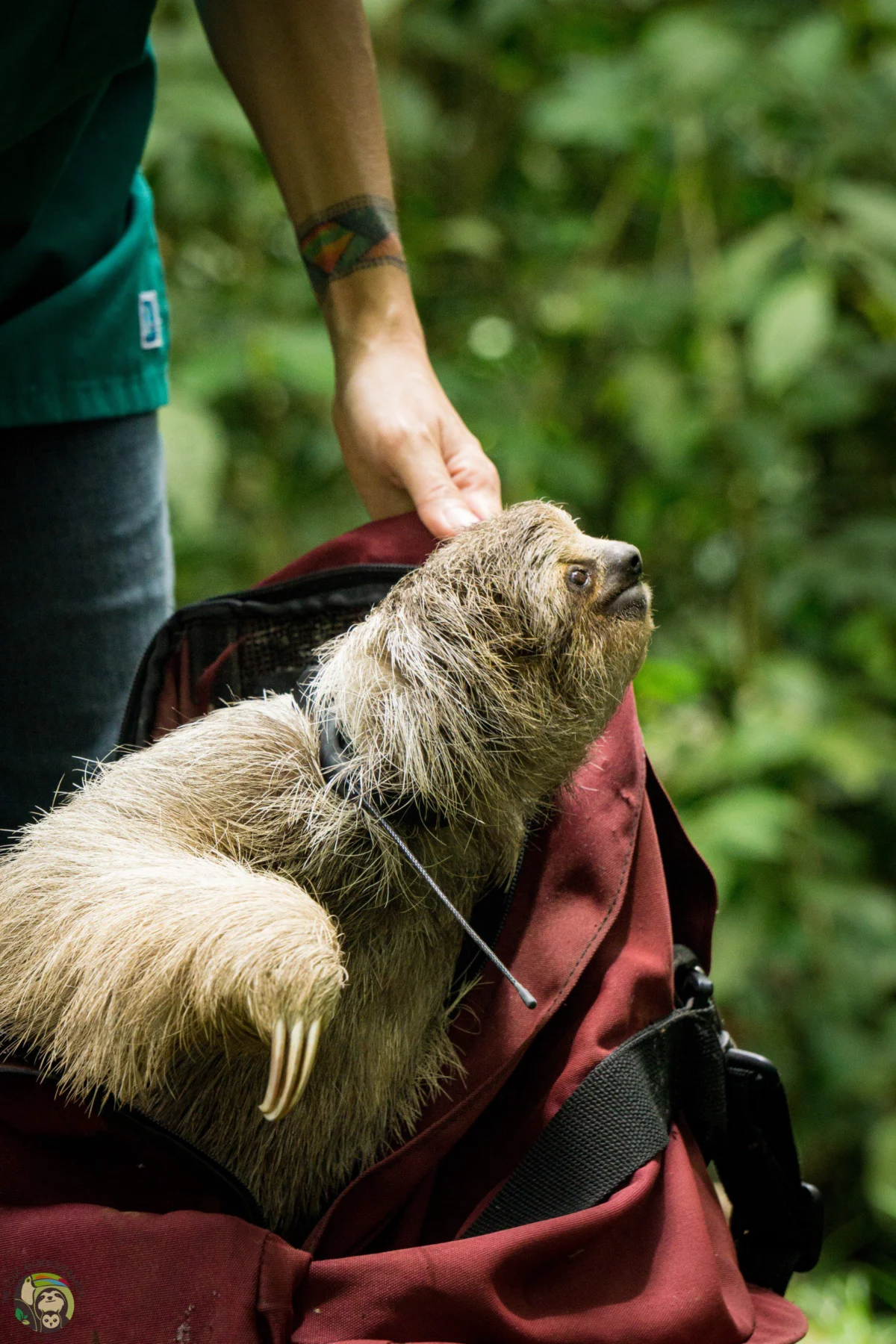
Monitoring techniques vary by species and available technology. Some animals are fitted with tracking devices or GPS collars, while others are monitored through traditional field observations and camera traps. This data provides insights into home-range establishment, social integration, and even reproductive success in the wild.
Should an animal show signs of distress or an inability to adapt during the initial weeks of release, the "soft release" infrastructure allows for a quick intervention. This safety net is a hallmark of a professional rehabilitation program, ensuring that the "second chance" offered to the animal is a realistic and humane one.
Broader Implications and Community Impact
The impact of the Toucan Rescue Ranch Release Program extends beyond the individual animals saved. From an ecological perspective, the return of apex predators and seed dispersers—such as owls and toucans—helps maintain the health of Costa Rican forests. These animals perform "ecosystem services" that are essential for forest regeneration and biodiversity.
From a social perspective, the program acts as a catalyst for community engagement. By involving local reserves and government agencies, TRR strengthens the national conservation network. The program also highlights the economic value of wildlife; as a top destination for eco-tourism, Costa Rica’s economy relies heavily on the presence of healthy, wild animal populations.
The ranch’s success stories serve as powerful narratives that inspire global support. Whether it is a sloth returning to the canopy or a macaw taking flight over a protected reserve, these moments validate the intensive labor and financial investment required for high-standard rehabilitation.
Conclusion and Institutional Call to Action
The Toucan Rescue Ranch Release Program represents a sophisticated fusion of passion and science. By maintaining rigorous standards for health, behavior, and site selection, the organization ensures that its mission—giving wildlife a second chance—is executed with the highest level of integrity.
However, the continuity of this work depends on external support. The costs associated with medical equipment, specialized diets, tracking technology, and land management are substantial. The organization encourages public involvement through donations, volunteerism, and advocacy. Supporting the Release Program is not merely an act of charity; it is an investment in the resilience of the planet’s natural heritage. Through collective effort, the goal of seeing more wildlife "back in the trees" remains a tangible reality for future generations.