
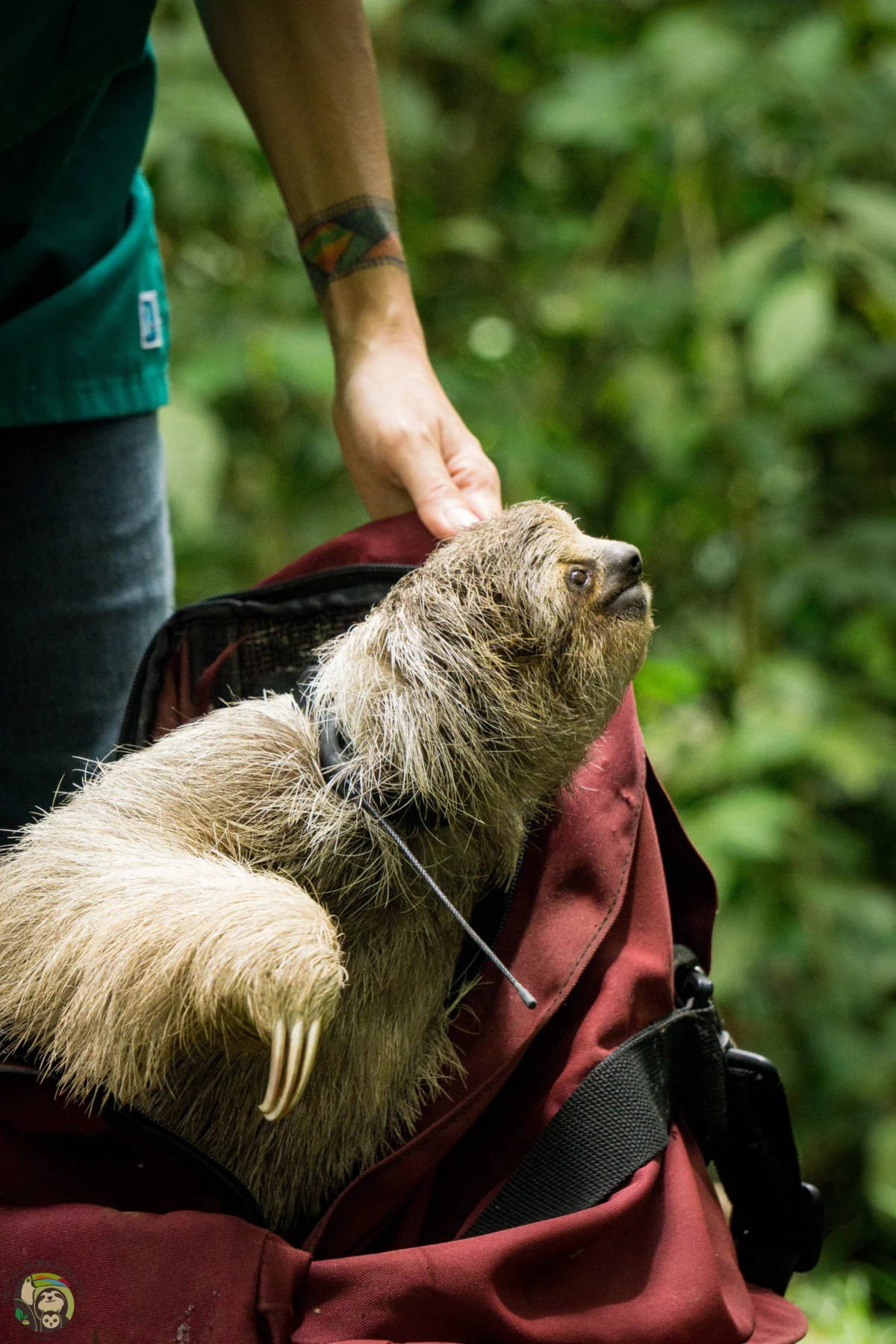
In the heart of Costa Rica’s lush tropical landscape, the Toucan Rescue Ranch (TRR) operates a sophisticated multi-stage Release Program designed to return displaced and injured wildlife to their ancestral forest canopies. Established as a cornerstone of the organization’s conservation strategy, the program addresses the complex challenges facing neotropical fauna, ranging from the impacts of habitat fragmentation to the devastating consequences of the illegal pet trade. By combining advanced veterinary medicine with ethological training, the program serves as a critical bridge between sanctuary care and autonomous survival in the wild.
The Multi-Stage Framework of Wildlife Rehabilitation
The journey toward reintegration begins the moment an animal enters the Toucan Rescue Ranch facilities. The intake process is rigorous, involving a comprehensive clinical assessment to identify physical trauma, zoonotic diseases, or nutritional deficiencies. Many of the animals arriving at the sanctuary—including emerald toucanets, sloths, and various owl species—are victims of electrocution on uninsulated power lines, vehicle strikes, or confiscations from domestic environments where they were kept illegally.
The rehabilitation phase is tailored to the individual needs of each species. Veterinary teams provide not only surgical intervention and pharmacological support but also a specialized nutritional regimen designed to mimic the diet available in the natural environment. This stage is critical for ensuring that the animal regains the physical strength necessary for the high-energy demands of life in the wild. Beyond physical healing, the program emphasizes emotional and psychological recovery. Animals that have experienced trauma often require behavioral enrichment to stimulate natural instincts that may have been suppressed during captivity.
Chronology of Reintegration: From Clinic to Canopy
The transition from a controlled environment to the unpredictable wild follows a structured timeline designed to maximize the probability of success.
- Stabilization and Clinical Recovery: The immediate focus is on health. Specialists address acute injuries and ensure the animal is free of pathogens that could be introduced into wild populations.
- Behavioral Assessment and "Wild School": Once physically fit, candidates enter a training phase. This includes "wild school," where they must demonstrate the ability to forage for seasonal fruits, hunt live prey (in the case of raptors), and identify predators.
- Pre-Release Candidate Evaluation: A collaborative review is conducted. The TRR administration, alongside staff veterinarians and officials from Costa Rica’s Ministry of Environment and Energy (MINAE), evaluates whether the animal meets the strict criteria for release.
- The Soft-Release Process: Selected candidates are moved to specialized enclosures at release sites. These "soft-release" pens allow animals to acclimate to the local climate, sounds, and scents of the forest while still receiving supplemental food.
- Final Reintegration and Monitoring: The enclosure doors are opened, allowing the animal to leave at its own pace. Post-release monitoring then begins, utilizing a mix of visual observation and technological tracking to ensure the animal is adapting.
Establishing the Criteria for Release Readiness
A fundamental aspect of the program is the distinction between release candidates and permanent residents. Not every animal that enters the sanctuary can be returned to the wild. The decision-making process is rooted in biological viability and ethical considerations.
A "strong candidate" is typically an animal that has retained its natural instincts. For adult birds and mammals, this means possessing the physical capability to fly, climb, or hunt without human assistance. Crucially, these animals must maintain a healthy fear of humans. Habituation—the loss of fear toward people—is often a death sentence in the wild, as it leads animals toward urban areas where they face risks from domestic dogs, traffic, and human conflict.
Conversely, "permanent residents" are those whose injuries are too severe for survival or who have become irreversibly desensitized to human presence. An owl with a permanent wing impairment, for instance, cannot hunt effectively enough to survive. These residents are transitioned into the Ranch’s educational programs. By serving as ambassadors, they help the public understand the ecological roles of their species and the human activities that threaten them.
Strategic Site Selection and Ecological Partnerships
The success of a release is heavily dependent on the environment into which the animal is introduced. Toucan Rescue Ranch employs a data-driven approach to site selection, collaborating with environmental experts to identify habitats that offer high biodiversity and low human encroachment.
A significant component of this strategy involves partnerships with established biological reserves. TRR works closely with Earth University and the Tirimbina Biological Reserve. These locations provide protected corridors that are essential for the long-term survival of released species. By releasing animals into these managed lands, TRR ensures that the individuals contribute to the genetic diversity of existing wild populations and help maintain the ecological balance, such as seed dispersal performed by toucans and other frugivores.
Furthermore, TRR has invested in its own infrastructure, managing two dedicated properties totaling 41 acres specifically for the soft-release program. These sites are managed as "living laboratories" where interns and specialists can monitor the transition of animals in a controlled but natural setting. The presence of an on-site intern house allows for 24-hour observation during the critical first weeks of a release.
Data-Driven Success and Post-Release Monitoring
To quantify the impact of the program, Toucan Rescue Ranch utilizes various monitoring techniques. Post-release data is essential for refining rehabilitation protocols. For certain high-priority species, such as sloths or large raptors, the use of radio telemetry or GPS tracking devices provides granular data on movement patterns, home range establishment, and survival rates.
Preliminary data from these monitoring efforts suggests that animals graduating from the "Wild School" curriculum have a significantly higher survival rate than those released without behavioral conditioning. For example, toucan offspring produced through the Ranch’s controlled breeding program—which are raised with minimal human contact—have shown remarkable success in integrating into wild flocks upon release.
Broader Implications for Costa Rican Biodiversity
The work of the Toucan Rescue Ranch has implications that extend far beyond the individual animals saved. Costa Rica, while comprising only 0.03% of the earth’s landmass, contains nearly 5% of the world’s biodiversity. The loss of even a single species can have a cascading effect on the ecosystem. By returning apex predators like owls and key seed dispersers like toucans to the wild, the Release Program helps sustain the health of the rainforest.
The program also serves as a critical deterrent to the illegal pet trade. By working with MINAE to process confiscated animals, TRR provides a professional alternative to the euthanasia of seized wildlife. This collaboration strengthens the rule of law regarding environmental protection in Costa Rica and sends a clear message that wildlife belongs in the trees, not in cages.
Community Engagement and Global Support
The sustainability of the Release Program relies heavily on a combination of volunteer labor, global donations, and community advocacy. Educational outreach is a primary tool for long-term conservation; by sharing the success stories of released animals, TRR fosters a sense of stewardship among local populations and international supporters.
Inferred statements from conservationists associated with the program highlight the necessity of this public-private synergy. "Conservation is not a solitary endeavor," noted one specialist. "It requires the alignment of government policy, scientific rigor, and community support. When we release a sloth or a toucan, we are not just releasing an animal; we are restoring a piece of the ecosystem that was nearly lost."
As the program continues to expand, the focus remains on innovation in wildlife medicine and the expansion of protected release corridors. Through the dedicated efforts of its veterinary staff, volunteers, and partners, the Toucan Rescue Ranch continues to redefine the standards of wildlife rehabilitation, ensuring that Costa Rica’s natural heritage remains vibrant and resilient for future generations. The ongoing success of the "Back in the Trees" initiative stands as a testament to the possibility of reconciliation between human development and the preservation of the natural world.