
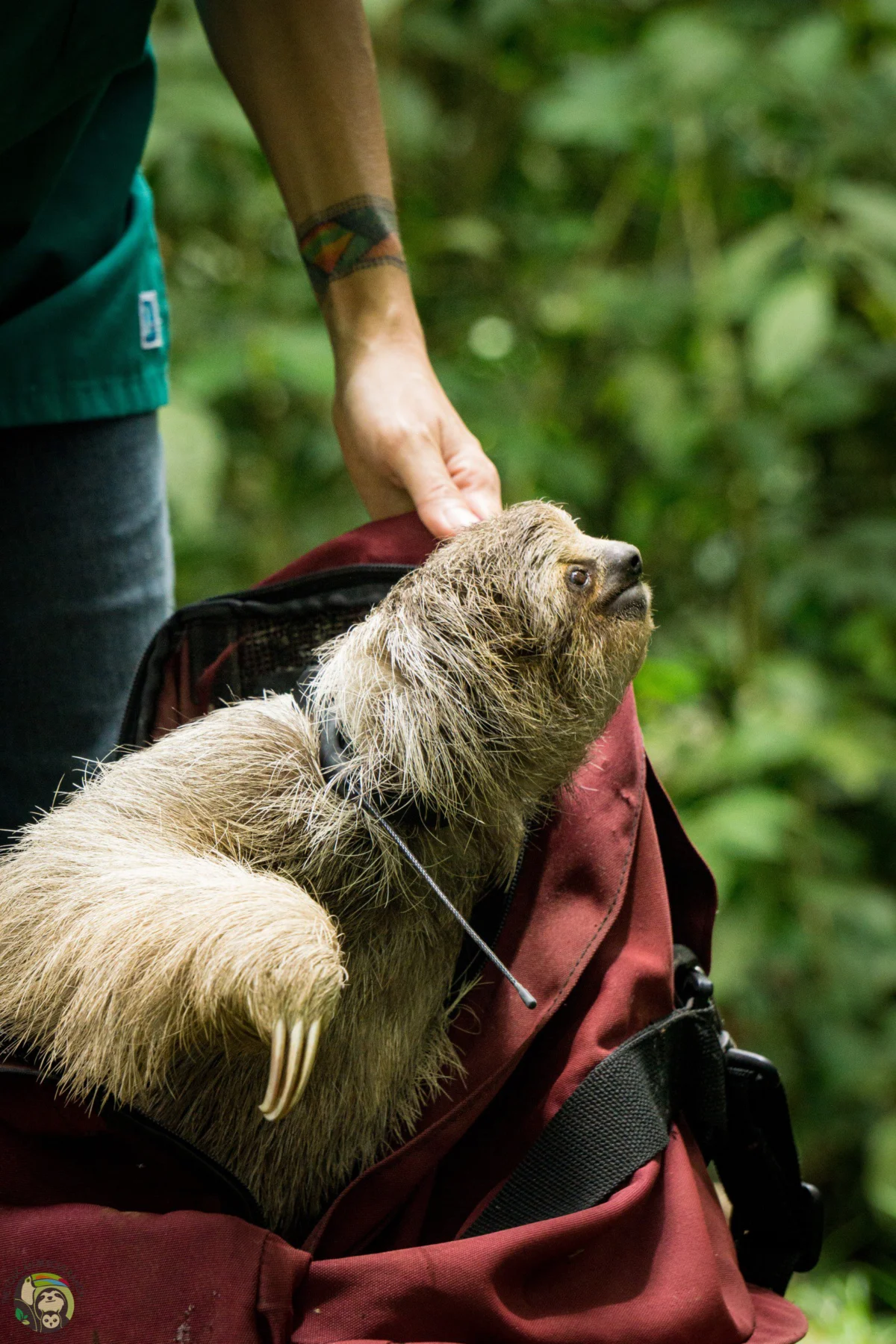
The mission of the Toucan Rescue Ranch, a prominent wildlife rescue and rehabilitation facility located in Costa Rica, centers on a sophisticated and multi-staged Release Program designed to return injured, orphaned, and confiscated animals to their ancestral forest homes. This initiative serves as the final, critical step in a journey that begins with emergency medical intervention and concludes with the successful reintegration of various species into the complex ecosystems of the Central American rainforest. By focusing on the restoration of natural behaviors and physical health, the program aims to bolster local wildlife populations and maintain the ecological balance of one of the world’s most biodiverse regions.
The Foundation of Rehabilitation: Medical and Behavioral Recovery
The journey for any animal entering the Toucan Rescue Ranch (TRR) begins with a rigorous intake process. Many of the patients arriving at the sanctuary are victims of the illegal pet trade, electrocutions on uninsulated power lines, vehicle strikes, or habitat loss. The Release Program is not a one-size-fits-all model; rather, it is a bespoke protocol tailored to the specific biological and psychological requirements of each species, ranging from the iconic Keel-billed Toucan to the elusive Hoffman’s two-toed sloth.
A team of specialized veterinarians and wildlife biologists provides immediate medical attention, which may include surgery, wound care, and long-term physical therapy. However, physical healing is only the first hurdle. The behavioral enrichment phase is equally vital. Animals that have spent time in captivity or have been orphaned at a young age often lack the fundamental skills required for survival. The TRR staff implements "rewilding" techniques that minimize human contact to prevent habituation. This includes specialized feeding schedules that mimic natural foraging patterns and the use of enrichment tools that encourage the development of muscles and instincts necessary for life in the canopy.
A Critical Distinction: Release Candidates Versus Permanent Residents
One of the most challenging aspects of wildlife management is determining which animals possess the capacity to survive independently. The Toucan Rescue Ranch employs a strict classification system to ensure that no animal is set up for failure upon release.
Characteristics of Strong Release Candidates
Release candidates are typically those that have retained their natural instincts or have successfully learned them during the rehabilitation process. For adult animals, this means they must demonstrate a full recovery from physical injuries, such as the ability to fly with precision, climb efficiently, or hunt effectively. For juveniles, particularly those born within the Ranch’s controlled breeding programs for endangered species, the criteria include the mastery of foraging and a healthy, innate fear of humans.
A "healthy fear of humans" is a non-negotiable requirement. Animals that view humans as a source of food or comfort are at a significantly higher risk of being recaptured for the pet trade or entering urban areas where they face threats from domestic dogs and traffic. The Ranch works closely with the Ministerio de Ambiente y Energía (MINAE), Costa Rica’s environmental ministry, to vet every potential release candidate. This collaborative oversight ensures that each release adheres to national conservation strategies and ethical standards.
The Role of Permanent Residents
Not every animal can be returned to the wild. Individuals with permanent disabilities—such as an owl missing a wing or a parrot that has been "imprinted" by humans after years in the illegal pet trade—are classified as permanent residents. Releasing these animals would be inhumane, as they would likely succumb to starvation or predation.
Instead, these residents serve a secondary but vital mission: conservation education. By acting as "ambassadors" for their species, they help the Ranch educate the public about the dangers of the pet trade and the importance of habitat preservation. These animals live out their lives in large, enriched enclosures that provide a high quality of life while contributing to the broader goal of wildlife advocacy.
The Strategic Importance of Site Selection and Partnerships
The success of a release is heavily dependent on the environment into which the animal is introduced. Releasing an animal into a degraded habitat or an area with insufficient resources can negate months of rehabilitation work. To mitigate this, the Toucan Rescue Ranch has established strategic partnerships with major conservation entities and academic institutions.
Collaborations with organizations such as Earth University and the Tirimbina Biological Reserve provide access to protected primary and secondary forests. These sites offer a wealth of natural resources, including a steady supply of native fruits, nesting sites, and a lower density of human interference. These partnerships are not merely logistical; they are scientific. Researchers at these institutions often assist in monitoring the local flora and fauna to ensure that the ecosystem can support the introduction of new individuals without causing negative pressure on existing populations.
Infrastructure of the Release Site: The Soft Release Method
The Toucan Rescue Ranch has invested significantly in its own dedicated release infrastructure. The organization operates two primary release properties, spanning 25 acres and 16 acres respectively. These sites are designed to facilitate what biologists call a "soft release."
Unlike a "hard release," where an animal is simply let go into the wild, a soft release involves a transitional period. Animals are moved from the main headquarters to large "pre-release" enclosures located directly within the forest they will eventually inhabit. This allows them to acclimate to the local climate, sounds, and scents while still receiving supplemental food. Over time, the supplemental feeding is reduced, and eventually, the enclosure doors are left open, allowing the animal to leave at its own pace. This method has been shown to significantly increase survival rates, as it reduces the initial stress of relocation.
The presence of an on-site intern house at these properties ensures that the animals are under constant but distant observation during this delicate transition phase. This allows the staff to intervene if an animal shows signs of distress or an inability to adapt before the final release is completed.
Monitoring and the Science of Post-Release Success
The work of the Toucan Rescue Ranch does not end when an animal disappears into the forest. Post-release monitoring is an essential component of the program’s scientific integrity. Understanding the long-term outcomes of released animals provides data that can be used to refine future rehabilitation protocols.
Monitoring techniques vary depending on the species and the available technology. In some cases, animals are fitted with radio-telemetry collars or GPS trackers that allow researchers to map their movements and territory establishment. In other instances, "camera traps" are strategically placed around the release site to capture footage of the animals as they forage and interact with others of their species. This data is invaluable for assessing whether the animals are successfully integrating into the wild population and, in some cases, even reproducing—the ultimate marker of a successful reintroduction.
Broader Impact: Biodiversity and Community Engagement
The implications of the Toucan Rescue Ranch Release Program extend far beyond the survival of individual animals. Costa Rica, despite its small landmass, holds approximately 5% to 6% of the world’s biodiversity. The loss of "keystone species"—animals that play a critical role in their ecosystem, such as seed-dispersing birds like toucans—can lead to a decline in forest health. By returning these animals to the wild, the Ranch helps ensure the natural regeneration of the rainforest.
Furthermore, the program serves as a catalyst for community engagement. The success stories shared by the Ranch inspire local and international support, fostering a culture of conservation. The organization’s "Born to be Wild" and "Back in the Trees" initiatives have gained international recognition, highlighting the importance of professional wildlife management in the face of global environmental challenges.
The program also addresses the economic and social drivers of wildlife loss. By working with local communities and providing volunteer and internship opportunities, the Ranch helps create a value system where living wildlife is seen as more beneficial to the country—particularly through eco-tourism—than animals sold into the illegal trade.
Analysis of Implications for Future Conservation
As climate change and urbanization continue to shrink natural habitats across Central America, the role of facilities like the Toucan Rescue Ranch becomes increasingly vital. The Release Program provides a blueprint for how science-based rehabilitation can mitigate some of the human-induced pressures on wildlife.
However, the program also highlights the ongoing need for stronger legal protections and habitat corridors. While rehabilitation can save individual lives, the long-term survival of these species depends on the existence of large, contiguous tracts of forest. The collaboration between the Ranch, MINAE, and private reserves represents a holistic approach to conservation that combines emergency response with long-term land management.
For the Toucan Rescue Ranch, the goal remains clear: to provide every rescued animal with the best possible chance to return to the wild, thereby preserving the natural heritage of Costa Rica for future generations. Through a combination of veterinary excellence, behavioral science, and strategic partnerships, the Release Program continues to transform the lives of thousands of animals, one successful release at a time.