
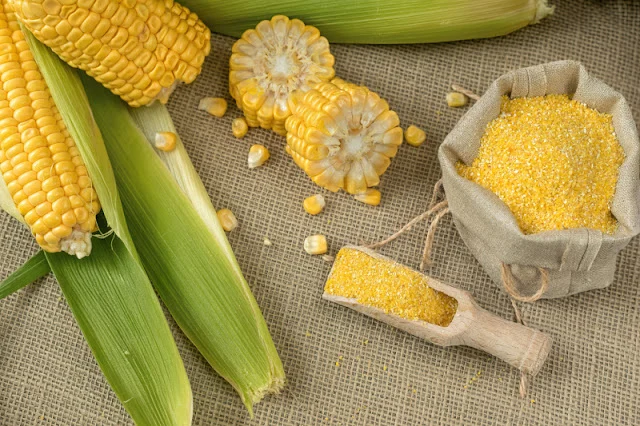
The practice of feeding corn to poultry has long been a staple of traditional agriculture, yet in the modern era of backyard homesteading, it has emerged as a subject of significant debate among avian nutritionists and hobbyist farmers. While corn is undeniably one of the most common components of commercial poultry feed globally, its role as a supplemental treat requires a nuanced understanding of avian physiology, seasonal metabolic changes, and nutritional balance. To maximize the health and productivity of a flock, keepers must distinguish between the various forms of corn and the specific environmental conditions under which they are administered.
The Physiology of Digestion and Thermogenesis
At the center of the controversy regarding corn is the biological process of thermogenesis. When a chicken consumes food, its body generates heat as it breaks down complex molecules into energy. This process is particularly pronounced with dense, carbohydrate-heavy grains like dried whole or cracked corn. The energy required to process these grains in the bird’s gizzard and digestive tract results in an internal "metabolic fire" that can slightly elevate the bird’s core body temperature.

In the context of winter management, this internal heat production is a vital tool for survival. As temperatures drop, chickens require higher caloric intake to maintain their body heat, especially during the overnight hours when they are inactive on the roost. Feeding a handful of dried corn or "scratch grains"—which are typically composed largely of corn—in the late afternoon provides the bird with a slow-burning energy source that fuels heat production throughout the night.
Conversely, during periods of extreme summer heat, this same metabolic process can become a liability. When ambient temperatures exceed the bird’s ability to cool itself through panting and wing-venting, the additional heat generated by digesting heavy grains can contribute to heat stress or even fatal heatstroke. Consequently, the seasonal timing of corn distribution is not merely a matter of preference but a critical component of flock welfare.
A Seasonal Chronology of Corn Distribution
The management of a backyard flock follows a cyclical pattern, and the administration of corn should be adjusted to align with the changing needs of the birds throughout the year.

Winter: The High-Energy Requirement Phase
During the late autumn and winter months, the primary goal of the poultry keeper is to provide enough energy to offset the calories lost to thermoregulation. Dried corn, whether cracked or whole, serves as a high-carbohydrate fuel. It is during this period that "scratch" becomes a primary supplemental tool. Experts recommend scattering dried corn in the bedding to encourage natural scratching behavior, which provides both exercise and mental stimulation during the shorter, colder days.
Spring: Transition and Laying Prep
As the weather warms and hens begin their peak laying season, the focus shifts from heat production to nutrient density. While corn remains a safe treat, it is often scaled back to ensure that the birds are consuming adequate amounts of balanced layer pellets, which contain the calcium and protein necessary for egg production.
Summer: The Hydration and Cooling Phase
During the summer months, the form of corn offered should change. Fresh corn, harvested directly from the cob, has a significantly higher moisture content than its dried counterpart. This moisture assists in hydration. Furthermore, providing frozen corn kernels can serve as a cooling mechanism, helping to lower the bird’s internal temperature during heatwaves. During this season, keepers are advised to avoid feeding heavy amounts of dried cracked corn, particularly during the hottest parts of the day.

Autumn: Molting and Energy Recovery
In the fall, many chickens undergo a molt, losing their old feathers and growing new ones. This process is incredibly protein-intensive. While corn provides the energy needed to fuel the body during this stressful time, it must be balanced with high-protein supplements to ensure healthy feather regrowth.
Nutritional Profile and Avian Health Benefits
While corn is often criticized as being "empty calories," a scientific analysis of the grain reveals a complex array of beneficial compounds. When fed in moderation as part of a diverse diet, corn contributes several essential vitamins and minerals to a chicken’s intake.
- Antioxidants and Carotenoids: Corn is rich in xanthophylls, the pigments that contribute to the deep yellow or orange color of egg yolks. It also contains lutein and zeaxanthin, which support avian eye health.
- Vitamins: Corn provides Vitamin B6, which is essential for metabolism and brain development, and Vitamin C, which supports the immune system. It also contains folate, which is necessary for DNA synthesis and tissue growth.
- Minerals: The grain is a source of magnesium, phosphorus, and potassium—minerals that play roles in bone health, heart function, and fluid balance.
- Fiber and Carbohydrates: As a complex carbohydrate, corn provides sustained energy. Its fiber content aids in digestive regularity, provided it is balanced with adequate grit to facilitate breakdown in the gizzard.
- Vitamin K (Corn Silks): Often overlooked, the silks of the corn plant are highly nutritious. They contain Vitamin K, which is essential for proper blood clotting and bone metabolism.
The Risks of Over-Supplementation: Obesity and Imbalance
Despite its benefits, corn must be treated as a supplement rather than a primary food source. Most commercial poultry feeds are formulated to contain between 16% and 18% protein, along with a precise balance of amino acids, vitamins, and minerals. Corn, by comparison, typically contains only 7% to 9% protein.

If a flock consumes too much corn, they may suffer from "dilution of nutrients." Because chickens eat to satisfy their energy requirements, they may fill up on high-calorie corn and fail to consume enough of their balanced feed. This can lead to several health issues:
- Fatty Liver Hemorrhagic Syndrome (FLHS): This is a common metabolic condition in backyard poultry, characterized by the excessive accumulation of fat in the liver. This makes the liver friable and prone to rupture, leading to sudden death.
- Reduced Egg Production: Obesity in hens leads to fat deposits around the reproductive tract, which can cause "blowouts" (prolapse) or a complete cessation of laying.
- Weight Management in Heavy Breeds: Certain breeds, particularly heavier meat-type birds or specific duck breeds, are genetically predisposed to rapid weight gain. For these birds, corn intake must be strictly monitored to prevent skeletal issues and heart failure.
Veterinary experts generally recommend the "10% Rule": treats and supplements, including corn, should make up no more than 10% of a bird’s total daily caloric intake.
Utilizing the Whole Plant: Husks, Silks, and Cobs
From a sustainability perspective, corn offers more than just the kernel. Backyard keepers can utilize the entire corn ear to provide enrichment and nutrition.

- Corn Cobs: After the kernels have been removed for human consumption, the remaining cobs can be tossed into the chicken run. Chickens and ducks will peck at the remaining bits of pith and kernel, which provides hours of entertainment and reduces boredom-related behaviors like feather picking.
- Husks and Silks: The green husks and fine silks are entirely edible. The silks, in particular, are known for their anti-inflammatory properties and their role in supporting kidney health in various species. Ducks are especially fond of corn silks, often sifting them through their bills to extract moisture and nutrients.
Expert Perspectives and Industry Standards
The commercial poultry industry has long relied on corn as a primary energy source due to its high yield and digestibility. However, industry experts emphasize that the corn used in commercial rations is ground and mixed with soybean meal, synthetic amino acids (like methionine), and mineral premixes to create a "complete" diet.
In the backyard setting, the shift toward "natural" or "old-timer" methods has seen a resurgence in feeding whole grains. Dr. Harvey B. Smith, an avian specialist, notes, "The danger isn’t the corn itself; it’s the lack of proportion. A bird that free-ranges and has access to high-quality forage can handle more supplemental corn than a bird confined to a small run with limited activity."
Homesteading experts, such as Lisa Steele, advocate for a seasonal approach that mirrors the natural foraging habits of birds. By providing fresh corn in the summer and dried, energy-dense corn in the winter, keepers can work with the bird’s natural biology rather than against it.

Broader Impact and Implications for Poultry Welfare
The discussion surrounding corn reflects a broader trend in animal husbandry toward proactive, nutritionally-based healthcare. By understanding the thermogenic properties of feed, poultry keepers can better manage their flocks through the increasing volatility of global weather patterns.
Proper nutritional management has a direct impact on the longevity of the flock and the quality of the food they produce. Eggs from hens that enjoy a diverse diet including carotenoid-rich corn often possess superior nutritional profiles and more vibrant yolk colors, which are highly valued by consumers.
In conclusion, corn is neither a "superfood" nor a "filler" to be avoided; rather, it is a versatile tool in the poultry keeper’s arsenal. When used strategically—fresh and hydrating in the summer, dried and warming in the winter, and always in moderation—corn supports the physiological needs of chickens and ducks throughout the year. The key to successful integration lies in the keeper’s ability to observe environmental cues and adjust the flock’s diet to maintain a harmonious balance between energy intake and nutritional necessity.