
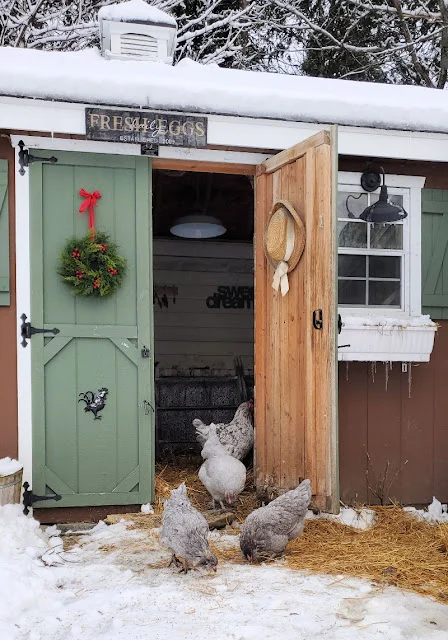
As the agricultural sector prepares for the onset of sub-zero temperatures across the northern hemisphere, poultry experts and backyard farmers are shifting their management strategies to address the unique physiological demands of winter weather. While chickens are biologically predisposed to handle cold temperatures more effectively than extreme heat, the transition requires a sophisticated approach to housing, nutrition, and behavioral management. Veterinary data indicates that most heritage chicken breeds possess a natural body temperature ranging between 105°F and 107°F, a metabolic reality that necessitates specific environmental supports when ambient temperatures drop below freezing. Professional poultry management during the winter months is not merely a matter of comfort but a critical requirement for preventing respiratory disease, frostbite, and significant drops in egg production.
The Physiology of Avian Cold Tolerance
To understand the necessity of winter preparation, it is essential to examine how chickens regulate their internal temperature. Unlike mammals, birds utilize a complex system of "counter-current heat exchange" in their legs and a dense layer of downy feathers that trap air against the skin. When a chicken fluffs its feathers, it is essentially creating a biological layer of insulation. However, this system remains effective only if the bird remains dry. Moisture is the primary enemy of the winter flock; damp feathers lose their insulating properties, leading to rapid heat loss and potential hypothermia.

Furthermore, the metabolic rate of a hen increases significantly during the winter. To maintain a core temperature of 106°F when the outside air is 10°F, a bird must consume significantly more calories. This physiological demand dictates a shift in nutritional strategy, moving from the high-protein requirements of the summer molting season to a high-carbohydrate, energy-dense diet in the winter.
Structural Requirements: Ventilation Versus Drafts
One of the most common errors in winter chicken care is the total sealing of the coop. Professional agriculturalists emphasize the "Draft-Free Paradox": while a coop must protect birds from direct wind, it must also maintain high-level ventilation. Chickens exhale a significant amount of moisture and produce ammonia through their droppings. In a sealed environment, this moisture rises, condenses on the ceiling, and drips back onto the birds or crystallizes on their combs, leading to frostbite.
The ideal winter coop structure utilizes "passive ventilation" located near the roofline, well above the level where the birds roost. This allows moist, ammonia-laden air to escape while keeping the roosting area calm and still. Structural audits should be conducted in late autumn to identify and seal "pop-holes" or cracks at the floor level that could create chilling drafts.

The Deep Litter Method: Biological Heating Systems
A traditional and highly effective method for supplemental warmth is the "Deep Litter Method." This technique involves starting with a base layer of 4 to 6 inches of organic bedding, such as pine shavings, and adding fresh layers throughout the winter rather than cleaning the coop out entirely. As the manure and bedding mix, they begin to compost in situ.
This aerobic decomposition process releases a small but consistent amount of heat, which can keep the coop several degrees warmer than the exterior environment. Additionally, the process fosters beneficial microbes that can help suppress pathogens. However, this method requires diligent management; the litter must be turned occasionally to prevent crusting, and moisture levels must be monitored to ensure it remains a dry composting process rather than a damp, moldy one.
Nutritional Strategy and Metabolic Thermoregulation
As daylight hours diminish and temperatures fall, the caloric "burn rate" of a flock increases by an estimated 15% to 25%. Expert caregivers recommend a strategic feeding schedule to assist in thermoregulation. Providing a "midnight snack" or a late-afternoon feeding of cracked corn or whole grains is a proven tactic. Because grains are complex carbohydrates, the bird’s gizzard and digestive system must work harder to break them down. This internal "metabolic fire" generates heat from the inside out, helping the bird maintain its body temperature through the coldest hours of the night.

Hydration remains the most overlooked aspect of winter poultry care. A chicken cannot digest food effectively without water, and dehydration is a leading cause of winter mortality. The transition from standard waterers to heated bases or thermal nipples is a critical infrastructure upgrade. Farmers must ensure that water is not only available but is kept at a temperature that encourages consumption, as birds are often reluctant to drink near-freezing water.
Managing Egg Production and Supplemental Lighting
The decline in egg production during winter is primarily a response to light duration rather than temperature. Hens require approximately 14 to 16 hours of light to stimulate the pituitary gland, which in turn triggers the ovaries to release an egg. In mid-winter, many regions receive fewer than nine hours of natural light.
The decision to provide supplemental lighting is a point of debate among poultry professionals. While artificial light can maintain production levels, some veterinarians argue that the winter "break" is a natural physiological necessity that allows the hen to recover her calcium stores and protein levels after a year of production. If supplemental lighting is used, it should be managed via timers to mimic a natural sunrise, avoiding a sudden "lights out" scenario that could leave birds stranded on the floor and unable to find their roosts in the dark.

Behavioral Health and Environmental Enrichment
"Coop fever" is a documented phenomenon where confined birds develop behavioral vices such as feather picking, bullying, and egg-eating due to boredom and lack of space. Winter management must include strategies for environmental enrichment.
- Sunlight Access: Providing a cleared, snow-free area in a sunny part of the yard encourages birds to leave the coop. Chickens are notoriously "snow-blind" and hesitant to walk on white surfaces; spreading straw or wood chips over the snow can encourage them to venture outside for Vitamin D exposure.
- Peck Toys: Hanging cabbages, "flock blocks," or suet cages filled with greens provides hours of activity.
- Dust Baths: Since the ground is often frozen or covered in snow, providing an indoor dust bath (a container filled with dry dirt, sand, and wood ash) is essential for parasite control and stress reduction.
Chronology of Winter Preparation
Expert poultry management follows a strict seasonal timeline to ensure flock resilience:
- Late September to October: Conduct structural repairs. Inspect roofs for leaks and ensure the "Deep Litter" base is established. Perform health checks as birds finish their annual molt; new feathers must be fully grown in before the first hard freeze.
- November: Transition to winter feeding protocols. Install heated water systems and verify that all electrical components are fire-safe and out of reach of the birds.
- December to February: Daily monitoring of combs and wattles for signs of frostbite (blackening of the tips). Application of petroleum jelly to large combs can provide a moisture barrier in extreme cases.
- March: Begin the "Spring Clean" as temperatures stabilize. Remove the deep litter to use as garden compost and inspect the flock for any signs of respiratory stress from the winter confinement.
Broader Implications for the Poultry Industry
The rise in backyard chicken keeping over the last decade has transformed winter care from a niche farming concern into a mainstream residential management issue. Economic data suggests that the "homesteading" trend has increased the demand for winter-hardy breeds such as Orpingtons, Rhode Island Reds, and Wyandottes, which possess smaller combs and denser feathering.

Furthermore, proper winter management is a cornerstone of national biosecurity. Stressed birds have compromised immune systems, making them more susceptible to Highly Pathogenic Avian Influenza (HPAI), which often sees spikes during migratory seasons that overlap with winter. By maintaining a dry, low-stress environment, backyard keepers contribute to the overall stability of the poultry sector.
In conclusion, the successful overwintering of a poultry flock is a multifaceted discipline that combines structural engineering, nutritional science, and behavioral observation. By prioritizing ventilation over insulation and metabolic heat over external heating lamps—which pose a significant fire risk—owners can ensure their flocks emerge in the spring healthy, productive, and ready for the new laying season. Professional guidance suggests that while the winter months are challenging, the inherent hardiness of the chicken, supported by informed management, makes it one of the most resilient animals in the domestic agricultural landscape.