
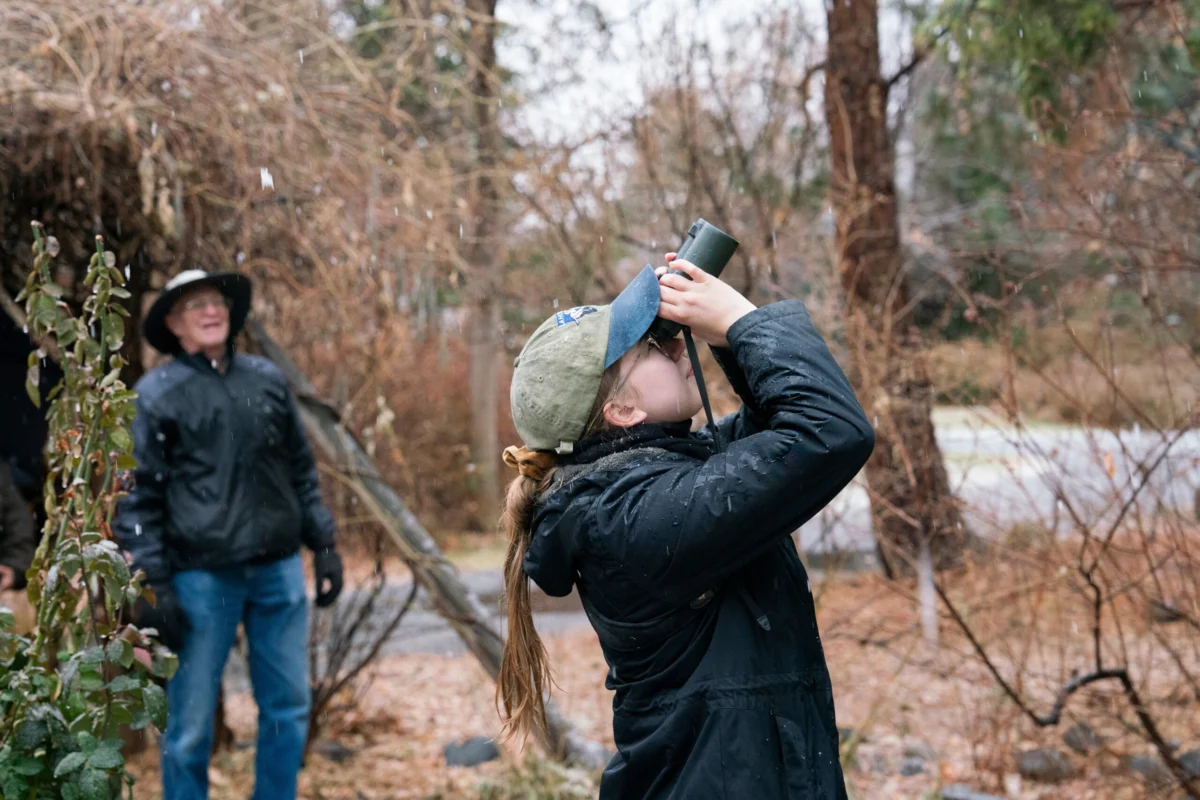
Across the vast expanse of the United States, a common adage resonates with a particular truth: "If you don’t like our weather, just wait five minutes." This sentiment, widely embraced, speaks less to a specific regional anomaly and more to the inherent capriciousness of atmospheric conditions. For the dedicated birder, these daily fluctuations in temperature, wind, and precipitation are not merely conversational fodder; they represent the critical difference between an unforgettable avian spectacle and a quiet, uneventful outing. While the science of meteorology is undeniably complex, the fundamental principles governing how various weather elements affect bird behavior are surprisingly accessible. By cultivating a keen awareness and proactive planning, enthusiasts can significantly enhance their birding experiences, regardless of what the forecast predicts. This deeper understanding not only elevates the pursuit of birdwatching but also offers a window into the incredible resilience and strategic adaptations of migratory birds navigating a dynamic world.
The Science of Feathered Forecasts: How Weather Shapes Migration
Bird migration is one of nature’s most extraordinary spectacles, involving billions of individual birds traversing immense distances between breeding and non-breeding grounds each year. These epic journeys, some covering thousands of miles, are fraught with peril, demanding immense energy reserves and precise navigation. Weather, more than any other environmental factor, dictates the success or failure of these annual movements. Birds are exquisitely tuned to atmospheric cues, utilizing them to optimize their routes, conserve vital energy, and ultimately ensure the survival of their species.
For instance, favorable tailwinds can dramatically reduce the energetic cost of flight, allowing birds to cover greater distances with less effort. Studies have shown that strong tailwinds can enable birds to travel up to 60% faster and reduce energy expenditure by 20-30%. Conversely, strong headwind conditions can force birds to expend excessive energy, potentially leading to exhaustion, delayed arrival, or even mortality. A significant headwind can double the flight time and energy cost, turning a routine leg of migration into a life-threatening ordeal.
Temperature also plays a crucial role. Warm fronts often signal the arrival of conditions conducive to migration, bringing with them rising temperatures and southerly winds that can propel birds northward. However, sudden drops in temperature, particularly during the critical spring migration period, can trigger what ecologists term "fallouts." These are events where large numbers of birds are forced to land en masse due to adverse conditions, often appearing in unexpected locations far from their usual migratory routes. These fallouts are often associated with the passage of strong cold fronts, which bring plummeting temperatures, northerly winds, and sometimes precipitation, rendering further flight too dangerous or energetically demanding.
Precipitation, whether in the form of rain, snow, or fog, introduces additional hazards. Heavy rain can increase the energetic demands of flight by wetting feathers, compromising their insulating and aerodynamic properties. It can also reduce visibility, making nocturnal migration particularly hazardous for species that navigate by stars or the Earth’s magnetic field. Fog, too, disorients birds and can lead to collisions with obstacles or force them to land prematurely. These atmospheric challenges underscore the incredible physiological adaptations and navigational prowess birds possess.
Expert Insights: Decoding Atmospheric Clues for Optimal Birding
To truly unlock the potential of a birding excursion, understanding these meteorological principles is paramount. David Nicosia, a seasoned meteorologist with the National Weather Service and a lifelong birder, emphasizes that "a pleasant day isn’t always best for birding." His observation stems from the fundamental drive of migratory birds: to complete their northbound journeys as efficiently as possible to claim breeding territories and secure mates. When skies are clear, temperatures are moderate, and prevailing winds provide a helpful push, long-distance migrants are often focused solely on covering ground, soaring high above or passing through rapidly, making them scarce and difficult to observe on the ground.
However, Nicosia points out that dreary spring weather can paradoxically usher in a bounty of birds for ground-level observation. Unfavorable conditions just before dawn – specifically, strong winds from the north combined with significant precipitation – are particularly potent triggers. These conditions can force nocturnal migrants, such as warblers, vireos, thrushes, and various other passerines that undertake their journeys under the cover of darkness, to land prematurely and seek shelter. This phenomenon often results in a "fallout," where a multitude of species can be found foraging and resting in concentrated areas, offering birders unparalleled viewing opportunities as the birds recover and refuel. The same principle applies to diurnal migrants, though their movements are more easily observed during the day.
Nicosia vividly recounts a memorable April snowstorm that epitomized this counter-intuitive wisdom. "The wind was blowing. It was freezing. Most people are like, ‘I’m not going out in that,’" he recalls. Yet, this very storm drove hundreds of Common Loons to land on a reservoir directly in front of him, creating an extraordinary viewing event. "Well, I had an epic day that I’ll never forget," he concludes, underscoring that some of the most extraordinary birding moments arise from embracing less-than-ideal weather. This anecdote serves as a powerful testament to the rewards awaiting those willing to brave the elements, armed with a strategic understanding of weather’s impact. Such events, while challenging for the birds, provide unique opportunities for citizen scientists to observe species in unexpected densities and locations, contributing valuable data to organizations tracking avian populations.
Beyond the Fair-Weather Birder: Embracing the Elements
Andrew Farnsworth, a distinguished ecologist at the Cornell Lab of Ornithology and a leading figure in the development of the groundbreaking migration tracking tool BirdCast, offers further strategic advice for birders navigating inclement weather. His primary rule of thumb is deceptively simple yet profoundly effective: "the worse the weather is, the more you want to bird near water." This counsel is rooted in the divergent survival strategies and habitat preferences of different avian groups. Songbirds, when grounded by adverse conditions, will instinctively seek refuge and concealment within dense vegetation – forests, thickets, and shrublands – making them notoriously challenging to spot. Aquatic birds, however, possess far fewer options for shelter on land. Gulls, ducks, geese, shorebirds, and other water-dependent species will naturally congregate on open water bodies, where they remain conspicuous and accessible to observers even during severe weather.
Farnsworth elaborates on this point, noting that "it would be really bad for a waterbird to put down in a forest." This highlights the specialized adaptations of various bird groups and how their fundamental needs dictate their behavior during stressful meteorological events. During a severe storm, a Common Loon, perfectly adapted for life on water, would be extremely vulnerable and out of place in a dense woodland. Therefore, reservoirs, large lakes, coastal estuaries, and even flooded fields become critical refugia during stormy periods, concentrating aquatic birds and often bringing in unusual species displaced by winds.
Sudden, heavy rainstorms, particularly in regions typically characterized by arid or semi-arid climates, also present unique opportunities. These deluges can create temporary bodies of water or flood agricultural fields, transforming landscapes into unexpected oases. For landlocked birders, such events can attract an array of unusual species, including various species of sandpipers, plovers, and waterfowl, that might otherwise bypass the area entirely. Reservoirs, agricultural ponds, and even flooded urban parks can become temporary refuges for overflying birds desperately seeking water and rest. These ephemeral wetlands are often crucial stopover sites, especially in arid regions, providing essential resources for migrants.
The Lahontan Audubon Society, a local chapter of the National Audubon Society, provided a tangible example of this dedication during their annual Christmas Bird Count in Reno, Nevada. Despite "a little rain," their committed volunteers pressed on, illustrating the passion and perseverance that defines the birding community, even when facing challenging conditions. This local effort, part of a continent-wide citizen science initiative running for over a century, underscores a national commitment to consistent bird monitoring, where data collection, rain or shine, is vital for understanding long-term population trends.
Technological Tools and Meteorological Literacy
In the modern era, birders are increasingly empowered by advancements in meteorological forecasting and avian migration tracking technologies. The ability to read and interpret basic weather maps, for instance, is a highly valuable skill that can help predict when and where ideal birding conditions are likely to materialize. Key elements to monitor include atmospheric fronts – zones where distinct air masses collide, typically depicted on weather maps with blue lines for cold fronts and red lines for warm fronts.
A spring cold front, for example, moving southward can act as an invisible barrier, effectively halting the northward progression of migratory birds. In such scenarios, birding can be exceptionally rewarding just south of that blue line, where a concentration of grounded migrants awaits a break in the weather. These "front-induced fallouts" are often predictable, allowing birders to position themselves strategically. Similarly, the edges of large storm systems and anomalous wind patterns can become conduits for truly rare avian occurrences. Hurricanes, for instance, have been known to transport tropical species far north of their usual ranges, pushing birds like Magnificent Frigatebirds or Sooty Terns hundreds of miles inland. Unusual easterly winds across the Atlantic can occasionally push European vagrants onto North American shores, sparking immense excitement among the birding community as species like Northern Lapwings or Fieldfares make landfall. These "megararities" are often the stuff of legend, talked about for decades by those fortunate enough to witness them.
Beyond traditional weather maps, tools like BirdCast, developed by the Cornell Lab of Ornithology in collaboration with partners, leverage vast datasets from Doppler weather radar, historical migration patterns, and advanced machine learning algorithms to forecast the intensity, timing, and direction of bird migration up to three days in advance. These cutting-edge resources provide birders with unprecedented insights, allowing for more strategic planning and increasing the likelihood of encountering significant migratory movements. By understanding not just the current weather but also the predicted migration traffic, birders can optimize their outings, targeting specific locations during peak activity windows. The National Audubon Society actively encourages birders to utilize such tools, linking to resources like their "Birdist Rule #110: Use Weather Forecasts to Predict When Migrating Birds Will Arrive," emphasizing the practical application of meteorological knowledge for enhanced birding success and engagement.
Safety First: Prioritizing Well-being in Inclement Conditions
While the allure of an "epic day" is strong, both Nicosia and Farnsworth, along with various birding organizations, consistently underscore the critical importance of safety. Venturing out in inclement weather demands a heightened sense of caution. Birders are strongly advised to heed all official hazard warnings issued by meteorological services and local authorities. This includes advisories for severe thunderstorms, blizzards, high winds, flash floods, or extreme temperatures. Proper attire is non-negotiable; dressing in layers, wearing waterproof outer shells, and protecting extremities are essential for comfort and preventing hypothermia or heat stroke, depending on the season. Carrying sufficient water, snacks, and a fully charged communication device are also crucial precautions.
Moreover, there is absolutely "no shame in taking a rain check." Birding, fundamentally, is a hobby, a source of enjoyment and connection with nature. Prioritizing personal fun, comfort, and, above all, safety should always take precedence over the pursuit of a particular sighting. A missed birding opportunity is always preferable to a dangerous or unpleasant experience. Ethical birding also includes minimizing disturbance to birds, especially when they are stressed by weather, maintaining a respectful distance, and adhering to local regulations regarding access to natural areas and private property.
Broader Implications: Conservation in a Changing Climate
The intricate relationship between weather and bird migration takes on heightened significance in the context of a rapidly changing global climate. Spring’s often erratic weather patterns serve as a poignant reminder of the challenges birds face, but also of the larger ecological shifts occurring worldwide. Climate change is leading to more extreme weather events – more intense heatwaves, prolonged droughts, increased frequency and severity of storms, and altered precipitation patterns. These changes can profoundly disrupt migration timing, food availability, and breeding success.
Birds rely on predictable seasonal cues to initiate migration and breeding. Shifts in temperature or precipitation can decouple these cues from food resources, leading to what ecologists call "phenological mismatch." For example, if insects hatch earlier due to warmer springs, but migratory birds arrive at their breeding grounds later, they might miss the peak food availability needed to feed their young. This mismatch can lead to reduced reproductive success and long-term population declines. Similarly, altered storm tracks and intensified hurricanes pose increased direct threats to migrating populations, pushing them off course, causing mass mortality events, and destroying critical stopover and breeding habitats. Research has shown that even a single major hurricane can decimate vulnerable bird populations.
Organizations like the National Audubon Society and the Cornell Lab of Ornithology are at the forefront of studying these impacts, using long-term data from citizen science projects like the Christmas Bird Count and advanced modeling to understand how bird populations are responding. Their work informs conservation strategies aimed at protecting critical habitats, advocating for climate action, and raising public awareness about the vulnerabilities of avian species. By understanding the dynamic interplay between birds and their environment, particularly the meteorological forces that shape their lives, we gain a deeper appreciation for the fragility and resilience of natural systems and the urgent need for conservation efforts. This article, originally published in the Spring 2026 issue of Audubon magazine as "Rain or Shine," continues to highlight these ongoing challenges and the enduring relevance of weather’s impact on avian life.
Conclusion: A Shared Planet Under Shifting Skies
Indeed, "it’s not easy being a bird." Spring’s mercurial skies and the shifting seasons serve as a constant, vivid reminder that we inhabit a tilted orb hurtling through the cosmos around a colossal ball of superheated gas. This planet, our shared home, is a place of incredible dynamism and breathtaking beauty, and we are profoundly fortunate to share it with the myriad species of birds that grace our skies and landscapes. Their remarkable adaptations to weather, their instinctual navigation of global winds, and their tenacious pursuit of life against all odds offer lessons in resilience and interconnectedness. By observing, understanding, and protecting these feathered travelers, we not only enrich our own lives but also contribute to the health and vitality of the planet for generations to come. The pursuit of birdwatching, therefore, transcends a mere hobby; it becomes an act of engagement with the natural world, a commitment to learning its intricate rhythms, and a pledge to safeguard its future. Supporting organizations like Audubon through donations ensures these critical conservation efforts continue.