
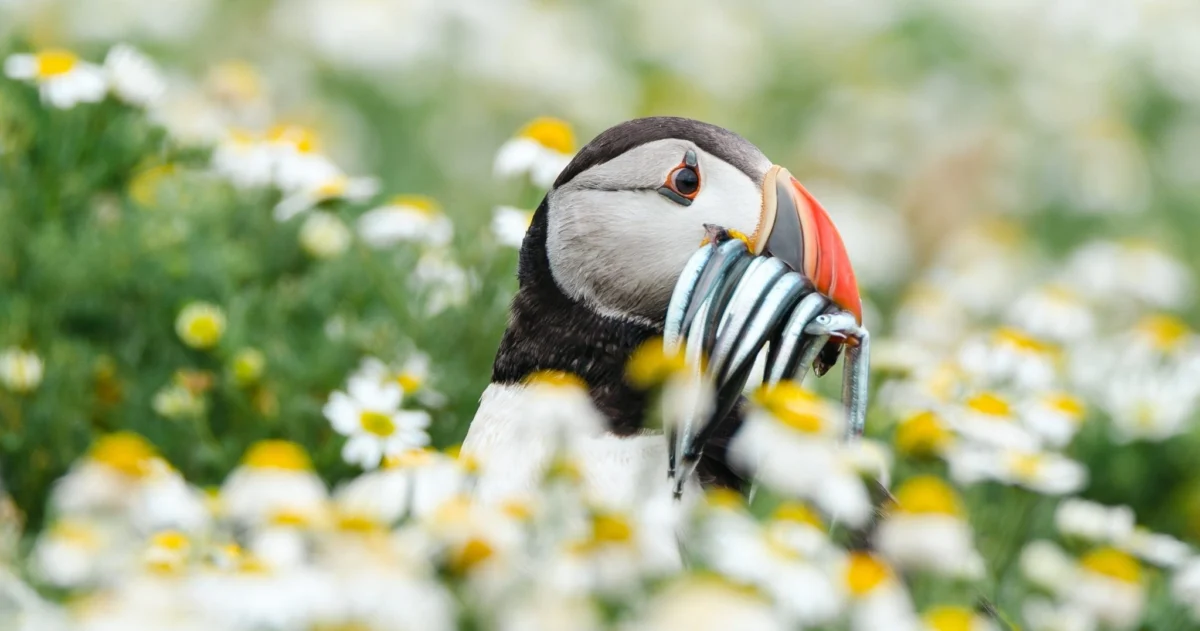
The Atlantic Puffin (Fratercula arctica), an emblem of northern European coastlines with its vibrant red beak and distinctive call, is facing an unprecedented crisis following one of the most severe seabird "wrecks" in a decade. As the spring breeding season approaches, these iconic seabirds, which spend up to eight months of their lives at sea, are returning to shore, but their numbers have been dramatically diminished by a winter marked by relentless storms and environmental stressors. The scale of mortality witnessed across the Atlantic coasts of Spain, Portugal, France, and the UK has sent shockwaves through the conservation community, underscoring the escalating fragility of marine ecosystems in an era of climate change.
A Catastrophic Winter: The Scale of Loss
The grim reality began to unfold as winter receded, revealing a horror scenario for scientists and conservationists. More than 38,000 seabirds were found stranded along the Atlantic seaboard, a stark testament to the unforgiving conditions at sea. Among these, hundreds of Atlantic Puffins washed ashore in places like Cornwall, UK, a devastating contrast to the mere handful reported in previous years. This year’s casualty count transforms what should have been a natural seasonal cycle into a profound ecological concern. The widespread nature of the disaster, with reports spanning thousands of miles of coastline, indicates a systemic challenge impacting multiple species, yet the Atlantic Puffin, already listed as Vulnerable on the IUCN Red List, appears to be disproportionately affected.
The Atlantic Puffin: An Icon Under Increasing Threat
Atlantic Puffins are an unmistakable and beloved species, instantly recognizable by their clown-like facial markings and brightly coloured beaks during the breeding season. These charismatic birds are highly adapted to marine life, capable of "flying" underwater to hunt small fish such as sand eels, herring, and sprats. They are pelagic for much of the year, returning to land only to breed in dense colonies on inaccessible cliffs and islands from April to August. Their strong site fidelity means they often return to the same nesting burrows year after year, forming lifelong pair bonds.
Their reliance on clear water for hunting and their migratory journeys across vast stretches of the Atlantic make them particularly susceptible to environmental changes. As an "indicator species," the health of Puffin populations often reflects the overall health of the marine environment they inhabit. Declines in Puffin numbers can signal broader problems within the marine food web, making the recent mass mortality a critical alarm bell for the entire ecosystem.
Understanding Seabird Wrecks: Natural Phenomena Exacerbated
A "seabird wreck" is a recognized natural phenomenon where large numbers of seabirds wash up dead or dying on beaches. Historically, these events have been linked to severe winter storms that exhaust and starve birds spending their winter far out at sea. When powerful storms hit, they churn the water, making it extremely difficult for diving birds like Puffins, which rely heavily on their eyesight, to locate and catch prey. The relentless winds and high waves also demand an enormous expenditure of energy, pushing birds to their physical limits. After long periods at sea, many birds are already in a precarious state, and the added stress of finding food in turbulent waters often proves fatal. They become too exhausted and starved to continue their journey or even sustain themselves, eventually succumbing to the elements.
While wrecks are a natural part of the marine ecosystem’s cycle, the frequency and intensity of recent events are raising serious concerns among scientists. The last major wreck of this magnitude occurred in 2013-14, when over 54,000 seabirds were reported dead across European Atlantic coastlines, with Puffins again being the most affected species. While the current reported figures are slightly lower, experts caution that the true death toll is likely far higher, as the vast majority of birds that perish at sea never wash ashore. This means the publicly reported numbers are merely a fraction of the actual devastation.
The Intensifying Role of Climate Change and Extreme Weather
What distinguishes the current seabird wreck from historical occurrences is the undeniable shadow of climate change. While severe storms have always been a feature of the North Atlantic winter, scientific consensus indicates that a warming planet is making these events more powerful, more frequent, and more unpredictable. Warmer ocean temperatures provide more energy for storms, leading to increased wind speeds, heavier precipitation, and larger waves. This intensification of extreme weather directly impacts seabirds’ ability to survive.
Marine heatwaves, driven by climate change, also disrupt ocean currents and alter the distribution of key prey species like sand eels, which form a crucial part of the Puffin’s diet. If fish stocks move to deeper, colder waters, or become scarcer due to changes in ocean productivity, Puffins must expend even more energy to find food, exacerbating the effects of harsh weather. Ocean acidification, another consequence of increased carbon dioxide absorption by the oceans, can further weaken the marine food web by impacting the base of the food chain, such as plankton, which fish species rely on. The cumulative effect is a marine environment under unprecedented stress, pushing seabirds beyond their natural coping mechanisms.
Cumulative Threats: A Broader Ecological Crisis
The winter wreck is not an isolated event but rather a symptom of a broader ecological crisis facing seabirds. As Antonio Vulcano, Senior Marine Conservation Officer at BirdLife Europe and Central Asia, articulated: "In Europe, threats to seabirds are worsening every year. At the same time, seabird populations in the region are declining, and recovery can take a long time. Puffins, an iconic species of the northern seas, are no exception." Vulcano emphasized that the recent stormy weather "adds to an already long list of threats."
This "long list" includes:
- Food Shortages due to Overfishing: Intensive commercial fishing depletes the small fish species that Puffins and other seabirds rely on. Even when not directly targeted, bycatch of these forage fish reduces availability. Climate-driven shifts in fish populations further complicate this, making it harder for Puffins to find reliable food sources near their breeding colonies.
- Bycatch in Fishing Gears: Seabirds, including Puffins, frequently become entangled in fishing nets, longlines, and other gear, leading to injury or drowning. This accidental capture is a significant source of mortality, particularly in regions with high fishing intensity.
- Predation at Breeding Colonies by Invasive Alien Species: Introduced predators such as rats, stoats, and mink on islands and coastal areas can decimate Puffin chicks and eggs, severely impacting breeding success. Conservation efforts often involve extensive eradication programmes to protect vulnerable colonies.
- Poorly Planned Offshore Wind Developments: While crucial for renewable energy, the rapid expansion of offshore wind farms can pose risks to seabirds. Collisions with turbine blades, displacement from foraging areas, and habitat disturbance during construction and operation can have localized but significant impacts on vulnerable populations. Strategic planning, thorough environmental impact assessments, and careful siting are essential to mitigate these risks.
- Pollution: Oil spills, plastic pollution, and chemical contamination continue to pose threats. Birds can ingest plastics, leading to starvation, or become oiled, which compromises their waterproofing and insulation, leading to hypothermia and death.
It is the "cumulative effects of these several threats on seabird populations," as Vulcano highlighted, that make the situation so dire. Each stressor, whether it’s a powerful storm or reduced food availability, weakens the birds, making them less resilient to the next challenge.
Expert Reactions and Scientific Investigations
Conservation organizations across Europe, including BirdLife Europe, the Royal Society for the Protection of Birds (RSPB) in the UK, and local wildlife trusts, have been actively monitoring the situation. Teams of volunteers and scientists have been deployed to beaches to collect dead birds, conducting post-mortem examinations to ascertain causes of death and gather data. These investigations are crucial for understanding the precise physiological impacts of starvation and exhaustion, as well as ruling out other factors like disease or specific pollutants.
The scientific community is particularly concerned by the rapid succession of major wreck events and their potential link to accelerating climate change. Data from this winter’s wreck will be meticulously analyzed alongside oceanographic data, storm patterns, and long-term seabird population trends to refine climate models and inform future conservation strategies. The difficulty in obtaining accurate mortality figures due to the vast majority of birds dying at sea presents a significant challenge, making the reports from shore-based surveys all the more critical.
Implications for the Breeding Season and Long-Term Survival
The winter’s devastating losses carry dramatic consequences for the upcoming breeding season. Puffins, which typically return to the same breeding sites, rely on established pairs to successfully raise chicks. A significant reduction in adult birds means that many breeding pairs will not reform, leading to a projected decrease in nesting activity at major colonies. Iconic breeding grounds such as Bempton Cliffs, Skomer Island, the Farne Islands, the Isle of May, and St. Kilda could see considerably fewer breeding pairs this spring.
This reduction in breeding adults directly impacts the reproductive output for the year, hindering population recovery. Given the long lifespan of Puffins (up to 30 years) and their relatively slow reproductive rate (typically one chick per year), it can take many years, even decades, for populations to rebound from such significant mortality events. If such wrecks become more frequent, the cumulative impact could push populations towards irreversible decline, threatening the long-term survival of the species in certain regions. The loss of genetic diversity within smaller, isolated colonies is also a concern, potentially reducing their resilience to future environmental changes.
Pathways to Protection: Collaborative Solutions
Despite the grim outlook, not everything is lost. The dedication of local shelters and environmental organizations, such as the Wildlife Trusts and RSPB, in rescuing and rehabilitating stranded seabirds offers a glimmer of hope. These organizations work tirelessly, often with limited resources, to provide care for exhausted and injured birds, giving them a second chance.
However, the ultimate solution lies in addressing the root causes of these escalating crises. As Puffins return to their nesting cliffs this spring, their future depends not only on the weather patterns of the coming months but, crucially, on the choices made by humanity on land and at sea. Concrete actions are urgently needed:
- Stronger Protection of Marine Ecosystems: Expanding and effectively managing Marine Protected Areas (MPAs) can safeguard critical foraging grounds and sensitive habitats, providing refuges for seabirds and their prey.
- Sustainable Fishing Practices: Implementing stricter quotas, promoting selective fishing gear that reduces bycatch, and supporting sustainable aquaculture can help restore fish stocks and ensure a stable food supply for seabirds.
- Responsible Offshore Development: Strategic planning and robust environmental impact assessments are vital for new offshore developments, ensuring they are sited and operated in ways that minimize harm to seabird populations and migratory routes. This includes investing in mitigation technologies and post-construction monitoring.
- Ambitious Climate Action: The most fundamental long-term solution is a global commitment to reducing greenhouse gas emissions to mitigate climate change. This will help stabilize ocean temperatures, reduce ocean acidification, and lessen the frequency and intensity of extreme weather events that directly threaten seabird survival.
- Eradication of Invasive Species: Continued efforts to remove invasive predators from key breeding islands are essential to improve breeding success rates and give Puffin colonies a better chance of recovery.
- Public Awareness and Engagement: Educating the public about the threats facing seabirds and the importance of healthy marine ecosystems can foster greater support for conservation initiatives and encourage responsible consumption habits.
Moments like this winter’s wreck serve as a potent and painful reminder of how intimately these birds depend on healthy seas, and how much difference concerted, proactive actions can make for the future of Europe’s beloved Puffins and the rich biodiversity of its marine environments. The time for decisive action to reduce pressures on seabird populations is now, before it is truly too late.