
With a profound sense of optimism and an unwavering long-term commitment, Audubon is actively fostering unity across the Americas, bringing together diverse individuals and organizations to safeguard avian populations and the critical habitats that sustain all life. This extensive effort recognizes the intrinsic value of birds not only as vital components of ecological balance but also as poignant indicators of environmental health, underscoring the urgent need for coordinated action in the face of accelerating climate change and widespread biodiversity loss.
The Interconnected Flight of Conservation: A Hemispheric Imperative
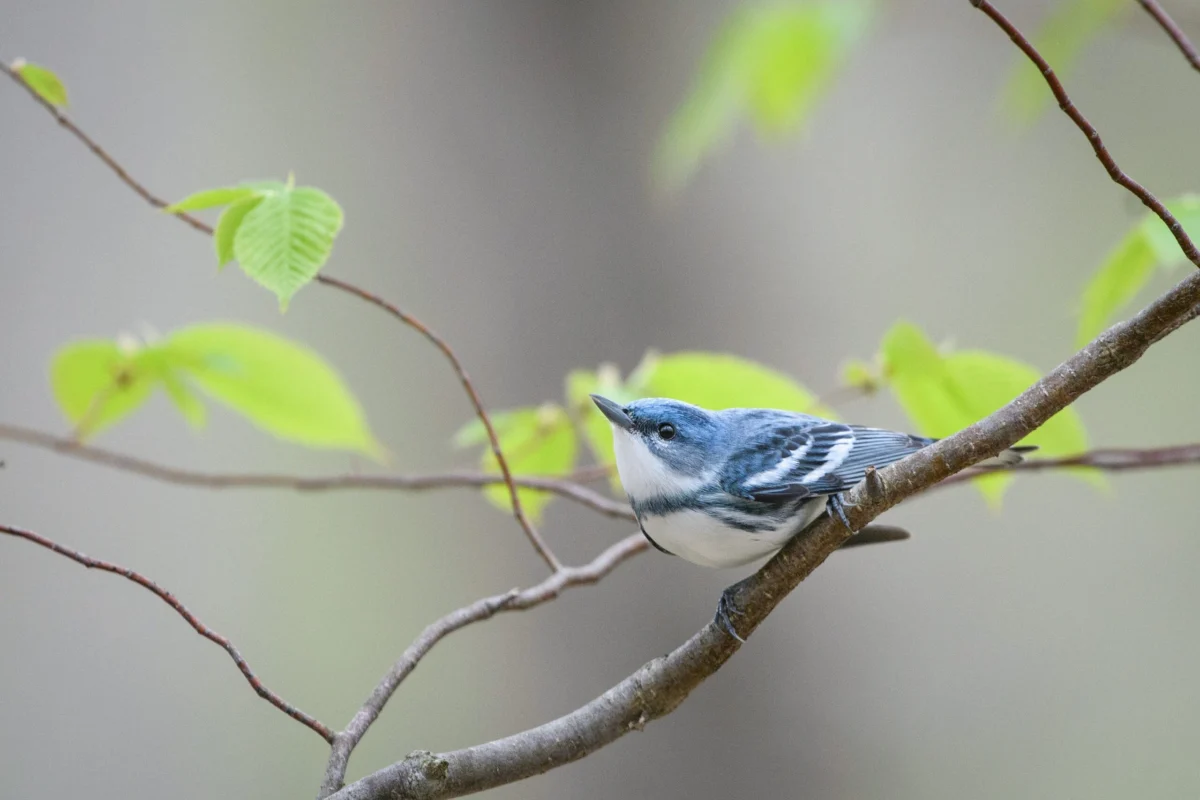
The annual migration of species like the Cerulean Warbler exemplifies the profound interconnectedness of ecosystems across continents. Each spring, these delicate songbirds undertake an arduous journey northward from their wintering grounds in South America, traversing the vast expanse of the Gulf of Mexico to reach their summer breeding territories in the eastern United States and southern Canada. Their survival, much like that of countless other migratory species, is inextricably linked to the integrity of connected habitats and the efficacy of coordinated conservation efforts spanning multiple countries and communities. In this sense, birds serve as living metaphors for the imperative of international cooperation, demonstrating how collective human endeavor can effectively advance both climate action and broader conservation goals.
The planet is currently experiencing a challenging epoch, marked by unprecedented threats to birds, the environment, and human societies. Habitat destruction, driven by urbanization, agricultural expansion, and resource extraction, continues to erode the foundational spaces necessary for life. Concurrently, the escalating frequency and intensity of extreme weather events—manifestations of a rapidly changing climate—are fundamentally reshaping the landscapes and ecosystems that define our world. Bird populations, in particular, face an uncertain future. Scientific projections indicate that approximately two-thirds of North American bird species and more than 75 percent of Latin American forest bird species are at significant risk of extinction if global temperatures continue their upward trajectory. Birds, therefore, function as critical bio-indicators, their dwindling numbers and shifting ranges sounding an alarm about the health of our shared environment. Beyond their ecological role, they serve as a powerful reminder of our collective interdependence and the transformative power inherent in unified action.
A Legacy of Collaboration: Audubon’s Enduring Vision
The very essence of conservation has always been rooted in collective effort. For more than 120 years, the National Audubon Society has been at the forefront of this movement, meticulously building broad coalitions grounded in robust scientific understanding and shared fundamental values. These values encompass the universal desire for clean air and water, the resilience of communities in the face of environmental challenges, and the flourishing of accessible, vibrant outdoor spaces. Over the decades, Audubon’s work has not only deepened its local impact within the United States but has also expanded significantly across the entire Western Hemisphere. This expansion now includes crucial partnerships and initiatives in countries throughout Latin America and the Caribbean, a testament to the strength of its collaborative network and the tireless dedication of its chapters, staff, and a multitude of passionate individuals. This expansive and enduring approach is guided by a philosophy of pragmatic optimism and an unwavering long-term commitment, firmly anchored in the conviction that the positive, incremental actions undertaken today will collectively accumulate over time, yielding substantial and lasting benefits.
Founded in 1905, though its roots trace back to earlier local societies and a nascent environmental consciousness, Audubon emerged from a period of rampant plume hunting that decimated bird populations for fashion. Early efforts focused on direct protection, advocating for laws like the Migratory Bird Treaty Act of 1918, a landmark agreement between the U.S. and Canada that remains a cornerstone of bird conservation. Over its more than a century of existence, Audubon has evolved from a focus on individual species protection to a comprehensive ecosystem-based approach, recognizing that birds thrive only when their habitats and the broader environment are healthy. This evolution underscores the organization’s adaptability and commitment to addressing the most pressing environmental challenges of each era.
Building Bridges Across Borders: Latin America and Canada
From the northern reaches of Canada to the southern tip of Chile, Audubon’s strategic initiatives to confront climate change and mitigate biodiversity loss are powered by dynamic partnerships with local communities and Indigenous governments. These collaborations are not merely transactional; they are built on mutual respect, shared objectives, and an understanding that effective conservation must be locally driven and culturally informed.
In Canada, for instance, Audubon has forged significant alliances with Indigenous governments and esteemed organizations such as the Seal River Watershed Alliance. This collaboration is integral to some of the most ambitious and critically important land conservation initiatives currently underway in the region. The Seal River Watershed, a vast, pristine wilderness in northern Manitoba, is a globally significant ecosystem, home to caribou, polar bears, and a diverse array of migratory birds. Indigenous communities, with their deep ancestral knowledge and inherent connection to the land, are leading efforts to permanently protect this watershed, ensuring its ecological integrity for generations to come. Audubon’s support provides scientific expertise, advocacy, and a broader platform, amplifying the impact of these Indigenous-led conservation efforts and setting a precedent for respectful, effective partnerships.
Further south, the Conserva Aves initiative stands as a monumental achievement in international bird habitat protection. This groundbreaking program, spearheaded by Audubon in conjunction with a formidable consortium of partners including BirdLife International, Birds Canada, American Bird Conservancy, and the Latin American and Caribbean Network of Environmental Funds (RedLAC), has already resulted in the protection of over 2 million acres of vital bird habitat across eight Latin American countries. These newly designated protected areas, ranging from critical rainforests to essential wetlands, are not merely lines on a map; they are living landscapes actively managed by the very local communities who depend on them. This community-centric management approach ensures long-term sustainability, fosters local stewardship, and integrates traditional ecological knowledge with modern conservation science, creating resilient and thriving ecosystems. Conserva Aves began in 2021 with an ambitious goal of protecting 500,000 acres and has far surpassed its initial targets, demonstrating the power of collaborative vision and action.
Empowering Citizen Science and Local Action
A cornerstone of Audubon’s scientific methodology and community engagement is its robust suite of citizen science programs. These initiatives not only gather invaluable data but also empower individuals to become active participants in conservation. Climate Watch, for example, has for the past decade mobilized thousands of volunteers to collect crucial data that enables researchers to meticulously track how birds are responding to the inexorable march of climate change and how their geographical ranges are shifting in response. By focusing on specific indicator species, volunteers provide a snapshot of ecological change across vast areas, contributing to a continental-scale dataset that would be impossible to gather through traditional research methods alone.
During a recent winter session of Climate Watch, a compelling example of this engagement unfolded when students from the Claflin University campus chapter, Friends of the Earth, joined Audubon staff to meticulously count Eastern Bluebirds. This hands-on experience not only contributed vital data but also served as a powerful educational moment, immersing the next generation of environmentalists in practical conservation work. Such moments serve as a potent reminder that young people are not only engaged but are already making tangible and meaningful contributions to the broader conservation movement. The data collected through Climate Watch is instrumental in refining climate models, informing conservation strategies, and guiding policy decisions aimed at protecting vulnerable bird species.
The spirit of engagement extends powerfully into the realm of policy advocacy, where grassroots efforts are instrumental in shaping legislation that benefits birds and the environment. A striking illustration of this occurred recently when a delegation of ranchers traveled to Capitol Hill in Washington D.C. Their mission was to advocate for a modernized Farm Bill, a critical piece of legislation that significantly impacts land use and conservation practices across the United States. These ranchers shared firsthand accounts of how bird-friendly grazing practices not only support healthy grassland ecosystems, providing crucial habitat for species like grassland birds, but also contribute to the economic viability of working lands. By lending their authentic voices and practical experiences to the legislative conversation, these landowners presented a compelling case for strengthening conservation incentive programs within the Farm Bill. Such programs offer tangible benefits not only for avian populations but also for the long-term sustainability and resilience of rural communities. The Farm Bill, renewed roughly every five years, is a multi-billion dollar piece of legislation that allocates funding for agriculture, food, and conservation programs, making it a powerful tool for environmental stewardship.
Innovative Solutions on the Ground: Integrating Conservation with Development
Beyond policy and citizen science, innovative, on-the-ground solutions are being actively developed and implemented in local communities, demonstrating how conservation can be integrated even with necessary development. In Arizona, a pioneering partnership between a wildlife rehabilitation center and a solar developer yielded a promising model for mitigating the impact of renewable energy infrastructure on wildlife. Faced with the displacement of Burrowing Owls from a housing development site, the partners collaborated to relocate these ground-dwelling birds to an experimental habitat specifically designed within a solar energy complex. This involved the careful construction of artificial burrows and the implementation of ongoing monitoring protocols to ensure the owls’ successful adaptation to their new environment. This project offers a compelling example of how large-scale renewable energy developments, crucial for combating climate change, can be meticulously planned and executed with wildlife considerations at the forefront, thereby supporting species that face increasing pressures from both habitat loss due to development and the overarching impacts of climate change.
Collaboration also finds expression in the vibrant realm of art and public engagement. The Audubon Mural Project, in partnership with various community organizations, has successfully drawn attention to the plight of climate-threatened birds in New York City’s diverse community gardens. Local artists have transformed these urban green spaces into living galleries, painting more than 20 striking murals that depict various bird species and the native plants essential for their sustenance and shelter. These murals serve as powerful educational tools, raising awareness among urban dwellers about the local biodiversity at risk and the critical role of native plants in supporting urban ecosystems. This initiative beautifully illustrates how art can transcend aesthetic appeal to become a potent vehicle for environmental advocacy, fostering a deeper connection between people and the natural world in unexpected urban settings. The project began in 2014, with a goal of painting murals for 314 North American bird species identified as threatened by climate change in Audubon’s "Survival By Degrees" report.
The Urgent Call to Action: Implications for a Sustainable Future
At this pivotal juncture for avian biodiversity, the pathway to hope and possibility lies precisely at the dynamic intersection of rigorous scientific inquiry, the development of durable, scalable solutions, and the active engagement of informed and empowered communities. The scientific consensus is clear: the challenges facing birds and the planet are immense, yet the capacity for positive change, driven by collective human effort, is equally profound.
The implications of Audubon’s hemispheric approach extend far beyond the immediate protection of bird species. Healthy bird populations are vital indicators of healthy ecosystems, which in turn provide indispensable services to humans, including pest control, pollination of crops, seed dispersal, and nutrient cycling. Their presence enriches human lives culturally, aesthetically, and economically through ecotourism and birdwatching. The collaborative models championed by Audubon—involving Indigenous communities, international partners, local volunteers, and policymakers—demonstrate a scalable blueprint for addressing complex global challenges. These partnerships highlight the shared responsibility of nations and communities to safeguard the planet’s natural heritage, fostering diplomatic ties and collective stewardship across political boundaries.
By investing in citizen science programs, Audubon not only gathers critical data but also cultivates a new generation of environmental stewards, equipping them with scientific literacy and a sense of agency. The integration of conservation into economic sectors, such as agriculture and renewable energy, exemplifies a pragmatic approach to sustainable development, acknowledging that human progress and environmental protection need not be mutually exclusive. The use of art and public education further broadens the reach of conservation messages, making complex ecological issues accessible and engaging to a wider audience.
In conclusion, the effort to reverse bird population declines and protect the places that sustain all forms of life requires an unprecedented level of cooperation and commitment. The work of Audubon, in concert with its vast network of partners and dedicated individuals, provides a powerful testament to what can be achieved when scientific knowledge, innovative solutions, and engaged communities converge. Together, through sustained effort and a shared vision, it is possible not only to safeguard the future of birds but also to secure a more resilient and sustainable future for all inhabitants of the Americas and beyond.