
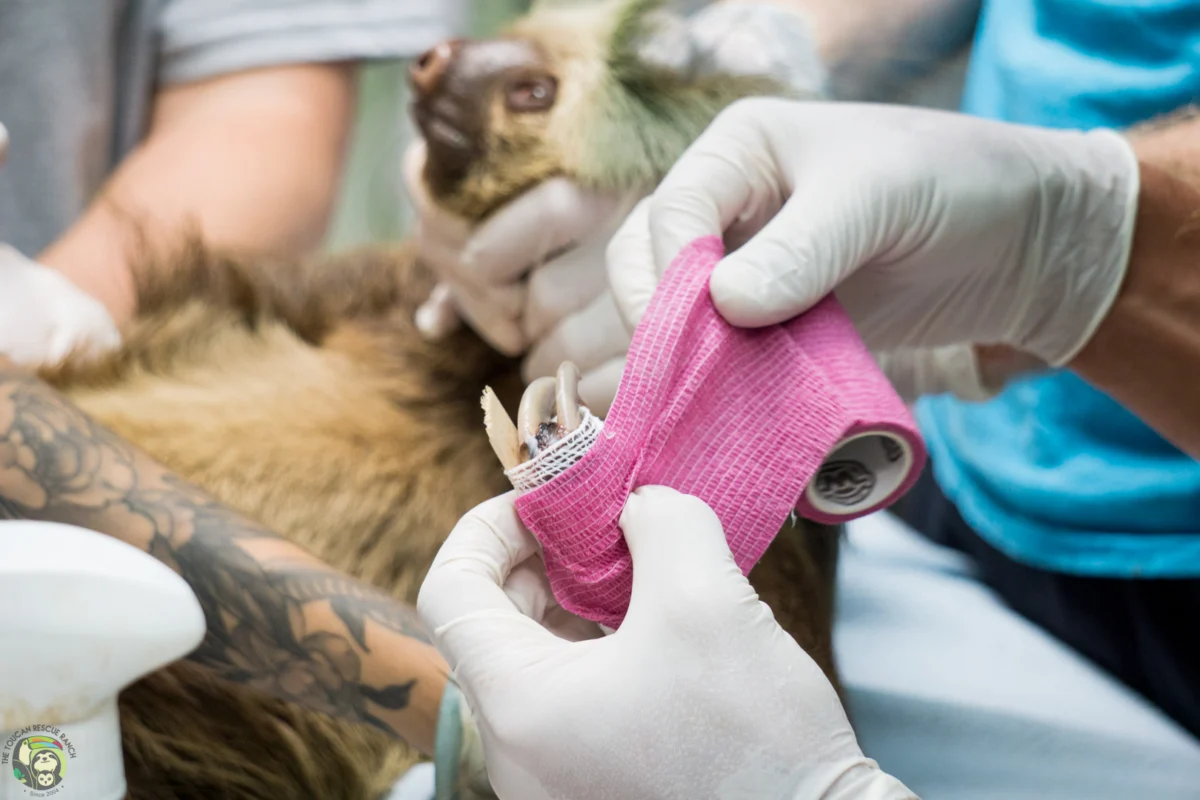
The Toucan Rescue Ranch (TRR), a prominent wildlife rescue and rehabilitation facility based in Costa Rica, has issued a comprehensive call for international support to bolster its mission of rescuing, rehabilitating, and releasing the nation’s diverse wildlife. As an organization dedicated to the welfare of iconic species such as orphaned sloths, injured toucans, and various other neo-tropical animals, TRR relies heavily on a steady stream of specialized supplies and equipment. To streamline this process and overcome the inherent logistical hurdles of international shipping to Central America, the foundation has unveiled a multi-tiered donation strategy involving digital wish lists, a United States-based logistics hub, and a "checked luggage" initiative for travelers.
Founded in 2004, the Toucan Rescue Ranch has evolved from a small rescue center into a sophisticated veterinary and rehabilitation operation. With a main facility located in San Josecito, Heredia, and a dedicated Release Site in Sarapiquí, the organization manages a complex pipeline of animal care that requires constant replenishment of medical, nutritional, and administrative resources. The current initiative seeks to bridge the gap between global supporters and the immediate physical needs of the animals under their care.
The Logistics of Conservation: Overcoming Regional Shipping Challenges
One of the primary obstacles facing NGOs in Costa Rica is the complexity of the national postal system. While the country is a leader in environmental policy, its traditional mail infrastructure can be unreliable for time-sensitive or high-value medical shipments. To address this, TRR has issued specific guidance for donors to ensure that contributions actually reach the clinic and the animals in need.
The organization explicitly recommends avoiding standard international postal services due to high rates of loss or significant delays in customs. Instead, TRR identifies three primary pathways for material donations. The most effective method identified is the personal transport of items. Volunteers, interns, and tourists visiting the ranch’s guesthouse are encouraged to utilize their checked luggage to transport much-needed supplies. This "hand-delivery" method bypasses the bureaucratic and financial hurdles of import taxes and shipping fees, ensuring that 100% of the donation value reaches the facility immediately.
For those unable to travel to Costa Rica, the organization has established a strategic partnership with a board member in Knoxville, Tennessee. This U.S.-based warehouse serves as a collection point where items can be stored and eventually coordinated for transport to Costa Rica via authorized personnel or specialized shipments. While this method does not offer the same immediacy as personal transport, it provides a vital domestic option for American donors.
For direct international shipping, TRR recommends the exclusive use of DHL. Although private couriers represent a higher cost to the donor, they provide the tracking and reliability necessary for the delivery of sensitive veterinary equipment and specialized animal formulas that are often unavailable within the local Costa Rican market.
Strategic Procurement through Digital Wish Lists
To ensure that the influx of donations aligns with the most pressing needs of the veterinary team, TRR has curated specialized digital wish lists through Amazon and Cuddly. These platforms allow the organization to update their requirements in real-time, reflecting the current census of the clinic. For instance, during the "baby season," when the ranch sees a surge in orphaned sloths and birds, the lists prioritize high-protein milk replacers, incubators, and specialized feeding tools.
The Cuddly Wish List, in particular, focuses on the individual stories of animals currently in rehabilitation, providing donors with a direct connection to the impact of their gift. This data-driven approach to procurement ensures that the ranch does not receive an excess of low-priority items while lacking essential medical consumables.
Categorization of Needs: From Clinical Care to Field Release
The Toucan Rescue Ranch operates across multiple departments, each with distinct requirements. The organization has categorized its needs into three priority levels to guide donor decision-making:
High Priority: Life-Saving Medical and Nutritional Supplies
The clinic is the heart of the TRR operation. High-priority items often include specialized veterinary tools, such as surgical instruments, diagnostic equipment, and specific medications that are difficult to source in Central America. Additionally, nutritional supplements for neonates—particularly for sloths, which require a very specific dietary balance to survive the rehabilitation process—are permanently at the top of the priority list.
Medium Priority: Enrichment and Maintenance
Once an animal is stabilized in the clinic, the focus shifts to rehabilitation and "rewilding." Medium-priority items include enrichment tools that stimulate natural behaviors, such as climbing structures, foraging puzzles, and nesting materials. This category also covers the maintenance of the enclosures at the Sarapiquí Release Site, where animals transition back into the wild.
Lower Priority: Administrative and Educational Tools
As a registered foundation, TRR also requires administrative support to manage its volunteer programs and educational outreach. Items in this category include office supplies, educational materials for local schools, and equipment for the staff who monitor the release sites. While these are listed as lower priority compared to direct animal care, they are essential for the long-term sustainability of the organization.
Financial and Legal Framework of Donations
The Toucan Rescue Ranch maintains a dual legal status that facilitates its international operations. In the United States, it is a registered 501(c)(3) nonprofit (EIN: 80-0516453), making donations tax-deductible for U.S. taxpayers. Simultaneously, it is a registered foundation in Costa Rica (#300667701803), allowing it to operate under the strict oversight of the Ministry of Environment and Energy (MINAE).
This transparency is crucial for an organization that relies on the public’s trust. By providing clear tax-deductible pathways, TRR incentivizes larger corporate donations and high-value equipment grants. The financial impact of these donations is significant; the cost of rehabilitating a single sloth can run into thousands of dollars over several years, considering the medical care, specialized diet, and 24-hour monitoring required before a successful release.
Context: The State of Wildlife in Costa Rica
Costa Rica is home to approximately 6% of the world’s biodiversity, a remarkable statistic given its small landmass. However, this biodiversity faces increasing threats from urbanization, habitat fragmentation, and the illegal pet trade. Electrocution from uninsulated power lines is a leading cause of injury for sloths and monkeys, while car strikes and domestic animal attacks account for a large portion of the avian admissions at TRR.
The role of private rescue centers like TRR has become increasingly vital as the government-run facilities often lack the resources to handle the volume of injured animals. TRR’s "Release" mission is particularly important; unlike sanctuaries that keep animals in permanent captivity, TRR’s primary goal is the successful reintegration of animals into their natural habitats. This requires a rigorous "boot camp" for the animals, where they must prove their ability to forage and avoid predators—a process that is heavily dependent on the supplies and infrastructure funded by international donors.
Broader Implications and Community Impact
The success of the Toucan Rescue Ranch’s donation drive has implications beyond individual animal welfare. By involving international tourists and volunteers in the logistics of conservation, the ranch fosters a global community of environmental stewards. The "checked luggage" initiative, for example, turns a standard vacation into a mission of active participation in conservation.
Furthermore, the data gathered by the TRR clinic during the treatment of these animals contributes to a broader understanding of wildlife health in the tropics. This information is often shared with academic institutions and government agencies to inform better environmental policies, such as the insulation of power lines in "biological corridors."
As the organization continues to grow, its reliance on a sophisticated, globalized supply chain remains a cornerstone of its operational strategy. By leveraging digital platforms and strategic shipping hubs, the Toucan Rescue Ranch ensures that the distance between a donor in North America or Europe and a sloth in the Costa Rican rainforest is bridged through efficient, high-impact action. The current call for donations is not merely a request for supplies, but an invitation for the global public to participate in the preservation of some of the planet’s most vulnerable and iconic species.